







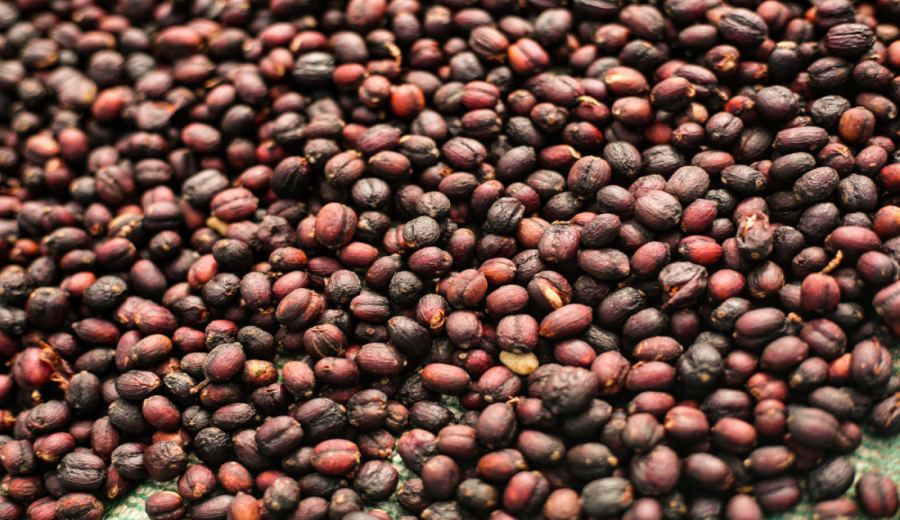
Introduction:Ethiopia is hailed as the genetic cradle of coffee, boasting rich varietal diversity and unique terroirs across its producing regions. This article delves into the origins of Ethiopia’s Heirloom heirloom varieties, explores the characteristics of its nine major specialty coffee regions, explains the ECX trading system and the G1–G5 grading scale, and introduces the flavor profiles of renowned areas like Yirgacheffe and Sidamo. Additionally, practical V60 pour over parameters are provided to help you more fully explore the diverse charms of Ethiopian beans.
As the birthplace of coffee, Ethiopia not only has a long history of cultivation but also serves as a vital genetic bank for global specialty coffee. The richness of its coffee varieties and the diversity of its flavors have long captivated coffee enthusiasts around the world. In this article, we’ll take you on an in-depth journey through Ethiopia’s coffee scene—from regional terroirs and varietal traits to grading systems and practical brewing advice—to uncover the many facets of Ethiopian coffee.
Many people wonder why Ethiopian coffee beans vary so much in size. This is largely due to the dominant “Heirloom heirloom variety.” Since Ethiopian coffee has long grown in wild or semi-wild conditions, there are nearly 2,000 varieties, 1,927 of which are considered native. The government has not publicly released detailed classifications, so they are collectively referred to as Heirloom. These varieties grow together in natural environments, creating unique flavor foundations for each producing region, but also leading to noticeable differences in appearance and size.
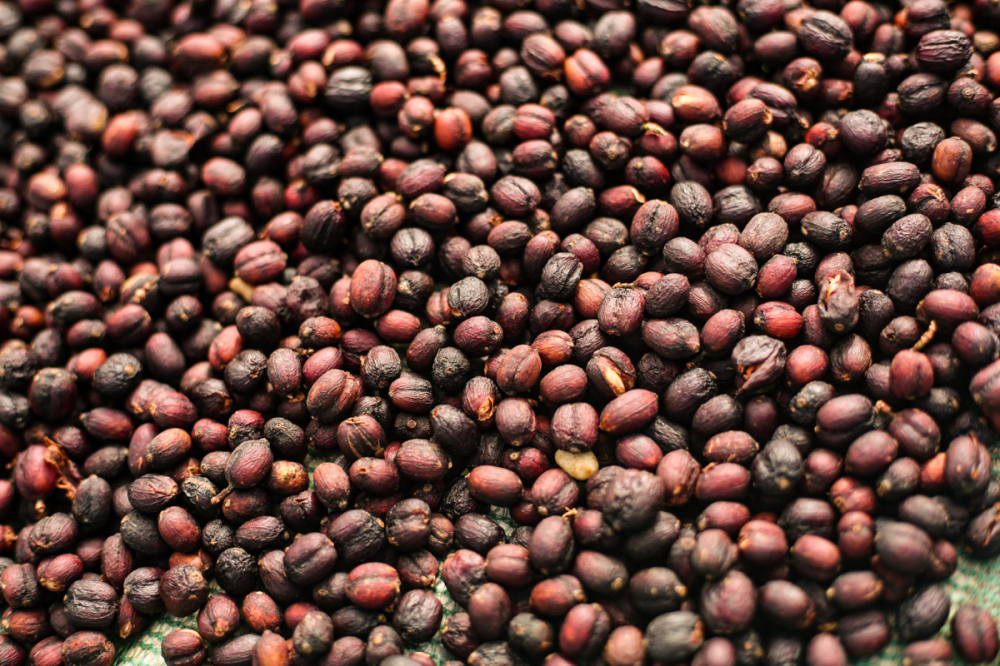
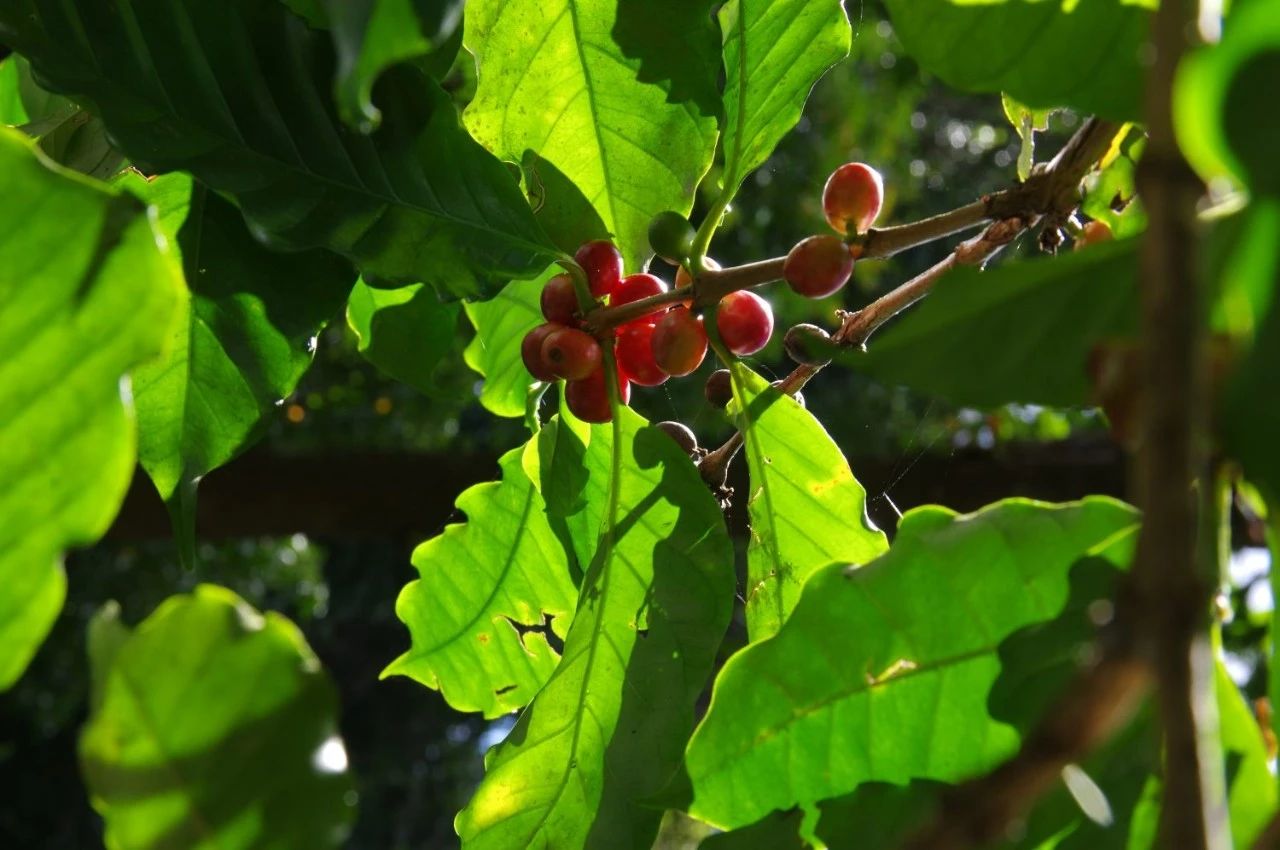
Ethiopian coffee is mostly grown by smallholder farmers, with over 90% coming from farms smaller than 4 hectares, typically at altitudes between 1,000 and 2,300 meters. Most coffee trees grow alongside other crops and are cultivated using “shade-grown” methods to reduce direct sunlight, helping control pests and diseases while maintaining ecological balance. During harvest, farmers usually collect coffee cherries from different varieties within the same area, so even beans labeled as from a single region may actually be a blend of multiple varieties.
Ethiopia’s nine major specialty coffee regions each have their own distinct characteristics. For example, Yirgacheffe, at elevations of 1,800–2,000 meters, is known for its bright citrus acidity, jasmine floral notes, and tea-like body—making it a popular entry point for many exploring Ethiopian coffee. Sidamo, on the other hand, offers richer fruit aromas and layered scents, appealing to those who enjoy bold yet refined flavors. The Limu region, with its diverse processing methods, often presents notes of brown sugar and grassiness; Harrar is distinguished by its unique natural (sun-dried) processing and funky fermentation profiles.
Beyond these well-known regions, lesser-known areas such as Gimma, Illubabor, Gimbi Lekempti, Teppi Bebeka, and even monastery-grown coffee by Lake Tana—with an annual output of less than 10 tons—also offer distinctive flavor profiles. From commercial-grade beans to micro-lot specialties, there’s something to satisfy every level of coffee exploration.
When it comes to the grading and trading of Ethiopian coffee, the ECX (Ethiopia Commodity Exchange) is a key player. This government-established marketplace regulates the majority of the country’s coffee exports, categorizing beans based on processing method and quality into washed G1–G2 and natural G1–G5 grades, where lower numbers indicate fewer defects and higher quality. It’s worth noting that while the ECX system aids in standardization and market transparency, it can also strip some coffees of their single-farm traceability. However, through cooperatives or single-farm systems, it’s still possible to find specialty coffees with more distinctive flavor identities.
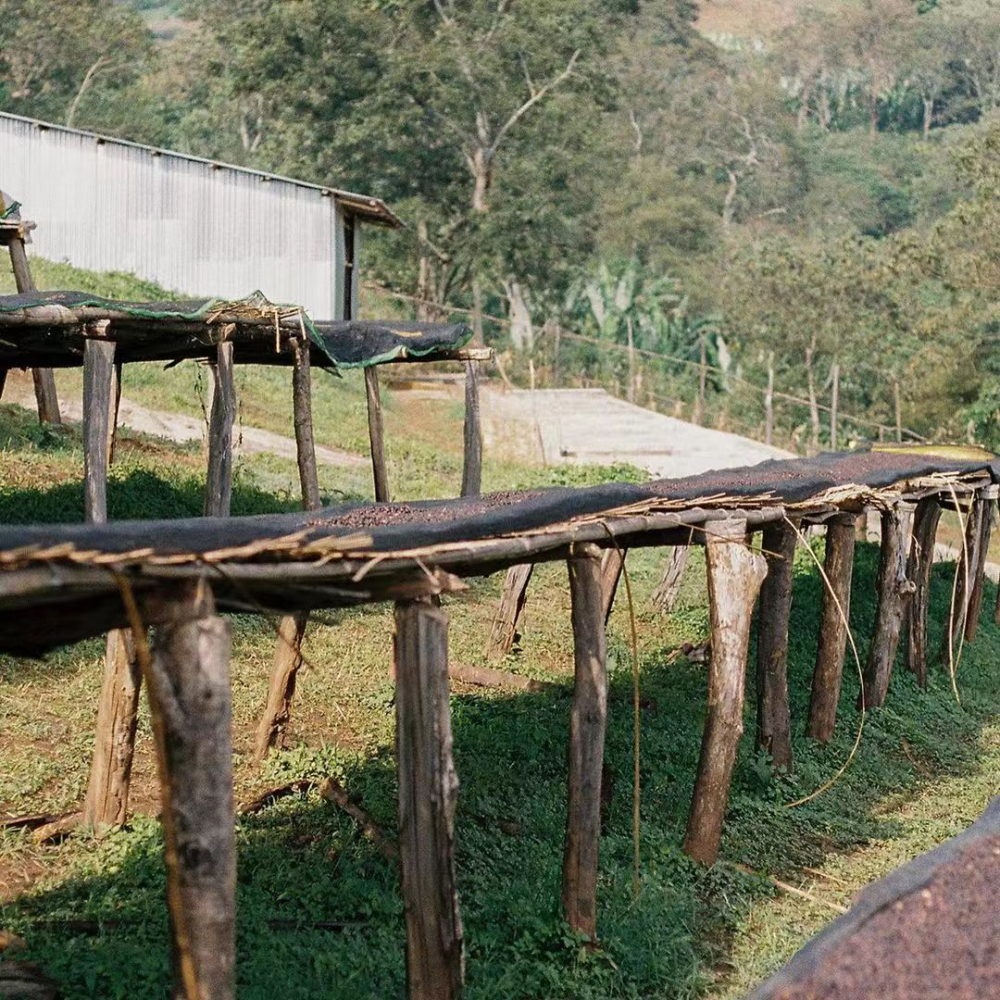
In terms of processing, Ethiopia primarily uses washed and natural (sun-dried) methods, with some regions also experimenting with honey processing. Washed beans typically exhibit cleaner acidity and clearer fruit tones, while natural processed beans retain more sweetness and complex layers, sometimes with winey or fermented notes. Take the Misty Valley of Yirgacheffe, for example: through improved natural processing techniques, defect rates are reduced while flavor richness and aromatic expression are enhanced.
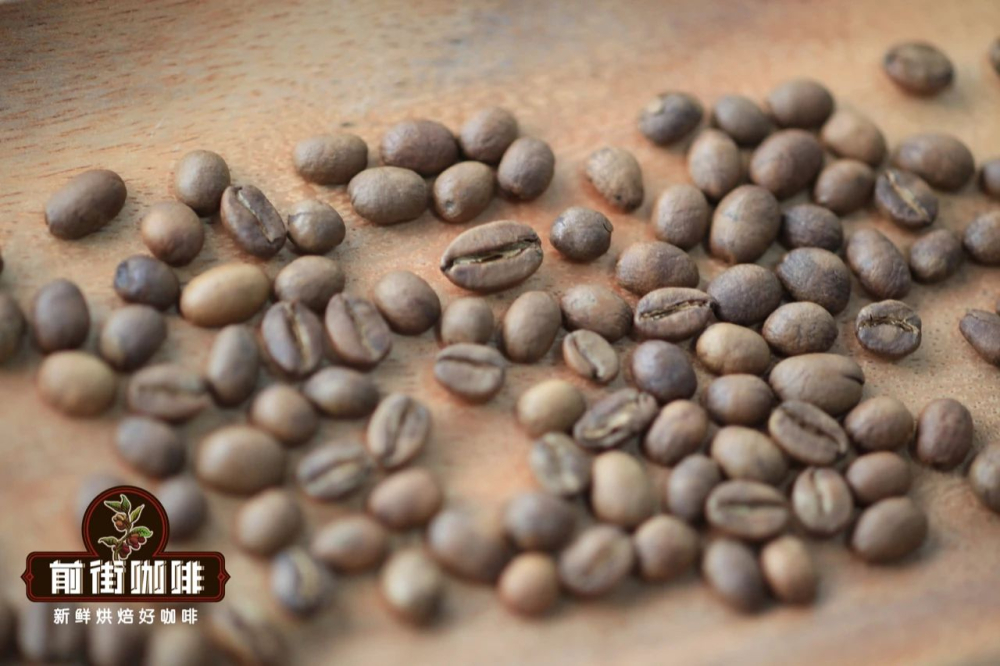
If you’d like to brew an Ethiopian coffee yourself, here are suggested V60 pour over parameters: use a 1:15 coffee-to-water ratio, grind to a medium-fine setting (such as BG 6M or equivalent to about 80% through a #20 sieve), and aim for a water temperature between 90–92°C. Start with a 30g bloom, then pour in small circles to reach around 225g total, dividing the brew into stages. Keep the total brew time between 2 to 2 minutes 30 seconds. These parameters help highlight the fruity acidity and aromas of Ethiopian beans while balancing body and mouthfeel.
In summary, the charm of Ethiopian coffee lies in its incomparable genetic diversity and regional character. From the fresh floral and fruity notes of high-altitude beans to the rich sweetness brought by natural processing, each cup tells a unique story of its terroir. Whether you’re just starting your coffee journey or are a seasoned enthusiast, exploring Ethiopia’s coffee world is sure to bring new surprises and inspiration to your palate.


The above content is compiled by CoffeeHunters, a coffee news website.


