







Introduction:An in-depth exploration of the Geisha Orange Honey processed coffee from Finca Santa Felisa in the Acatenango region of Guatemala, delving into the unique smoky finish nurtured by high-altitude volcanic soil, and the layered floral and fruity honey notes brought out by the orange honey processing method. This article details the flavor profile of this particular coffee lot, highlights the distinctive characteristics of its processing technique, and provides professional pour over parameters and resting advice to help coffee enthusiasts fully unlock its delicate and elegant flavor potential.
As a representative origin of specialty coffee in Central America, Guatemala’s high-altitude volcanic terrain and diverse microclimates yield coffee beans with a uniquely smoky finish. Among them, Finca Santa Felisa in the Acatenango region, established in 1904 and now in its fourth generation of management, is renowned for its meticulous field management and innovative processing techniques. This article focuses on the highly anticipated Geisha Orange Honey lot from the estate, analyzing the floral, honey, and blueberry aromas that emerge from the grinding stage, to the interplay of orange blossom, jasmine, apricot, bergamot, and honey flavors upon brewing, and the elegant aftertaste featuring rose tea and juicy peach.
Guatemala’s volcanic soil not only provides an abundance of minerals but also imparts a distinctive rich and full-bodied foundational tone to the beans. Although washed processing is the predominant method locally, Finca Santa Felisa has introduced an innovative Orange Honey lot — this batch of Red Pacas variety coffee, grown at altitudes between 1800 and 1920 meters, undergoes partial mucilage removal followed by fermentation in orange juice, resulting in a mild sweet-and-sour base with a rich and full body. Upon grinding, distinct floral and honey aromas can be captured, and after brewing, the fragrance of orange blossom and jasmine is released first, followed by a complementary interplay of apricot, blueberry, and other fruit notes with the sweetness of honey. The finish showcases the refined elegance of rose tea and the juiciness of peaches, delivering a profile that is both bold and delicate.
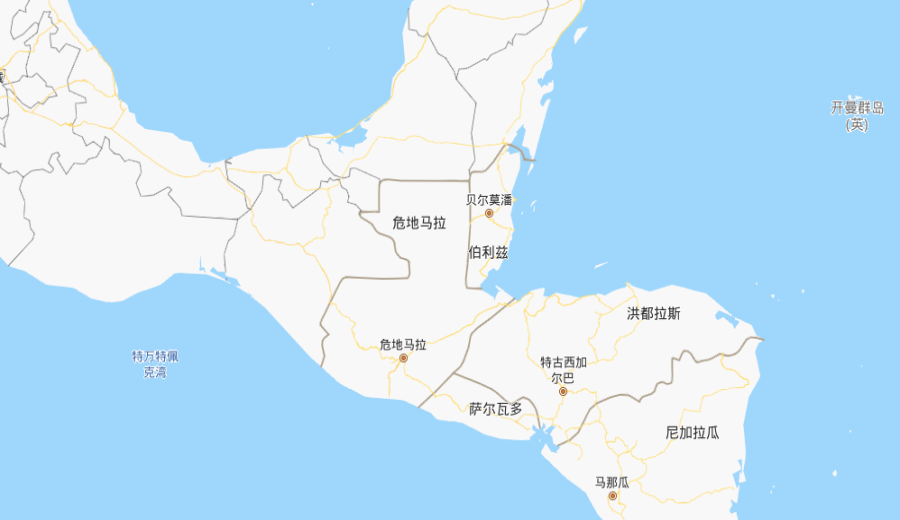
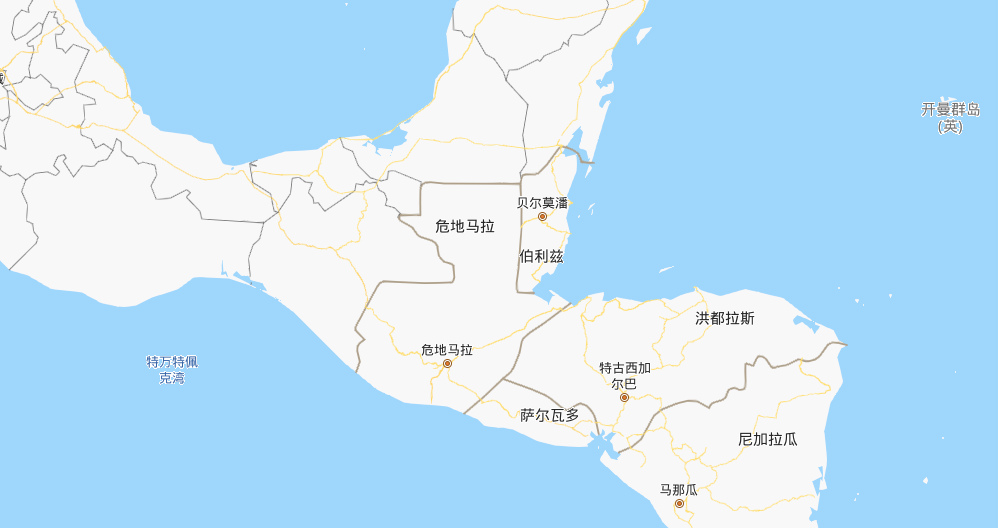
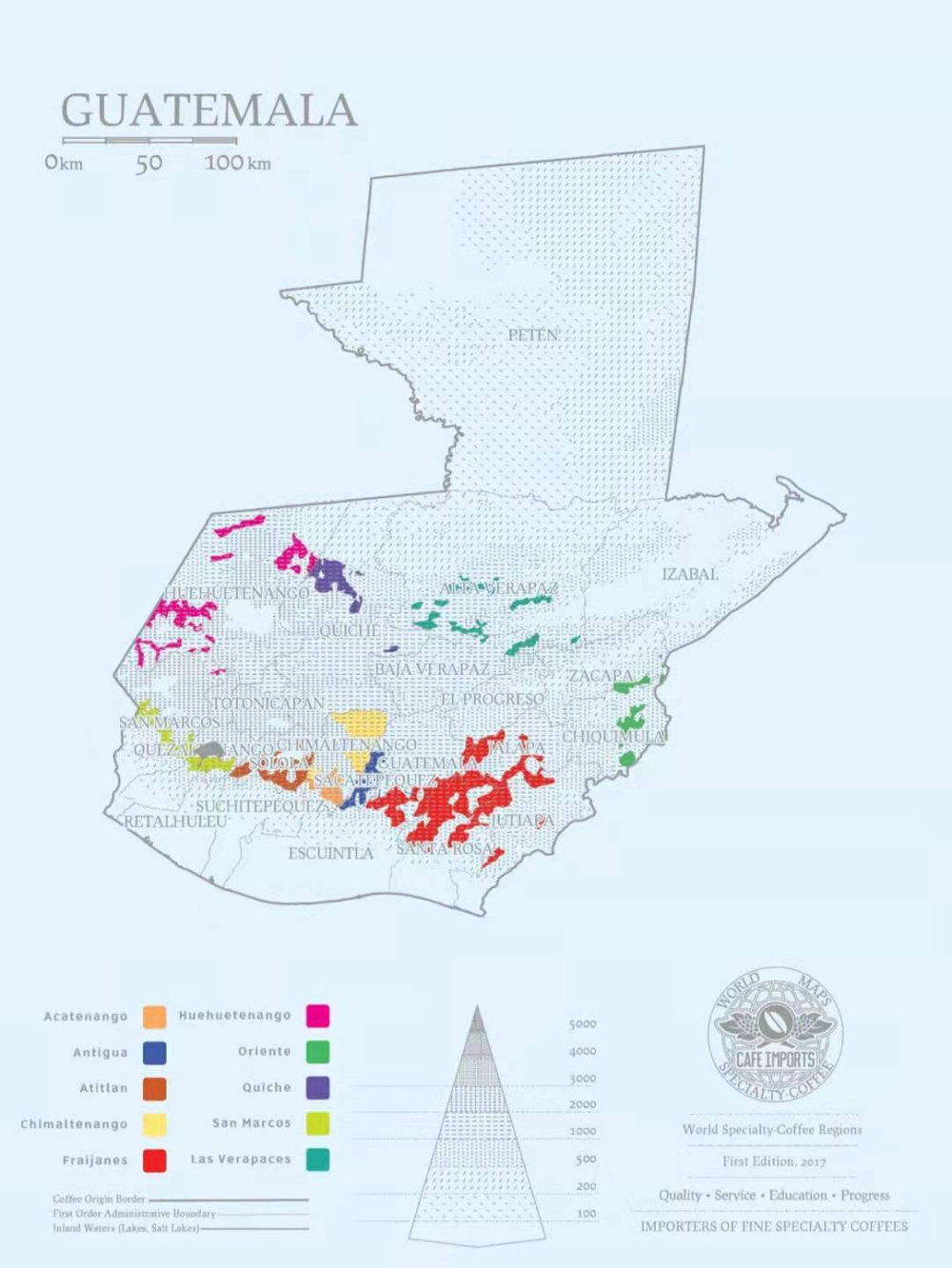
Guatemala’s coffee cultivation history dates back to 1750, when it was introduced by Jesuit priests, and the late 19th century saw further industrial development driven by German colonists. The country is divided into eight coffee-growing regions, five of which lie within the volcanic belt — including Antigua, Acatenango, Lake Atitlán, San Marcos Volcano, and Fraijanes Plateau — and three others being Huehuetenango, Cobán, and Nuevo Oriente. With over three hundred microclimates, the nation enjoys remarkable flavor diversity — though each region has its own characteristics, they generally share a gentle and full-bodied texture, elegant aromas, and bright acidity, earning them the title of “aristocrats” among coffees. Particularly notable is the Huehuetenango region, located in the northwestern highlands at elevations of 1800 to 2100 meters — the highest in the country — where dry, hot winds from Mexico’s Tehuantepec Plateau reduce frost risk, and an intricate network of streams supplies the clean water needed for washed processing. The main harvest season (January to April) predominantly employs washed techniques, resulting in classic flavor profiles marked by pronounced citrus notes, intense berry richness, and nutty finishes.
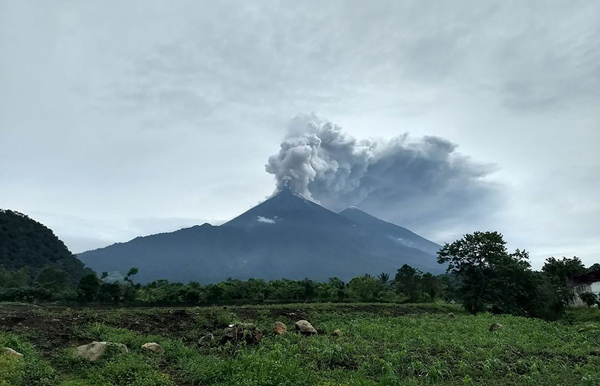
Established in 1904, Finca Santa Felisa is nestled in the heart of the Acatenango region — in the Acatenango Valley, surrounded by the Acatenango and Volcán de Fuego volcanoes — at elevations ranging from 1500 to 1920 meters, with an annual precipitation of 1200–1500 mm and an average temperature of 17.7–22.7°C. This microclimate perfectly supports slow coffee maturation and nutrient absorption. The estate’s commitment to quality is reflected in three key aspects: variety selection, innovative post-harvest processing, and attention to human and environmental well-being. In terms of growing environment, the farm avoids chemical pesticides, protects watersheds through continuous reforestation, and prevents pests via pruning, weeding, and removal of fallen fruit. It utilizes organic fertilizers such as red worm compost and plants shade trees to maintain soil health. From a social perspective, child labor is strictly prohibited, farmer living conditions are improved, a farm elementary school and daycare center have been established, further education is supported, and there is a strong focus on preserving Mayan culture — for example, offering handicraft courses for female employees to promote ethnic integration, with many Mayan workers serving generations within the estate.
Finca Santa Felisa specializes in cultivating specialty coffee in small batches (microlots) and even micro-mini batches (nanolots). Over thirty coffee varieties are planted within the estate’s botanical garden, including Red Caturra, Rume Sudan, Mocca, Geisha, Red Catuaí, Red Pacamara, and Yellow Caturí, all dedicated to developing high-quality beans with unique flavor profiles. The Geisha Orange Honey lot introduced here is one of their innovative achievements.
The estate currently grows mainly Red Typica, Red Bourbon, Red Pacas, Geisha, Red Catuaí, Red Pacamara, and Yellow Caturí, and has accumulated extensive experience in post-harvest processing — utilizing more than seven different methods, among which washed, Kenyan-style K72 washed, orange honey, and natural sun-dried are the most popular in the market. The K72 washed method, originating from Kenya, involves 72 hours of fermentation (with rinsing every 24 hours to prevent over-fermentation), resulting in a long-lasting finish and crisp acidity. The orange honey process ferments the beans in orange juice, creating a uniquely mild sweet-and-sour flavor that is rich, full-bodied, and delicately sweet — offering a more elegant profile compared to traditional sun-dried. It’s worth noting that the sun-dried process for Guatemalan coffee at Santa Felisa is relatively rare, making it a standout choice for coffee lovers who enjoy ripe fruit aromas.
For this Geisha Orange Honey processed coffee, the recommended pour over parameters are as follows: use a medium-fine grind (similar to the coarseness of fine sugar, with approximately 80% passing through a standard #20 sieve), a dose of 15 grams, paired with a V60 filter cone, water temperature at 91°C, and a brew ratio of 1:15. Employ a three-stage pouring technique — the first stage involves pouring 30 grams of water (twice the coffee dose) for a 30-second bloom to release CO₂ from the coffee grounds and ensure stable extraction thereafter; the second stage uses a slow circular pour to reach 125 grams, then pause; the third stage continues pouring up to 225 grams before stopping. Remove the filter cone once dripping completes, with total brew time around 2 minutes. After brewing, gently swirl the coffee to evenly mix the liquid before pouring into your cup, allowing you to fully experience its complex flavor layers.
Regarding brewing and storage, freshness is key to flavor. It is recommended to choose beans roasted within 5 days, and allow them to rest for 4–7 days after receipt to complete the degassing period — this is when the flavor is at its best. If purchasing coffee powder, you may brew immediately as the carbon dioxide released during transport can enhance roundness in flavor, but consume promptly to avoid oxidation. For whole beans, it is best to grind and brew right before use to fully enjoy their delicate, elegant original flavors.
The above content is compiled by CoffeeHunters, a coffee news website.


