







Introduction:Mandheling coffee from Sumatra, Indonesia is renowned worldwide, and among them, the Golden Mandheling launched by PWN is considered the top choice for specialty coffee enthusiasts. This article will delve into the history of PWN company, explain how to identify the authentic "Golden Mandheling" trademark, and introduce how Indonesia’s unique wet hulling process influences coffee flavor. In addition, we’ve compiled the grading standards for Mandheling green beans and results from professional cuppings to help you master every aspect of this classic bean — from appearance and aroma to brewing.
Mandheling coffee has always been the most representative product of Sumatra, Indonesia, and the Golden Mandheling produced by PWN is regarded as the pinnacle of the region. If you want to deeply understand this highly acclaimed coffee bean, you should start with its origin, processing method, and how to identify the genuine product. This article will not only introduce the background of PWN company, but also teach you how to confirm whether your beans are truly Golden Mandheling through sack labeling and origin certificates, and explain the mysteries of wet hulling and the green bean grading system.
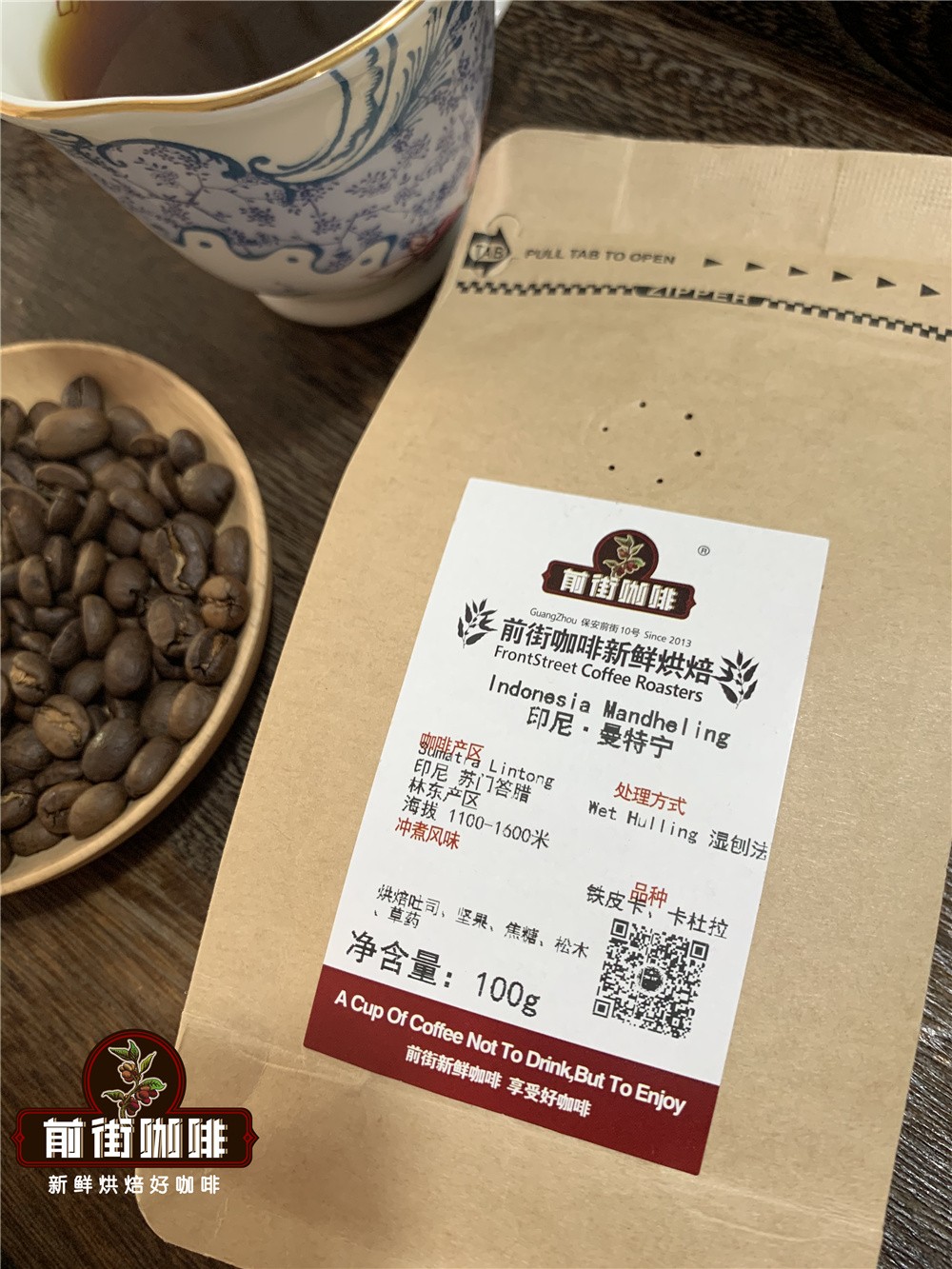
The grading system in Sumatra usually names coffees based on their origin, processing mills, and methods. Take the Lintong region for example — it is located in northern Sumatra, surrounded by the famous highland lake, Lake Toba, at an altitude of about 900 meters. The Lintong Mandheling produced here uses the locally common wet hulling method, resulting in rich herbal and earthy aromas. Though its screening criteria are relatively basic, it still showcases the unique character of Mandheling, making it suitable for beginner pour-over enthusiasts.
When it comes to higher quality options, PWN company must be mentioned. Established in 1957 as a trader, it originally focused on exporting Indonesian specialties such as rubber and spices. Its headquarters are in Medan, a major port city in Sumatra, and it is run by a Chinese family. Over the years, PWN has been dedicated to sourcing premium coffee beans from various regions of Sumatra, especially high-grade batches from the Mandheling growing area. Its coffee offerings are mostly specialty grade, and it has successfully built the well-known "Golden Mandheling" brand.
"Golden Mandheling" is a registered trademark of PWN. This means that only Mandheling beans bearing the PWN brand and official certification can rightly be called "Golden Mandheling." To identify the authentic product, look for a clear PWN logo on the jute sack and check for an origin certificate issued by PWN. These two pieces of information are key to verifying authenticity, so pay close attention when purchasing.
To understand the uniqueness of Indonesian coffee, one must learn about the wet hulling process. Due to Sumatra’s year-round hot and humid climate with frequent rainfall, traditional sun-drying or washed processing methods are difficult to implement here. Wet hulling is an efficient processing technique born out of this climatic context: the coffee fruit's skin and pulp are first removed, then the beans are briefly fermented for several hours before being manually brushed to remove residual mucilage. Next, the parchment-covered beans are dried to around 30%–40% moisture content over about 2–3 days before being sent to the mill for hulling.
During the hulling process, due to the high friction of the machine, the tightly wrapped parchment layer is forcibly stripped away, often accompanied by the discharge of white or greenish viscous liquid, which makes the surface of the beans soft, whitish, or even slightly gray-green. At this stage, the beans are also prone to developing small cracks or "nicks" at the ends due to mechanical action, commonly known as "elephant ear beans." After hulling, the green beans dry more quickly and are typically dried to 12%–13% moisture content before packaging for export. However, because the process is fast, the rate of defective beans is relatively high, so multiple rounds of manual sorting are required before export to meet Indonesia’s G1 grade standard (no more than 11 defective beans per 300 grams).
Indonesia’s green bean grading system is mainly based on the number of defects and bean size. G1 is the highest grade, requiring no more than 11 defective beans in a 300-gram sample, and no issues such as insect damage or mold. The moisture content must be below 12.5%, and impurity rate less than 0.5%. Common additional screenings include DP (double picked) and TP (triple picked), with more rounds of screening indicating a more refined quality.
PWN is even stricter in its bean selection, purchasing only G1 grade beans that are 18+ screen size, and requiring fewer than 3 defective beans per 300 grams. In addition to multiple machine sorts and hand-picking, PWN also uses density and color sorting equipment to ensure uniformity in appearance and size of each Golden Mandheling bean, thereby enhancing overall extraction consistency and flavor expression.
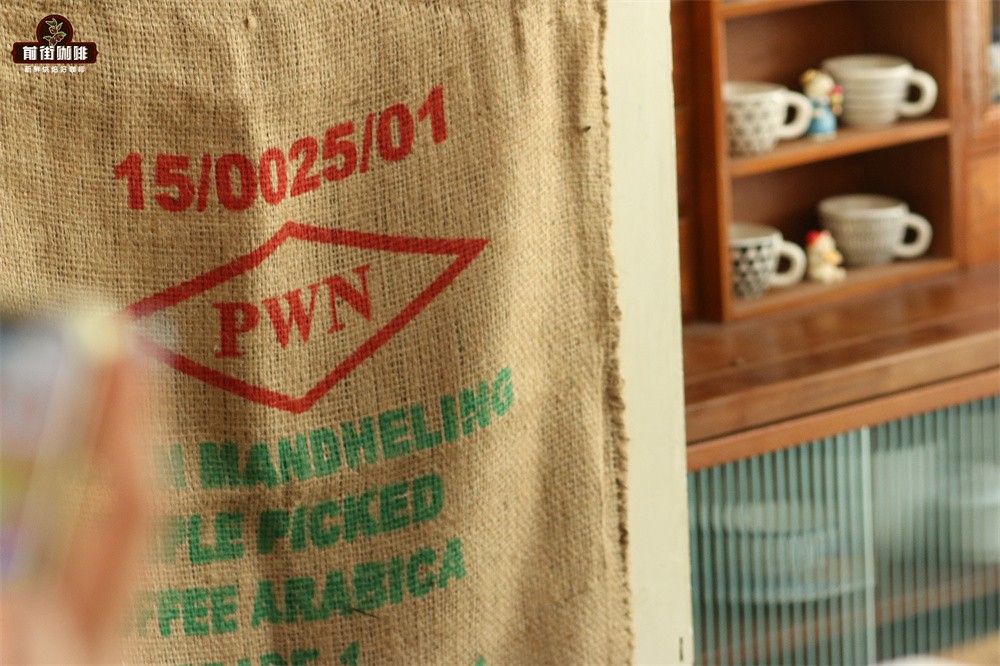
It’s worth mentioning that PWN registered the "Golden Mandheling" trademark well before Japan did, so any product on the market claiming to be "Golden Mandheling" that is not from PWN usually has to be sold under other names such as "Dingshang Mandheling." When purchasing, make sure to recognize the PWN trademark and official origin certificate on the package to ensure you’re getting the genuine product.
In terms of roasting and brewing, many professional roasters opt for medium-dark roasts to highlight the herbal, spicy, and full-bodied characteristics unique to Mandheling. Cupping results from one brand show that Lintong Mandheling is dominated by rich notes of chocolate, brown sugar, and nuts, with a herbal aftertaste; while Golden Mandheling exhibits more layers — from the dry fragrance you can detect pine, nuts, and spice tones, and during brewing it releases the sweetness of licorice and caramel. It offers a clean mouthfeel, a distinct aftertaste, and a full body with a long-lasting finish.
For Golden Mandheling, professional baristas recommend the following pour-over parameters: water temperature controlled at 87–88°C, around 15 grams of coffee grounds, with a 1:15 coffee-to-water ratio. Use a KONO filter and medium-coarse grind (about 70% passing through a #20 Chinese sieve). The brewing method involves three pours: the first bloom pour of 30 ml to initiate gas release; the second pour of 100 ml to bring out golden crema and lift the coffee bed; and finally a gentle center pour of 95 ml to enhance sweetness and flavor balance, fully showcasing the layered flavors of this classic Mandheling.
The above content is compiled by CoffeeHunters, a coffee news website.


