








Introduction:Want to dive deep into Mandheling coffee from Lake Toba in Sumatra, Indonesia? This article covers everything from the origin of the name "Mandheling", the geographical background of the producing region, to the rigorous selection standards of PWN Golden Mandheling, its flavor characteristics and roasting recommendations, and finally provides KONO filter brewing parameters for a three-stage pour over — helping you master how to brew a cup of rich, full-bodied, caramel-sweet premium Mandheling.
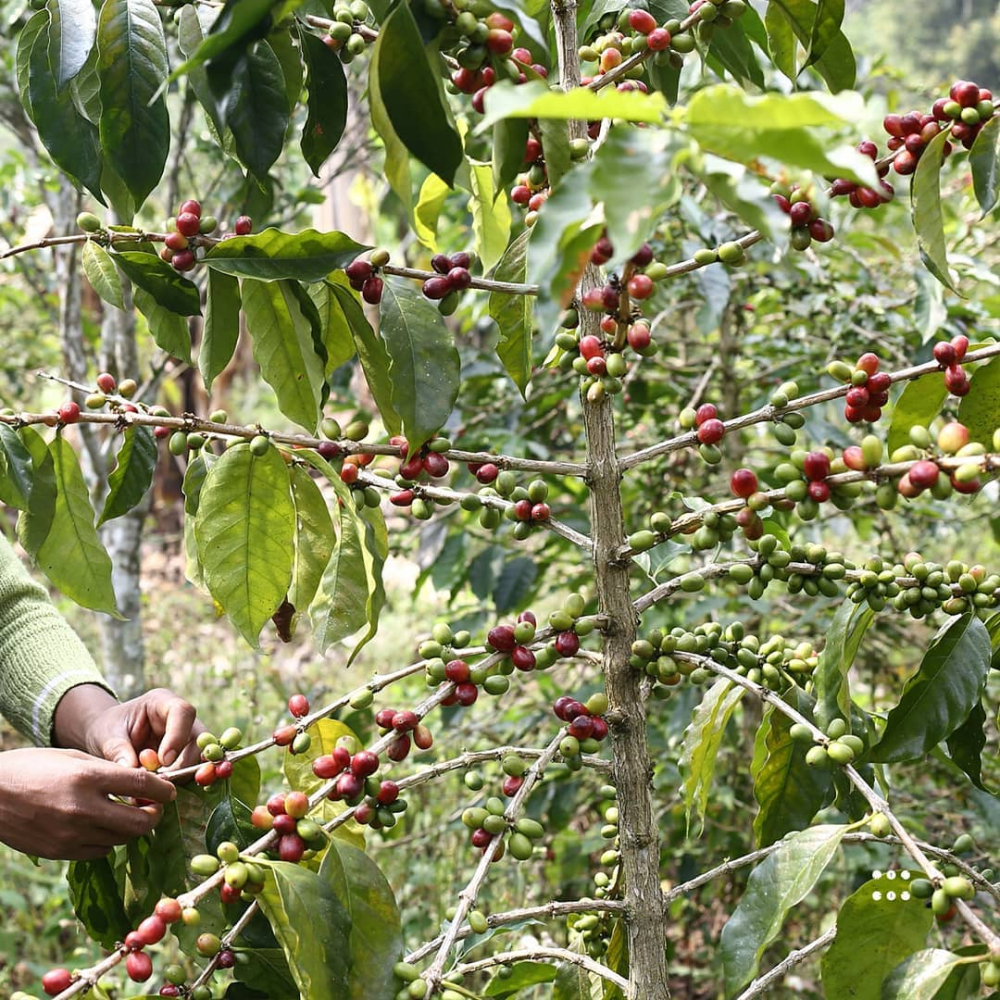
When it comes to coffee with a bold and layered taste profile, Mandheling from Lake Toba in Sumatra, Indonesia, is undoubtedly a top choice for many coffee enthusiasts. But did you know that the name "Mandheling" is not a coffee variety but actually derived from the name of an Indonesian ethnic group? The mountainous areas around Lake Toba, with their moderate altitude and unique climate, give Mandheling its distinctive heavy body and low acidity, making it one of the most recognizable coffee-producing regions in the world.
The Beginnings of Coffee Cultivation in Indonesia
The history of coffee cultivation in Indonesia dates back to the 17th century, when the Dutch introduced the Typica variety from Sri Lanka and successfully planted it on Java Island. By 1699, Indonesia’s annual coffee exports grew rapidly, making it one of the world’s major coffee-producing countries. Later, the Dutch East India Company monopolized local coffee trade for over sixty years, gradually expanding cultivation areas to Sumatra, Sulawesi, and other regions. Among them, theLintong and Gayo highland regions around Lake Toba later became the representative areas for Mandheling coffee.
The Little Story Behind the Name "Mandheling"
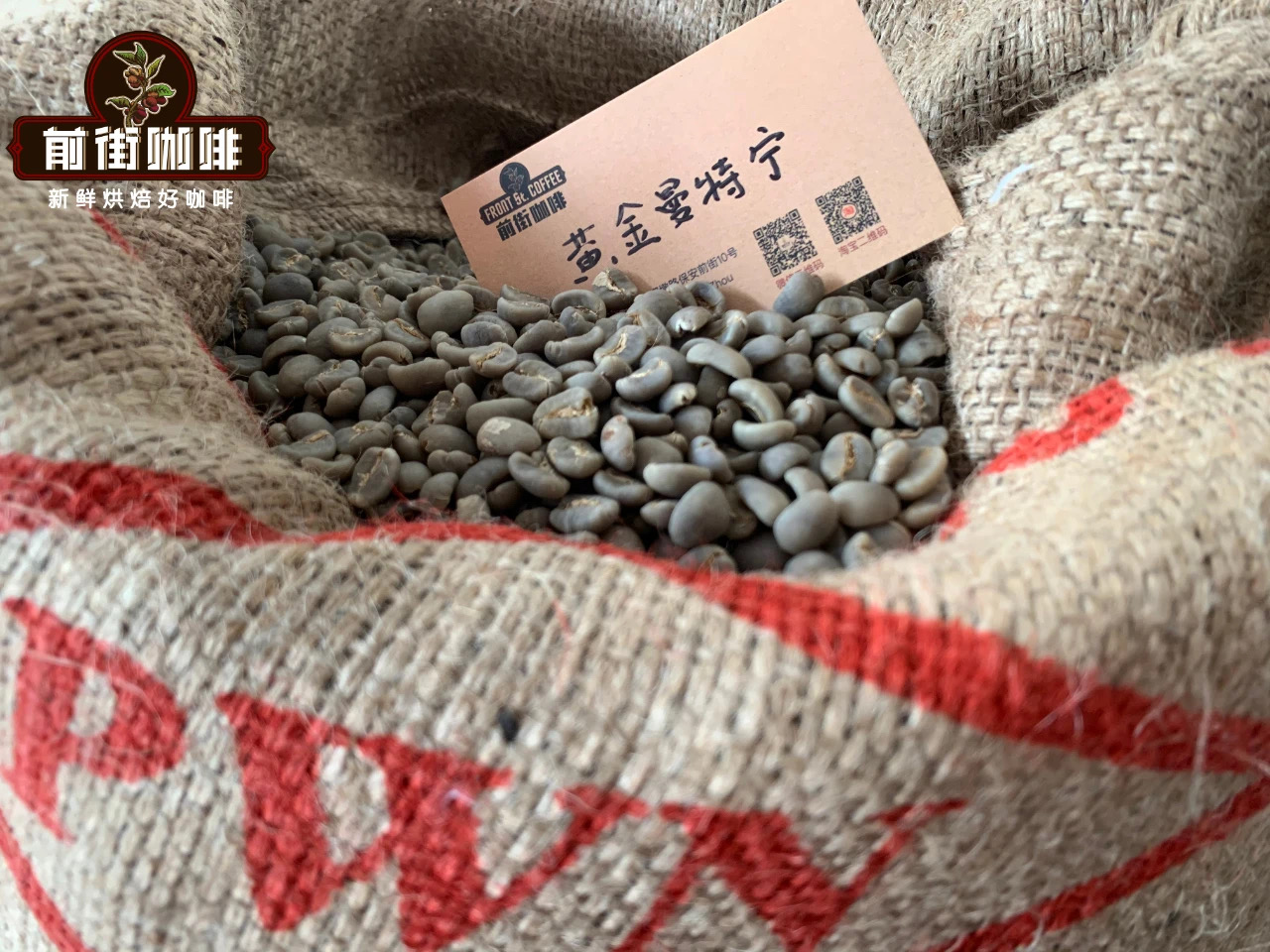
Interestingly, the term "Mandheling" actually originated from a linguistic misunderstanding. During World War II, Japanese soldiers stationed in Indonesia were deeply impressed by the local coffee. After the war, when they tried to purchase it through traders, due to language barriers, locals referred to themselves as being from the "Mandailing" tribe, which was misheard as "Mandheling". The name caught on and eventually became synonymous with a coffee brand. Later, Indonesia’s PWN Coffee Company further popularized the name, turning it into a symbol of high-quality Mandheling.
Not All Sumatran Coffee is Called Mandheling
Only coffee grown in the mountainous areas around Lake Toba in Sumatra can be called Mandheling. The region sits at an altitude of around 900 meters and mainly cultivates Typica and its variants, with the Lintong and Gayo highland regions being the most well-known. In the early days, PWN primarily sourced coffee from the Lintong region, but switched its focus to the Gayo highlands in 2020. The coffee packaging also changed from the original 60kg sacks to 30kg bags for easier market distribution.
The Rigorous Selection Process of PWN Golden Mandheling
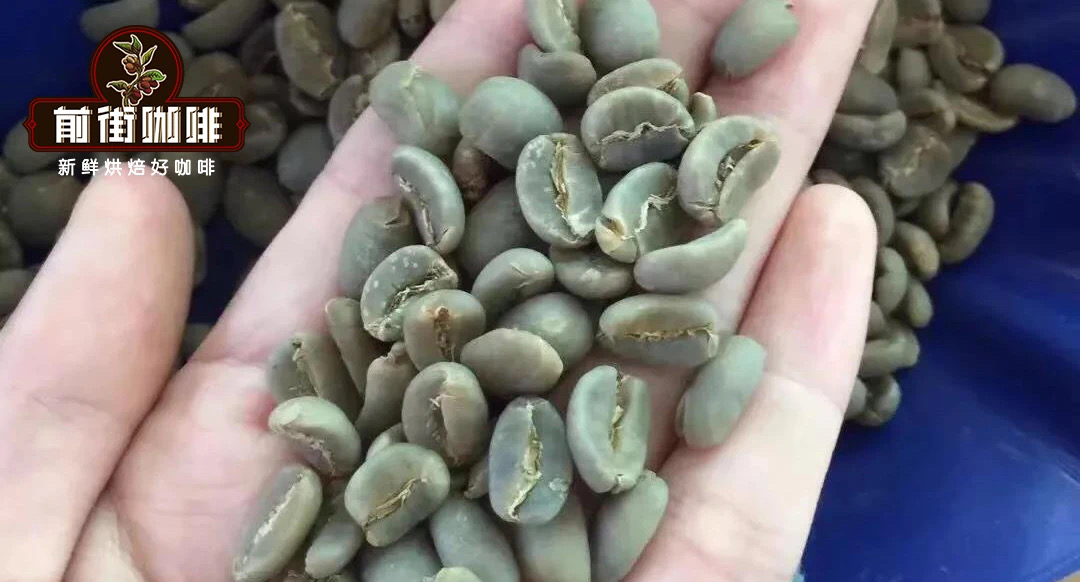
PWN enforces extremely strict selection criteria for Golden Mandheling: only green beans sized at 19 mesh are chosen, with no more than 3 defective beans per 300g sample, classifying it as G1 — the highest grade. The beans are dark green in color, uniform in shape, and mostly flat beans. Through density sorting, color sorting, and up to four rounds of meticulous manual selection, PWN ensures that the final green beans are not only consistent in appearance but also highly stable in quality. It is said that under sunlight, Mandheling beans can exhibit a golden sheen, which is one of the sources of the name "Golden Mandheling".
In addition, all PWN-exported Golden Mandheling is packed in jute sacks bearing the PWN logo, accompanied by official factory certificates to help consumers and businesses identify authentic products.
Flavor Profile and Roasting Recommendations
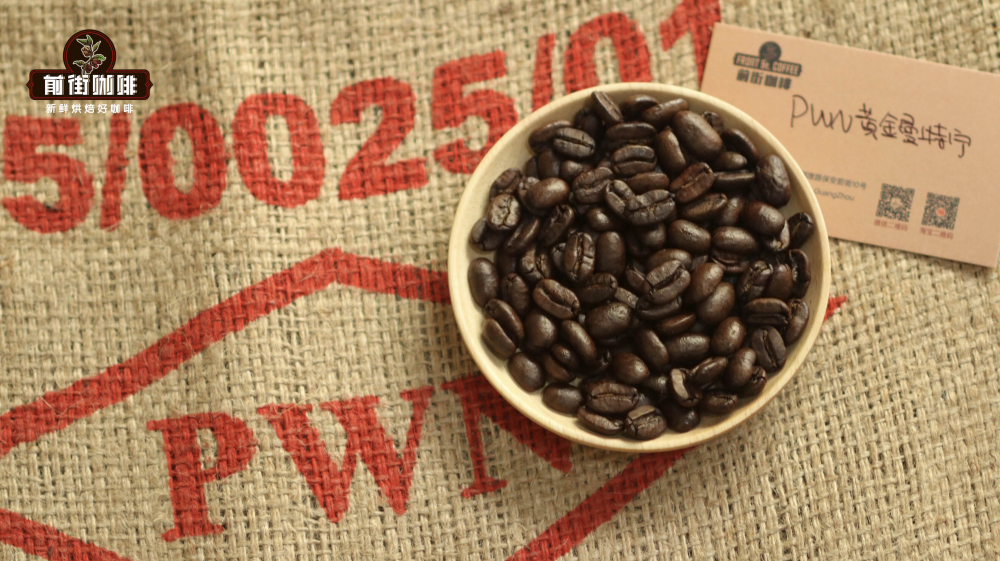
Through rigorous selection, Golden Mandheling successfully eliminates the earthy and musty off-flavors often found in regular Mandheling, resulting in a cleaner, brighter taste with prominent sweetness, often accompanied by notes of nuts, dark chocolate, and subtle caramel aromas. For roasting, to balance body and overall clarity, a medium-dark roast is recommended. Using a medium-sized roaster like the Yangjia 800N, with an inlet temperature of about 200°C, carefully control the first crack timing and heat application, with a final drop temperature of around 204.5°C. This approach highlights the captivating nuttiness and moderate caramel sweetness.
Pour Over Parameters and Techniques: How to Brew Rich Body and Sweetness?
To recreate the flavor characteristics of Golden Mandheling at home, the choice of brewing equipment and parameters is crucial. It is recommended to use the KONO filter for a three-stage pour over. Its unique curved design and fewer drainage holes help create an immersion-style extraction, delivering a rounder and fuller taste, especially suitable for dark roasted beans. Compared to V60, the KONO better highlights the full body and layered sweetness of Mandheling.
Key Brewing Parameters are as follows:
- Grind Size:Medium-coarse grind, recommended using a Chinese Standard No. 20 sieve, with about 70% passing rate
- Water Temperature:87–88°C, to avoid overly high temperatures causing excessive extraction and bitterness
- Coffee Dose:15 grams
- Coffee-to-Water Ratio:1:15
- Filter:KONO
Three-Stage Pouring Steps:
- First Stage – Bloom:Pour 30ml of hot water to help release gases and initiate extraction
- Second Stage:Pour 100ml, focusing on drawing out the golden crema and lifting the coffee bed
- Third Stage:Pour 95ml centered, gently finishing to enhance sweetness and body
Note: Medium-dark roasted Mandheling has strong water absorption; too fine a grind or too high a temperature can easily release off-flavors. It’s recommended to fine-tune water temperature and grind size based on actual taste to find your ideal balance.
The above content is compiled by CoffeeHunters, a coffee news website.


