







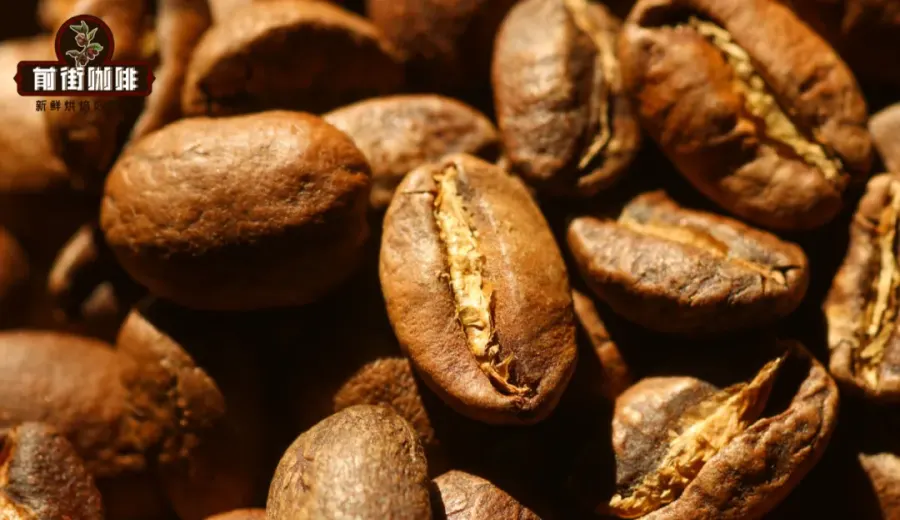
Introduction:The Geisha coffee from Panama’s Hacienda La Esmeralda is renowned for its unique flavor profile and rigorous grading system. What do the Red Label, Green Label, and Blue Label represent in terms of grade? How do they differ? This article provides a detailed overview of the estate’s history, regional distribution, cupping characteristics of the three grades, recommended roast profiles, and pour over brewing tips to help you choose the right Geisha based on your taste preferences and master the optimal extraction method.
The Geisha coffee from Panama’s Hacienda La Esmeralda is a standout in the global specialty coffee market. With its delicate flavors and strict grading system, it has become a dream coffee for many enthusiasts. Among them, the Red Label, Green Label, and Blue Label are the three most frequently discussed grades—but what exactly differentiates them? How can you choose based on your own taste? This article will break down the origins, processing methods, flavor profiles, as well as recommended roast and pour over parameters of these three grades in an easy-to-understand way, helping you grasp the essence of Geisha from beginner to advanced levels.
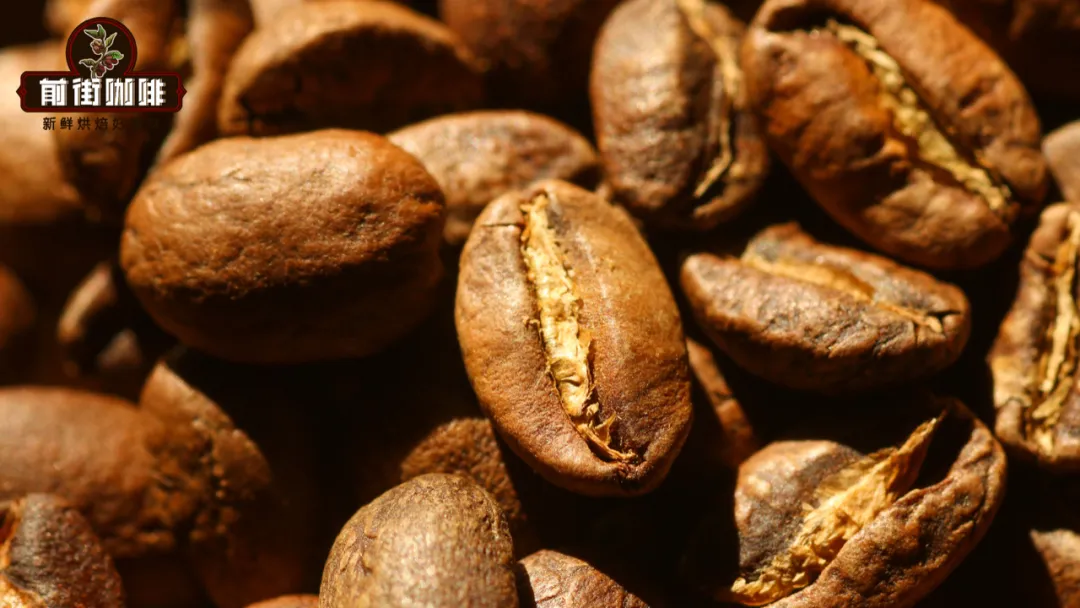
When talking about Panamanian Geisha, one must mention the development history of Hacienda La Esmeralda. The estate originated in 1964 when American banker Rudolph Peterson purchased a pasture in the Boquete region of Panama, initially used mainly for cattle farming. It wasn’t until 1987 that his son, Price, abandoned his medical career and introduced the Caturra and Catuaí varieties, transforming the farm into a coffee plantation and officially naming it Hacienda La Esmeralda. In 1994, the estate built its own wet processing mill, and in 1996 acquired the neighboring Jaramillo Estate—an acquisition that would later prove pivotal to the discovery of Geisha.
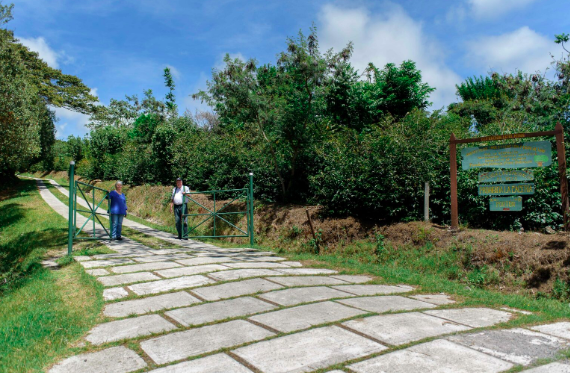
Before being taken over by Hacienda La Esmeralda, Jaramillo had long been abandoned, with coffee trees growing in the wild. In 1997, Price’s son, Daniel, discovered some tall and distinctive coffee trees in the estate. After identification, they were confirmed to be the Geisha variety originating from Costa Rica, originally introduced to resist leaf rust but later phased out by most estates due to low yield. Daniel, however, saw its potential, transplanted it to higher-altitude sections, and in 2004, with this Geisha from the Mario plot, won the Best of Panama (BOP) competition, thereby establishing the estate’s status in the specialty coffee world.
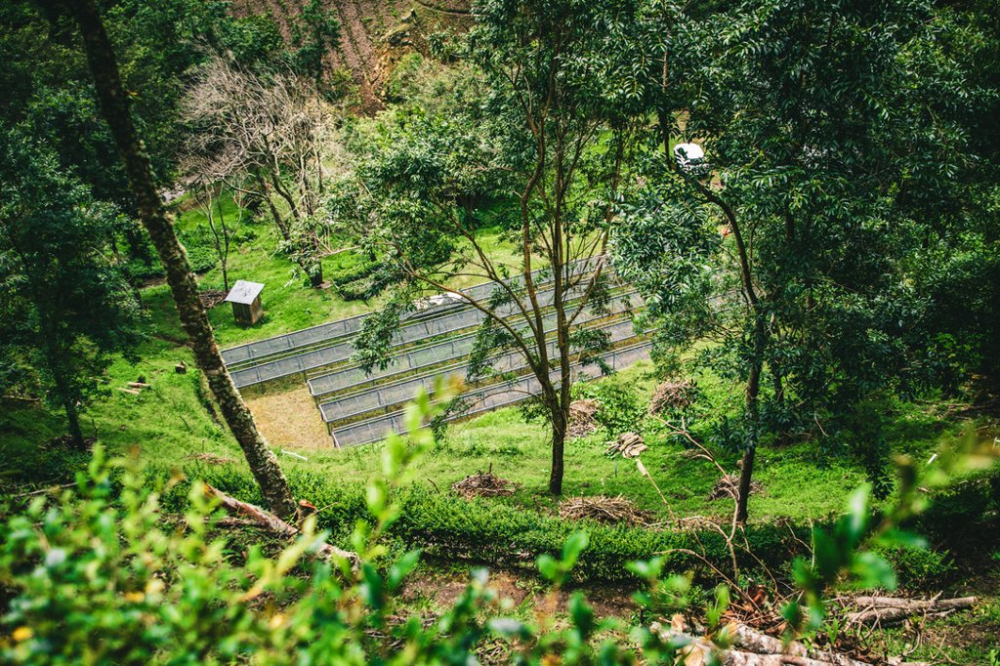
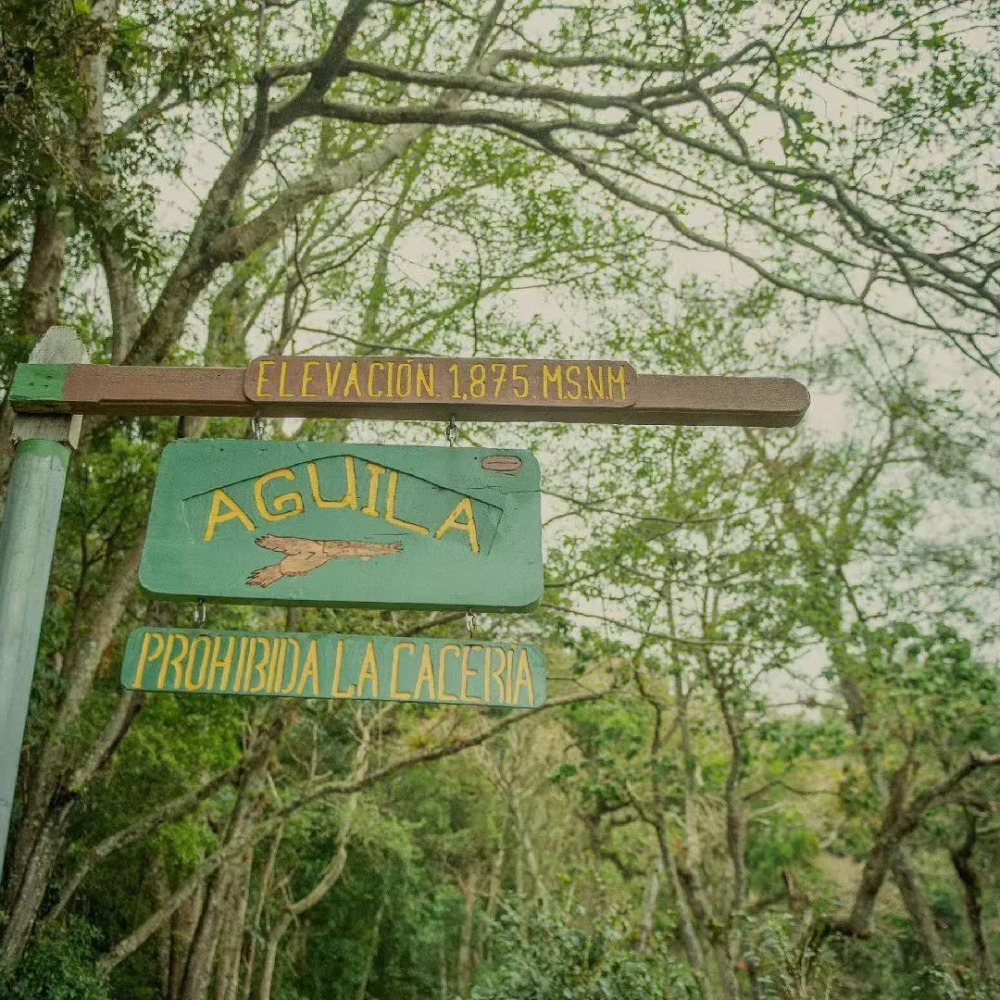
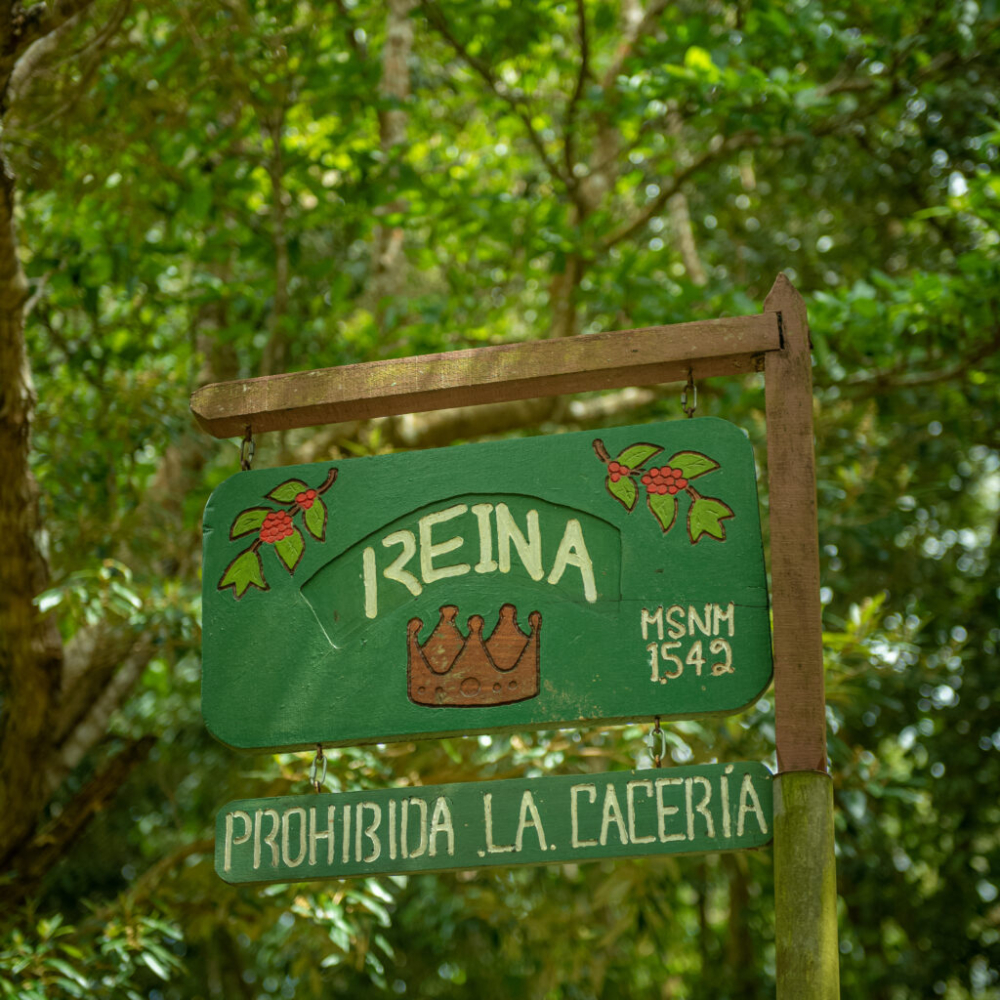
Currently, Hacienda La Esmeralda primarily grows Geisha in three main sections: Jaramillo, Cañas Verdes, and El Velo. The first two are the main sources of Red Label and Green Label Geisha. Jaramillo is located at high altitude, with an average annual temperature of 19–25°C and annual rainfall as high as 4000 mm, making its microclimate extremely suitable for Geisha cultivation. It is further divided into five sub-plots, including Mario, Noria, and Reina. Cañas Verdes is also around 1600–1800 meters in elevation and includes nine sub-sections such as Lino, Coronado, and Fundador. The El Velo plot is a more recently acquired area, with even higher average elevation between 1700–1900 meters and a more diverse range of planted varieties.
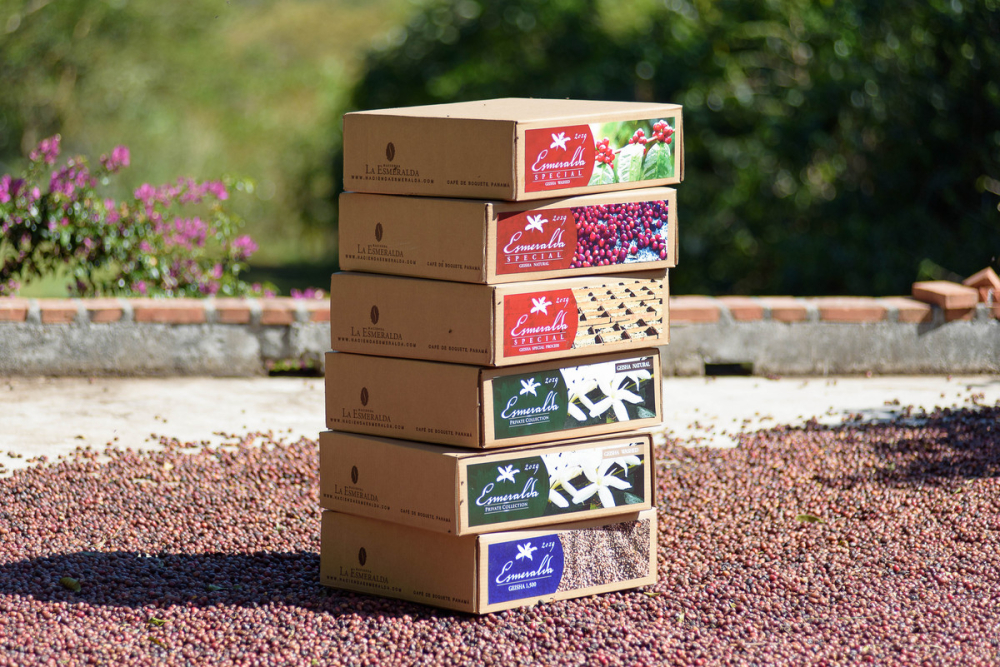
Hacienda La Esmeralda employs a rather unique market grading strategy for Geisha, categorizing its offerings into multiple brands based on origin, cupping scores, and processing methods. The main three directly related to Geisha are: Esmeralda Special (i.e., Red Label), Private Collection (i.e., Green Label), and Geisha1500 (i.e., Blue Label). Additionally, the former Blue Label auction lots were upgraded in 2022 to an independent brand called “Esmeralda Auction,” available only through bidding. That year, the winning bid set a historic record of $2,755 per kilogram.
The Red Label Geisha, also known as the Esmeralda Special series, consists of micro-lots sourced from the Jaramillo and Cañas Verdes regions, grown at altitudes of 1600–1800 meters and scoring above 90 points in cupping. It clearly indicates origin and processing method. This grade typically uses either natural or washed processing, with the natural process often showcasing particularly outstanding flavor performance. Common aromatic notes include rose, citrus, berries, and honey, with a rich and layered taste profile. A well-known brand often recommends the Red Label from the Mario plot using natural processing—the very plot that won the championship in 2004.
The Green Label, also called Private Collection, is a micro-lot blend of Geisha with similar altitude to the Red Label but without specific origin labeling. Though not as refined as the Red Label, this grade still retains the classic floral and fruity characteristics of Geisha, such as jasmine, citrus, berries, and honey, offering a bright and refreshing acidity. Notably, the Green Label has in recent years only been offered in washed versions, making it a relatively accessible yet still high-quality choice for consumers who prefer a cleaner cup.
The Blue Label, or Geisha1500, is the most affordable among the three grades. It comes from Geisha grown at around 1500 meters in altitude. Although slightly lower in elevation, it still exhibits distinct citrus, honey, and jasmine notes, offering great value for money and suiting beginners exploring the unique charm of Geisha. In the past, the Blue Label also came in both natural and washed versions, with slight flavor differences: the natural process had intense fruitiness and fermentation notes, while the washed version was crisper, with an oolong tea and brown sugar finish.
In terms of roasting, a well-known brand recommends a light roast for Geisha to preserve its rich floral and fruity acidity. For the Red Label, which usually consists of high-altitude natural beans, it suggests an entry temperature of 150°C, first crack starting at 8’10”, and drop temperature around 189.5°C, emphasizing delicate and layered flavors. For the Green Label, the entry temperature is slightly increased to 160°C, first crack begins at 7’50”, and drop temperature is 192.5°C, aiming to bring out brighter acidity and aroma. The Blue Label, due to its lower altitude, uses a higher entry temperature (180°C), first crack at 8’30”, and drop temperature controlled at 190°C, with the goal of enhancing aroma release while maintaining a clean cup.
For extraction and pour over recommendations, it is suitable to use a Hario V60 dripper, with water temperature controlled at 90°C. The recommended powder-to-water ratio is 1:15, and grind size is medium-fine (approximately 80% passing through a Chinese No. 20 sieve). A well-known brand recommends a three-stage pouring method: start with 30 grams of water for a 30-second bloom, then pour in small streams up to 125 grams for the first pour, followed by pouring up to 225 grams. Total extraction time is about 2 minutes. This method effectively balances acidity, sweetness, and aroma, and is suitable for all three Geisha labels—Red, Green, and Blue.
In summary, the Geisha coffee from Hacienda La Esmeralda stands as a benchmark in the global coffee market, thanks to its strict regional management, diverse grading system, and outstanding processing techniques. The Red Label is ideal for advanced enthusiasts seeking ultimate flavor and origin transparency, the Green Label offers a balanced flavor and great value, and the Blue Label is perfect for beginners to experience the unique charm of Geisha. No matter which grade you choose, mastering the correct roast and extraction parameters will allow you to fully appreciate the boundless potential of this top-tier coffee.
The above content is compiled by CoffeeHunters, a coffee news website.


