







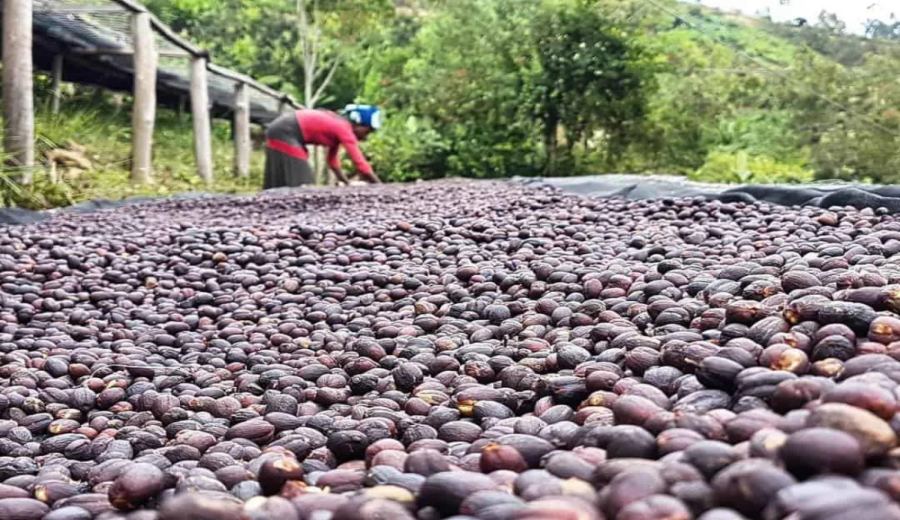
Introduction:As one of Ethiopia’s most iconic specialty coffees, Yirgacheffe is renowned for its unique jasmine floral notes, citrus acidity, and tea-like body. This article delves into its regional characteristics and flavor profile, explaining why a light to medium roast best highlights its delicate aromas. It also guides you step-by-step through the key techniques for brewing cold brew with washed Yirgacheffe beans — including coffee-to-water ratio, extraction time, and storage tips — so you can easily make a refreshing and pleasant ice drip coffee at home.
Yirgacheffe, located in southern Ethiopia, is a renowned coffee-growing region and a flavor mecca for specialty coffee enthusiasts worldwide. Situated on the eastern edge of the East African Rift Valley, it boasts high altitudes and a cool climate, fostering the growth of Arabica beans with exceptionally nuanced flavors. The name “Yirgacheffe” now represents not just a small town, but a distinctive flavor profile — bright florals and fruits, vibrant acidity, and a soft tea-like finish, making it a favorite entry point for those exploring single-origin coffees.
Compared to the bold and heavy profiles of Indonesian Mandheling or the common nutty-chocolate tones of Brazilian coffee, Yirgacheffe offers a lighter, more vibrant flavor direction. To preserve its delicate aromatic compounds and layered fruit acidity,a light to medium roastis the most suitable processing method. This roast level not only minimizes the development of burnt bitterness, but also enhances subtle caramel sweetness, resulting in a richer, more dynamic cup — whether brewed via pour over, drip bags, or even cold brew, its unique charm shines through.
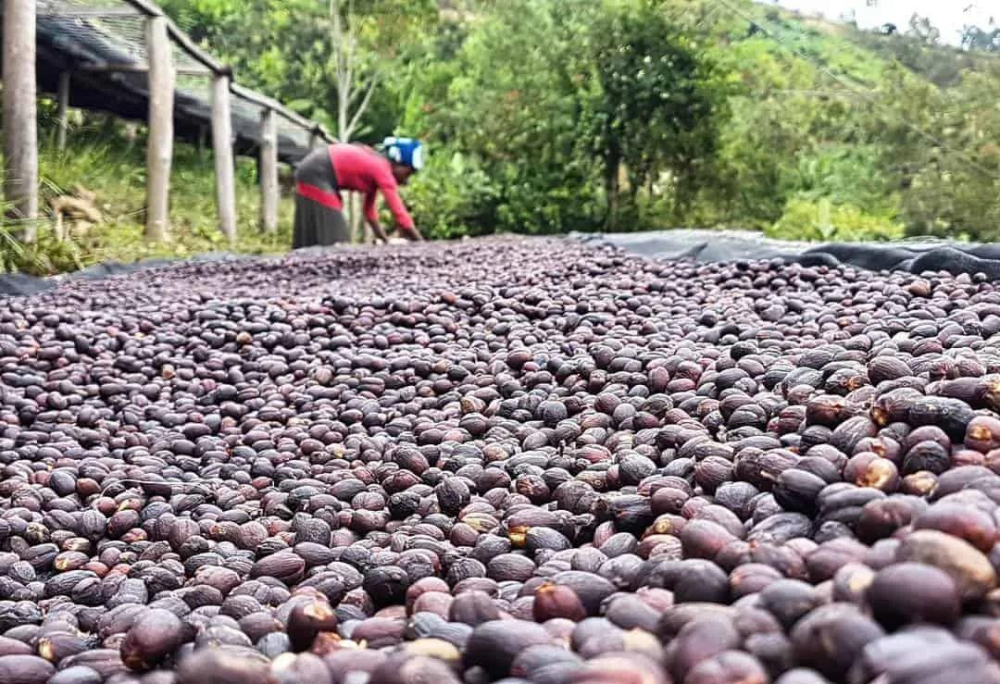
The flavor spectrum of Yirgacheffe is remarkably diverse, often described as jasmine, lemon, peach, apricot, and a tea-like aftertaste. In the case of washed processing, meticulous steps such as depulping, fermentation, and washing highlight the bean’s inherent cleanliness and bright acidity. For instance, washed Yirgacheffe from the Fruit Ding Ding washing station is known for its high quality and consistent flavor. Upon opening the package, one is often greeted by fresh fruity aromas, including passionfruit, citrus, and berry-like tartness. After brewing, the cup delivers pronounced citrus acidity and berry sweetness, accompanied by almond notes and a tea-like body, with a honey-like, smooth sweetness lingering in the finish — overall, a clean and layered experience that remains refreshingly vibrant.
To brew a refreshing and pleasant cold brew with Yirgacheffe, it’s essential to master several core elements: thefreshnessof the coffee beans,coffee-to-water ratio,extraction time, and appropriatestorage method. The following details each step and precaution, allowing you to replicate a professional-grade cold brew flavor at home with ease.
First,the optimal freshness periodof the coffee beans is crucial. Generally, the 4th to 30th day after roasting is the golden window for flavor expression, during which floral and fruity aromas are at their peak, and acidity and sweetness are well-balanced. Beyond 30 days, the aroma gradually fades, and around the 50-day mark, you may be left with only woody notes and bitterness. Therefore, to experience Yirgacheffe at its most captivating, it’s recommended to use the beans as soon as possible after roasting. The beans mentioned in this article are shipped within 5 days of roasting to ensure they arrive in optimal condition.
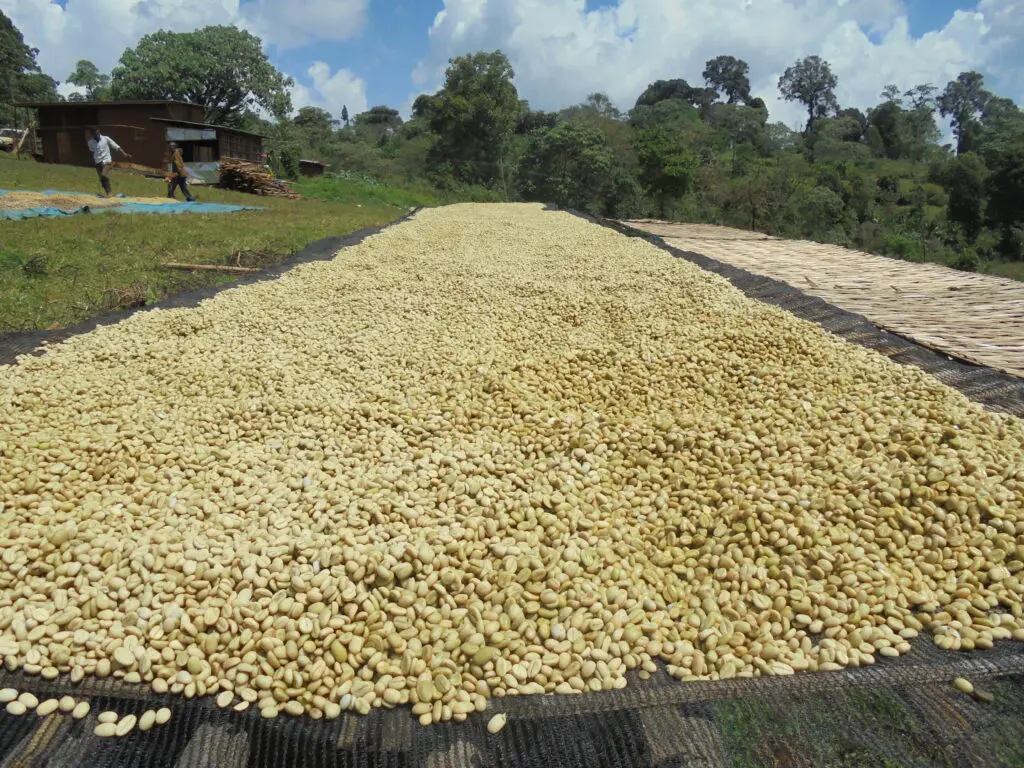
Steps to make cold brew coffee:
1. Take 40 grams of Yirgacheffe washed beans ground to a medium-fine to fine consistency (if using coffee powder from the Fruit Ding Ding washing station). It is recommended to use a coffee-to-water ratio of 1:12, meaning 40 grams of coffee powder to 480 grams of room-temperature water.
2. Prepare aclean, oil-free, and well-sealed containerwith a capacity of at least 600 milliliters to avoid interference from unwanted odors.
3. Pour the coffee powder into the container, then slowly add room-temperature water while gently stirring to ensure all coffee grounds are evenly saturated and fully in contact with the water.
4. After stirring, seal the container and place it in the refrigerator, letting it steep for 8 to 12 hoursto allow the coffee flavors to slowly extract.
5. Once the extraction time is complete, take out the container and thoroughly filter out the coffee grounds using a filter cloth, paper, or sieve. Your freshly made cold brew is now ready to enjoy, or you can bottle it and continue refrigerating.
6. It is recommended to consume the coffee within72 hours after filteringto achieve the best flavor. If refrigerated, while some suggest it tastes even smoother after 7 days, prolonged storage can lead to noticeable fermented notes that may mask the coffee’s original refined layers. Especially for those who dislike fermented flavors, it’s best to drink it within 2 to 3 days.
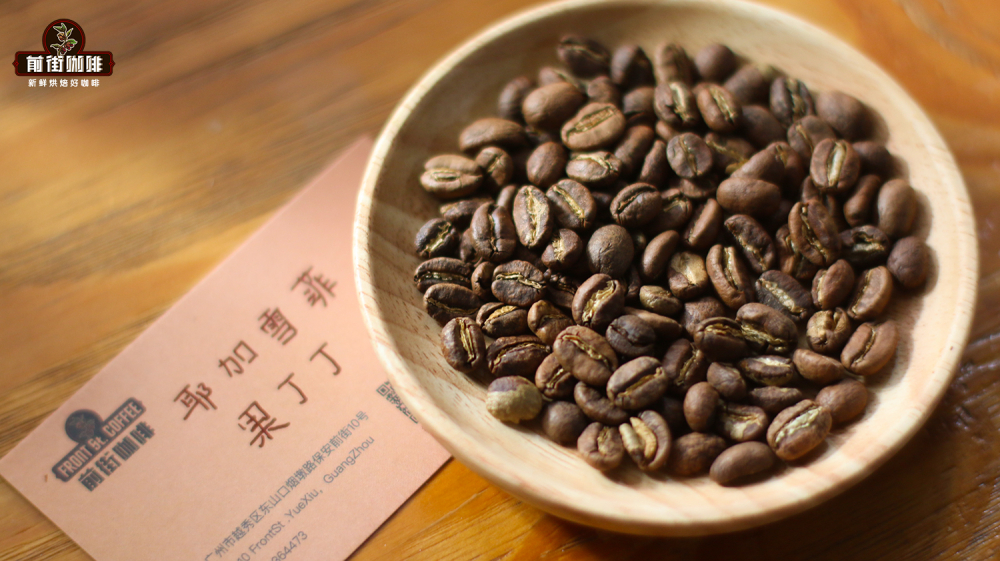
Additionally, due to the low extraction temperature, cold brew typically has a slower flavor release, resulting in an overall profile that is cleaner, lower in acidity, and more refreshing — ideal for those who prefer subtle taste experiences. If you want to add variety, try adding some ice cubes when drinking; this not only maintains a cooler temperature but also dilutes the brew slightly to enhance its layered complexity. Be aware that once cold brew is reheated, fermented or off flavors may become more apparent, so it’s best enjoyed chilled to fully highlight its fresh and clean qualities.
In summary, Yirgacheffe stands as a classic representative of light to medium roasted coffees, celebrated for its distinctive floral and tea-like characteristics. Whether you choose pour over, drip bags, or decide to explore cold brew, as long as you manage the beans’ freshness, proper coffee-to-water ratio, and extraction time, you’ll effortlessly enjoy the layers and surprises that this Ethiopian specialty coffee has to offer.
The above content is compiled by CoffeeHunters, a coffee news website.


