







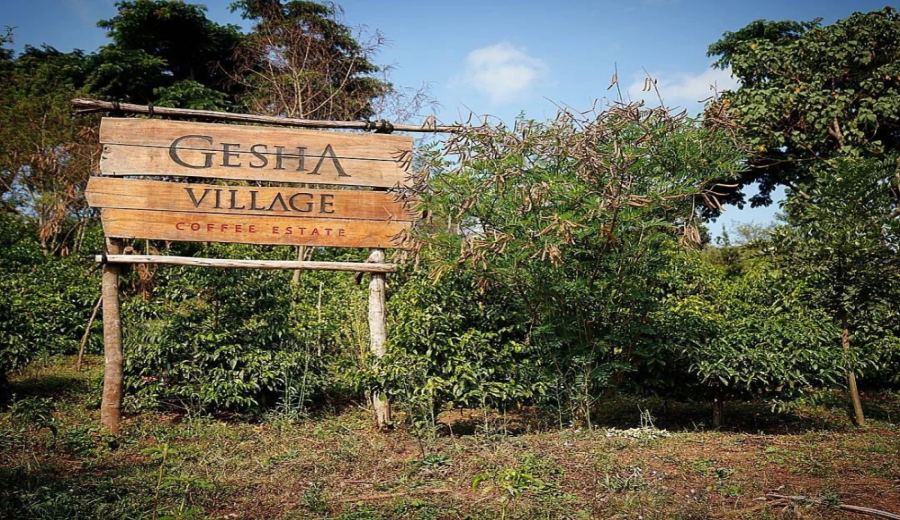
Introduction:Gain an in-depth understanding of the rigorous grading system at Ethiopia’s Gesha Village, from Gold Label to Green Label, and explore the varietal differences and processing methods across its various lots. This article details the sun-dried processing specifics of the Gesha 1931 variety, accompanied by professional pour over recommendations and an authentic flavor profile to help coffee enthusiasts accurately recreate a high-level cupping experience.
Ethiopia’s Gesha Village is renowned in the industry for its meticulous grading system. Its coffee beans are categorized into five classes: Auction, Gold Label, Red Label, Green Label, and Chaka. The establishment of this system stems from the estate owner’s pursuit of ultimate quality, ensuring each product showcases the purest flavor potential of the region through strict annual cupping selections.
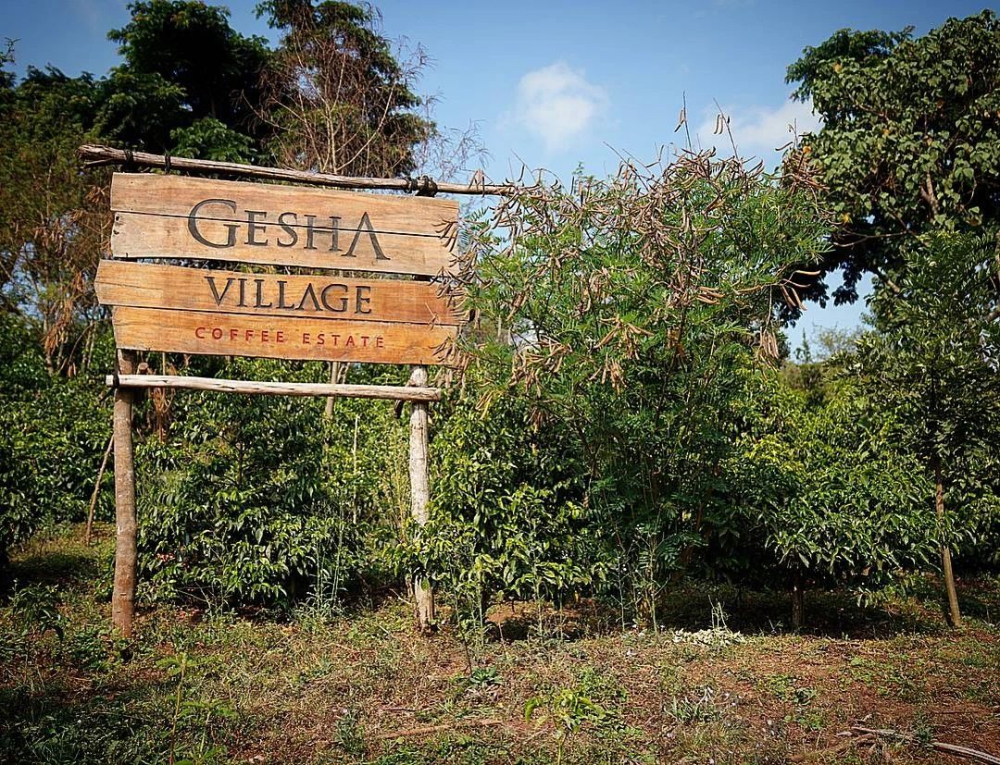
Gesha Village is located within the Gesha Forest in the Bench Maji region, spanning a vast planting area of 475 hectares. For precise management, the farm is divided into eight independent lots, primarily cultivating three native varieties: Gori Gesha, Gesha 1931, and IIIubabor. Although situated in the same region, the coffee produced in each block exhibits unique characteristics in aroma and taste due to differences in elevation and variety.
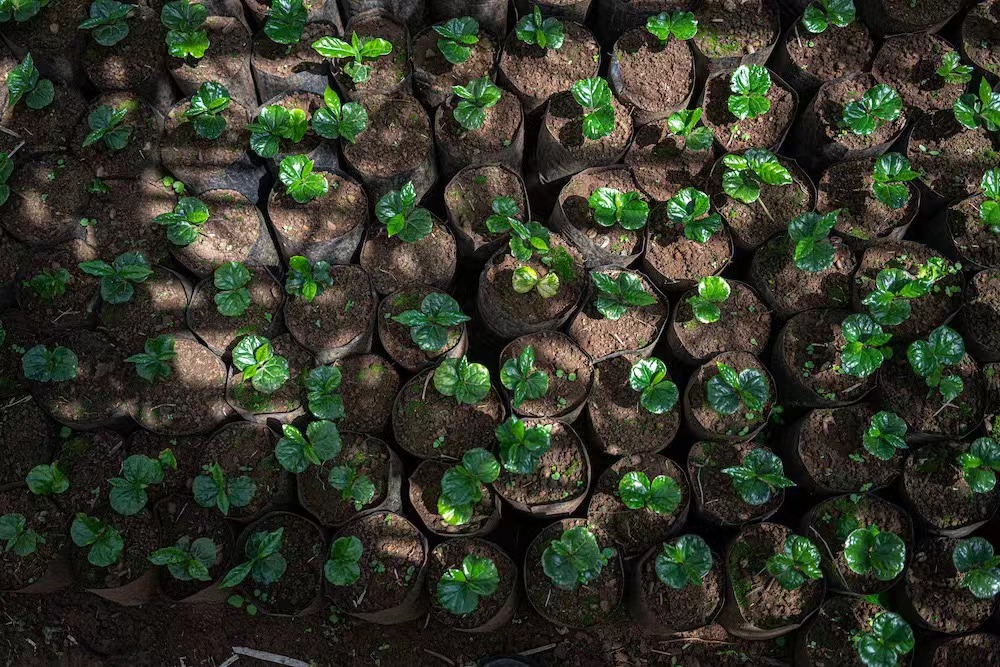
Among the three main varieties, Gori Gesha, as a native cultivar, occupies the largest planting area at 139 hectares, accounting for approximately 43.7% of the entire estate. It possesses strong natural adaptability and often carries a wild, forest-like character. Gesha 1931, with its appearance and cupping traits similar to the well-known Panamanian variety, covers 118.8 hectares, making up 37.3% of the plantation and serving as the core material for many premium batches. In addition, a disease-resistant variety from Ethiopia’s IIIubabor forest accounts for 63.5 hectares (20%), providing a stable base yield.
Gesha Village subdivides its products into five grades based on quality and origin:AUCTION 競標Accounting for only 3.7% of the annual production, these are top-tier, collectible-grade beans, available only through international auctions.RARITIES 金標Making up 5% of production, these beans are known for their high complexity and comprehensive traceability information, and are the top choice for competition contestants and specialty roasters.GROWERS RESERVE 紅標Comprising 15% of production, these beans score 88 points or above in cupping and showcase representative flavors of their specific lots.SINGLE-TERROIR 綠標Emphasizes transparent tracking of single lots and processing methods.CHAKA 查卡Uses blended lots to lower the entry barrier.
Focusing on the commonly available Gold Label batches, one coffee brand imports product from the Oma lot, grown at elevations between 1931 and 2040 meters, with a focus on the Gesha 1931 variety. The beans undergo a 30-day natural sun-dried process. Workers first remove unripe cherries and impurities, then place the coffee fruits on African raised beds in thin layers for sun exposure. During drying, plastic sheets are used to help control temperature, and defective beans are manually sorted out multiple times. This lengthy drying process imparts a sweet and mellow base tone to the beans along with a gentle acidity, while accumulating complex fruit aromas.
Cupping results show that this batch of Gold Label Gesha exhibits pronounced berry sweetness, accompanied by the round fruit fleshiness of melon, the bright acidity of citrus, as well as chamomile floral notes and a tea-like finish. It should be noted that although named Gesha, this variety is still an Ethiopian native cultivar, without the long-term artificial selection seen in the Panamanian version. It differs genetically from Central and South American counterparts but presents distinctive regional characteristics.
For home brewing, it is recommended to use a medium-fine grind (approximately 78% passing through a #20 sieve), with water temperature controlled at 91°C and a coffee-to-water ratio of 1:15. The specific steps are as follows: the first pour uses double the coffee dose of water (around 30 grams) for a 30-second bloom to release carbon dioxide; continue with a slow, circular pour to reach a first interval of 125 grams, then increase to a total of 225 grams. The total extraction time is about 2 minutes and 10 seconds. After brewing, gently swirl the filter to homogenize the coffee liquid before drinking, allowing you to fully experience the berry sweetness, subtle red berry notes, as well as the lingering melon aftertaste and smooth, tea-like mouthfeel.
The above content is compiled by CoffeeHunters, a coffee news website.


