








Introduction:A deep dive into the core varieties of China’s Yunnan coffee-growing region — Typica and Catimor. From their historical origins and regional distribution to differences in processing methods, this guide offers a comprehensive overview of the characteristics of these two mainstream varieties. It also provides detailed brewing suggestions and flavor profiles to help coffee enthusiasts find the most suitable Yunnan small-bean coffee experience based on personal taste.
As China’s most representative coffee-producing region, Yunnan has long been known for its two main varieties: Typica and Catimor. These two coffees not only cover extensive planting areas but are also often the first choices for those new to domestic coffee. What exactly are the differences between them? Which one is worth savoring more deeply? This article will take you systematically through the historical background, regional environment, variety characteristics, as well as actual brewing and flavor performance, to understand the true profile of Yunnan small-bean coffee.
 The coffee story in China, although younger compared to the long-standing coffee culture of the West, features a uniquely distinctive development trajectory. Coffee was not a traditional beverage for the Chinese until it gradually entered China with foreign influences during the late Qing Dynasty. According to records, the earliest coffee trees were planted by French missionary Father Timothée in Zhukula Village, Binchuan County, Dali. These coffee trees not only mark the starting point of coffee cultivation in China but also bear witness to a piece of Sino-Western cultural exchange history from a century ago.
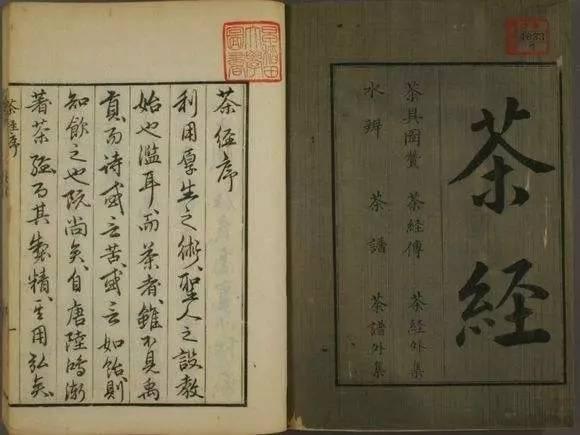 There are still various claims about the planting year of these coffee trees. Some say it was 1892, while others suggest 1903 or 1904, with 1904 generally considered the more credible date. Regardless of the exact year, the birth of these coffee trees laid the foundation for Yunnan to later become an important coffee-producing region in China.
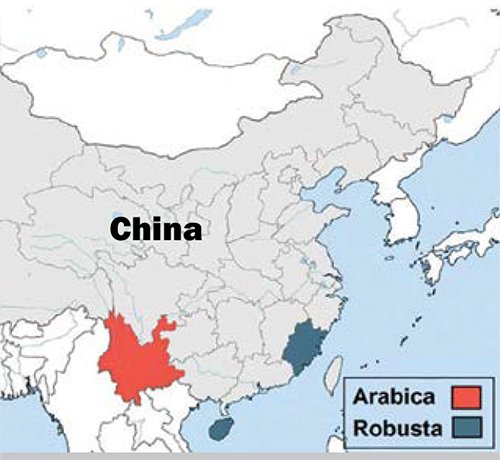
Yunnan’s ability to become a leading coffee-producing region in China is inseparable from its unique geographical conditions. Located between 15 degrees north latitude and the Tropic of Cancer, most of the region features highland terrain with altitudes generally ranging between 1,000 and 2,000 meters. The area enjoys significant diurnal temperature variations, abundant annual rainfall, and ample sunshine — all of which provide an ideal growing environment for Arabica varieties. In contrast, Fujian and Hainan, with their lower altitudes, mainly grow Robusta, whose quality and flavor generally fall short of that of Arabica produced at higher elevations.
 Currently, coffee cultivation in Yunnan is mainly concentrated in four major regions: Pu’er, Baoshan, Lincang, and Dehong. Among them, Dehong is renowned for its high altitude and organic farming practices. Many coffee farms here are situated at elevations exceeding 1,600 meters, with organic fertilizers and low-toxicity pesticides widely used in the cultivation process, resulting in outstanding coffee quality. Since introducing coffee seedlings in the 1950s, Baoshan has gradually built a stable production and sales chain. Its "Baoshan Small-Bean Coffee" even obtained national geographical indication protection in 2010. Lincang and Pu’er have also gradually developed their own unique coffee characteristics, leveraging favorable climatic conditions and a foundation in tea-growing regions.
When talking about Yunnan coffee, two core varieties must be mentioned — Typica and Catimor. Typica is one of the oldest Arabica varieties from Ethiopia, characterized by its slender bean shape and bronze-colored top leaves. It is celebrated for its elegant floral and fruity flavors, but it is relatively weaker in disease resistance and lower in yield. Catimor, on the other hand, was hybridized in 1959 by Portugal using Timor and Caturra. It carries partial Robusta lineage in its genes, giving it strong disease resistance and high yields. However, its flavor often features a heavier body and occasional off-notes, resulting in an overall bolder and more robust profile.
 In actual tasting, we can further appreciate the differences between varieties and processing methods through several classic washed and natural-processed Yunnan beans. Take the washed Typica from the Baoshan region as an example. Grown at an altitude of 1,200 meters, it exhibits distinct floral and fruity notes. The middle palate reveals a melon-like sweetness, while the finish delivers a mellow sensation akin to black tea. Recommended brewing uses a V60 filter, with water temperature controlled at 90–92°C, a 1:15 coffee-to-water ratio, and medium-fine grind (e.g., EK43s #10.5, approximately 75% passing through a 20-mesh sieve). Use a pulsed pouring method: start with a 30-second bloom, then pour to 124 grams, followed by a second pour to 227 grams. Total brew time is around 2 minutes.
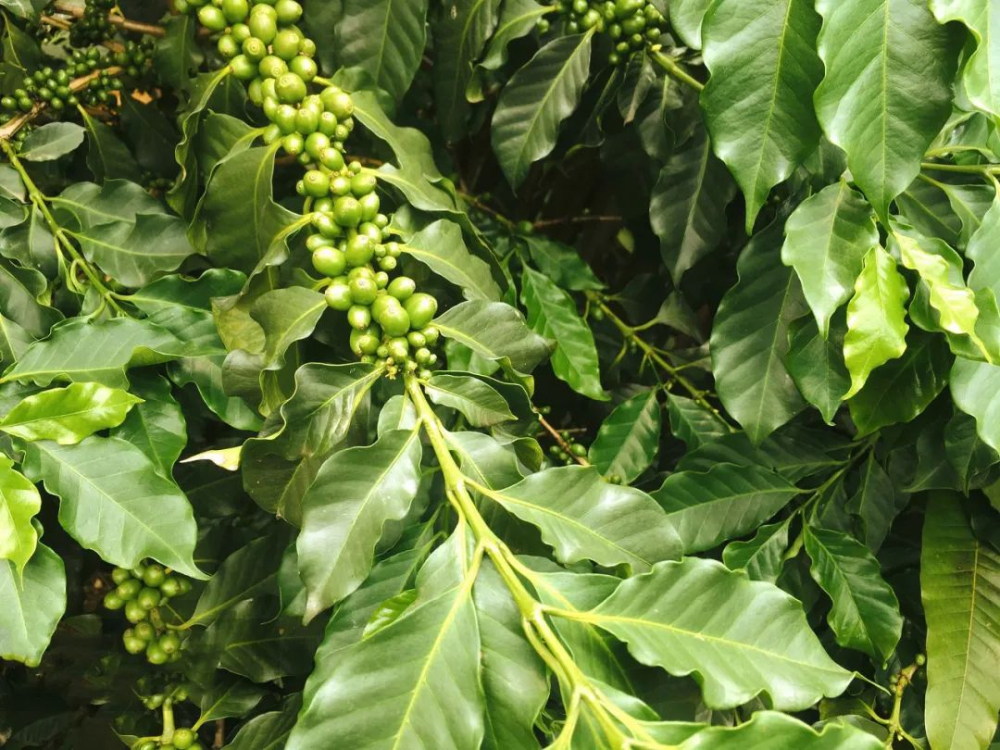
Another variety, also from Baoshan, is the washed Catimor (commonly referred to as Yunnan small-bean), which shows a completely different flavor profile. Its base is nutty, accompanied by herbal, chocolate, and caramel aromas, with a hint of subtle fruit acidity lingering in the aftertaste. Overall, it is balanced and layered. Brewing recommendations are similar to those for Typica — the V60 and the same parameters apply. It suits drinkers who prefer a fuller body and sweeter profile.
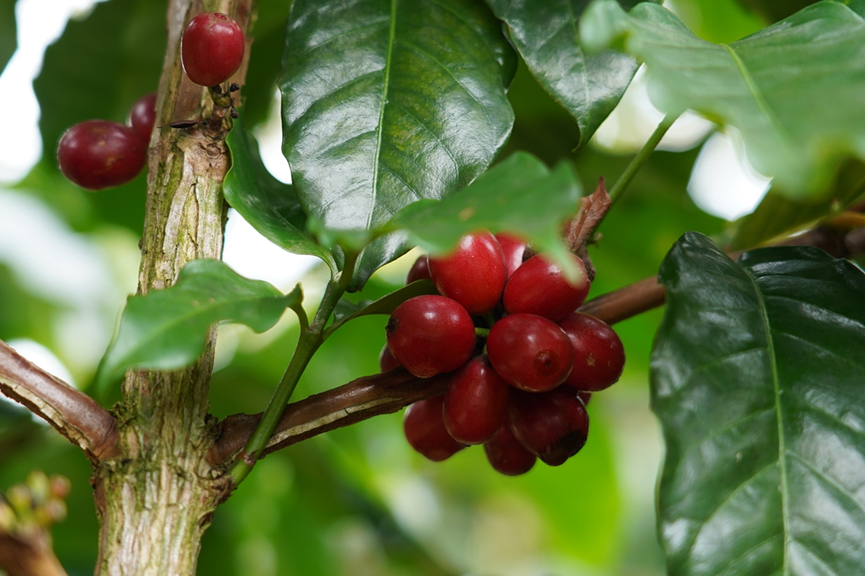 For those who prefer a bolder cup with pronounced fermentation characteristics, the natural-processed Typica from the Lincang region is a great choice. Grown at 1,300 meters and processed using the natural method, this bean boasts distinct berry-like acidity and brown sugar sweetness. Its flavor is sweeter and more nuanced, with a tea-like finish. It is ideal for coffee lovers who enjoy prominent fruit notes and unique processing styles. Suggest using a KONO filter, slightly lowering the water temperature to 86–88°C, and brewing with a 1:15 coffee-to-water ratio and medium-fine grind to preserve more fermentation aroma and sweetness.
Overall, Typica and Catimor each have their own followers. Typica wins with its elegant flavors and delicate mouthfeel, but it has lower yields and greater planting challenges. Catimor, with its high yield and disease resistance, has become the most widely planted variety in Yunnan. Though its flavor is somewhat stronger, it also offers broad adaptability. In terms of processing, washed methods highlight clean and clear flavor profiles, showcasing the inherent traits of the bean variety. Natural processing, by extending fermentation, imparts richer fruitiness and sweetness to the coffee — making it an excellent entry point for exploring the diversity of Yunnan coffee.
The above content is compiled by CoffeeHunters, a coffee news website.


