







Introduction:Colombia’s Paradise Estate is globally renowned for its innovative fermentation techniques. Its COE auction-winning cherry blossom single-origin coffee beans, made from the Castillo variety with a double anaerobic washed process, deliver a unique berry acidity and vanilla profile. This article delves into the details of the growing altitude, variety characteristics, and fermentation processes, while also providing professional parameters for pour over and espresso brewing to help you master the brewing techniques and flavor profile of this top-tier SOE.
In the specialty coffee scene, Colombia’s Paradise Estate has risen to the ranks of international elite estates thanks to its groundbreaking fermentation technologies. Since Diego Samuel Bermúdez Tapia took over management in 2008, through systematic research on microbial fermentation, he has successfully created several auction star products, among which the cherry blossom beans stand out with their double anaerobic washed process that delivers a pronounced strawberry sweetness and delicate spicy finish.
Traditionally, coffee is often perceived as a monotonously bitter beverage, but the specialty coffee revolution has changed this perception. With consumers’ increasing pursuit of origin flavors, estates like Paradise Estate that focus on special processing methods have gradually emerged. Especially after well-known chain brands introduced COE auction beans, more people have started to experience the unique charm of high-altitude regions like Cauca.
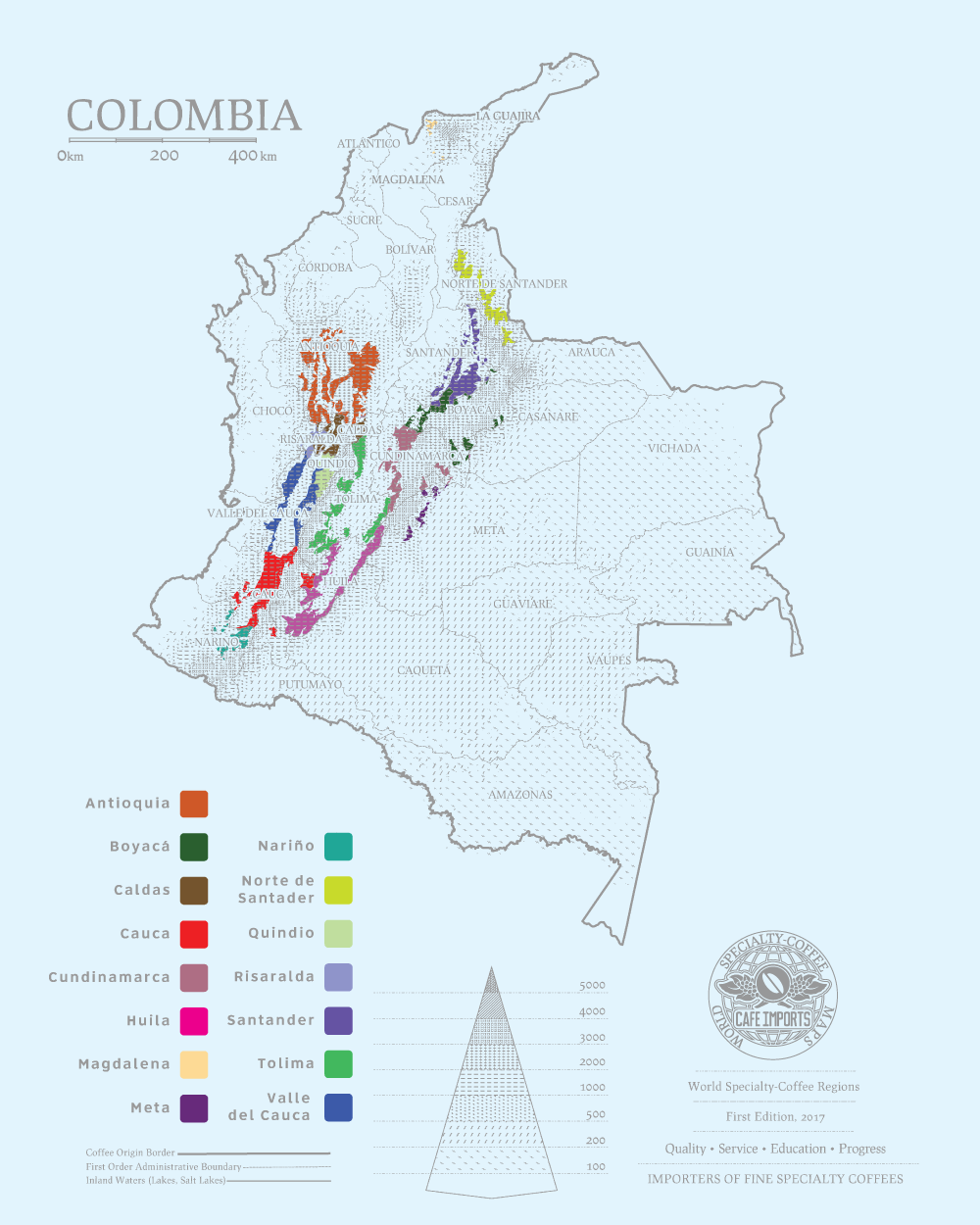
Colombia’s three Cordillera mountain ranges, stretching from north to south, create diverse microclimates. Located in the western mountainous region, Cauca Province, with its altitude of 1500–2100 meters and significant day-night temperature differences, nurtures coffee beans with bright acidity and prominent sweetness. Compared to other regions, the slower growth cycle here allows coffee cherries to fully accumulate flavor compounds.
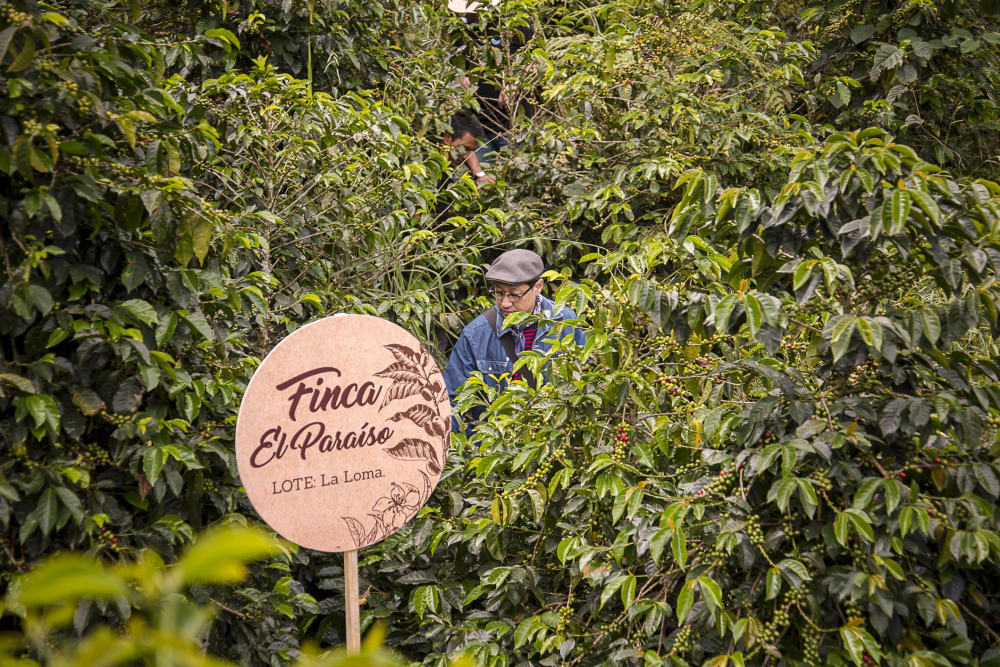
As a representative small family-owned estate in Cauca Province, Paradise Estate, led by third-generation grower Diego, continues to explore innovative processing methods. Since winning the regional championship in 2015, several of its developed fermented beans have repeatedly broken Colombia’s COE auction records. The cherry blossom batch uses the locally mainstream Castillo variety, enhancing fruity aromas through precisely controlled anaerobic environments.
Regarding the Castillo variety, it is a disease-resistant, high-yield cultivar developed over 20 years by the Colombia Coffee Research Institute. Originating from a hybrid of Caturra and Timor, it combines the dwarf plant structure that facilitates harvesting with high resistance to coffee leaf rust. Since its promotion in 2005, it has become one of the most widely planted varieties in Colombia, and its balanced flavor profile is particularly suited for showcasing the effects of special processing methods.
Paradise Estate’s double anaerobic washed process is divided into two stages: first, the whole coffee cherries are placed in a sealed stainless steel tank and fermented anaerobically for 24–36 hours under strictly controlled temperatures, breaking down the pulp structure while developing fruity precursor compounds; then, the outer skin is removed, and the mucilage-covered parchment beans undergo a second fermentation for 18–24 hours. Finally, they are rinsed with clean water and spread in a thin layer for sun drying. This process allows the acidity to exhibit more complex layers—for instance, the pronounced berry notes in the cherry blossom batch stem from this process.
For this cherry blossom coffee grown at an altitude of 2050 meters at Paradise Estate, it is recommended to use a V60 filter cone with medium-fine grind (80% passing rate through a Chinese No. 20 sieve) for actual brewing. Specific parameters are: 15 grams of coffee, 90°C water temperature, 1:15 coffee-to-water ratio. Brew in two pours—first, bloom with 30 grams of water for 30 seconds to activate the coffee grounds, then pour in a circular motion up to 125 grams and stop, wait until the water level drops to the surface of the coffee bed, then continue pouring up to 225 grams to complete the extraction, with total time controlled around 2 minutes. Note that freshly roasted beans require a 4–7 day degassing period, and the blooming step effectively accelerates carbon dioxide release to ensure stable flavor release.
The brewed coffee exhibits a bright red berry acidity, accompanied by rosemary and basil-like herbal aromas, with a honey-like sweetness and slight pepper spiciness in the aftertaste. If switching to espresso extraction for an SOE shot, it is recommended to adjust the grind to medium-fine (about 10–15% finer than pour over), maintain an extraction time of 25–30 seconds, which can highlight a richer strawberry syrup and spice profile. However, be mindful that the high-pressure environment may amplify some acidity, so pairing with milk is advised to balance the taste.
The above content is compiled by CoffeeHunters, a coffee news website.


