







Introduction:Drip bags combine convenience with flavor, making them a daily choice for many coffee enthusiasts. But do you know their shelf life? Is it still suitable to drink after a month? This article delves into the storage methods and brewing techniques of drip bags, and from the four major flavor dimensions—floral, fruity, fermented, and rich—we select representative products such as Panama Geisha Butterfly, Yirgacheffe Guddingding, Strawberry Candy, and Golden Mandheling to offer practical recommendations and detailed brewing parameters, helping you easily brew an outstanding drip bag coffee at home.
Drip bags, with their simple operation and ability to deliver flavors close to pour over, have become the top choice for many busy coffee lovers. However, many still have questions about their shelf life, whether they can be brewed multiple times, and how to achieve the best flavor. This article will detail the storage methods and brewing essentials of drip bags, and recommend several worthwhile drip bag products across four main flavor types—floral, fruity, fermented, and rich body—including Panama Geisha Butterfly, Yirgacheffe Guddingding, Strawberry Candy, and Golden Mandheling, so you can find the one that suits your taste best.
For those with a fast-paced lifestyle who still want to enjoy a good cup of coffee at home, drip bags strike an excellent balance between pour over and instant. No complicated equipment is needed—just hot water and a few simple steps to easily extract coffee with distinct flavors. But to truly appreciate the essence of drip bags, besides choosing the right flavor, understanding the storage method and correct brewing steps are key.
[Floral Profile Recommendation] · Panama Geisha Butterfly Drip Bag
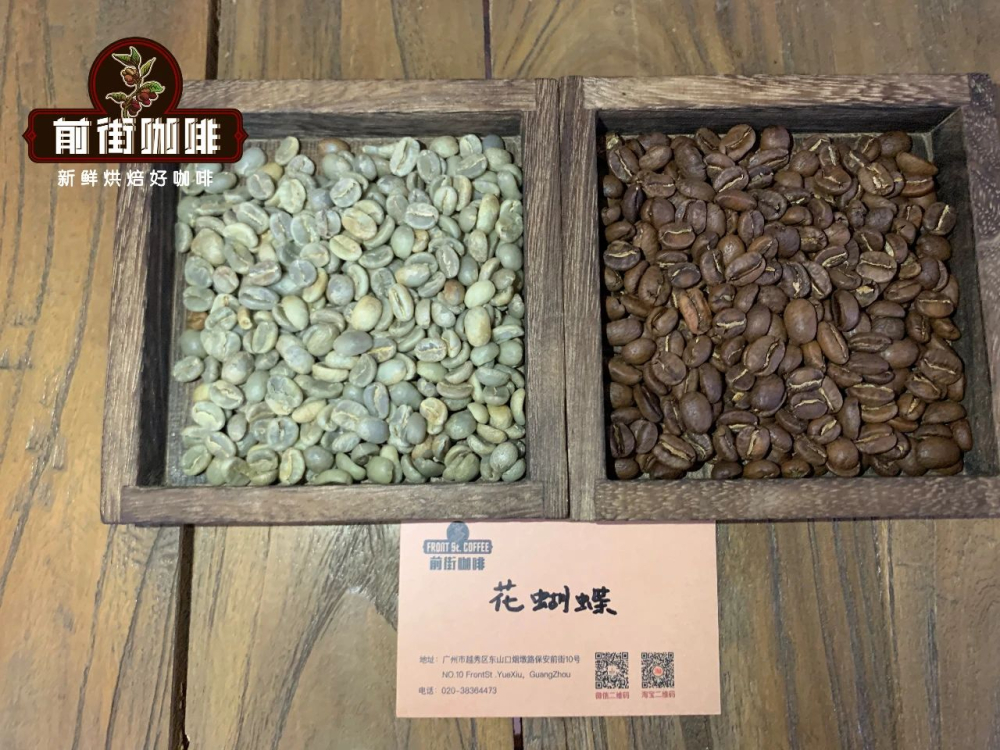
If you enjoy coffee with prominent floral notes, try the · Panama Geisha Butterfly Drip Bagfrom the Boquete region of Panama. This drip bag blend consists of 70% Geisha, along with the Caturra and Catuai varieties, grown at an altitude of 1600 meters on the Baru Volcano. Benefiting from the area’s significant day-night temperature variation and abundant rainfall, coupled with strict harvesting and washed processing, it offers a coffee rich in floral aromas, soft acidity, and good body. Its flavor profile includes floral notes, black tea, berries, and citrus, with a slight nutty finish, delivering a smooth overall mouthfeel with low bitterness—a high-value option for experiencing Panamanian Geisha flavors.
[Fruity Profile Recommendation] · Yirgacheffe Guddingding Drip Bag
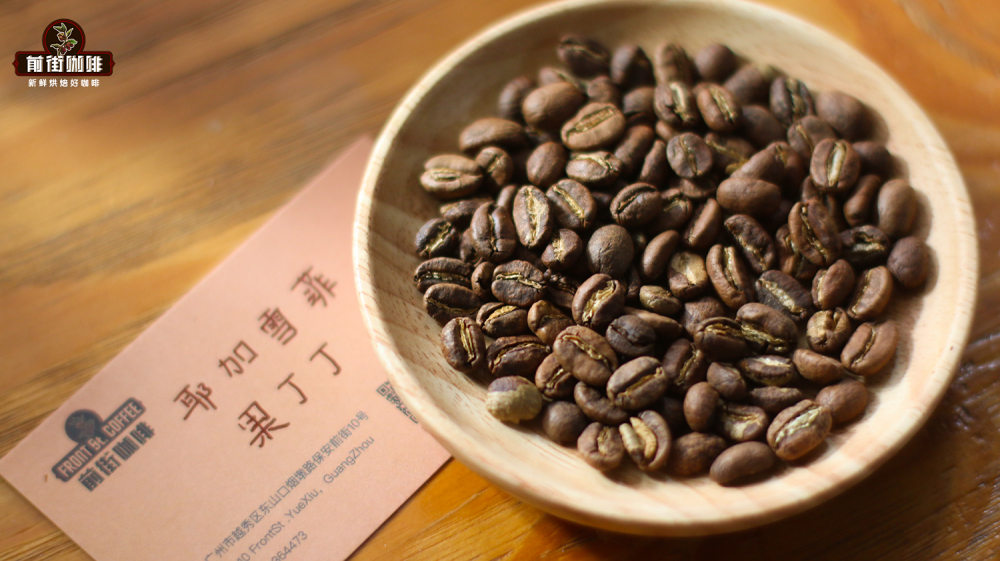
If you prefer a refreshing and bright fruity profile,· Yirgacheffe Guddingding Drip Bag is a great choice. This drip bag from Ethiopia’s Yirgacheffe Gedeo Zone uses heirloom varieties and washed processing, showcasing the clean and vibrant characteristics typical of Yirgacheffe. Its primary flavors include citrus, jasmine floral notes, and a honey-like finish, with bright and uplifting acidity, suitable for coffee beginners or those who enjoy subtle fruity notes. The growing altitude ranges between 1900 to 2300 meters, contributing to pronounced acidity and rich tropical fruit aromas.
[Fermented Profile] · Strawberry Candy Drip Bag
To experience a sweet coffee with a fermented character, go for the · Strawberry Candy Drip Bag. This one uses Geisha and other varieties from the Mirasol Estate in the Tarrazú region of Costa Rica, processed via the raisin honey method, giving the coffee a rich sweetness and fruity aroma. Its main flavors include strawberry taffy, dried fruit, rose fragrance, as well as soft fruity acidity and an almond aftertaste. The cultivation environment at around 1700 meters altitude, combined with the honey process, makes this drip bag especially suitable for those who dislike bitter or astringent flavors.
[Rich Body Recommendation] · Golden Mandheling Drip Bag
Readers who prefer a strong and rich profile are advised to try the · Indonesian Golden Mandheling Drip Bag. This coffee from the Gayo Highlands of Aceh in North Sumatra, Indonesia, uses traditionalwet-hullingprocessing, resulting in low acidity, a rich body, and strong aroma. Its flavor profile includes intense nuts, caramel, chocolate, and spice notes, with a long-lasting and layered finish. The growing altitude ranges between 1100 to 1600 meters, with the Ateng variety, making it an ideal choice for those who love dark roast profiles and bold mouthfeels.
How long is the shelf life of drip bag coffee? Is it still drinkable after a month?
Many consumers, when purchasing drip bags, often overlook how storage methods and shelf life affect flavor. Although some drip bag packaging includes a degassing valve, its primary function is to help release carbon dioxide produced after roasting, and it has limited effect on extending flavor preservation, plus it comes at a higher cost. Generally, drip bag packaging will indicate the roast date and shelf life, some as 6 months, others as 12 months, but in reality, the optimal flavor window is usually within one month. After a month, although it is still drinkable, the aroma noticeably fades, and the overall flavor is greatly diminished—fresh consumption is recommended for the best experience.
Additionally, unlike tea leaves,drip bags must never be brewed more than once. Because after the first extraction, most of the flavor compounds in the coffee grounds have already been released, leaving mainly bitter components, and the flow rate slows down, which can easily affect the taste.
How to correctly brew drip bag coffee?
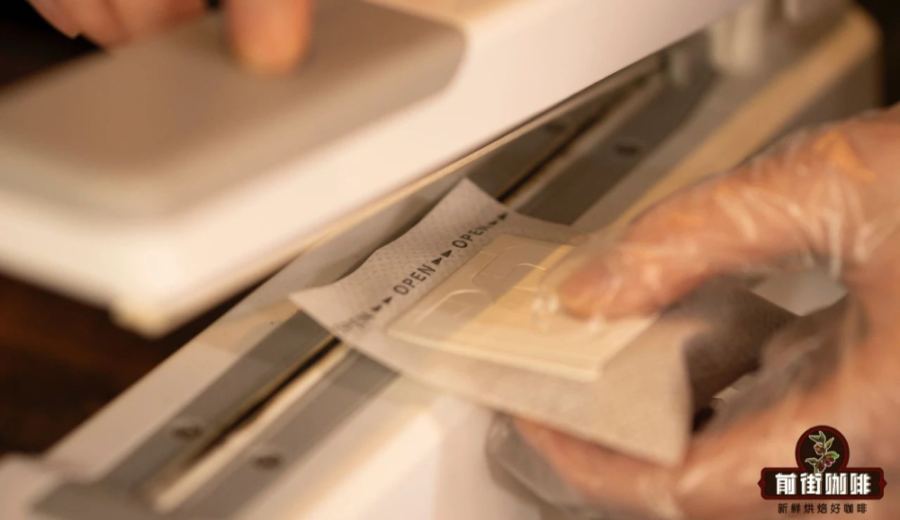
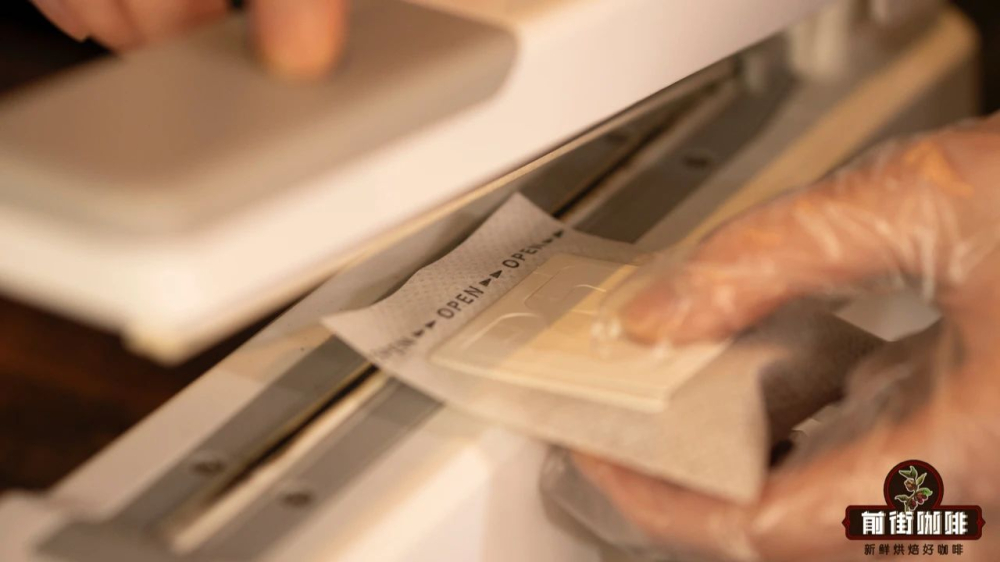
Brewing drip bag coffee is relatively simple, requiring no complex equipment—just the drip bag, hot water, a cup, and a pour over kettle. First, open the drip bag package, tear along the OPEN mark, and hang the two "ears" on the edge of the cup. Then, wet the coffee grounds with hot water at approximately 90–93°C to perform a 30-second bloom, which helps awaken the beans and bring out the aroma. After blooming, add about 120 milliliters of hot water, wait for the coffee to fully drip through, then remove the drip bag and enjoy. The whole process is simple and quick, making it very suitable for everyday use.
The above content is compiled by CoffeeHunters, a coffee news website.


