








Introduction:The honey process originated in Costa Rica and is an innovative technique that combines sun-drying and washed processing, resulting in unique sweetness and aroma. This article delves into the historical background of the honey process, the differences among the three honey grades (yellow, red, and black), the processing steps, and explores its flavor characteristics and potential challenges. It also shares information on two popular Costa Rican Musician Series coffee beans—including their growing regions, variety features, and recommended pour-over parameters—to help you fully grasp this highly regarded processing method.
Among the many coffee processing methods, the honey process (also known as Honey Process or Miel Process) has gradually become a focal point in the specialty coffee market due to its pronounced sweetness and rich mouthfeel. This innovative technique from Costa Rica not only blurs the lines between traditional sun-drying and washed processes but also provides coffee farmers with a way to enhance value and flavor using limited resources.
Costa Rica’s mountainous terrain and challenging transportation conditions often lead to fruit damage and delays during the journey from the farm to processing facilities downhill. To overcome this challenge, local farmers began processing coffee beans on-site and retaining some of the mucilage for drying, giving rise to the honey process. This method reduces the risk of mold and significantly cuts water usage, offering both environmental and economic benefits.

The core of the honey process lies in removing the outer skin and pulp of the coffee cherry while deliberately retaining the sticky mucilage layer on the inner parchment, followed by controlled sun drying. This mucilage is rich in natural sugars, which are key to the coffee’s sweetness and complex aromas. Despite the word "honey" in the name, no actual honey is added during processing. Instead, the mucilage becomes increasingly sticky and honey-like as it dries—hence the name.
The entire honey process can be roughly divided into four steps: first, harvested coffee cherries are soaked in water to remove floaters and defective beans, ensuring only ripe, healthy cherries proceed; next, the sorted cherries are spread on raised beds to pre-dry for about three days, reducing moisture content to around 20%; then, a pulper is used to remove the skin and pulp while intentionally keeping the mucilage; finally, the mucilage-covered beans are dried slowly in the sun until their overall moisture content drops to 11%, at which point they can be stored.
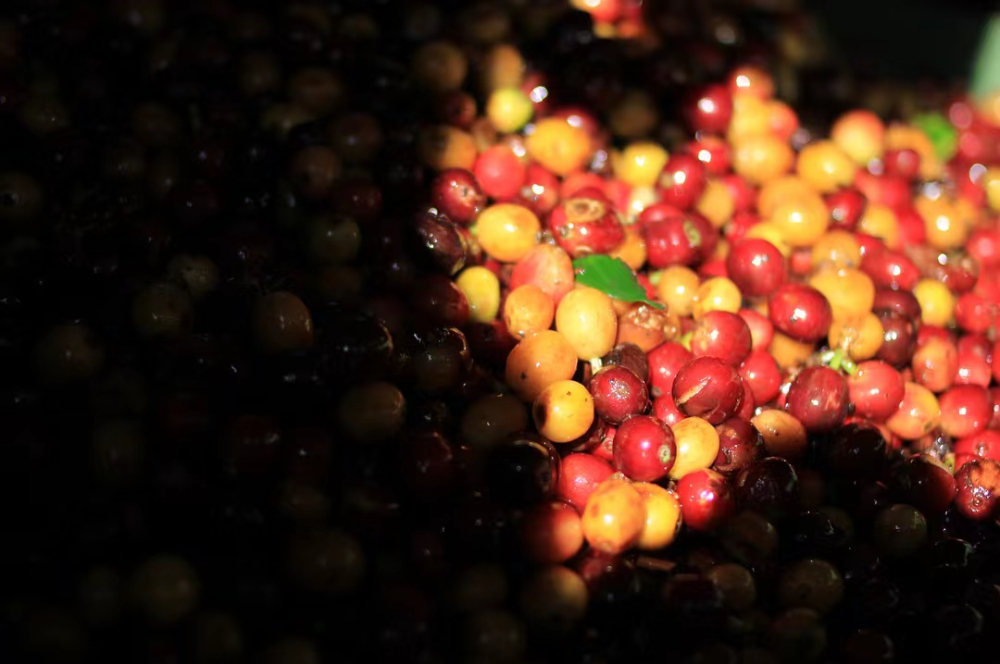
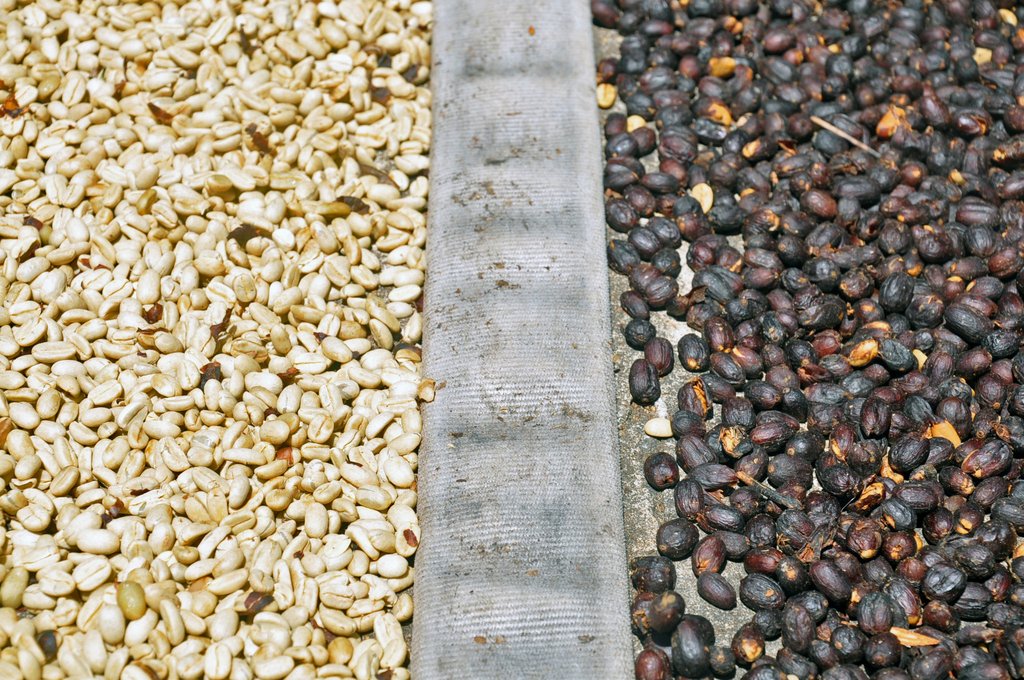
Depending on the proportion of mucilage retained, the honey process is further categorized into three types: yellow honey, red honey, and black honey. Generally speaking,yellow honey processing removes about 40% of the mucilage, is exposed to the most sunlight, and takes around 8 days to dry, requiring stirring once an hour to ensure evenness;red honey retains about 75% of the mucilage (i.e., removes 25%), extends the drying period to about 12 days, may use a shaded structure during the process, and has a slightly lower stirring frequency;black honey retains nearly all the mucilage (removing only 0–10%), takes the longest to dry—over 14 days—and must be protected from intense sunlight with covers, requiring even more careful handling. The differences among these three types affect not only drying difficulty and risk management but also directly influence the final flavor profile of the coffee.
The advantages of the honey process include sweet flavors, mild acidity, and nuanced aromatic layers, making it especially appealing to those who enjoy a combination of fruity and sweet notes. However, this method also comes with challenges: during the drying phase, the high mucilage content and moisture levels make it very susceptible to over-fermentation due to uneven stirring or weather changes, which can produce off-flavors such as vinegar, onion, or even earthy undertones. As a result, the technique demands relatively strict processing skills and environmental controls, making it a more intricate and labor-intensive method.
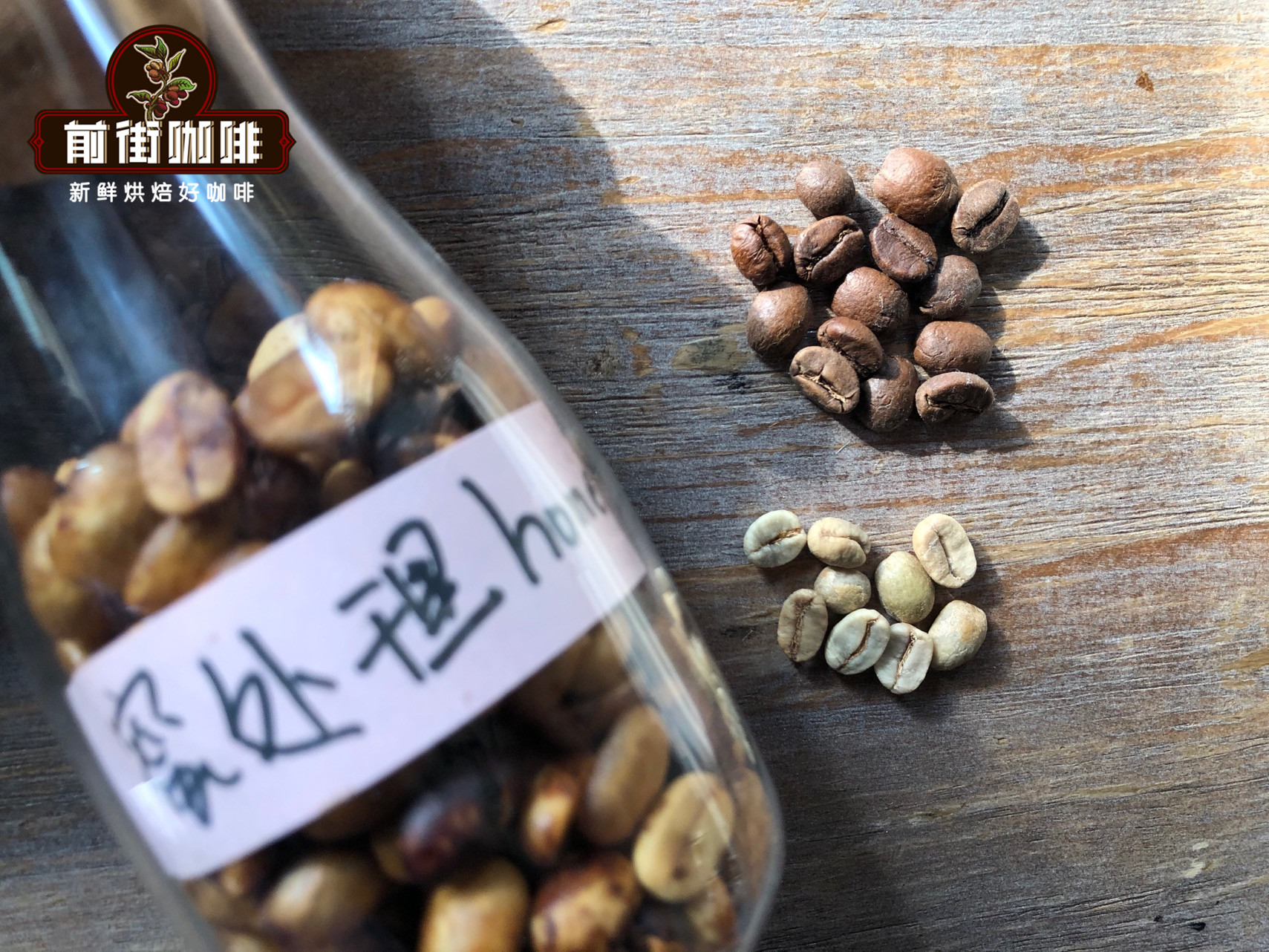
In Costa Rica, the honey process has evolved beyond a mere technique into a range of diverse variations, such as Dried Grape Miel and anaerobic honey processes, further enhancing depth and complexity of flavor. For example, the renowned Tarrazú growing region produces the Musician Series coffee beans known for this. Among them, “Mozart” and “Bach” are crafted using the dried grape honey process, not only showcasing the essence of this method but also infusing the coffee with unique artistic associations.
The “Mozart” coffee beans are grown at an altitude of 1,800 meters in Tarrazú, from the H1 variety, processed via the dried grape honey method. Its flavor profile features the acidity of raisins, bright and tangy berry notes, coupled with delicate floral and fermented wine aromas. When brewed, it reveals an interplay of dark berries, raisins, and red berries, with hints of plum acidity and a gummy bear-like sweet finish emerging mid-to-late. Even when chilled, the floral notes and sweetness remain prominent, delivering a richly layered flavor experience.
The “Bach” is grown at 1,950 meters, also using the H1 variety and dried grape honey process. Its dry aroma carries fruity notes of strawberry, blackberry, and raisins, while brewing releases intense fruitiness with a balanced sweet-tart taste. Mid-to-late, refined wine-like aromas emerge, akin to the layered complexity of red wine. As the temperature drops, the sweet notes of candied fruit and the finish reminiscent of plum wine become more pronounced. The overall flavor is as structured yet delicately moving as a Bach composition.
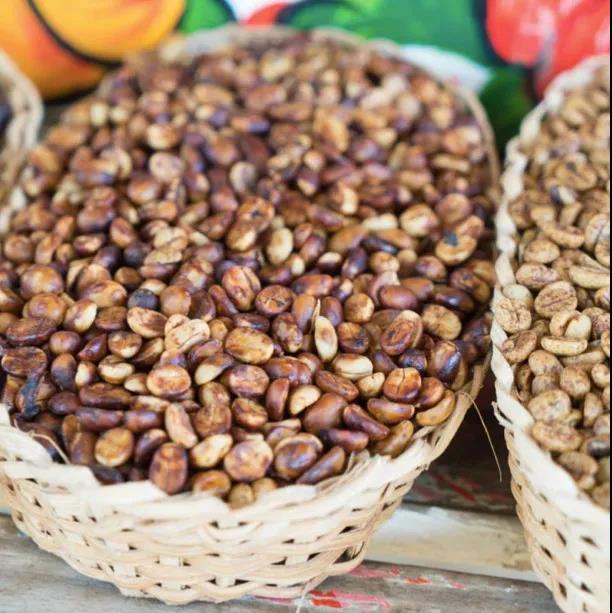
Both of these Musician Series beans come from the Canet Estate in Tarrazú, Costa Rica. The estate owner, inspired by music, named each bean, giving them not just distinctive flavor profiles but also cultural depth. If you’d like to try brewing them at home, here are expert-recommended pour-over parameters to help bring out their best:
- Filter: Hario V60 #01
- Coffee dose: 15 grams
- Coffee-to-water ratio: 1:15
- Water temperature: 90°C
- Grind size: Medium-fine (approximately 81% passing through a standard Chinese No. 20 sieve)
Recommended pour-over method: Use a pulse pour. Start with a 30-gram bloom pour for 30 seconds to allow the coffee bed to form a “hamburger” shape. In the second phase, pour steadily with medium-fine circular water flow, reaching 125 grams by 55 seconds. When the water level drops to 2/3 of the coffee bed, continue pouring until the total target volume is reached. The final pour should finish around 1 minute and 55 seconds, with a total brew time ideally between 2 minutes and 30 seconds to 3 minutes.
In practice, “Bach” presents grape-like tartness and wine fermentation notes at higher temperatures, then reveals red berry juice-like flavors and rose floral aromas as it cools, with a caramel sweetness and deeper wine tones in the aftertaste. “Mozart” emphasizes berry and fermentation aromas, offering flavors of raisins and sweet orange on the palate. As the temperature changes, wine and osmanthus notes gradually emerge, featuring rich flavor transitions and distinct layering.

In summary, Costa Rican honey process coffee stands out in the global specialty coffee market with its unique sweetness, rich body, and diverse flavor expressions. Whether you’re a pour-over beginner or a connoisseur seeking distinctive flavors, gaining a deeper understanding of the various stages and practical applications of the honey process will enrich your coffee tasting and brewing experiences.
The above content is compiled by CoffeeHunters, a coffee news website.


