







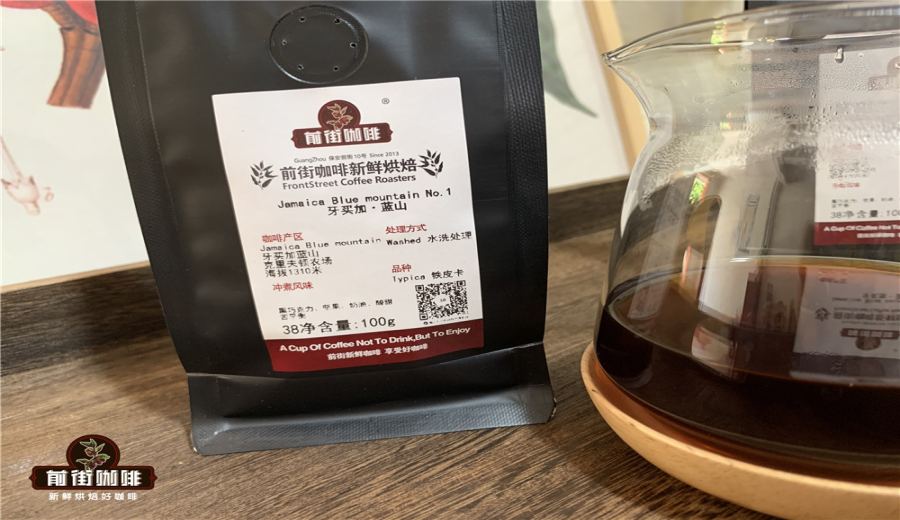
Introduction:Jamaica Blue Mountain coffee is hailed as one of the world’s top-tier coffees, renowned for its balanced flavor and smooth mouthfeel, and cherished by coffee enthusiasts worldwide. What exactly contributes to the unique status of Blue Mountain coffee? This article will delve deeply into the growing environment, variety background, strict grading system, and meticulous processing methods of Blue Mountain coffee, along with providing expert pour-over brewing recommendations and flavor profiles to help you fully understand the essence of this premium specialty coffee.
Blue Mountain coffee is often referred to as the “beauty among coffees.” This flattering title stems from its exceptional flavor balance—neither bitter nor astringent, with a gentle acidity and a silky mouthfeel reminiscent of milk tea. This distinctive taste experience sets it apart from many other coffees, making it the dream bean in the hearts of many coffee lovers.
However, the exceptional nature of Blue Mountain coffee is no accident. Its outstanding performance is the result of Jamaica’s Blue Mountains’ unique geographical and climatic conditions, combined with over two hundred years of careful cultivation of the Typica variety, as well as a rigorous quality control and grading system—all of which together shape this irreplaceable top-tier coffee.
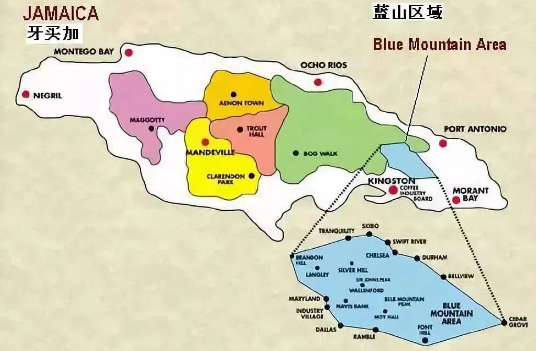
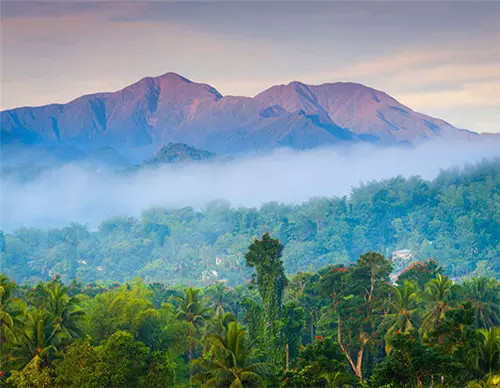
The Blue Mountains are located in the eastern part of Jamaica, stretching approximately 50 kilometers from Stoney Hill in the west to the Caribbean coast in the east. Surrounded by the deep blue ocean, when sunlight shines on the mountaintops and the sea surface, the peaks reflect a pale blue halo, hence the name “Blue Mountain.” The region lies just south of the Tropic of Cancer, falling within the tropical zone ideal for coffee cultivation. With elevations generally exceeding 1,800 meters and the highest peak reaching 2,256 meters, it provides an optimal altitude for coffee trees.
Not only is the terrain uniquely favorable, but the climate of the Blue Mountains is also ideal for coffee growth. The area features a typical tropical rainforest climate with significant diurnal temperature variations, fresh and unpolluted air, and abundant rainfall throughout the year. The frequent afternoon cloud cover over the mountains not only shades the coffee trees but also maintains moderate humidity, helping the coffee cherries mature slowly and accumulate richer flavor compounds.
The Typica variety used in Blue Mountain coffee is one of the oldest and purest strains within the Arabica species. This variety is known for its elegant flavor and low yield, and while it has weak resistance to coffee leaf rust, it can grow stably and exhibit extremely high quality under the unique geographical and microclimatic conditions of the Blue Mountains. Typica coffee typically features a rich dark chocolate flavor, a hallmark of pure Typica varieties and a key foundation of the Blue Mountain coffee flavor profile.
In addition, every single Blue Mountain coffee bean follows strict standards from planting, harvesting, processing to roasting. Since coffee trees are mostly planted on steep slopes, harvesting is difficult and relies solely on experienced female pickers who, during the maturity season from June to November each year, carefully select only fully ripe coffee cherries to ensure a high-quality starting point for the raw materials.
Jamaica Blue Mountain coffee is divided into four grades based on elevation and bean size: Blue Mountain No. 1, Blue Mountain No. 2, Blue Mountain No. 3, and Blue Mountain Peaberry. Among them,Blue Mountain No. 1 is the highest grade, featuring large and uniform beans with a defect rate below 2%, making it the most sought-after item in the market. Every batch of Blue Mountain coffee is rigorously inspected by the Jamaica Coffee Industry Board (CIB) to ensure that the exported quality meets international specialty coffee standards.
It’s worth mentioning that Blue Mountain coffee is one of the very few regions that use wooden barrels to package green beans, rather than the more common jute sacks. These wooden barrels are usually printed with the “Rainforest Water Frog” certification mark, indicating that the coffee meets sustainable agriculture standards and has been certified by the Rainforest Alliance, demonstrating a commitment to environmental friendliness.
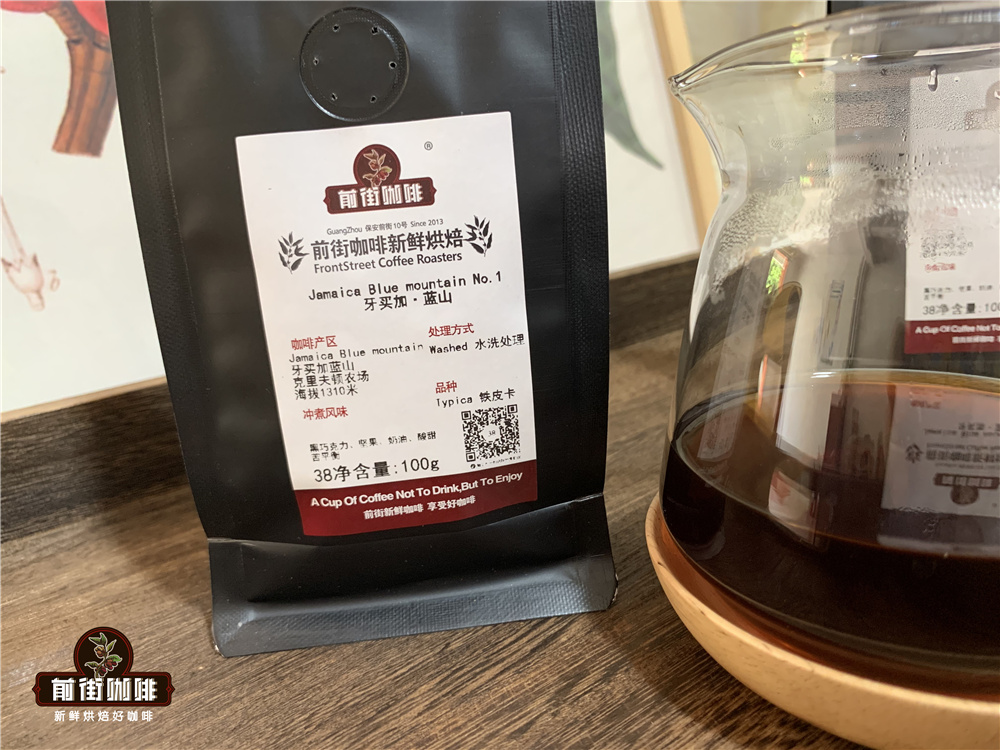
In terms of processing methods, Blue Mountain coffee has long employed traditional washed processing to preserve the beans’ most original and clean flavor profile. After each harvest, the coffee cherries are depulped on the same day and undergo 12 to 18 hours of fermentation, followed by washing, screening, and then evenly spreading them on concrete floors or thick mats to dry until the moisture content reaches 12% to 14%. This process is strictly controlled to ensure the quality of the coffee beans remains unaffected.
Although some farms have begun experimenting with sun-dried processed Blue Mountain coffee since 2019, most experts still believe that washed processing better showcases the delicate and balanced intrinsic flavors of Blue Mountain coffee. Therefore, many specialty coffee suppliers continue to focus on washed Blue Mountain as their flagship product.
If you want to brew high-quality Blue Mountain coffee at home using pour over, it is recommended to use the following professional parameters: a coffee-to-water ratio of 1:15, a grind size of 75% passing through a standard 20-number sieve, and water temperature controlled at 88°C. To avoid over-extraction, it is suggested to choose a KONO dripper with a slower flow rate and employ a three-stage pouring method—start with a 30-second bloom using 30 grams of water, then pour to 125 grams and pause, followed by pouring up to 225 grams until finished, with a total extraction time of about 2 minutes, which can fully highlight the richness and smooth acidity of Blue Mountain coffee.
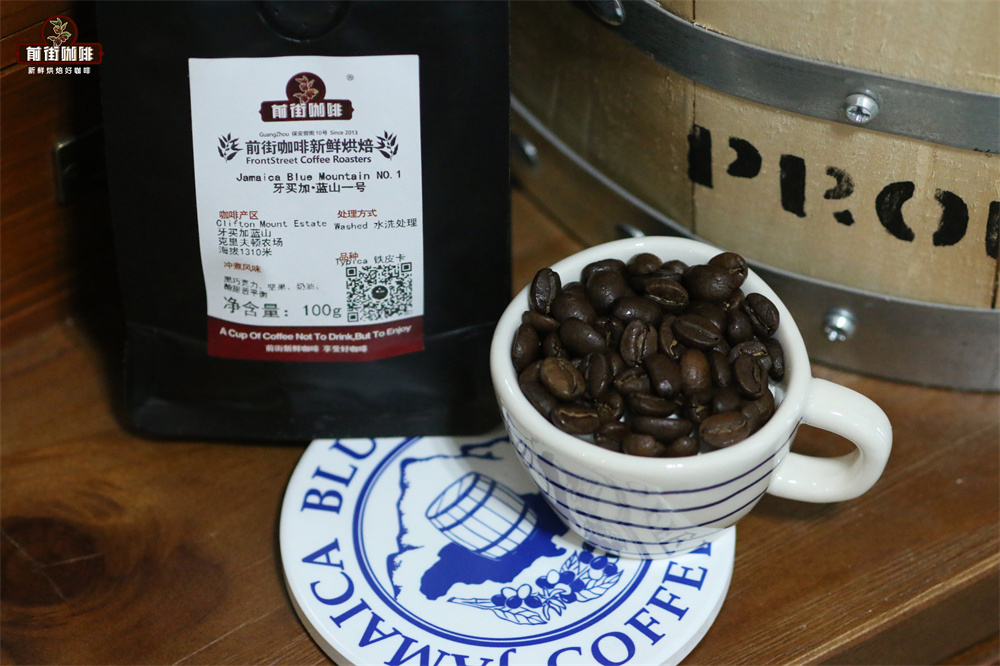
In terms of flavor, washed Blue Mountain coffee features dark chocolate, nuts, and a creamy smooth mouthfeel as its main profile, with excellent balance of acidity, sweetness, and bitterness; whereas sun-dried Blue Mountain may present subtle berry-like acidity, dark chocolate, and fermentation aromas, with a more expressive flavor complexity. Regardless of the processing method, Blue Mountain coffee showcases exceptionally high quality and unique regional characteristics, making it a classic choice not to be missed by coffee enthusiasts.
The above content is compiled by CoffeeHunters, a coffee news website.


