








Introduction:Have you ever hesitated at a coffee shop’s menu, unsure whether to choose a Flat White, a Latte, or a Cappuccino? These espresso-based drinks may seem similar, but they actually differ significantly in milk foam thickness, coffee-to-milk ratio, espresso base, and calorie content. This article takes an in-depth look at the characteristics, preparation details, and nutritional differences of the Flat White, Latte, Cappuccino, and Mocha, helping you find the coffee that best suits your taste.
Many Starbucks customers are no strangers to the "Flat White." It is made with an espresso base and topped with a layer of velvety microfoam, offering a smooth mouthfeel and concentrated flavor — a daily favorite for many. However, if you dig deeper and ask, "What type of coffee is the Flat White really?" the answer often leads to a more widely recognized term: the Australian-style white coffee, internationally known as Flat White. This coffee goes by various names around the world — Starbucks calls it Flat White, COSTA refers to it as Caffè Ristretto Lungo, McDonald’s dubs it McCafé Premium Roast Flat White, while specialty coffee shops more commonly just call it "Flat White" or "Australian White Coffee."
The Flat White is a classic espresso-based coffee originating from Australia and New Zealand. It consists of espresso combined with milk, but it has distinct differences from common milk coffees like Lattes, Cappuccinos, and Mochas — especially in terms of milk foam thickness, coffee ratio, latte art presentation, and calorie levels. This article will break down the characteristics of these four popular coffee drinks, helping you make choices based on your flavor preferences, and sharing practical brewing parameters including common blends used in shops, extraction conditions, and temperature control techniques, so you can replicate a similar flavor at home.

If you’re a regular Starbucks customer, you’re probably quite familiar with the Flat White. It uses an espresso base topped with a smooth, even layer of microfoam, delivering a rich flavor and silky texture that is beloved by office workers and coffee enthusiasts alike. But what details and characteristics lie behind this popular drink? Below, we’ll take a deep dive, starting with the origins of the Flat White, to help you understand how it differs from other common milk coffees.
In fact, the Flat White is not exclusive to Starbucks — many specialty cafés also serve it, though they tend to use the more straightforward name "Flat White." In short, the Flat White is indeed the same as the Flat White, and this coffee goes by a variety of names across different regions — Starbucks calls it Flat White, COSTA calls it Caffè Ristretto Lungo, McDonald’s names it McCafé Premium Roast Flat White, and in independent coffee shops, it’s more commonly referred to as "Australian White Coffee" or simply "Flat White."
The Flat White originated in Australia and New Zealand and is an espresso-based Italian coffee. Its main difference from a Latte lies in the thickness of the milk foam and the ratio of coffee to milk: the Flat White has thinner foam, about 0.5 cm, compared to a Latte’s approximately 1 cm, and a Cappuccino’s even thicker foam. With less foam, the coffee flavor in a Flat White is more pronounced and the taste more concentrated. Additionally, baristas in different regions may use different espresso bases when making a Flat White — it’s said that New Zealand baristas often use a double Ristretto (a more concentrated shot), while Australians tend to use a single Espresso.

Although the Flat White and Latte share many similarities in preparation, there are still clear distinctions between them. First, in terms of milk foam layering, the Flat White’s foam is usually only about 0.5 cm thick, while a Latte is about 1 cm, and a Cappuccino even thicker. Moreover, the Flat White’s foam is finer and smoother — this delicate bubble structure gives the drink a “velvety” texture, making it feel even smoother on the palate. Regarding latte art, the Flat White generally doesn’t emphasize intricate designs; sometimes it’s not even arted, and if it is, it’s often just a simple leaf. The Latte, on the other hand, is often a stage for baristas to showcase their latte art skills, featuring a variety of elaborate patterns.
Now let’s take a look at the Mocha. This coffee is essentially a Latte with added chocolate elements. A common method is to first pour in chocolate syrup, then add espresso and milk, and top with foam. Thanks to the addition of chocolate and syrup, the Mocha tastes sweeter and creamier, which is why it is especially popular among female consumers. The key difference between a Mocha and a Latte is the inclusion of chocolate — this makes the Mocha lean more toward dessert-style coffee in overall flavor profile, making it ideal for those who enjoy the combination of milk and chocolate.
From the above introduction, you can see that although the Flat White, Latte, Cappuccino, and Mocha all belong to the family of espresso-based milk coffees, they each have unique characteristics in terms of espresso base ratio, milk foam thickness, latte art presentation, and overall mouthfeel. Among them, the Latte could be considered the most basic and flexible coffee type, and mastering its preparation is key to understanding other milk coffees. Next, we’ll further explain the detailed steps for making a Latte, including bean selection, extraction parameters, and flavor balancing suggestions, to help you better grasp the essence of this classic coffee.
When selecting coffee beans suitable for a Latte, it is recommended to prioritize medium to dark or dark roasted espresso blends. This is because lighter roast beans commonly used for pour over can release excessively high acidity under the high pressure and temperature of espresso extraction, affecting the overall balance of flavors. Espresso blends are typically composed of two or more types of coffee beans, aiming to complement each other’s strengths, enhancing sweetness, body, and crema performance. For instance, some baristas may add Robusta beans to boost the crema layer and richness of the espresso, while also effectively controlling costs.
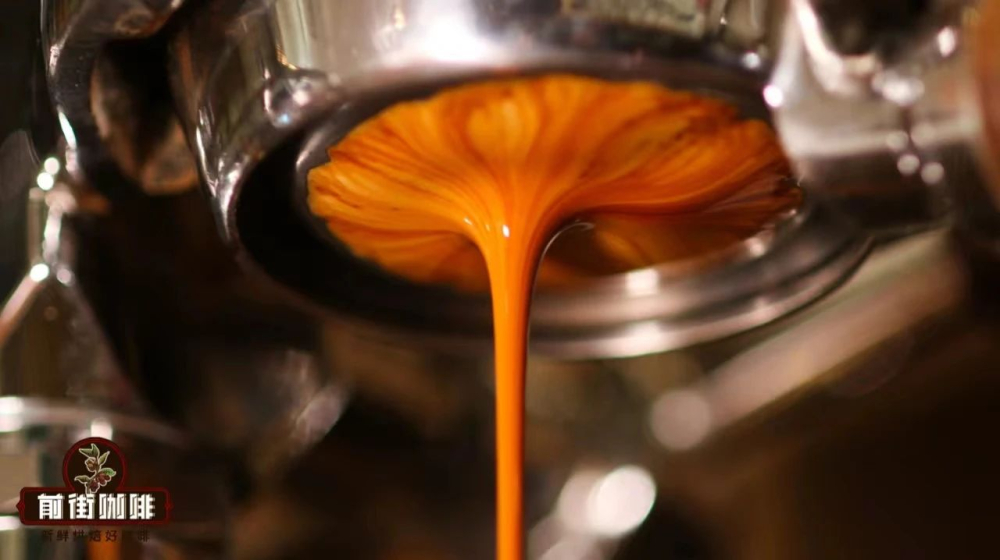
In practice, we use 20 grams of coffee grounds to extract about 40 milliliters of espresso as the base, paired with fine microfoam about 5 millimeters (i.e., 0.5 cm) thick. When making it, it is recommended to heat the milk to 50–60 degrees Celsius. This temperature range helps to release the natural sweetness in the milk while avoiding overheating that could denature proteins, impacting the overall mouthfeel. Whether it’s a Flat White, Latte, or Cappuccino, controlling milk temperature is key — too low and sweetness is lacking, too high and it can develop burnt flavors or astringency.
Below are the extraction parameters commonly used by shops when making a Latte, for your reference in practice:
- Coffee Beans:Strawberry Sugar Espresso or Classic Espresso Blend
In actual practice, it is recommended to use a double shot for a richer coffee flavor expression. Common flavor notes include prominent rose floral aromas, delicate grape and berry notes, along with a strong milk chocolate tone, a smooth and rounded aftertaste, and a well-balanced profile when paired with milk.

The above content is compiled by CoffeeHunters, a coffee news website.


