







Introduction:As temperatures drop, coffee cools more rapidly, and its flavors can easily dissipate. This article delves into thermal retention and temperature control strategies for both pour over coffee and hot milk coffee in low-temperature environments, including whether it’s suitable to use thermoses for storing pour over coffee, the impact of cooling on coffee flavor, and the optimal temperature range for milk in a hot latte. It also offers multiple practical tips—such as preheating equipment, slightly increasing water temperature, and using lids for sealing—to help you extend the optimal drinking window from various stages of the coffee experience.
As temperatures fall, hot coffee cools significantly faster, leading to a rapid loss of its originally rich flavors and a shortened optimal drinking period. For example, common PWN Golden Mandheling tends to bring out noticeable bitterness when cooled, while Yirgacheffe may present a stronger acidity. This article will focus on three key topics: Can pour over coffee extend its drinkable time by using a thermos? Why does the flavor of coffee change after cooling? And what is the ideal temperature to heat milk in a latte to balance aroma and texture? Practical suggestions are also provided, including adjusting water temperature, preheating equipment, and using lids for insulation, helping you maintain coffee flavor without compromising overall extraction quality.
As autumn and winter arrive and temperatures decline, they also affect the extraction and drinking experience of coffee. Practical observations in Guangzhou show that the arrival of cold air not only changes the ambient temperature but also alters the state of the coffee. Not only is the extraction process affected, but once brewed, the coffee also cools faster in low-temperature environments, further shortening the window for optimal flavor. Due to the principles of heat conduction, the greater the temperature difference between the environment and the beverage, the quicker the heat dissipates—so coffee gets cold much faster in colder weather.
Once coffee cools, it often brings about negative flavor changes, such as a thinner mouthfeel, emergence of off-flavors, or more pronounced acidity or bitterness. To delay these changes and extend the overall enjoyment period of coffee, one direct and effective method is to moderately raise the temperature during extraction and serving. For instance, when making hot Americano or latte, slightly increasing the water and milk temperatures allows the coffee to be served at a higher temperature, which not only slows down the rate of cooling but also helps counteract the interference of cold air on extraction—especially important for pour over coffee.
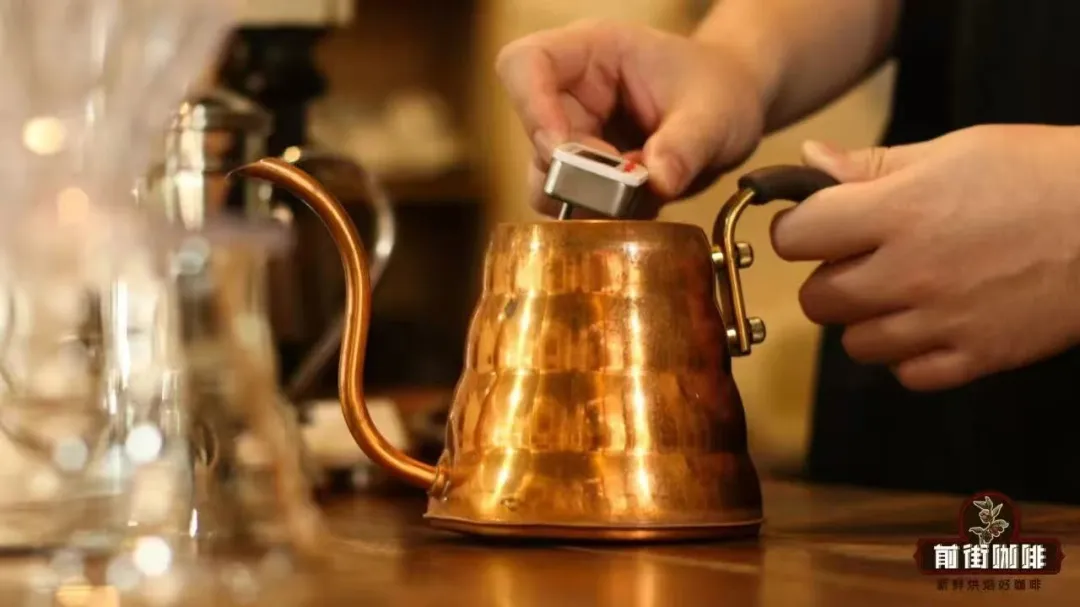
Pour over coffee relies entirely on manual pouring, during which hot water comes into contact with the surrounding air, causing its temperature to drop slightly even before reaching the coffee grounds. This temperature loss is even more pronounced in colder seasons, further affecting overall extraction efficiency and flavor expression. In such cases, consider slightly increasing the original water temperature by 1–2°C, which helps compensate for the heat loss and maintains extraction stability and flavor integrity. However, be cautious—as excessively raising the water temperature may lead to over-extraction, resulting in noticeable bitterness and astringency, especially if other parameters are not adjusted accordingly.
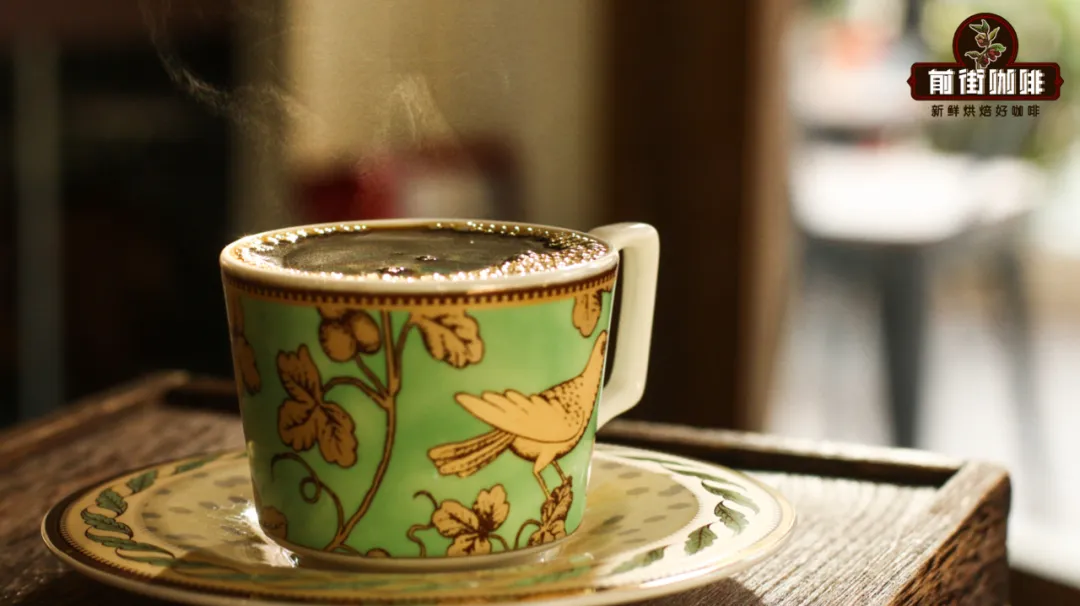 For milk-based coffee such as the common latte, controlling the heating temperature of the milk is equally crucial. It is generally recommended to heat the milk to around 65°C, a temperature that fully brings out the natural sweetness of lactose, achieving a good balance between milk aroma and coffee. If heated beyond 70°C, the protein and fat structures in the milk can denature, not only reducing sweetness but also making the texture thinner or even giving it a cooked flavor. Therefore, even if you wish to keep the coffee at a higher temperature, the adjustment of milk temperature should still be capped at 65–70°C to avoid negatively impacting the overall flavor.
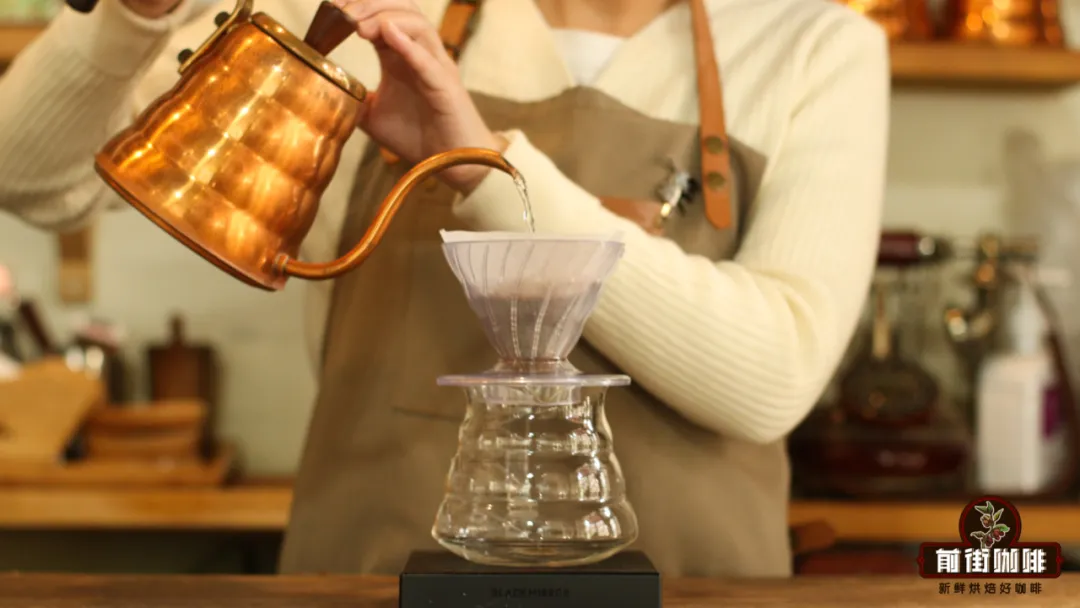
Besides adjusting water and milk temperatures, several simple techniques can also effectively extend the coffee’s insulation time. First is preheating equipment, including the pour over kettle, filter cone, and server. Metal and ceramic materials absorb heat from the coffee when in a low-temperature state, causing the coffee to cool quickly. Practical tests show that if the filter cone and lower brewing vessel are not preheated, the final temperature of the coffee may only be around 65°C; in contrast, preheating them with hot water in advance can raise the temperature to around 75°C. Preheating methods can include soaking the equipment in hot water or placing it directly on a heat source such as a coffee machine to warm it up beforehand.
 Secondly, using a lid is a simple yet highly effective insulation measure. Many servers or pour over kettles come with dedicated lids; covering them effectively reduces heat convection and air circulation, thereby slowing the rate of heat loss. It also helps retain aromatic molecules in the coffee, enhancing the overall drinking experience. If you’re using a thermos to temporarily store pour over coffee, remember to tighten the lid immediately after pouring—the sealed environment can greatly extend the coffee’s insulation duration and aroma retention.
 Lastly, bear in mind that although a thermos can temporarily hold pour over coffee, since coffee is not a sterile liquid, it is recommended to consume it within 2–3 hoursto avoid potential hygiene risks. By comprehensively applying the above techniques—including moderately increasing water temperature, preheating equipment, using lids, and selecting suitable containers—you can effectively extend the optimal drinking time of your coffee without compromising its original flavor or extraction structure, allowing each cup to showcase its full flavor profile at the right temperature.
The above content is compiled by CoffeeHunters, a coffee news website.


