







Introduction:Delve into the specialty coffee beans from the Konga Cooperative in Ethiopia’s Yirgacheffe region. Learn about the terroir of the origin, the characteristics of native varieties, the natural processing method, and how to use pour over brewing to highlight its bright acidity and floral notes. This article provides practical recommendations for V60 filter parameters including water temperature, brew ratio, and grind size to help you fully understand every detail of this uniquely flavored coffee—from cultivation to extraction.
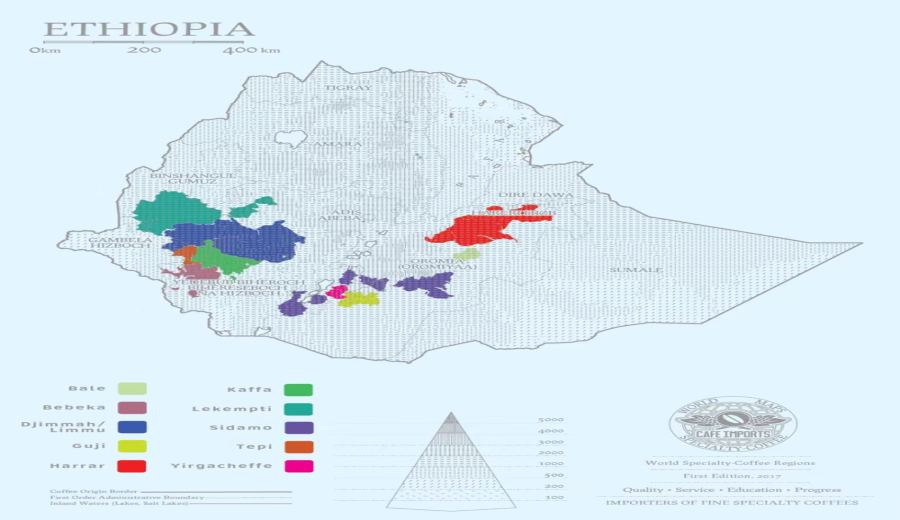
Yirgacheffe is a renowned coffee region in Ethiopia’s southern Gedeo Zone, celebrated for its high altitude and distinctive flavor profile. Even though it was once part of Sidamo, its outstanding performance led to its recognition as a standalone specialty coffee region. The area includes not only the core Yirgacheffe zone but also nearby micro-regions such as Wenago, Kochere, and Gelena Abaya. Among these, Kochere is often grouped together due to its similar flavor attributes. The entire region is home to 28 small and medium-sized cooperatives, mostly operated by smallholder farmers who grow coffee in backyard plots or intercropped with other plants. Though yields are modest, the potential for high quality is exceptional.
In the early days, the Yirgacheffe region primarily used traditional African natural processing methods for green coffee beans. Later, with the introduction of washed processing techniques from Central and South America, cleaner, brighter acidity and more distinct floral and fruity notes were developed. If you’re looking to experience the classic washed style that combines refreshing citrus and a green tea-like finish, exploring the washed lots from this region is a great place to start.
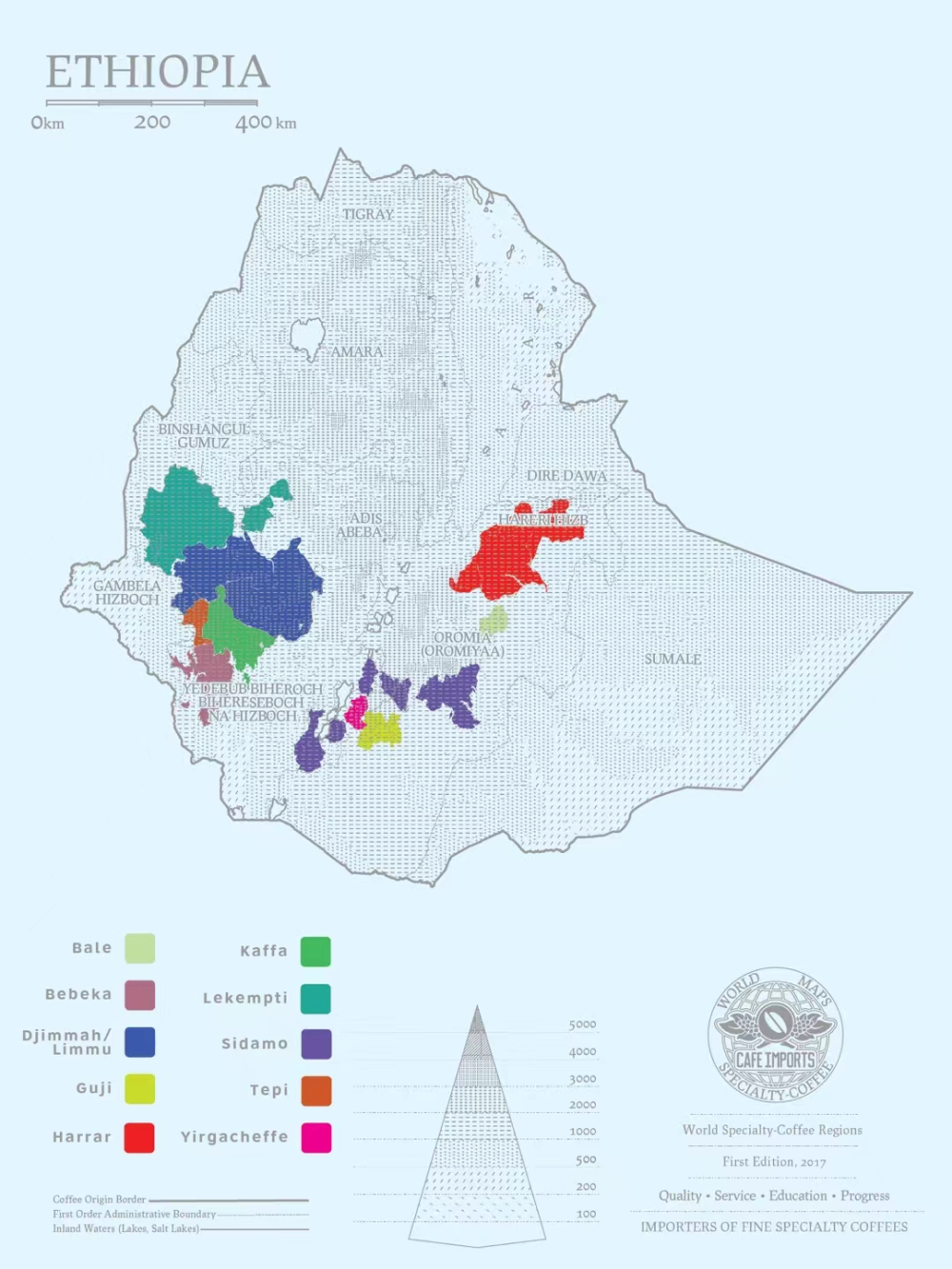
The Konga Cooperative is part of the Yirgacheffe Coffee Farmers Cooperative Union (YCFCU), a successful model formed by over two thousand small-scale farmers. It takes its name from its location near the Konga River and the village of Konga. The region’s Gedeo soil is rich in iron, with soil layers exceeding 1.5 meters in depth, providing a solid growing environment for coffee trees. Iron not only aids chlorophyll formation but also directly affects photosynthesis efficiency and nutrient accumulation, enabling the coffee cherries to develop more layered flavor profiles under rich nutrient conditions.
The distinctive qualities of Konga Cooperative coffee are not only due to its geographical advantages but also closely tied to the region’s strict bean selection and processing standards.
Most coffee beans produced in the Yirgacheffe region belong to local native varieties—an extremely diverse “mixed population” with a wide range of genetic traits. Due to the complexity of variety identification and local conservation priorities, specific cultivar names are generally not disclosed. These native varieties have adapted to the local environment over many years and have developed unique regional characteristics, hence the collective term “native variety.” Additionally, Ethiopian coffee export grading does not consider bean size, but rather defect rates and cupping performance. As long as there are fewer than three defects per 300 grams of green beans, they can be classified as the top-grade G1—this is why Ethiopian beans often vary in size yet consistently deliver remarkable flavor.
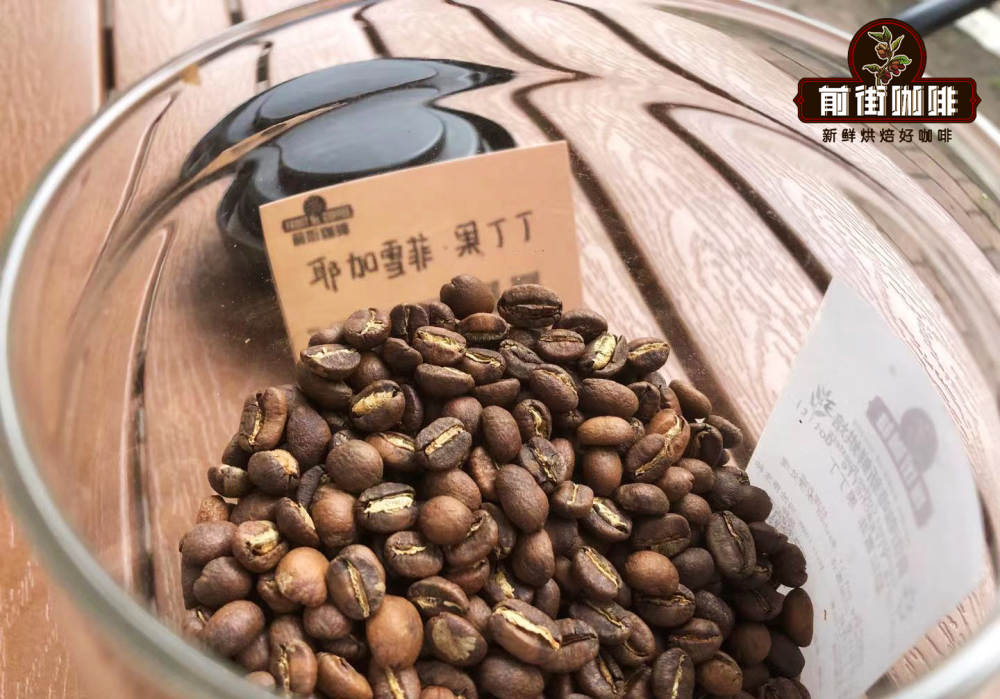
In terms of processing, these Konga coffee beans are naturally processed, showcasing intense fermented fruit aromas and a rich juice-like body. The Konga Cooperative has set up dedicated drying beds and employs rigorous selection, choosing only ripe red cherries while discarding unripe, damaged, or overripe beans. The parchment-covered beans are placed on shaded raised beds and sun-dried for two weeks until the moisture content stabilizes at 12%, ensuring concentrated and stable flavors before undergoing subsequent grading and packaging.
This processing method imparts the coffee with a wealth of tropical fruit notes, vibrant acidity, and pronounced sweetness, making it ideal for coffee lovers who enjoy fruity complexity and layered flavors.
To fully showcase the classic Yirgacheffe characteristics of Konga coffee beans, a medium-light roast is recommended to preserve the citrus notes and elegant floral tones. For brewing, the V60 filter is suggested, using a water temperature of 91°C, 15 grams of coffee, and a 1:15 brew ratio. This setup highlights bright berry-like acidity and a soft creamy-honey sweetness, resulting in a cup reminiscent of a multi-layered fruit juice blend.
Recommended brewing parameters: Use freshly roasted coffee beans with 4–7 days of rest for optimal flavor. Set the grind size to medium-fine (approximately 78% passing through a Chinese standard No. 20 sieve). Employ a pulse pouring technique—begin with a 30-second bloom using 30 grams of water, followed by a second pour of 95 grams of water in a steady spiral from the center outward. When the water level drops to two-thirds of the filter, add the final 100 grams of water. Maintain a slow, steady stream throughout, achieving a total brew time of around 2 minutes and 10 seconds for a bright, flavorful Konga natural-processed coffee.
This coffee not only delivers the solid mouthfeel characteristic of Ethiopian high-altitude beans but also, through meticulous processing and proper brewing, offers an unforgettable balance of fruity aroma and sweetness. It’s an excellent choice for those new to Yirgacheffe flavors or wanting to refine their pour over skills.
The above content is compiled by CoffeeHunters, a coffee news website.


