







Introduction:Indonesian Mandheling and Jamaican Blue Mountain, two globally renowned specialty coffees, each represent the pinnacle of rich and bold flavors. This article delves into their origin backgrounds, variety characteristics, grading systems, and provides practical pour over parameters and techniques to help you brew a balanced taste and layered profile close to professional level at home.
When it comes to specialty coffees with bold and rich flavors, Indonesian Mandheling and Jamaican Blue Mountain are often the top two choices that come to mind. These two coffee beans not only possess unique terroir from their regions of origin but also have high recognizability due to their historical backgrounds and processing methods. This article will comprehensively analyze the differences between these two classic coffees, covering everything from regional environments, variety features, grade classifications, to practical pour over recommendations and flavor comparisons.
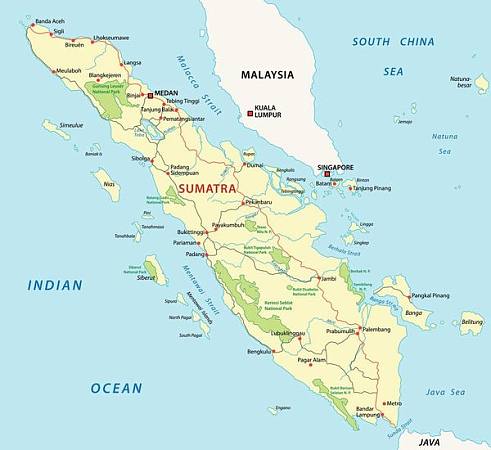
As the world’s third-largest coffee-producing country, Indonesia mainly produces Robusta, but the Arabica coffee grown on the island of Sumatra—widely known as “Mandheling”—is famed for its bold, full-bodied, low-acid, and mellow aromatic profile. Interestingly, “Mandheling” is not actually a coffee variety but rather the name of an ethnic group in Sumatra. It is said that the name originated during World War II when a Japanese soldier misinterpreted a local’s response and referred to the high-quality coffee produced in the region as “Mandheling,” a name that has been used ever since.
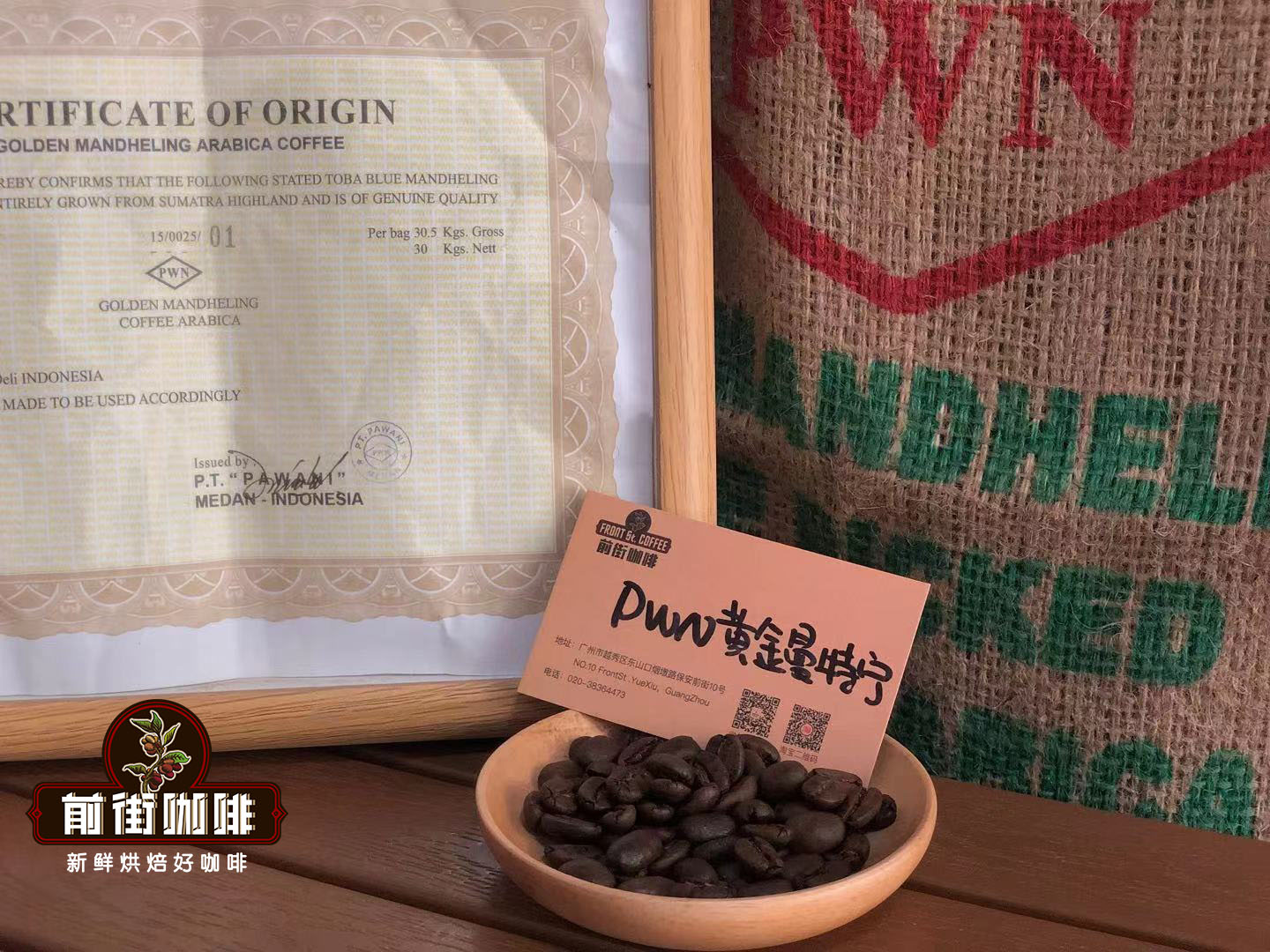
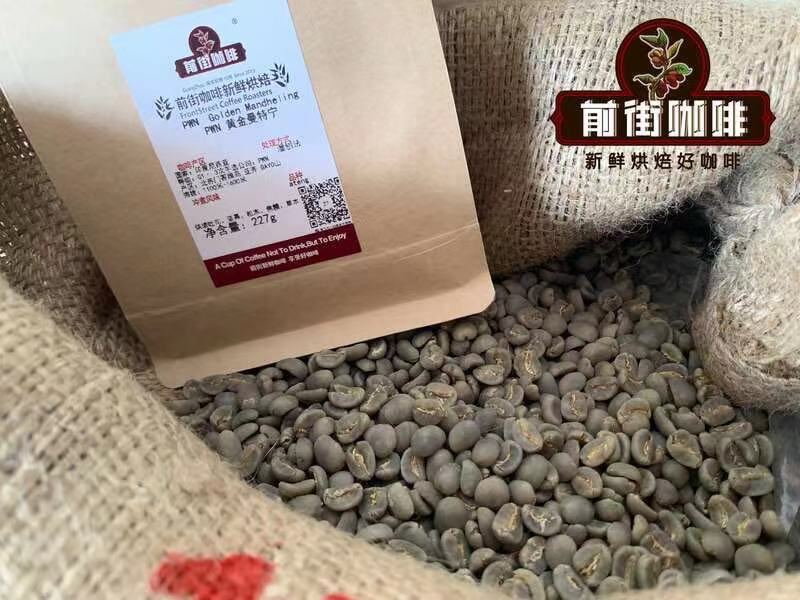
Currently, the high-quality Mandheling commonly found on the market mostly comes from Aceh or North Sumatra in Sumatra, with PWN’s Golden Mandheling being the most representative. PWN has extremely strict selection criteria for green beans, choosing only those beans that are size 18 or above and have no more than three defective beans per 300-gram sample—falling under the highest grade, G1. These beans undergo multiple rounds of manual sorting and ultimately feature uniform particle size and a deep green color, often exhibiting a slight golden sheen after roasting, hence the name “Golden Mandheling.”
On the other hand, Jamaican Blue Mountain coffee grows in the Blue Mountains of Jamaica, a Caribbean island nation, at elevations ranging from 910 to 1700 meters. With its cool, foggy climate and fertile volcanic soil, it creates an ideal environment for coffee cultivation. The rarity of Blue Mountain coffee is not just due to its geographical conditions but also because its growing areas are strictly limited by law to only four administrative regions: Saint Andrew, Saint Thomas, Portland, and Saint Mary, covering a total area of only about 6,000 hectares—less than one-third of the entire Blue Mountain planting zone.
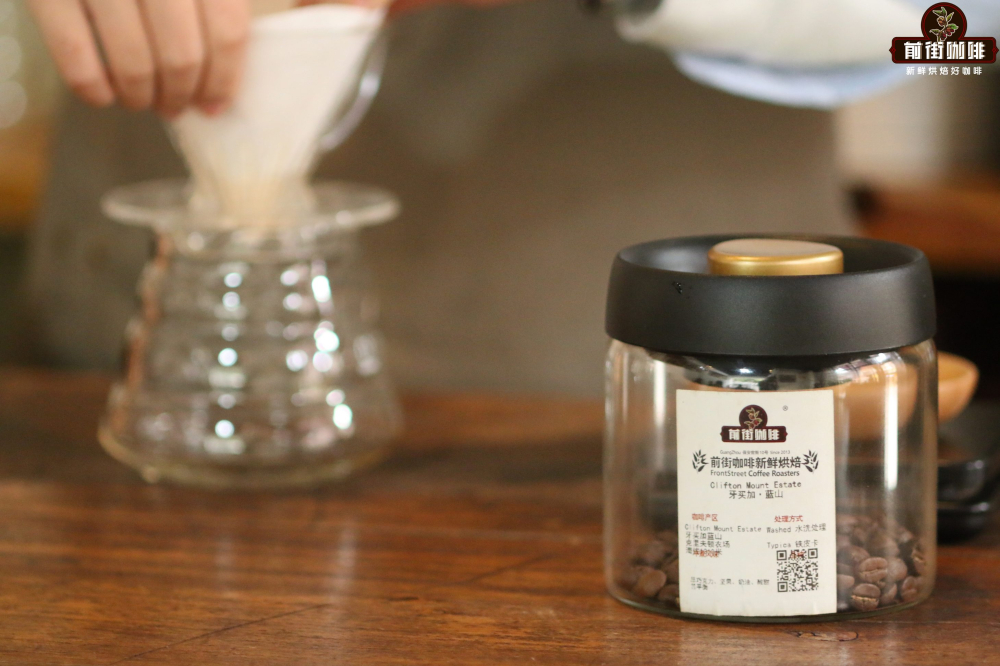
Blue Mountain coffee uses only the Typica variety, an ancient heirloom cultivar that, although low-yielding and susceptible to disease, has developed relatively stable performance thanks to the region’s unique microclimate and long-term adaptation. According to Jamaica’s Coffee Industry Regulation Act, only Typica grown within the specified altitude and regions qualifies as “Jamaican Blue Mountain Coffee.” Among them, Blue Mountain No. 1 is the highest grade, requiring strict conditions such as bean size of 17 or above, defect rate below 2%, moisture content controlled between 10% and 12.5%, and demonstrating an excellent balance of acidity, sweetness, bitterness, body, and aroma during cupping.
To maintain the quality and moisture content of the green beans, Blue Mountain No. 1 to No. 3 grade coffee beans are all transported in handmade wooden barrels, available in capacities of 70 kg, 30 kg, and 15 kg. Compared to the burlap sacks commonly used for other coffees, this method better preserves the freshness and flavor of the beans. A certain coffee shop sells Blue Mountain No. 1 sourced from Clifton Estate, the only Rainforest Alliance-certified farm in the Blue Mountains. Located at an altitude of approximately 1310.64 meters, the farm enjoys shaded afternoons, ample sunlight, and mineral-rich soil, allowing the coffee cherries to ripen slowly and develop a clean, well-layered flavor profile.
In terms of roasting and pour over parameters, to fully showcase the richness and clarity of these two coffees, a medium-dark roast is recommended. For pour over brewing, the KONO filter cone is suggested due to its unique short rib design, which slows down the water flow rate, helping to fully extract bold flavors while maintaining clarity. Suggested parameters are as follows: medium-coarse grind (approximately 73% passing through a standard 0.85mm sieve), 15g of coffee, a 1:15 coffee-to-water ratio, and a water temperature of around 88°C.
For the pour over steps, a three-stage pouring method is recommended: begin with a 30g bloom for 30 seconds, then pour in a circular motion with a slow stream until reaching 125g for the first pour. Once the water level drops and is about to expose the coffee bed, continue pouring to 225g before stopping, and let the filter cone drip naturally. The total extraction time is approximately 2 minutes and 20 seconds. This method helps balance extraction and enhances smoothness and layering in the cup.
In terms of flavor profile, Jamaican Blue Mountain No. 1 coffee features a base of black chocolate and nuts, with a clean and bright entrance where acidity, sweetness, and bitterness are well-balanced, offering a rich yet refreshing taste. Meanwhile, Mandheling showcases intense nutty and caramel aromas, with a deep chocolate tone, a long-lasting aftertaste, and rich layers, delivering a balanced and profound overall experience. Both are classic options that coffee enthusiasts shouldn’t miss—whether you’re trying bold flavors for the first time or already have some tasting experience, you can discover uniquely captivating coffee qualities in each.
The above content is compiled by CoffeeHunters, a coffee news website.


