







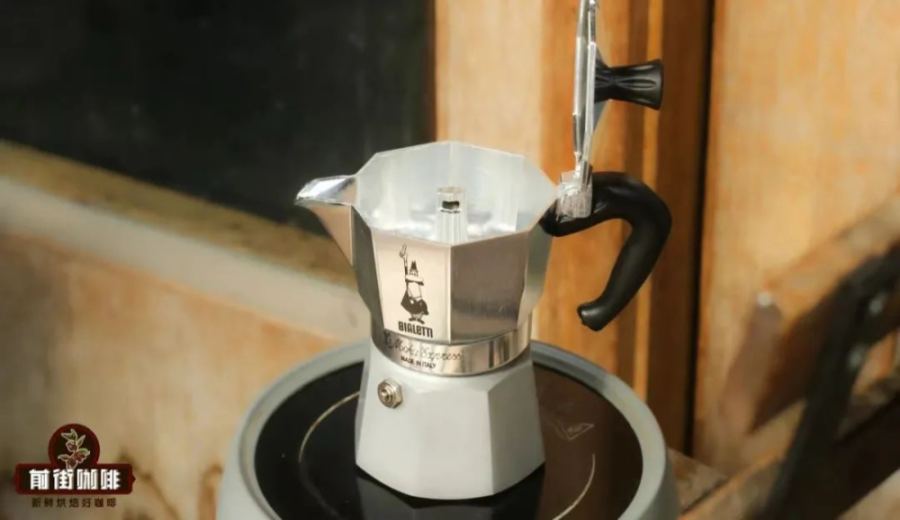
Introduction:Want to deeply understand the brewing principles and practical techniques of a moka pot? This article provides a detailed breakdown of the moka pot brewing process, grind size, and heat control, while also offering an in-depth comparison between aluminum and stainless steel materials. Additionally, it includes practical advice on cleaning and maintenance. From beginner to advanced, this guide will help you master the usage tips of this classic Italian coffee tool and improve the quality of each brew.
The moka pot, as a classic coffee brewing device originating from Italy, has long been favored by coffee enthusiasts worldwide for its simple operation and rich extraction effect. Not only can it easily produce coffee at home with flavors close to that of espresso, but its compact structure and versatile heating methods have also made it an essential household item. This article offers a comprehensive analysis, covering the moka pot’s basic principles, brewing techniques, common issues, as well as cleaning, maintenance, and material selection — helping you gain a more holistic understanding of this classic brewing tool.
The operating principle of the moka pot is actually not complicated. It primarily utilizes the steam pressure generated by heating to push water through the middle layer of coffee grounds, thereby extracting the coffee liquid. When the water in the lower chamber is heated, the temperature gradually rises and the steam increases the internal pressure, forcing the hot water to penetrate the coffee grounds located between the upper and lower chambers. Eventually, the extracted coffee liquid is pushed up into the upper chamber for storage. This high-temperature, pressurized extraction method results in a coffee flavor that is rich and intense, similar to that of espresso, although the pressure and precision still do not match those of a professional espresso machine.
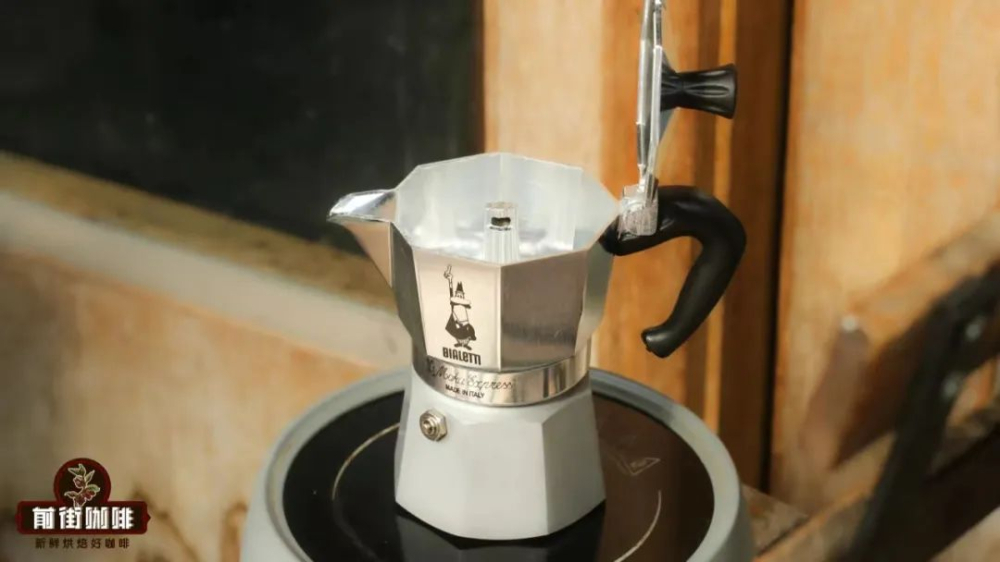
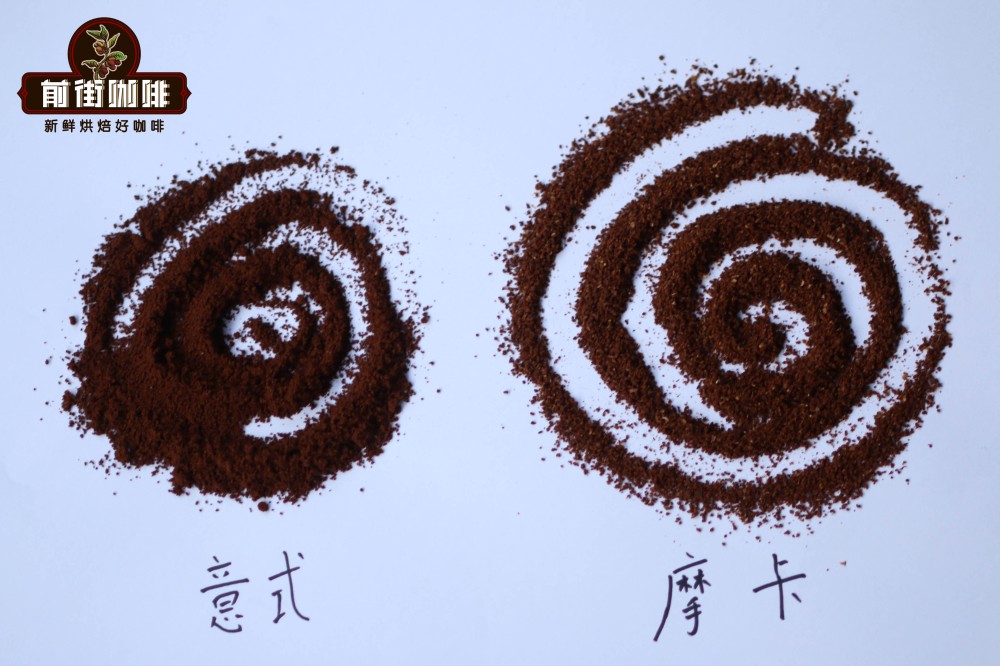
When it comes to choosing the grind size, the coffee grounds for a moka pot should be between those used for pour over and espresso. If an overly fine espresso grind is used, it can easily lead to over-extraction, resulting in a coffee that tastes noticeably bitter and astringent with a gritty mouthfeel.It is recommended to adjust the grind size to be close to the texture of fine sugar or sea salt, which allows for effective extraction of the coffee’s aroma and sweetness under appropriate pressure, without releasing too many bitter substances.
When filling the coffee grounds, the filter basket of the moka pot is usually designed with a preset water-to-coffee ratio based on its capacity. You only need to evenly fill it with coffee grounds, without the need for additional tamping. You can start by filling the basket to the top, then gently shake or tap it to level the coffee bed, and finally smooth the surface with your fingertip.Over-tamping can cause uneven water flow, leading to over-extraction in some areas and under-extraction in others, which in turn affects the overall balance of flavors.
Water temperature control is equally crucial. It is recommended to use near-boiling hot water (about 90–96°C) when filling the lower chamber. This not only shortens the heating time, but also prevents the coffee grounds from releasing burnt, bitter flavors due to excessive heat, and reduces the risk of metallic taste dissolving into the coffee liquid. If using cold water for direct heating, it will take longer to reach the optimal extraction temperature, during which the coffee grounds may over-ferment, negatively affecting the final taste.

As for flame adjustment, this is a common issue many beginners face. Generally, it is recommended to start heating on a low to medium flame, especially when using the moka pot for the first time or when using a smaller-sized one. Once the moka pot starts to steadily emit a ‘hissing’ or ‘gurgling’ sound, and you observe coffee liquid slowly flowing out from the upper valve, you can reduce the flame or even turn it off, letting the residual heat complete the final extraction. If the heat is too high, the coffee liquid might break through the coffee grounds layer due to excessive pressure, resulting in under-extraction and a sour taste. Conversely, if the flame is too low, it may prolong the extraction time, causing the coffee to become over-extracted and bitter.
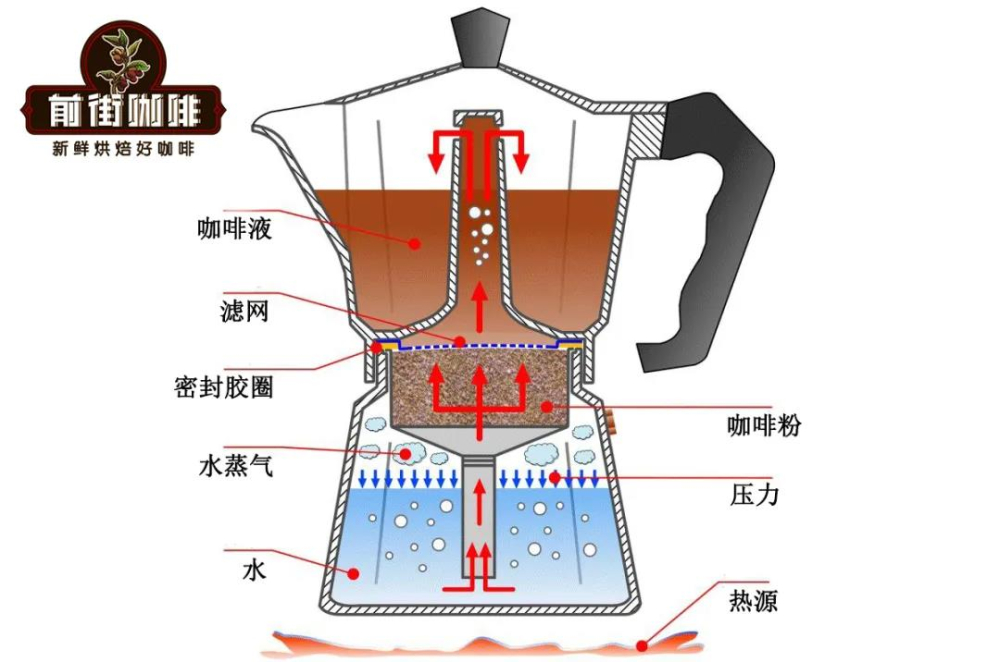
Additionally, safety precautions are essential when using a moka pot. Because the metal material becomes extremely hot during heating, it is recommended to use a damp cloth to assist in moving the pot to avoid direct contact and potential burns. If you hear an unusual ‘whistling’ sound during heating, but no coffee liquid is coming out of the upper chamber, you should immediately turn off the heat to prevent the risk of excessive internal pressure causing danger.
Cleaning and maintenance are key aspects in preserving the performance and flavor of the moka pot. After each use, the pot should be thoroughly rinsed with clean water immediately, especially the filter plate, rubber gasket, and coffee flow channels, to prevent residual coffee grounds or oils from clogging the pathways and affecting the next brew. Long-term neglect not only tends to produce burnt flavors but can also introduce off-flavors into the coffee, diminishing the overall drinking experience. It is advised to disassemble all parts after each use and let them air dry to avoid moisture retention, which could lead to rust or mold.
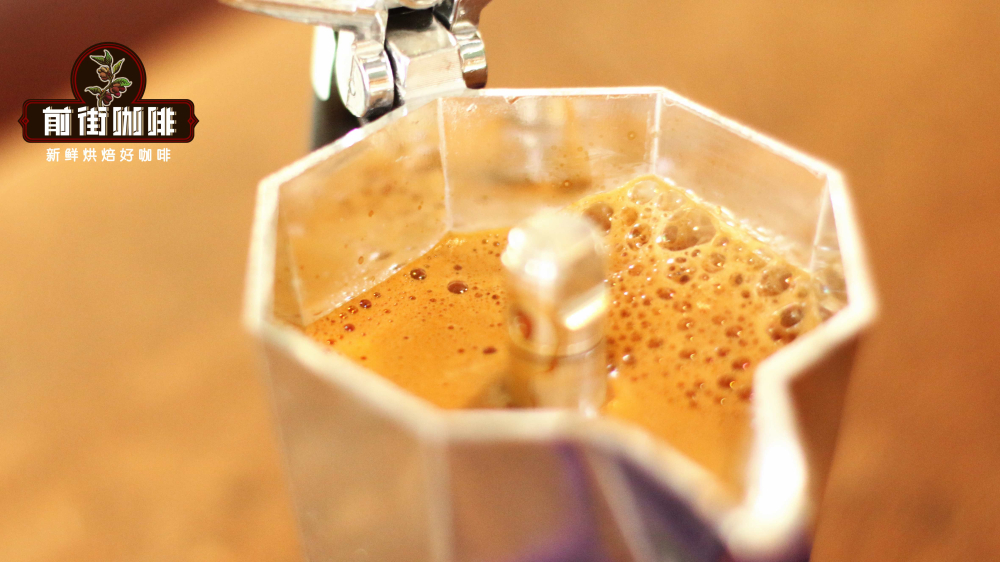
As for material selection, the most common materials for moka pots are aluminum and stainless steel. Aluminum moka pots are lightweight, heat up quickly, reach brewing temperature rapidly, and are relatively affordable. However, care should be taken to avoid prolonged contact with acidic foods or cleaning agents to prevent oxidation and discoloration. Stainless steel moka pots, on the other hand, are more durable, rust-resistant, and suitable for long-term use. They do not chemically react with coffee compounds, but their heat conduction speed is slightly slower, possibly requiring a longer heating time. Both options have their pros and cons, and users can choose based on personal needs and budget.
In summary, the moka pot is a coffee brewing tool that combines practicality and affordability. By mastering the correct grind size, water temperature, heat control, and cleaning methods, you can easily enjoy a rich coffee flavor similar to espresso at home. Whether you're a coffee novice or an advanced enthusiast, you can discover endless brewing enjoyment from this classic device.
The above content is compiled by CoffeeHunters, a coffee news website.


