







Introduction:Thanks to their low-temperature brewing process, cold brew and cold drip coffee offer a refreshing taste with low bitterness, making them a top choice for many coffee enthusiasts at home. But how long can these types of iced-brewed coffee actually be stored in the fridge? Can they really last up to 10 days? This article will delve into the brewing principles, equipment differences, bean selection, post-processing, and storage tips for cold brew and cold drip, while providing expert advice on when they are at their best and the potential risks after exceeding their shelf life.
In recent years, more and more coffee lovers have turned to making cold brew and cold drip coffee at home. These iced-brewed coffees, produced through low-temperature extraction, are widely loved for their refreshing taste and low bitterness, as well as their energizing effects and relatively healthy image. However, many people often wonder: how long can iced-brewed coffee be kept in the refrigerator? Specifically, is it still safe to drink coffee that has been refrigerated for 10 days?
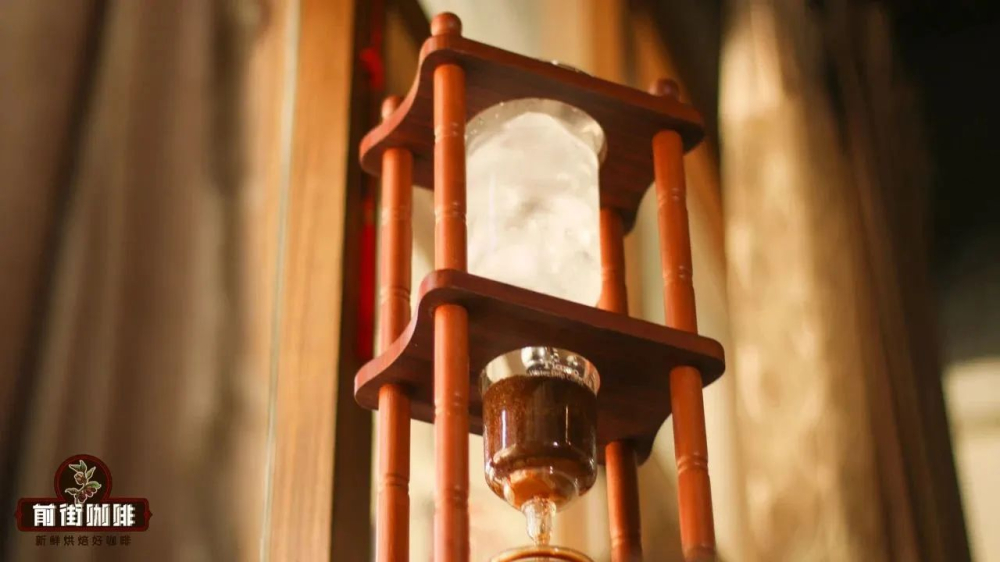
Both cold brew and cold drip belong to the low-temperature extraction method, but their biggest difference lies in the brewing approach: cold brew involves steeping coarsely ground coffee powder in cold water, typically left to sit at 0–7°C for 12 to 24 hours; whereas cold drip passes ice water slowly through a bed of coffee grounds drop by drop, extracting coffee liquid gradually in a slower and more meticulous process. If we compare it to hot water brewing, cold brew is similar to the immersion method used in a French press or clever dripper, while cold drip is closer to the drip filtration form of pour over. Cold brew usually delivers a balanced flavor, while cold drip showcases a richer layering.
The reason low-temperature extraction is favored is mainly because, in a low-temperature environment, the release rate of large-molecule bitter substances in coffee is significantly reduced, resulting in a final coffee liquid that has a fresher flavor with more prominent acidity and sweetness. For this reason, cold brew and cold drip are not only suitable for those who prefer a lighter taste but have also gradually become one of the representatives of healthy beverages.
If you want to replicate café-grade iced-brewed coffee at home, choosing the right equipment is crucial. For cold brew, although the principle is simple and the equipment requirements are not high—just a clean, sealable container is enough—it allows you to experiment with different flavors while saving costs. However, if you’re aiming for a more stable extraction effect, it’s recommended to use a dedicated cold brew maker, which can better control the coffee-to-water ratio and steeping time.
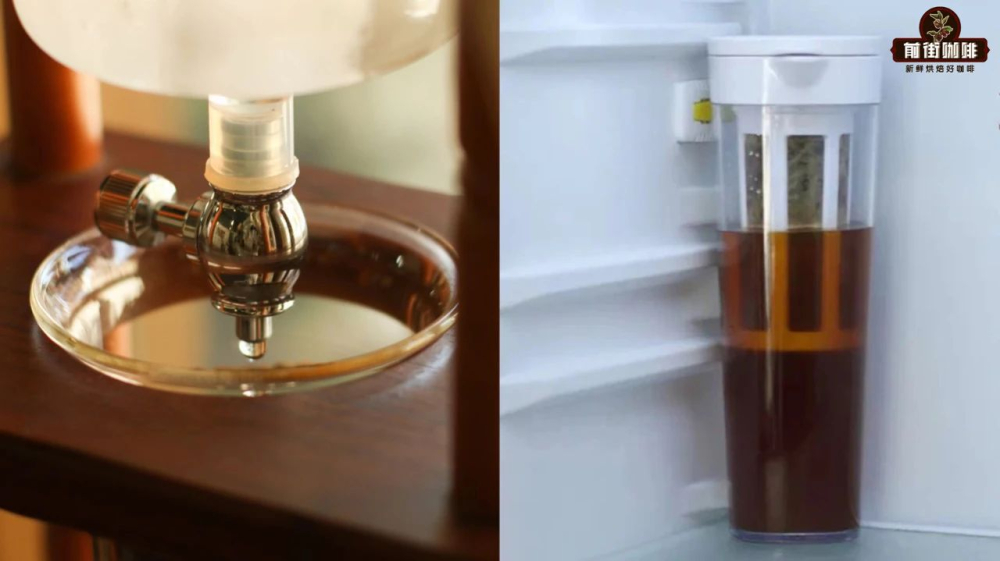
In comparison, making cold drip has a slightly higher barrier to entry. In addition to needing an upper chamber to hold the ice water, you also need a precise drip valve to control the dripping speed and a receiving pot that can stably collect the coffee liquid over a long period. While there are some alternative methods on the market, to achieve the ideal extraction effect, it’s still recommended to purchase a professional cold drip maker to ensure even dripping speed and overall stability.
Additionally, the choice of coffee beans directly affects the final flavor profile. If you prefer fruity and sweet-sour notes, you can choose beans with pronounced fruitiness—these beans can showcase delicate berry or floral characteristics under low-temperature extraction. If you want a more balanced flavor, you might opt for neutral bean varieties that offer a good mix of acidity, sweetness, bitterness, and body. For those who enjoy a rich and full-bodied flavor, dark roast beans such as Mandheling or Golden Mandheling are more suitable choices.
Many people want to taste their cold drip coffee immediately after brewing, but actually, it’s recommended to place the cold drip coffee in the refrigerator for another 10 to 12 hours after it's completed at room temperature—the flavor will become more rounded. This is because, during the cold drip process, the coffee liquid, due to the low temperature and slow dripping, tends to form uneven concentration layers from top to bottom. Right after completion, the flavors haven’t fully melded yet, and the layering may feel somewhat thin.
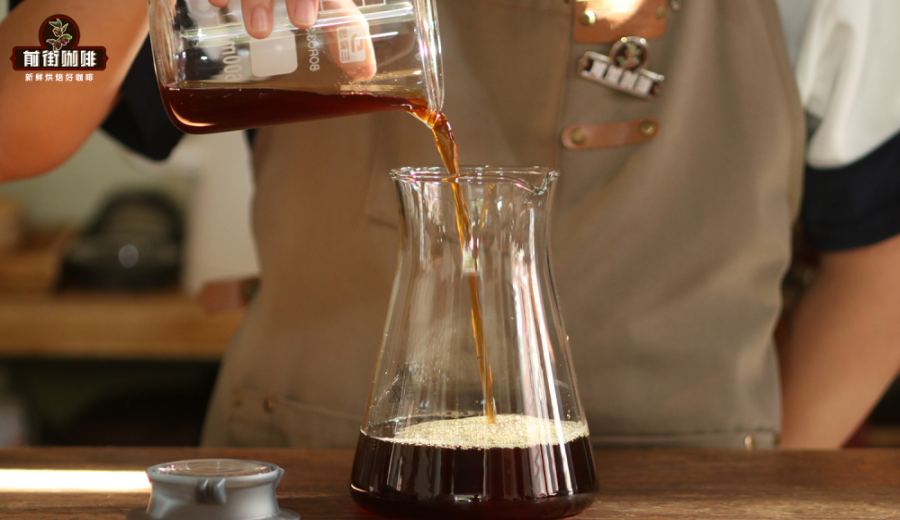
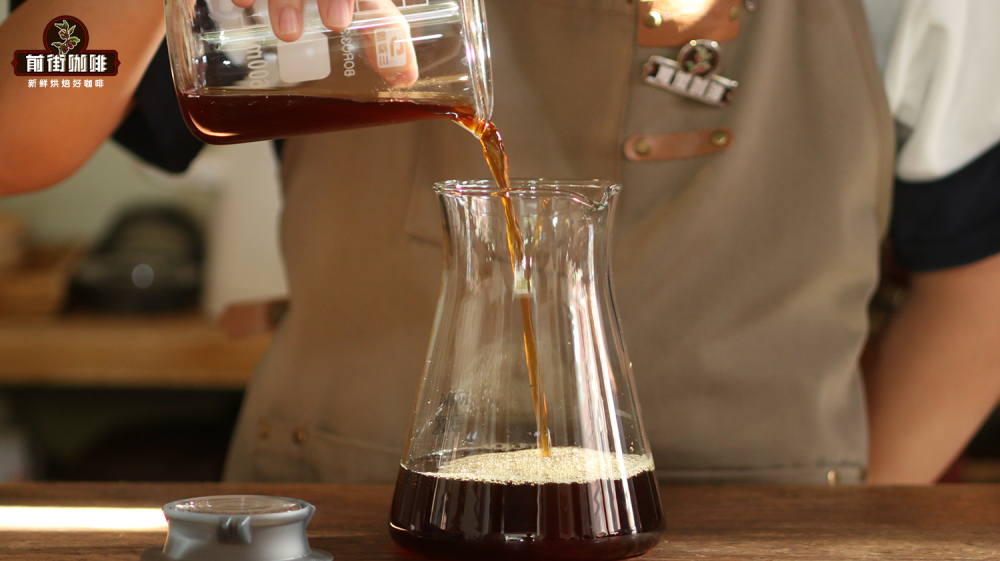
Pouring the cold drip coffee into a glass container with a sealing function and letting it sit in the fridge for about 12 hours helps the coffee liquid mix evenly. Meanwhile, the slow fermentation under the low-temperature environment can bring out richer aromas. It’s important to note that the container used in this step must be clean and well-sealed to avoid contamination from external bacteria that could affect the quality of the coffee.
So, how long can iced-brewed coffee actually be stored? Based on practical experience, cold drip coffee is at its best for flavor 12 hours after completion and refrigeration—this is when the taste is most intense and balanced. If you continue to store it, although it may maintain a certain level of quality initially, after 5 days, it’s prone to developing noticeable sour off-flavors or other signs of spoilage. It’s recommended to consume it before then.
As for cold brew coffee, since both its production and storage take place in a low-temperature environment, its overall stability is slightly higher than that of cold drip, and it can generally be kept in the refrigerator for about 7 days. However, similarly, as time goes on, fermentation flavors will gradually intensify, potentially masking the original aroma of the coffee. Therefore, it’s also advised to drink it within 5 days to enjoy the best flavor experience and ensure food safety.
The above content is compiled by CoffeeHunters, a coffee news website.


