







Introduction:The Geisha coffee beans from La Candelilla Estate in Costa Rica come from the high-altitude micro-mill operated by the Sanchez family, who have been dedicated to coffee cultivation in Tarrazú for five generations. Renowned for their traditional fermentation techniques and eco-friendly water recycling methods, these CoE-winning beans offer a richly layered flavor profile—from almond and plum to berry aromas—with a balanced acidity and a long-lasting finish. This article delves into the unique characteristics of the growing region, details of the processing methods, and provides professional pour-over parameters along with actual flavor experiences to help you explore the brewing secrets of this high-value specialty coffee.
The Geisha variety, celebrated for its distinctive aroma and numerous international competition accolades, has long become a legend in the specialty coffee world. While Panamanian Geisha is often regarded as the benchmark, the Geisha beans produced by La Candelilla Estate in the Tarrazú region of Costa Rica also demonstrate remarkable potential. These beans, sourced from the micro-lot processing facility jointly managed by nine members of the Sanchez family, leverage high-altitude terroir and refined processing methods to deliver a specialty coffee experience that balances complexity with exceptional value.
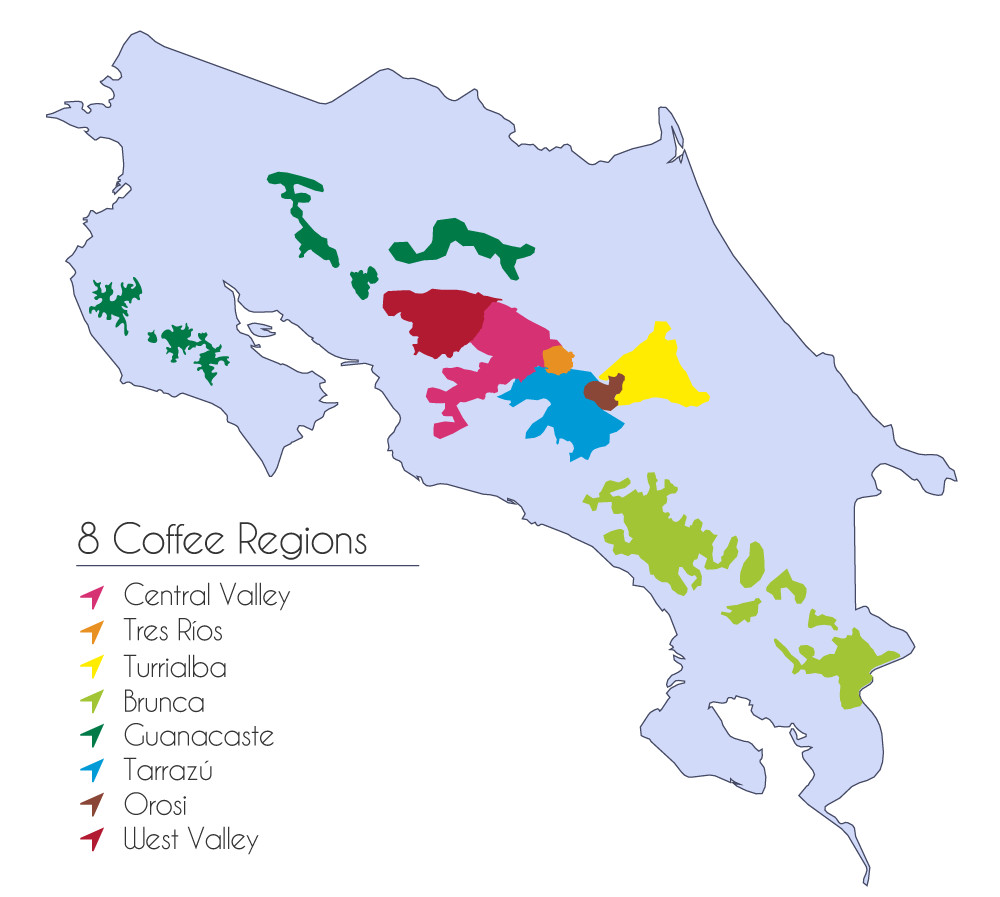
La Candelilla Estate is located within the Tarrazú micro-region at elevations ranging from 1400 to 1650 meters, falling under the sub-regions of La Sabana and San Marcos.This altitude imparts bright acidity and a complex aromatic structure to the coffee.Moreover, the estate consistently produces multiple batches of Geisha each year, all employing traditional washed fermentation techniques paired with an environmentally friendly water treatment system filtered by native plants, showcasing its dual commitment to sustainability and quality.
The name La Candelilla originates from the Spanish word for “little candle,” inspired by the glowing fireflies seen along the streams on summer nights, symbolizing the natural vitality of this land. The estate was established upon the foundation of five generations of farming by the Sanchez family. By the year 2000, nine siblings and their families decided to consolidate resources, merging nine previously separate small farms to jointly create this micro-processing facility. Under the leadership of Hugo and his daughter Marcia, the management team personally built the professional processing facilities that year, ensuring precise control over every step from harvesting to pre-roasting.
This processing facility produces approximately 15 to 30 containers of coffee annually, primarily of the Caturra and Catuai varieties, but in recent years it has also been dedicated to cultivating and developing the Geisha variety, steadily releasing multiple batches of Geisha coffee each year.Its uniqueness lies in the continuation of traditional washed fermentation techniques.—unlike the common dry fermentation method in Central America, this approach ferments the coffee beans in water, preserving more of the mucilage layer’s flavors and resulting in a richer and more varied taste profile.
The Sanchez family’s farming history in the region dates back five generations, with nine families previously managing independent plots. After long-term planning and collaboration, they integrated their land and techniques, not only improving efficiency but also becoming a model for Costa Rica’s transition from traditional cooperative models to independent, refined production. La Candelilla Estate is also one of the country’s first micro-processing facilities, and its success has inspired many small-scale producers to follow suit.
The estate produces approximately 1,000 bags of coffee annually, earning international market recognition for its consistent and high-quality output. In addition to maintaining traditional fermentation practices, the estate has also built its own large-scale lagoon system, using native plants to naturally filter processing water, ensuring zero pollution runoff into rivers and demonstrating a firm commitment to sustainable operations. Its geographical location within a microclimate zone of the Tarrazú region, characterized by significant day-night temperature variations and abundant sunlight at high altitude, provides ideal growing conditions for Geisha coffee.
This team has tested the following pour-over parameters for this La Candelilla Estate Geisha: it is recommended to use 15 grams of coffee grounds, with a 1:15 coffee-to-water ratio (i.e., a total of 225 grams of water), paired with a pour-over grind size similar to fine sugar and a V60 #01 filter. The brewing water temperature should be controlled at 90°C, with water added in three stages: the first stage involves pouring 30 grams of water for a 30-second bloom; the second stage pours 95 grams (cumulatively 125 grams) around the 1-minute mark, followed by a 15-second pause; the third stage pours 100 grams (totaling 225 grams) between 1 minute 35 seconds and 40 seconds. The overall extraction time is about 2 minutes and 10 seconds, which can fully showcase the flavor potential of the beans.
In terms of flavor profile, at high temperatures (around 85–75°C), distinct sweetness of black plum, brown sugar, and ripe black plum can be perceived, accompanied by a juice-like, full-bodied mouthfeel; as the temperature drops to mid-range (around 65–55°C), fresh notes of jasmine and green tea emerge, with a honey-like gentle sweetness lingering in the finish; at lower temperatures (below around 45°C), the classic delicate floral and fruity characteristics of Geisha return. The overall performance is balanced and layered, making it well worth savoring.
The above content is compiled by CoffeeHunters, a coffee news website.


