








Introduction:Cold brew coffee, known for its simple preparation method and refreshing flavor, is a favorite choice for many during the summer. However, questions often arise about how steeping time affects flavor, whether overnight cold brew is safe, and if it contains less caffeine. This article uses test data and practical advice to help you master the optimal steeping range of 8 to 18 hours, and provides two everyday cold brew scenarios to teach you how to consistently brew a balanced, healthy, and worry-free cup of cold brew.
In recent years, cold brew coffee has gained increasing popularity, especially among coffee lovers who enjoy iced coffee but don’t want to deal with complicated equipment. It’s an easy-to-handle brewing method that also allows for good flavor control. This low-temperature, long-duration extraction process is not only forgiving in terms of coffee bean selection, but also has minimal equipment requirements—making it easy to achieve great results even without specialized tools. More importantly, the cold brew process is stable and less prone to over-extraction or excessive bitterness due to operational errors.
When making cold brew coffee,grind size, coffee-to-water ratio, and steeping timeare the three most influential factors on the final flavor. Generally speaking, it's recommended to use a grind similar to medium-coarse for pour over (around 70%–85% passing through a Chinese No. 20 sieve, resembling sugar granules in appearance), with a coffee-to-water ratio typically set between 1:10 and 1:13. Meanwhile,the steeping time usually falls within the safe range of 8 to 18 hours. Among these three factors, steeping time offers the most flexibility, but it is also the key variable that most directly impacts the flavor profile of the coffee.

To better understand how different steeping durations affect flavor, we conducted an experiment: using the same batch of Red Cherry coffee beans, ground to a fineness close to that of fine sugar (about -9.5 on the EK43s grinder / -22 on the C40 grinder), with a fixed coffee-to-water ratio of 1:10, we steeped the coffee for 4, 10, 16, and 22 hours respectively, then filtered and tasted it to observe the flavor changes.
The experimental results showed that,cold brew steeped for 4 hours had noticeably underdeveloped flavor, exhibiting a single note of lemon acidity and a slight tea-like quality, with an overall thin mouthfeel and lackluster aroma. On the other hand,coffee steeped for 22 hours showed signs of over-extraction—while it had a higher body, it also came across as overly thick with a slight astringency, and even a sandy sensation in the aftertaste, reminiscent of strong tea. In comparison,the 10-hour and 16-hour brews exhibited the most balanced profiles, with the 16-hour version offering clear citrus acidity, a rounded sweetness, and a rich complexity that shines whether consumed neat or over ice.
4 hours: Dominated by lemon acidity, noticeable tea-like quality, weak aroma, and light mouthfeel
10 hours: Bright berry-like acidity and sweetness, refreshing mouthfeel, and moderate aroma
16 hours: Soft citrus acidity, full sweetness, overall balance, suitable for most palates
22 hours: Full-bodied but somewhat flat, with slight astringency and fermentation notes, and an unclean aftertaste
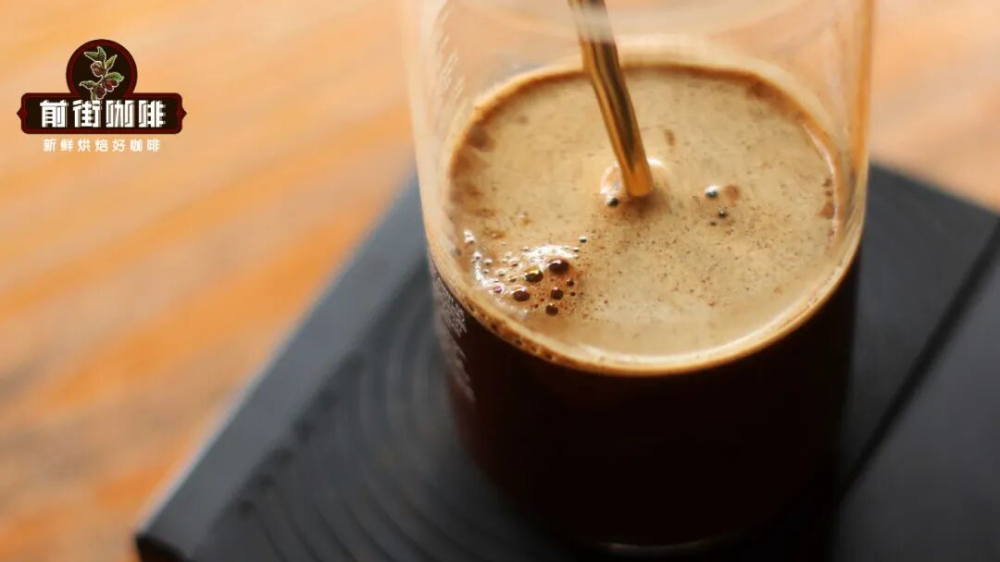
From this, it can be seen that the flavor direction of cold brew coffee is primarily determined bythe combination of grind size and steeping time. Since cold brew occurs at low temperatures, its extraction efficiency is lower than that of hot brewing methods. Therefore, appropriately extending the steeping time helps fully release flavor compounds such as sugars and organic acids, resulting in a richer mouthfeel and a more balanced acidity-to-sweetness ratio. However, it’s also important to note thatexcessively long steeping times can lead to over-extraction, releasing undesirable impurities such as woody notes, bitterness, and harsh astringency, which can ultimately detract from the overall experience.
Based on experience,8 to 18 hours is the optimal and safest steeping window for making cold brew coffee. Within this range, most users can find their ideal flavor balance by adjusting the combination of grind coarseness and steeping duration according to personal taste preferences.
So, what’s the appropriate steeping time for the busy pace of daily life? Here are two commonly used and practical solutions for your reference:
Scenario 1: Overnight cold brew, ready in the morning
If you’d like to enjoy cold brew first thing in the morning (around 7–9 AM), it’s recommended to mix the coffee grounds with cold water before going to bed (around 9–12 PM) and place it in the fridge to start steeping. This allows the coffee to extract quietly in a low-temperature environment for about 7–12 hours, ensuring sufficient flavor development without over-extraction. The next morning, simply filter and bottle it before heading out.
Scenario 2: Start in the morning, enjoy in the evening
If you prefer not to deal with filtering and other tedious steps in the morning, you can also choose to start your cold brew at 8–9 AM, place it in the fridge, and filter it when you return home around 6–8 PM. This also achieves a steeping time of approximately 9–12 hours, with equally excellent flavor results.
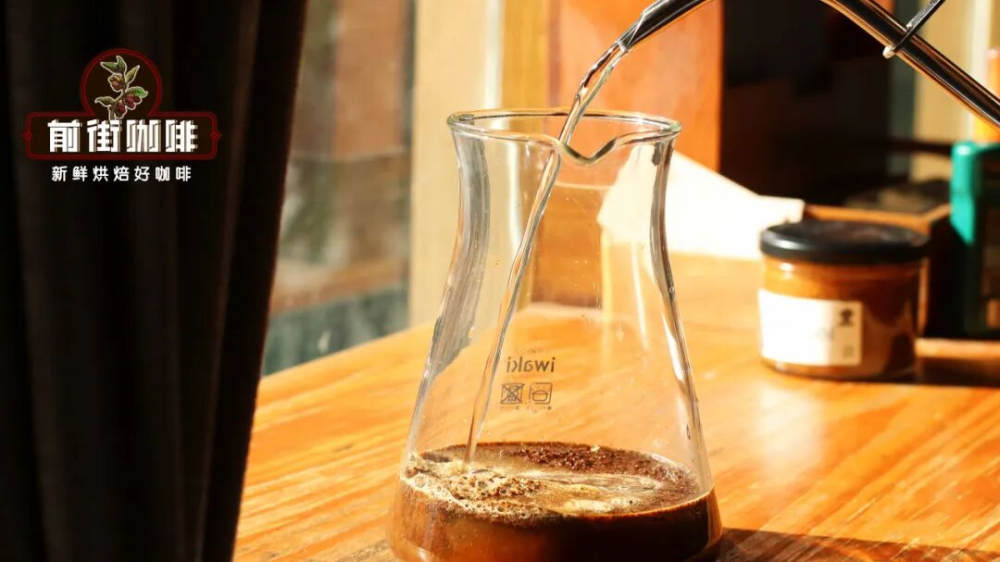
It’s also worth mentioning that once filtered, if cold brew is stored in the fridge, over time the internal compounds will gradually settle and some flavor components may continue to integrate and ferment, leading to a smoother, cleaner mouthfeel with reduced off-flavors. However, to ensure freshness and optimal flavor, it is recommended toseal and refrigerate the finished cold brew, and consume it within 5 daysfor the best drinking experience.
In summary, cold brew coffee not only has a low barrier to entry, but also offers diverse flavor possibilities through simple adjustments to steeping time. By mastering the 8 to 18-hour steeping window and flexibly adjusting based on your schedule, you too can easily enjoy a high-quality cold brew with balanced acidity, smooth mouthfeel, and refreshing taste—all made at home.

The above content is compiled by CoffeeHunters, a coffee news website.


