







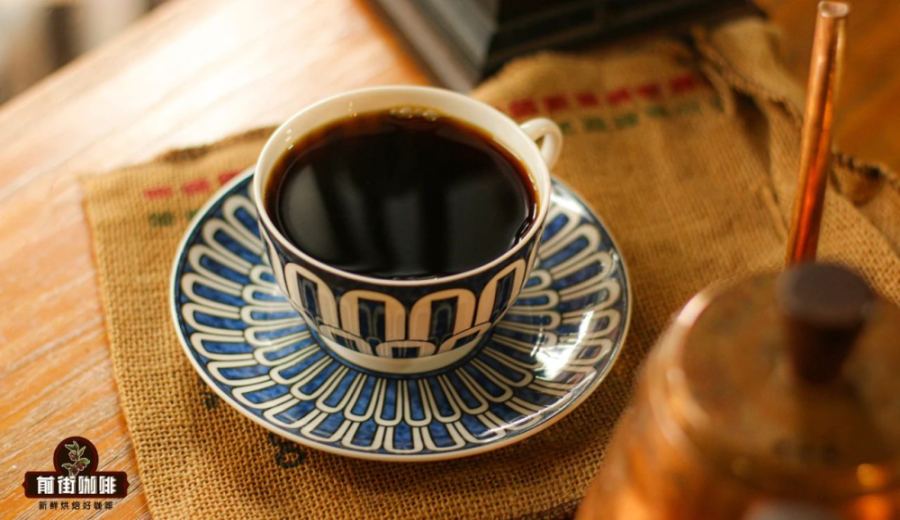
Introduction:Bourbon Pointu is a rare naturally low-caffeine coffee variety, with caffeine content as low as 0.5%, and is distinguished by its uniquely elongated bean shape and elegant flavor profile. This article delves into its historical origins, genetic characteristics, and flavor profile, while also offering practical pour over brewing suggestions. Discover how this once-extinct, now revived precious coffee bean has earned acclaim from the French royal court to world competitions.
Also known as Coffea Laurina, Bourbon Pointu is a rare Arabica variety with naturally occurring caffeine content of only 0.5%. It earns its name from its slender, pointed bean shape. Compared to regular coffee beans, it has an exceptionally low caffeine level yet retains a rich and delicate flavor, making it a dream bean for many coffee enthusiasts and professionals.
What makes this coffee special is not that it is decaffeinated through post-processing, but rather that it results from a natural genetic mutation that weakens caffeine production while preserving good flavor expression. However, due to its genetic weaknesses, Bourbon Pointu is highly susceptible to diseases, particularly leaf rust and coffee berry disease, leading to very low yields. For a long time, it could only be grown in small quantities in laboratories or specific environments, which is why its price remains high.
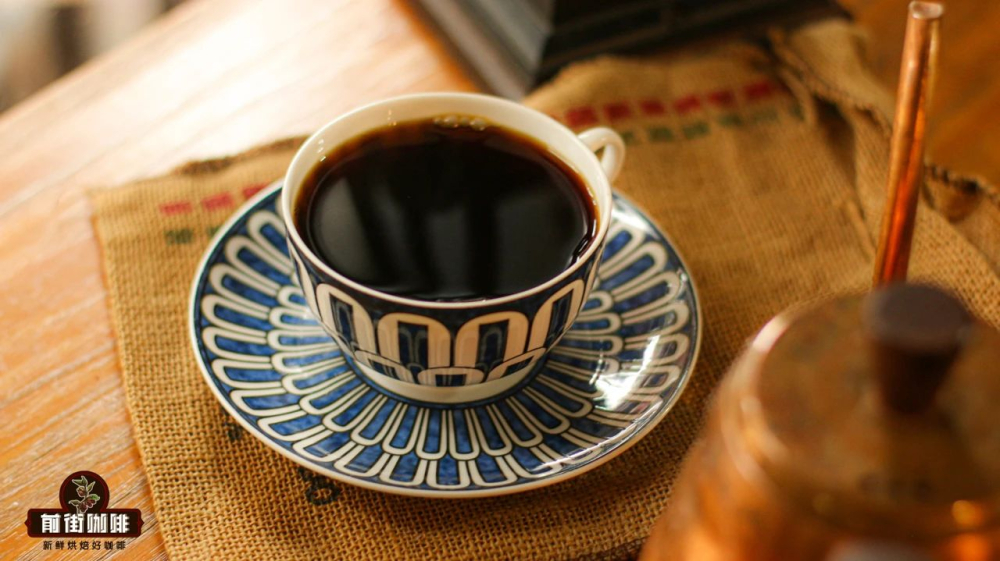
When it comes to low-caffeine coffee, most people might think of products that have had their caffeine removed via chemical or physical methods, but Bourbon Pointu is a naturally low-caffeine option bestowed by nature. Its caffeine content is only about 1/10 to 1/20 of that of regular Arabica beans, and this innate advantage has drawn increasing attention in the health-conscious and specialty coffee markets.
Looking back at history, Bourbon Pointu was highly favored by European royalty and literati in the 18th century. Both King Louis XV of France and the famous writer Honoré de Balzac sang its praises. At that time, this coffee was widely cultivated on the island of Bourbon in the Indian Ocean (now Réunion Island), with annual production reaching as high as 4,000 metric tons around the year 1800. However, due to natural disasters, pests and diseases, and wars, Bourbon Pointu gradually disappeared. By 1942, less than 200 kilograms were shipped back to France, and it subsequently all but vanished.
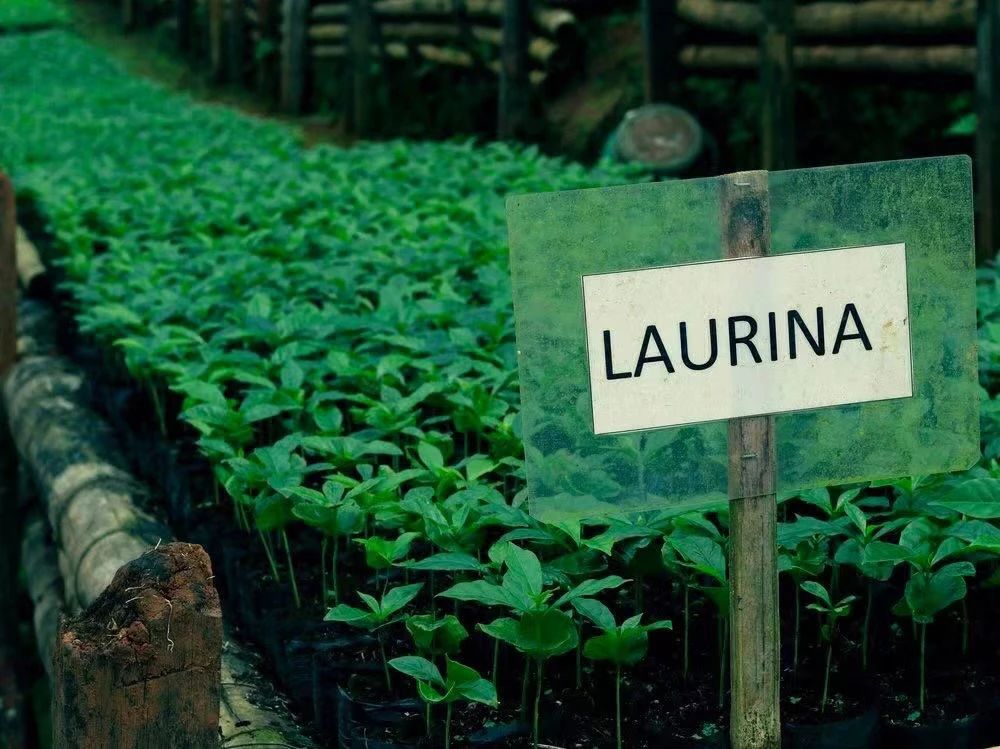
It wasn’t until 1999 that Japanese coffee expert Yoshiaki Kawashima heard rumors that low-caffeine coffee trees might still exist on the French island of Bourbon in El Salvador, prompting him to embark on a bean-hunting journey. In 2001, he unexpectedly discovered more than thirty unidentified coffee trees in the wilds of Bourbon. After identification, they were confirmed to be the long-lost Bourbon Pointu. Subsequently, French scientists and Japan’s UCC Coffee collaborated on a revival program. After years of effort, the first harvest of coffee beans was successfully achieved in 2006 and limitedly released in 2007, primarily supplied to the Japanese market. At that time, its price even exceeded four times that of top-grade Blue Mountain coffee.
The appearance of Bourbon Pointu coffee trees also differs from that of common varieties—the plants are shorter, with shorter branches and narrower leaves. The red cherries ripen earlier, but the trees are also more prone to disease. These traits make commercial cultivation highly challenging and further underscore its rarity and value.
In 2018, at the World Brewers Cup (WBrC), Swiss competitor Emi Fukahori won the championship with a Bourbon Pointu coffee bean from Brazil’s Daterra Estate, processed using a semi-carbonic maceration method. She stunned the competition. The Laurina (Bourbon Pointu) she used had 50% less caffeine than regular Arabica and lower chlorogenic acid levels, resulting in noticeably reduced bitterness and a smoother, rounder flavor.
Emi Fukahori described its flavor profile during the competition as including red grapes, orange blossom, pineapple, rum, and green apple—showcasing the unique fruity and sweet notes of Bourbon Pointu. It ultimately defeated numerous Panamanian Geishas to become one of the competition’s classics.
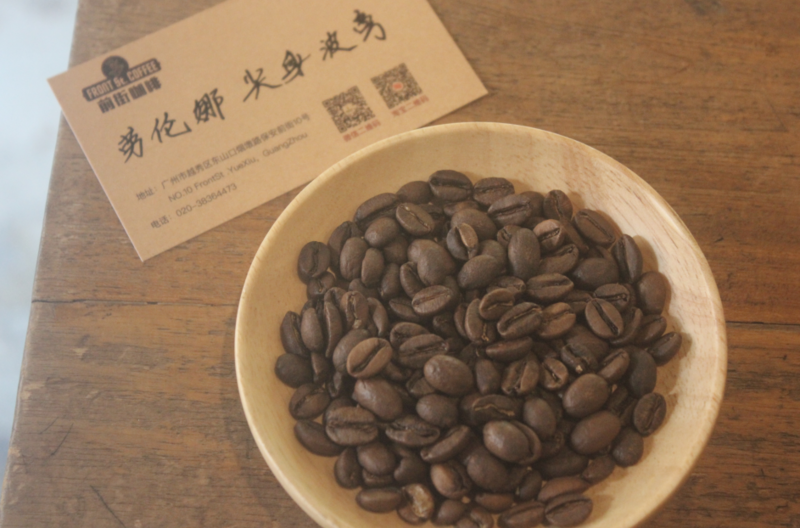
Today, although Bourbon Pointu is no longer as prohibitively expensive as in the past, it remains an extremely rare and precious coffee variety. If you have the chance to taste it, try exploring its unique charm through the pour over method.
Taking sun-dried Bourbon Pointu as an example, one coffee brand recommends the following pour over parameters, suitable for use with a Hario V60 filter:
- Coffee dose:15 grams
- Water temperature:90°C
- Grind size:Medium-fine (similar to granulated sugar)
- Coffee-to-water ratio:1:15
- Processing method:Sun-dried
Pour over steps (brewed in stages):
- First, pour 30 grams of water for the bloom, for about 30 seconds, until the surface of the coffee bed is dry.
- Then, pour water in small circular motions up to 125 grams, wait for the liquid level to slightly drop, then continue pouring up to 225 grams and stop.
- Total brew time should be controlled to around 2 minutes, and remove the filter when the liquid level is about to expose the coffee bed.
Flavor profile:The dry aroma reveals fermentation scents, light spices, nuts, and tropical fruit notes; the wet aroma features prominent floral notes; the cup is smooth, with a flavor profile led by red fruits (such as plums) and pine nuts, and a long-lasting sugarcane-like sweetness in the aftertaste—overall, it presents a delicate and layered experience.
The above content is compiled by CoffeeHunters, a coffee news website.


