








Introduction:An in-depth analysis of the technical core and flavor expression of the Ninety Plus 90+ Geisha series, from its Ethiopian origins to the Baru Volcano Estate in Panama. This article unveils how Profile Processing reshapes the flavor profile of Geisha. We’ve compiled the actual parameters and cupping characteristics of two popular beans, Eleta and Juliet, and provided V60 pour over recommendations to help coffee enthusiasts master the brewing techniques for high-end Geisha.
In the specialty coffee world, the name “90+” often sparks discussions about innovative processing methods and exceptional flavors. This U.S.-based green bean company is renowned for its groundbreaking Profile Processing system. From initially sourcing premium beans in Ethiopia to later establishing an exclusive Geisha estate in Panama, every step reflects their pursuit of flavor excellence. The currently popular Eleta and Juliet Geishas are classic representatives of this system. The following will fully explore 90+’s development history, estate background, varietal characteristics, and practical brewing guide.
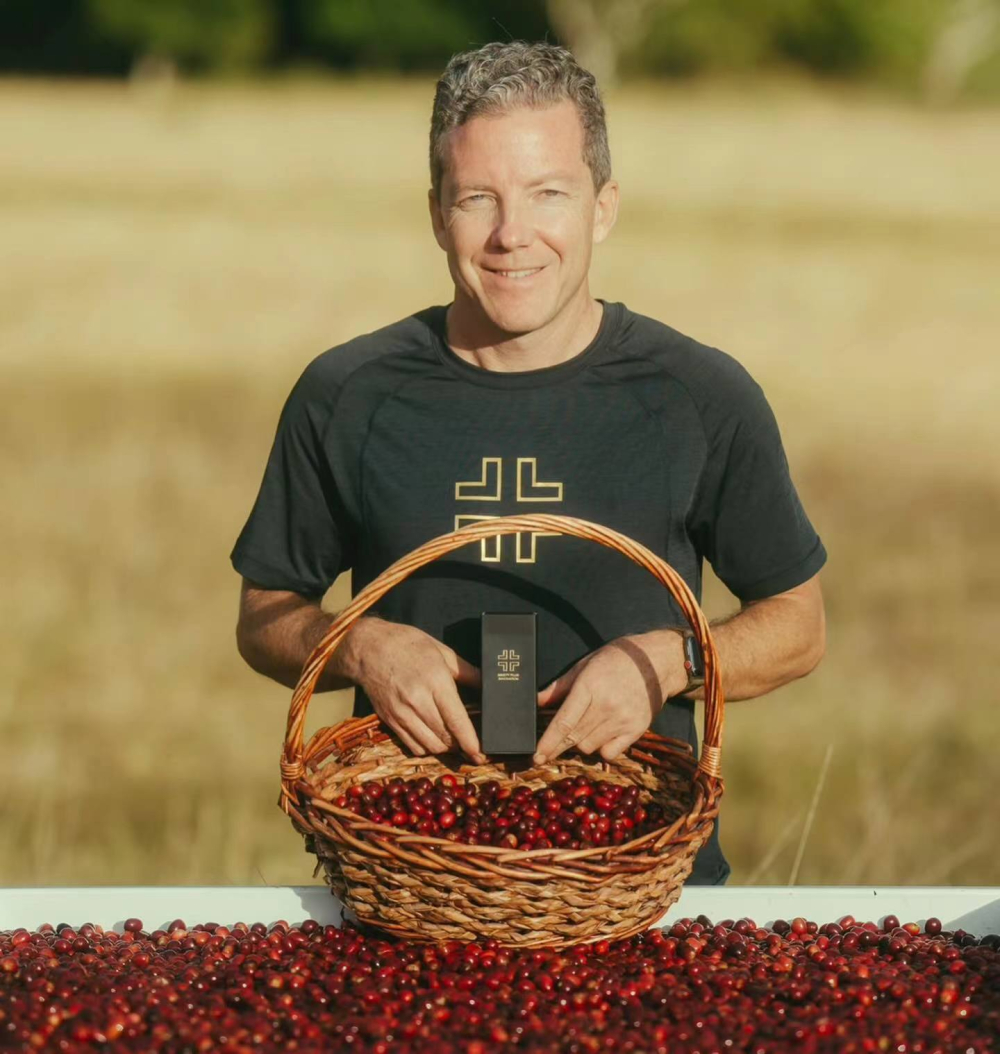
Many people’s first impression of “90+” is its high scores, but in reality, this brand has long transcended being just a score symbol. 90+ represents not only top-tier beans with cupping scores over 90, but also a crystallization of quality philosophy and technological innovation. At its founding, founder Joseph Brodsky chose not to follow traditional procurement routes, instead immersing himself in every stage from breeding to processing. Through the proprietary Profile Processing, he precisely controlled the direction of the coffee’s flavor. Initially limited by resources, the team started with post-harvest processing, purchasing freshly picked coffee cherries from local farmers and experimenting with processing at their own facility. Aricha and Beloya, two beans known for their intense fruity aromas, were among the earliest successes.

This approach of building a technical barrier starting from post-processing quickly helped 90+ accumulate reputation and capital, enabling them to delve deeper into the upstream production chain. They began collaborating with specific coffee farmers, providing detailed guidance on everything from planting altitude and harvest ripeness to processing parameters to ensure the final beans aligned with the brand’s flavor blueprint. More importantly, each batch of coffee undergoes multiple screenings, keeping only those batches that closely match the target flavor. This strict quality control is the core reason why 90+ maintains such a consistently high standard.
In 2009, the brand brought years of accumulated technology and experience to Panama to establish its own exclusive “Geisha Estate.” Prior to this, although the team had tried various varietals in Ethiopia, they had never found one that could match the quality of Geisha. Therefore, they decided to directly build upon this legendary variety, combining it with their innovative processing techniques to further unlock Geisha’s potential. After five years of careful cultivation, the estate officially produced its first batch of coffee beans in 2014, which now includes the highly regarded series on the market, featuring the popular Eleta and Juliet.
In the brand’s lineup, Eleta and Juliet are presented with a medium roast, fully showcasing the delicate layers unique to Geisha. Eleta is grown at altitudes of 1400–1800 meters and processed with a special method, offering a flavor profile that includes bright fruit acids like bergamot, sweet orange, and pineapple, paired with the sweetness of longan and preserved fruits, as well as a refreshing apple-like aftertaste. Juliet presents a rounder body, with muscat grape and champagne aromas as the main theme, complemented by the freshness of perfume lemon, and a long-lasting honey-like sweetness in the finish. Both beans are of SHG (Strictly High Grown) grade and are typical representatives of high-altitude specialty Geisha.
For these two 90+ specially processed Geishas, we recommend using the V60 dripper for pour over. The suggested parameters are: 15 grams of coffee, 92°C water temperature, a 1:15 coffee-to-water ratio, and a grind size similar to superfine sugar (approximately 80% passing through a #20 sieve). Since an anaerobic natural process is expected, a finer grind helps balance the faster drawdown speed. Specific steps: fold and fit the filter paper into the dripper, rinse it with a small amount of hot water and discard the rinse water; add the coffee grounds, gently tap to level, and then pour 30 grams of water for a 30-second bloom; follow with a circular pour up to 135 grams, maintaining a steady flow rate; when the water level drops by about half, continue pouring to a total of 225 grams, with the total extraction time controlled to around 2 minutes, resulting in a cup of distinctly flavorful 90+ Geisha.
The technological evolution of 90+ has not stopped. In 2019, the brand acquired land near the Baru Volcano in Panama and established the new “90+ Baru Estate.” This new site, blessed with volcanic soil, is expected to bring even more diverse flavor expressions to the Geisha series. From cultivation to processing, 90+ continues to redefine the limits of specialty coffee through the combination of science and experience. The future output of this new estate is definitely something coffee enthusiasts should keep an eye on.
The above content is compiled by CoffeeHunters, a coffee news website.


