








Introduction:Ethiopia’s Guji region, with its unique high altitude and significant day-night temperature variations, produces coffee beans with vibrant and diverse flavor profiles. In particular, the native varietals Geisha and Huika grown in the Hambella sub-region are the dream choice for pour over enthusiasts. This article will delve into the geographical characteristics of the Guji region, the meticulous sun-drying process at the Buku washing station, and how appropriate roasting and brewing methods can bring out captivating layers of citrus, peach, and strawberry jam, guiding you through the complete knowledge from origin to cup.
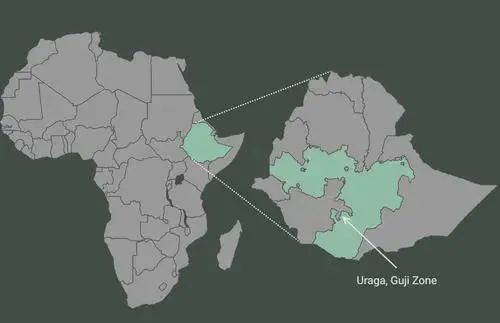
Within Ethiopia’s coffee map, the Guji (Guji) region has always stood out for its distinctive flavor personality. Although it was once part of Sidamo, due to its terroir being similar to but even more unique than that of Yirgacheffe, it was eventually designated as an independent specialty region. The coffee-growing areas here, especially the Hambella sub-region, benefit from high altitude and notable diurnal temperature differences, resulting in coffee cherries rich in bright acidity and fruity notes—making it the cradle of many specialty coffees.
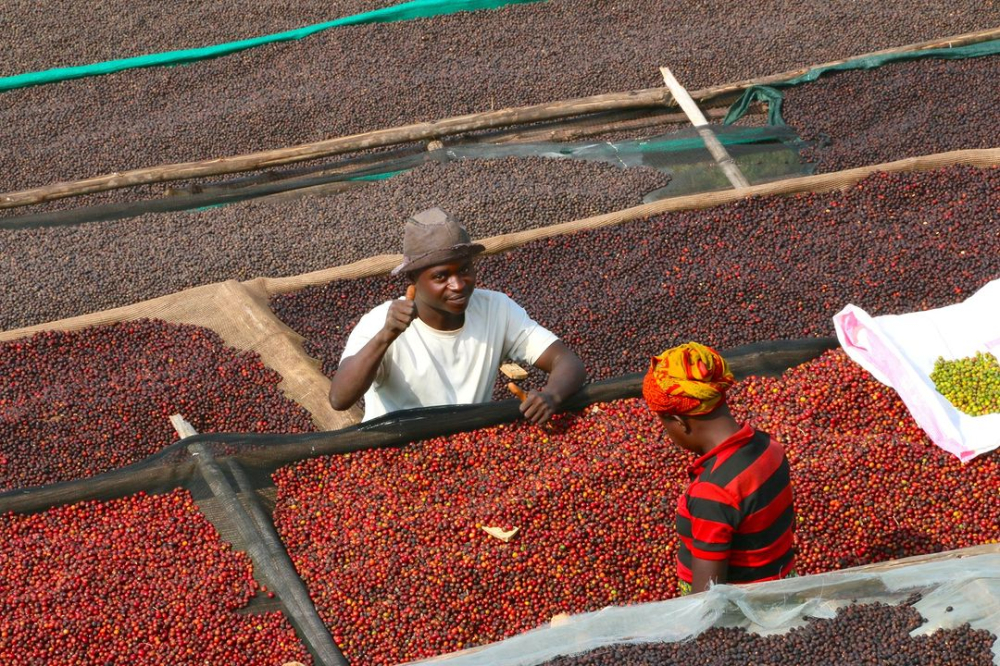
The soil in the Guji region is nutrient-rich, mostly fertile black soil, combined with a high-altitude growing environment year-round, allowing coffee trees to mature slowly and accumulate more complex flavors. Particularly the Arabica varieties planted in mid-to-high altitude areas exhibit brighter and clearer acidity, providing an excellent foundation for Huika and other native varietal Geishas. The main harvest season is from December to January each year. During this period, the Buku washing station carefully selects only fully red ripe cherries, requiring a sugar content of 30 or above to ensure the maturity and sweetness base of the coffee cherries.
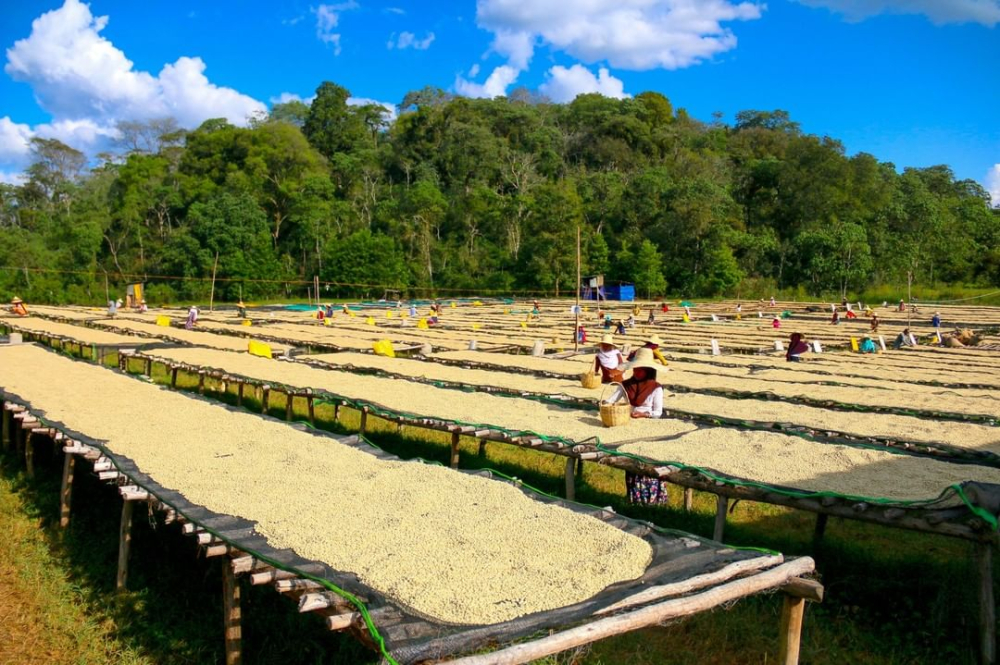
In terms of processing methods, the Buku Abel washing station uses the African Bed method for sun-drying, a traditional technique that emphasizes detail and environmental control. To avoid over-fermentation caused by high temperatures at noon, farmers provide shade during the day to control the temperature; at night, plastic sheeting is used to prevent unexpected rainfall from affecting the drying process. Throughout the drying period, coffee cherries must be constantly turned, and the stacking thickness is strictly managed to ensure even heat distribution and drying for each bean. After approximately 18 days, the moisture content of the green beans is stably reduced to 13%, at which point they are packaged and stored.
This rigorous processing procedure is ultimately reflected in the coffee’s flavor profile: the Huika G1 natural-processed beans exhibit intense tropical fruit notes. Upon tasting, one can distinctly perceive the bright acidity and juicy sweetness of citrus and pineapple; the mid-palate reveals the soft fleshiness of peach and guava, accompanied by a sweet aroma reminiscent of strawberry jam, while the finish leaves a lingering floral note and the round, mellow body akin to black tea. The overall flavor is well-layered with a long-lasting aftertaste.
Ethiopian coffees generally possess bright acidity and a light body, and native varietals, in particular, showcase unique floral and fruity aromas. Therefore, in terms of roasting strategy, light to medium roasts are predominantly used to preserve their intrinsic flavors and delicate layers to the greatest extent. Deep roasting not only suppresses the original floral and fruity notes but also tends to bring out overly heavy caramel tones and bitterness, deviating from the fresh style the region is meant to deliver.
For the specific characteristics of this Huika G1, two different roast profiles are recommended: one is a medium-light roast, ideal for pour over and cold brew enthusiasts who enjoy fruit acidity and aromatic layers; the other is a medium roast version, specially designed for users of espresso machines and moka pots, offering a more balanced sweetness and body in espresso and milk-based drinks.
If you choose to brew this coffee using a pour over method, it is recommended to grind to a medium-fine consistency (similar to granulated sugar), with water temperature controlled between 90–92°C. Filters such as a Chinese pot, V60, or KONO can all be used. It is recommended to employ a multi-pour extraction method—for example, start with a 30-gram bloom for 30 seconds, then gradually pour up to a total of 240 grams. Keep the total brew time between 2 minutes and 30 seconds to 3 minutes, which helps highlight clear fruit acidity and aroma layers while avoiding over-extraction that could lead to bitterness.
In summary, the native varietal Geisha and Huika from the Guji region not only carry the soul of Ethiopian coffee, but also, thanks to strict processing procedures and a uniquely favorable geographical environment, have created dream beans for pour over enthusiasts. Whether you are a beginner or a seasoned coffee lover, understanding the region’s terroir, processing details, and roasting concepts are key to elevating your brewing quality and flavor experience.
The above content is compiled by CoffeeHunters, a coffee news website.


