







Introduction:Indonesian Mandheling is often misunderstood as having only the bitter taste of dark roasts, but in reality, with the right processing method and roast level, you can enjoy its classic profile of richness layered with herbal and spicy notes. This article delves into the origins of the name “Mandheling,” the characteristics of Sumatra’s main producing regions, the principles behind the wet-hulled processing method, and compares the differences between Golden Mandheling (G1 grade) and Lintong Mandheling. It also provides practical pour-over parameters and roasting recommendations to give you a comprehensive understanding of this highly representative Indonesian coffee.
Many people’s first impression of dark roasted coffee is intense bitterness and burnt flavors, but in fact, Mandheling from Sumatra, Indonesia, presents a completely different profile. This classic coffee, thanks to its unique wet-hulled processing method, achieves a full-bodied texture and deep aromatic profile, making it an irreplaceable presence in the hearts of coffee lovers worldwide. This article will detail the origins of the name “Mandheling,” its main growing regions, the features and reasons behind wet-hulling, as well as the flavor impact of the two major varieties TimTim and Ateng. It also analyzes the definition of G1 grade and compares the popular Lintong Mandheling and PWN Golden Mandheling in terms of flavor expression, roasting approach, and pour-over suggestions, helping you gain a fuller appreciation of this deep and layered coffee.
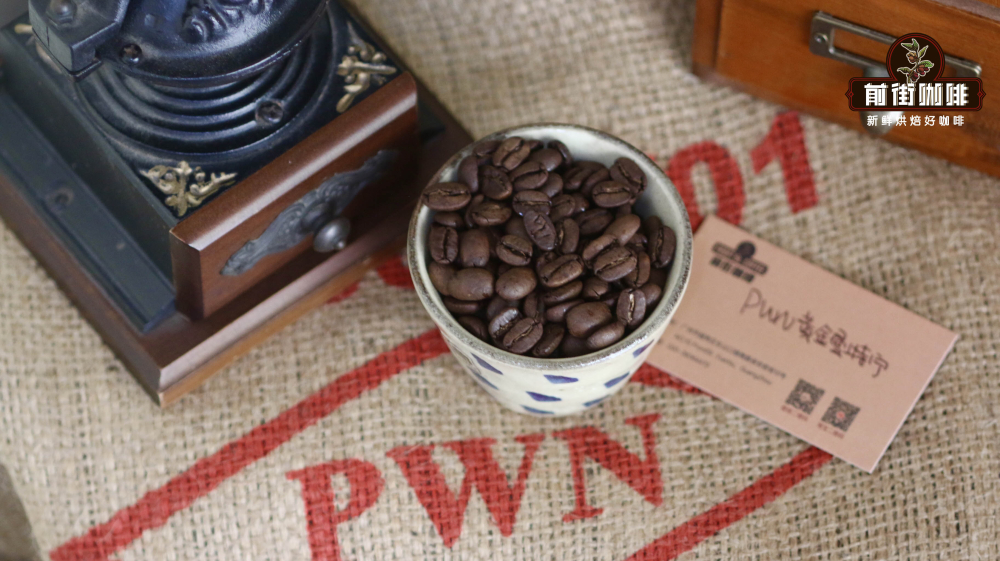
Influenced by the common practice of dark roasting in chain stores, many consumers associate Mandheling with bitterness and burnt notes, which has given it a somewhat negative reputation. However, a high-quality Mandheling that is properly roasted can actually present complex tones of cedar, licorice, and dark chocolate, with a rich and steady mouthfeel and even a hint of delicate woody aroma in the aftertaste. Although its flavor profile differs from the current mainstream fruity and floral coffees, Mandheling maintains its position as a “classic coffee” thanks to its stable and solid performance. Especially with the promotion by well-known roasters, the Golden Mandheling from Indonesia’s PWN company has long been favored by consumers.
There is an interesting historical anecdote about the origin of the name “Mandheling.” It is said that during World War II, a Japanese soldier tasted an unforgettable cup of high-quality coffee in Sumatra and curiously asked what kind of coffee it was. Due to a language barrier, the locals misunderstood the question as being about his ethnicity and answered “Mandheling” (Mandheling). After the war, the soldier introduced this coffee to the Japanese market, and for ease of remembrance, he continued to use the term “Mandheling” to refer to Sumatran Arabica coffee. Since then, this name has become widely known.
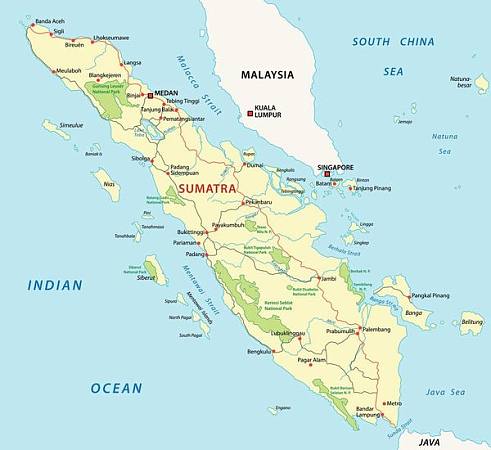
Sumatra is located in western Indonesia, with relatively low overall altitudes. The regions suitable for growing Arabica are mainly mountainous areas between 600 and 1200 meters above sea level. Currently, premium-grade Mandheling mainly comes from the Lintong and Gayo Highlands regions. The climate there is warm and water is abundant, but it is rainy year-round with frequent typhoons, which is not conducive to the stable sunny weather needed for sun-drying. Additionally, the local economic conditions limit the affordability of more costly washed processing equipment. As a result, a processing method adapted to the local climate and economy—wet-hulling—emerged.
Compared to traditional washed processing, which takes 1 to 3 weeks, the entire wet-hulled process can be completed in just a few days. This method first removes the coffee fruit’s skin and pulp, undergoes brief fermentation, and then is sun-dried. When the beans reach a half-dry state, the parchment layer is removed, followed by further drying to around 12% moisture content, before finally being packed, sorted, and graded. Although this method is more efficient, in Indonesia’s humid and hot environment, improper handling can easily lead to moisture absorption and mold on the green beans. In addition to Sumatra, Sulawesi and Papua New Guinea also commonly use this method, mainly because these regions share a tropical rainforest climate with humidity levels consistently between 70% and 90%, making it difficult to effectively dry green beans through prolonged sun exposure. Coupled with the high cost of washed processing, farmers developed this semi-washed wet-hulled technique. However, because the beans remain exposed to air moisture after the parchment layer is removed, Mandheling often carries steady aromas of wood, herbs, and spices.
The main varieties grown in Sumatran Mandheling are Ateng and TimTim. These names may sound unfamiliar, but TimTim is actually the Timor variety with Robusta lineage, while Ateng is Catimor, a hybrid of Caturra and Timor. The biggest advantage of these varieties is their strong resistance to diseases and pests, enabling more stable growth in Indonesia’s hot, humid, and pest-active environment. Due to the inclusion of a small amount of Robusta genetics, combined with the influence of wet-hulling and medium altitudes, Mandheling generally exhibits unique flavors of herbs, woody incense, and spices, rather than bright fruity or floral notes.
Although Ateng and TimTim sound similar, Ateng is actually a further crossbreed of TimTim with Caturra genetics, resulting in usually cleaner flavors and relatively more pronounced sweetness. In addition, every step from harvesting and drying to final quality sorting affects the final performance of the coffee beans. The most common Mandheling coffees on the market are the standard Mandheling from the Lintong region and the Golden Mandheling launched by PWN.
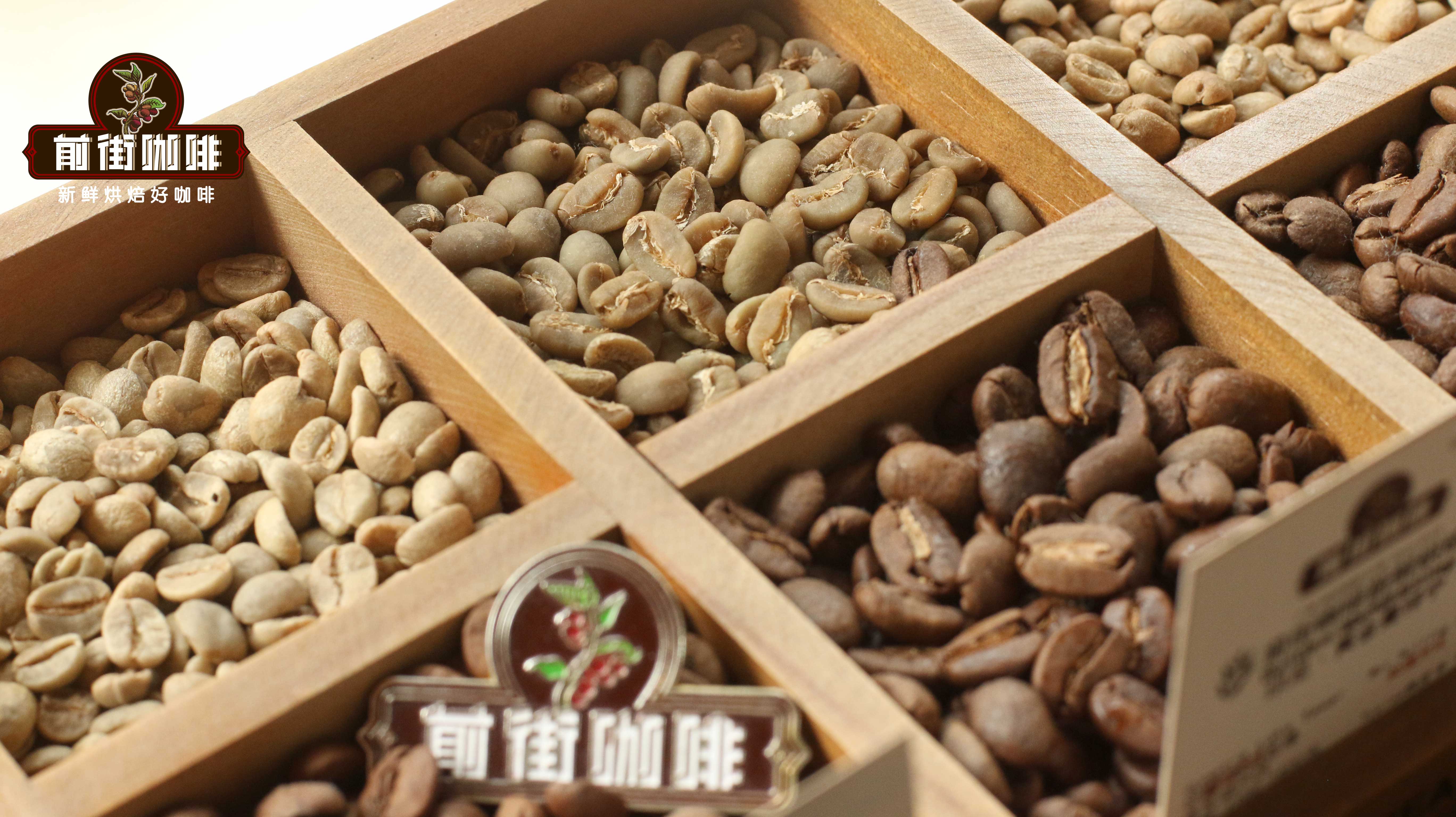
The biggest difference between the two lies in grade and selection standards. PWN Golden Mandheling undergoes at least three rounds of pure manual sorting after processing to ensure each bean meets a size of 18 mesh or above, with no more than 3 defective beans in a 300-gram sample of green beans, classifying it as the highest G1 grade. These coffee beans have a darker green appearance, regular shape, and are mostly flat beans. In comparison, Mandheling from the Lintong region may not have as strict a selection process, but its flavor profile still fully showcases the unique terroir of Sumatra. Therefore, many roasters position Lintong Mandheling as an “entry-level specialty” or “everyday drinking bean,” offering it in small packages at affordable prices to allow consumers to experience the regional flavors of Indonesian coffee with a lower threshold.
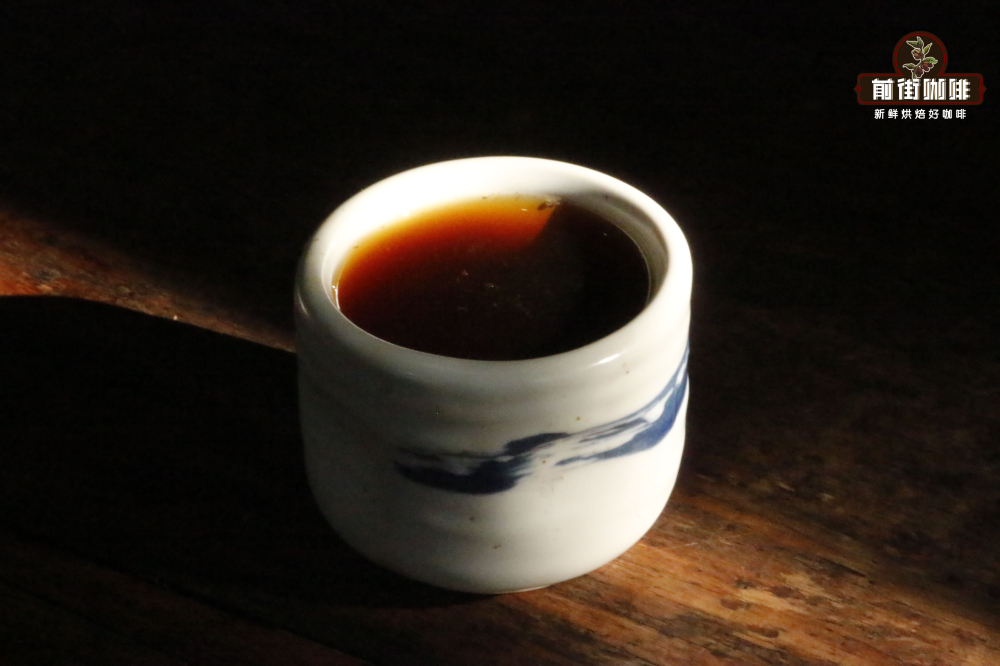
In terms of roasting, to balance Mandheling’s bold characteristics and unique herbal aromas, many professional roasters opt to finish the roast at a medium-dark level, usually just before the second crack. This roast level preserves the deep richness of Mandheling while bringing out subtle spicy and woody tones. It’s important to note that the darker the roast, the more carbon dioxide is generated inside the beans. These gases are gradually released after roasting and carry coffee oils to the bean surface, so within 3 to 4 days after roasting, it’s normal for dark-roasted Mandheling to develop an oily sheen. To ensure consumers enjoy freshly roasted coffee, it’s recommended to choose products shipped within 5 days of roasting.
For pour-over, it’s recommended to use a medium-coarse grind (similar to coarse sugar, with about 70% passing through a Chinese No. 20 sieve), water temperature controlled at 88°C, a 1:15 coffee-to-water ratio, and a slow-flow KONO filter cone. The design of the KONO filter cone features ribs that extend to the spout and fit tightly with the filter paper, which slows down the flow rate of coffee liquid, helping improve extraction evenness and body. During actual brewing, start with a 30-second bloom using 30 grams of water, then pour in a slow circular motion up to 125 grams. Once the water level drops halfway, continue pouring to 225 grams, with a total brew time of about 2 minutes and 10 seconds. These parameters help fully highlight Mandheling’s layered profile and steady flavors.
Overall, the flavor profile of Lintong Mandheling typically centers on rich herbal aromas, accompanied by the sweetness of dark chocolate and caramel, with a smooth and warming aftertaste. Meanwhile, PWN Golden Mandheling showcases a higher level of cleanliness and balance, with a rich aroma profile ranging from nuts and caramel to chocolate notes. Its overall mouthfeel is full-bodied and the aftertaste is long-lasting, making it very suitable for coffee lovers who enjoy classic dark roast flavors.
The above content is compiled by CoffeeHunters, a coffee news website.


