








Introduction:Kenyan coffee, known for its vibrant acidity and rich flavor profile, holds a significant place in the global specialty coffee market. This article delves into the history of Kenyan coffee, the characteristics of its major growing regions, the auction and direct trade systems, as well as the most iconic K72 washed processing method. It also provides practical pour over brewing parameters to help you fully appreciate the unique charm of Kenyan coffee—from origin to cup.
Kenyan coffee has long been celebrated for its bright and lively acidity, as well as its full-bodied and juicy mouthfeel, making it one of the most representative origins in the global specialty coffee landscape. Its green coffee beans are graded by size and processing method, with the renowned K72 washed process laying a clear foundation for its flavor. This article will systematically explore the coffee characteristics of this East African country—from its historical background and variety development, to the terroir of its six major growing regions, as well as the green bean grading and auction systems—while incorporating hands-on cupping and pour over experiences to offer practical extraction suggestions, including those for the "little tomato" batches.

When it comes to Kenyan coffee, what is most unforgettable is its high acidity, brightness, and layered flavor profile. Especially those beans from high-altitude regions not only possess lively acidity but also offer a juice-like body and complex flavor variations. Whether you're a beginner or a seasoned coffee enthusiast, gaining an in-depth understanding of the stories and processing methods behind Kenyan coffee will help you better appreciate the origins of each sip's flavors.
Although Kenya’s coffee cultivation history is not as long as that of neighboring Ethiopia, its development has been rapid and highly strategic. In the late 19th century, with the arrival of colonial powers, coffee began to take root in Kenya. At that time, the British colonial government actively promoted coffee planting to increase foreign exchange earnings and exported the harvest to London for trading. In 1922, the Scott Agricultural Laboratories (Scott Labs) was established, later becoming a hub for variety research and successfully cultivating the SL28 and SL34 varieties that still dominate Kenyan coffee flavors today. These two varieties, well-suited to high altitudes and acidic soils, and capable of showcasing intense acidity and complex flavors, account for approximately 90% of planted area.
On the policy front, the Kenyan government has also been actively involved in the development of the coffee industry. Starting in 1931, the Growers Cooperative Union and the National Coffee Board were established to promote industry standardization from both civil and official perspectives. The Nairobi Coffee Auction system, launched in 1937, remains one of the few transparent and efficient platforms in the world, enabling high-quality green beans to receive fair compensation. The grading system introduced in 1938, including grades such as AA, AB, and PB, became an important basis for quality control.
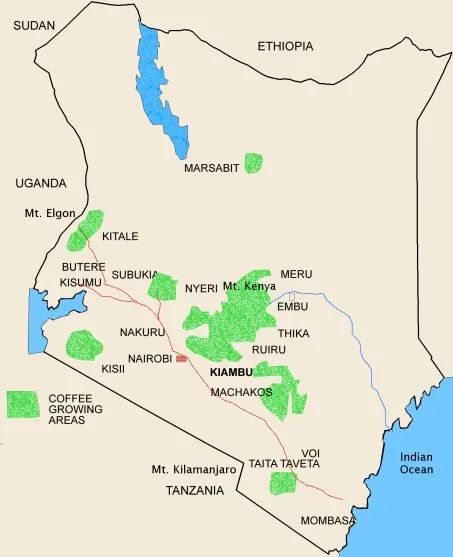
Coffee cultivation in Kenya is mostly concentrated in the highland areas north of Nairobi and in the eastern part of the country. These regions feature mineral-rich acidic volcanic red soils, coupled with abundant sunlight and good drainage systems, with altitudes generally ranging between 1400 and 2000 meters. The significant diurnal temperature variation at high altitudes slows down the ripening process of coffee cherries, resulting in denser beans and the accumulation of richer flavor compounds. The coffee flowering season mainly occurs between March and April, while the harvest seasons are divided into the main season (October to December) and the fly season (June to August), with some areas able to harvest twice a year.
There are six major coffee-growing regions in Kenya: Thika, Kirinyaga, Mt. Kenya West, Nyeri, Kiambu, and Muranga. Coffee from these regions is typically harvested between October and December, and June and August each year, each showcasing distinct terroir characteristics and flavor profiles.
Thika is located near the capital city of Nairobi and, although primarily industrial, is surrounded by coffee-growing areas. The elevation here ranges between 1550 and 1750 meters, with the main varieties being SL28 and SL34. Thika coffee often features bright acidity, rich berry notes, and honey-like sweetness, making it one of the noteworthy regions near the city.
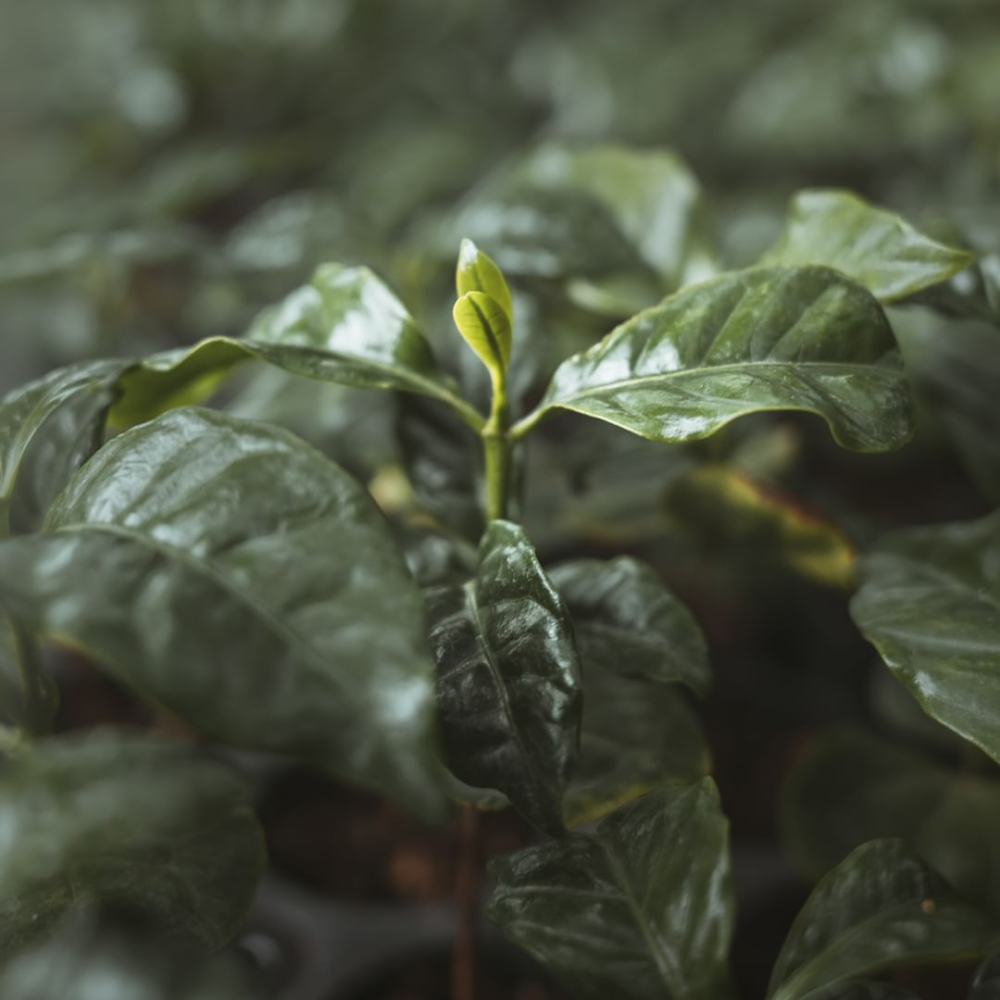
Kirinyaga, adjacent to Nyeri, is situated on the slopes of Mount Kenya and is recognized by specialty coffee enthusiasts as one of the top-tier origins. This area is largely composed of smallholder farmers organized into cooperatives that uniformly use high-quality washed processing facilities, ensuring high flavor consistency. Kirinyaga coffee is known for its bright acidity, delicate sweetness, and medium body, standing alongside Nyeri as one of the pinnacles of Kenyan coffee.
The western side of Mount Kenya includes the Kisii and Bosogoma regions, geographically close to Lake Victoria, with flavor profiles leaning towards the softer side, featuring roasted nuts and mild acidity—suitable for consumers who prefer lower acidity. This region’s altitude ranges between 1450 and 1800 meters, with main varieties including SL28, SL34, and K7.
Nyeri is one of the soul regions of Kenyan coffee, nestled at the foot of Mount Kenya, boasting fertile red soils and numerous small cooperatives. Coffee from this area is known for its intense berry, citrus, and subtle floral notes, with bright and layered acidity, serving as a key contributor to Kenya’s international reputation. The altitude range is broad, varying from 1200 to 2300 meters, with particularly outstanding quality in the higher-altitude blocks.
Kiambu and Muranga are located in central and inland Kenya, respectively. The former, due to its higher terrain, may experience issues like dieback disease in some areas but still produces distinctive coffee; the latter is home to over 100,000 coffee farmers, mostly engaged in small-scale cultivation, with flavors also showcasing the characteristic acidity and juiciness of Kenyan beans.
The trading of Kenyan coffee is primarily conducted through the Coffee Exchange in the capital, Nairobi, using a public auction system held every Tuesday. Participants must first obtain qualifications and cup sample lots before the auction, then bid based on quality. This system is considered the precursor to today’s COE competitions, emphasizing transparency and competition, effectively encouraging growers to improve quality. However, the auction system also faces issues such as too many intermediaries and difficulties in traceability. Therefore, the Kenyan government has gradually opened up direct trade in recent years, allowing international buyers to work directly with certified exporters, thereby increasing farmer income and strengthening origin connections.
Kenya’s coffee bean grading system is mainly based on bean size, traditionally divided into AA, AB, and PB grades. AA represents the largest beans (17 to 18 mesh), AB is slightly smaller (15 to 16 mesh), and PB refers to peaberry beans, accounting for about 10% of total production. It’s worth noting that although AA is usually regarded as the highest grade, flavor performance is still influenced by region, altitude, and processing method. In addition to the traditional size-based grading, Kenya also employs a comprehensive scoring system covering green bean appearance, roasted bean condition, and cupping performance, categorizing coffee beans into grades 1 to 10, with grade 1 being the best.
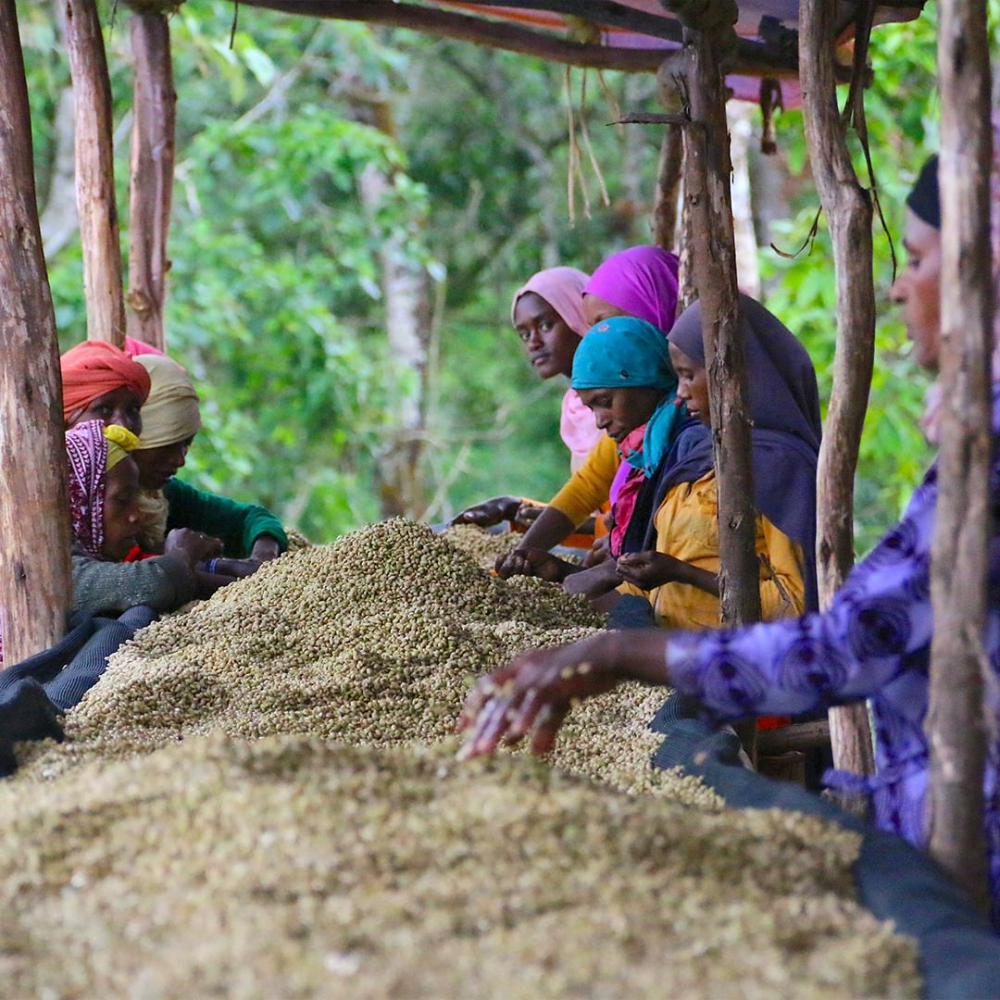
In terms of processing methods, Kenya’s most famous is the K72 washed process, characterized by prolonged multiple fermentations. The general procedure is as follows: on the day of harvest, beans are first sorted by water density to remove unripe or defective cherries, followed by pulping and a 24-hour fermentation, then rinsing with clean water, repeating this process three times for a total of 72 hours—hence the name. This method fully develops the clarity of acidity and cleanliness of flavor, while retaining rich sweetness and fruity aromas.
Here are practical pour over recommendations: it is suggested to use a V60 dripper, with a coffee-to-water ratio of 1:15, 15 grams of coffee grounds, and a total water volume of 225 milliliters, at a water temperature of around 91°C, with a grind size similar to that of fine sugar (e.g., EK43s setting 10, 80% passing through a #20 sieve). The first step is to pour 30 grams of water for a 30-second bloom, followed by pouring 95 grams of water, and then another 100 grams at around 1 minute, keeping the total extraction time around 2 minutes. These parameters can fully showcase the acidity and layering of Kenyan beans, making them ideal for those who enjoy fruity and juicy flavor profiles.
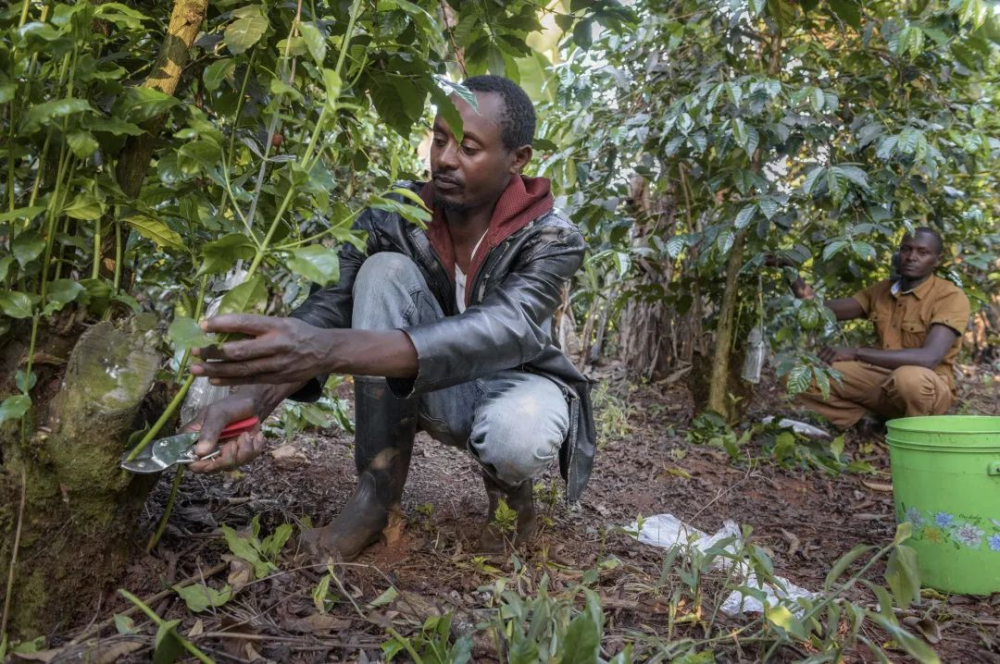
In summary, Kenyan coffee not only boasts a solid foundation in origin environment, variety cultivation, and processing techniques, but its transparent trading system and diverse regional expressions also make this East African country an unmissable choice for specialty coffee enthusiasts. Whether you want to explore the extremes of acidity or seek a pour over bean with a vivid and multi-dimensional flavor, Kenyan coffee can offer a surprisingly satisfying answer.
The above content is compiled by CoffeeHunters, a coffee news website.


