







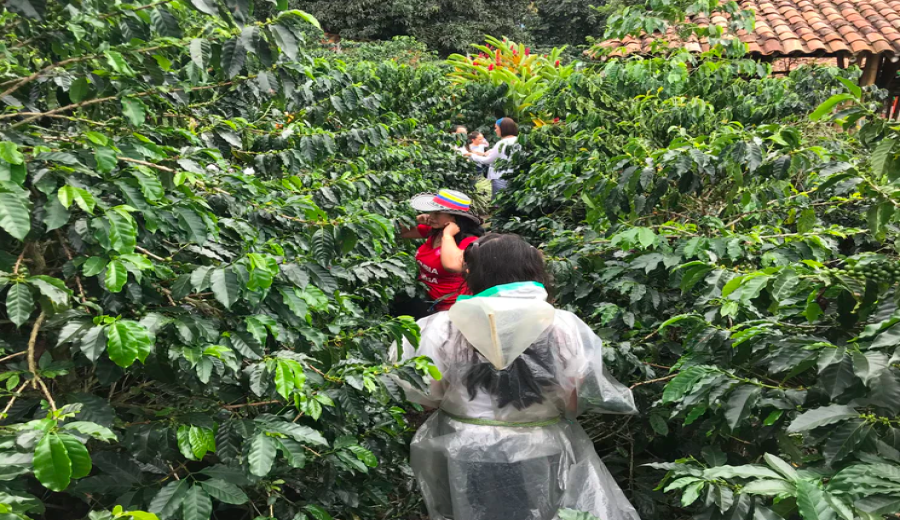
Introduction:Colombia is the world's second-largest coffee producer and a major source of washed Arabica coffee. Its coffee is beloved globally for its gentle sweetness, rich layers, and smooth flavor. Among these, elevation is one of the core factors influencing the flavor and texture of Colombian coffee. This article will detail how different elevation zones in Colombia shape the unique flavors of its coffee, introduce the characteristics of major producing regions such as Huila, Cauca, and Nariño, and provide practical extraction suggestions and brewing parameters to help readers better appreciate the charm of this South American coffee kingdom.
Although Colombia’s total coffee output is less than Brazil’s, it is renowned for high-quality washed Arabica, which typically features gentle acidity, rich sweetness, and moderate bitterness—sometimes even faint cocoa or red wine notes. Colombian coffee beans are often large, uniformly sized, and visually appealing, grown in high-altitude volcanic soil regions that create their distinctive flavor structure. These traits make Colombian beans a common base for specialty coffee blends, such as when paired with Brazilian beans, they can bring intense nutty and chocolatey flavors.
Like other crops, the growth and final quality of coffee are deeply influenced by natural conditions, especially elevation, climate, soil, and temperature. Elevation is considered one of the most critical indicators affecting coffee flavor and is usually clearly indicated in the product information of single-origin coffees. For single-origin specialty coffees that pursue delicate flavors, elevation not only influences the balance of acidity and sweetness but is also closely related to the coffee’s body and aroma. This article uses Colombia as an example to illustrate the practical impact of high-elevation cultivation on coffee quality.
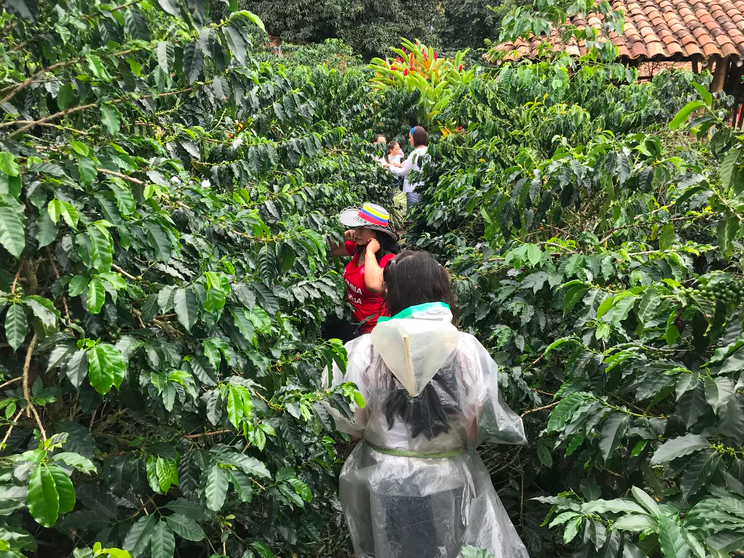
Colombia is located in the northwest of South America, between 3°N and 8°N latitude, with a tropical climate. However, due to topographical differences, the climate is diverse. The country receives an average annual rainfall of 2,000 to 3,000 millimeters, with humid air and temperatures ranging between 15.8°C and 20.5°C, while the average temperature in coffee-growing areas fluctuates between 18°C and 22.5°C. The country’s complex terrain includes over 200 microclimates and micro-regions, resulting in highly diverse coffee flavors. Among these, planting areas above 1,500 meters in elevation are considered the primary sources of specialty coffee.
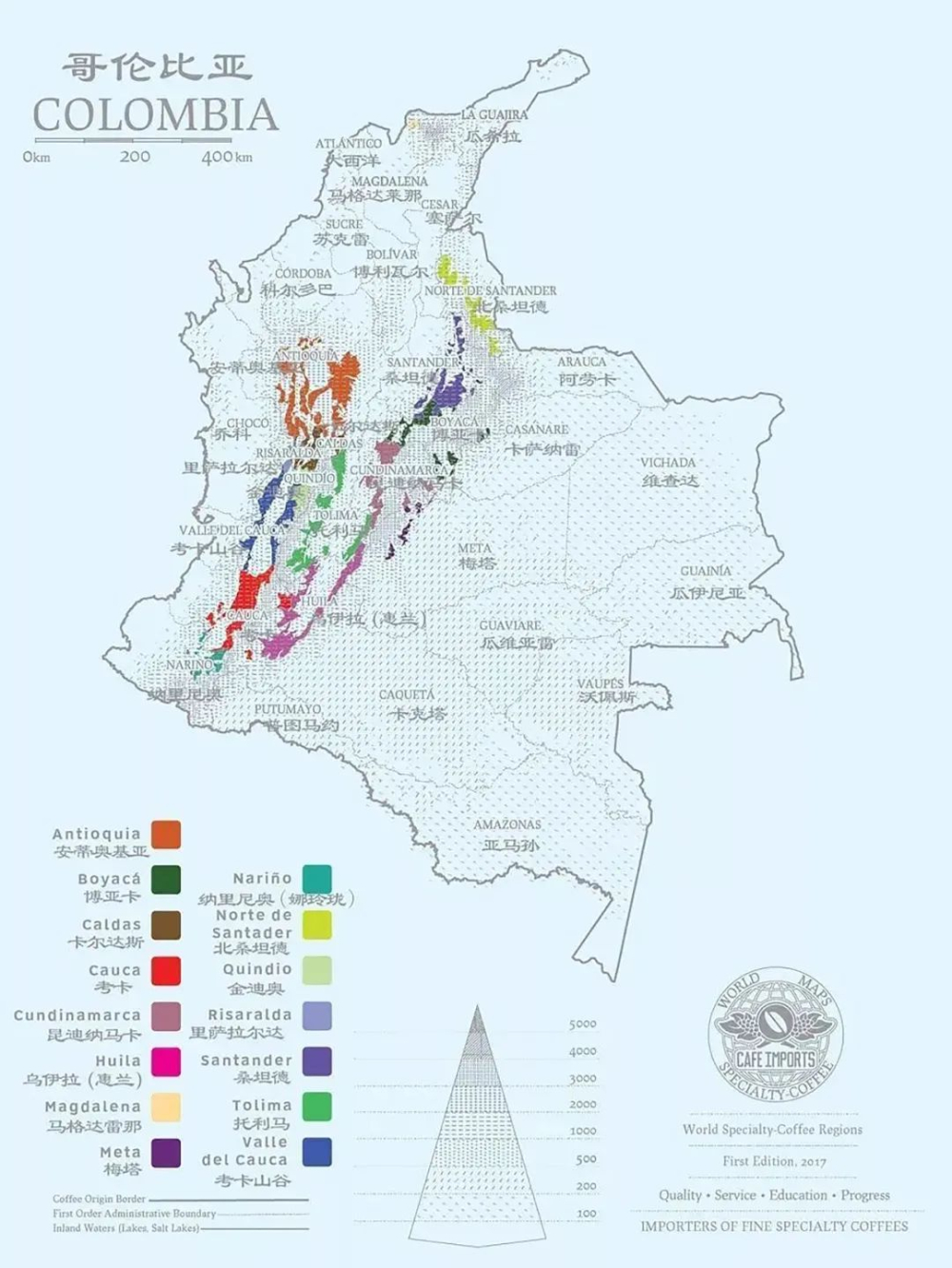
Colombian coffee can be divided into numerous grades and flavor types based on region and elevation, with the southern specialty-producing regions being the most well-known. Provinces such as Huila, Cauca, Nariño, and Tolima, all situated at elevations above 1,500 meters, produce coffee that typically exhibits bright acidity, berry and caramel notes, and prominent sweetness—representative of classic high-elevation flavors.

Among them, Huila Province is located in the central mountainous region of southern Colombia and is one of the country’s most representative specialty coffee-producing areas. Surrounded by mountains and cool climates, its elevations mostly exceed 1,500 meters, and it even features active volcanoes—one of which erupted in 2008, enriching the soil with minerals. Additionally, the region has several major rivers converging, providing ample water sources that benefit coffee growth. Huila coffee is known for its delicate fruit acidity, nutty tones, and rich caramel aftertaste, differing slightly from the commonly perceived “balanced and full-bodied” Colombian beans, instead showcasing more regional character.
Smallholder micro-lot productionis a major feature of the Huila region. Many coffees are supplied by dozens of small farmers and then consolidated and sold by micro-region. This approach helps improve quality control and flavor consistency and makes it easier for consumers to trace the origin of the coffee. For example, a certain brand’s “Huila Coffee” comes from this region, showcasing clear layers of berries and nuts, suitable for drinkers who enjoy fruity and balanced flavors.
Cauca Province is the origin-certification region of Colombian coffee, with an average elevation of 1,758 meters, and some areas even exceeding 2,100 meters. The terrain is mainly mountainous, with a cool climate and significant day-night temperature variations—the daytime average is around 18°C, dropping to about 11°C at night. This temperature difference helps coffee cherries ripen more slowly, thereby accumulating richer flavor compounds. Cauca coffee is famous for its outstanding acidity and sweetness and is considered the “acidity benchmark” by many coffee enthusiasts.
Precipitation in Cauca Province is mainly concentrated in the rainy season and follows a single peak distribution, making the coffee flowering and harvesting periods relatively concentrated, which helps improve quality consistency. The region’s volcanic soil is nutrient-rich, combined with high elevation and a cool climate, creating its unique citrus, floral, and syrupy sweetness.
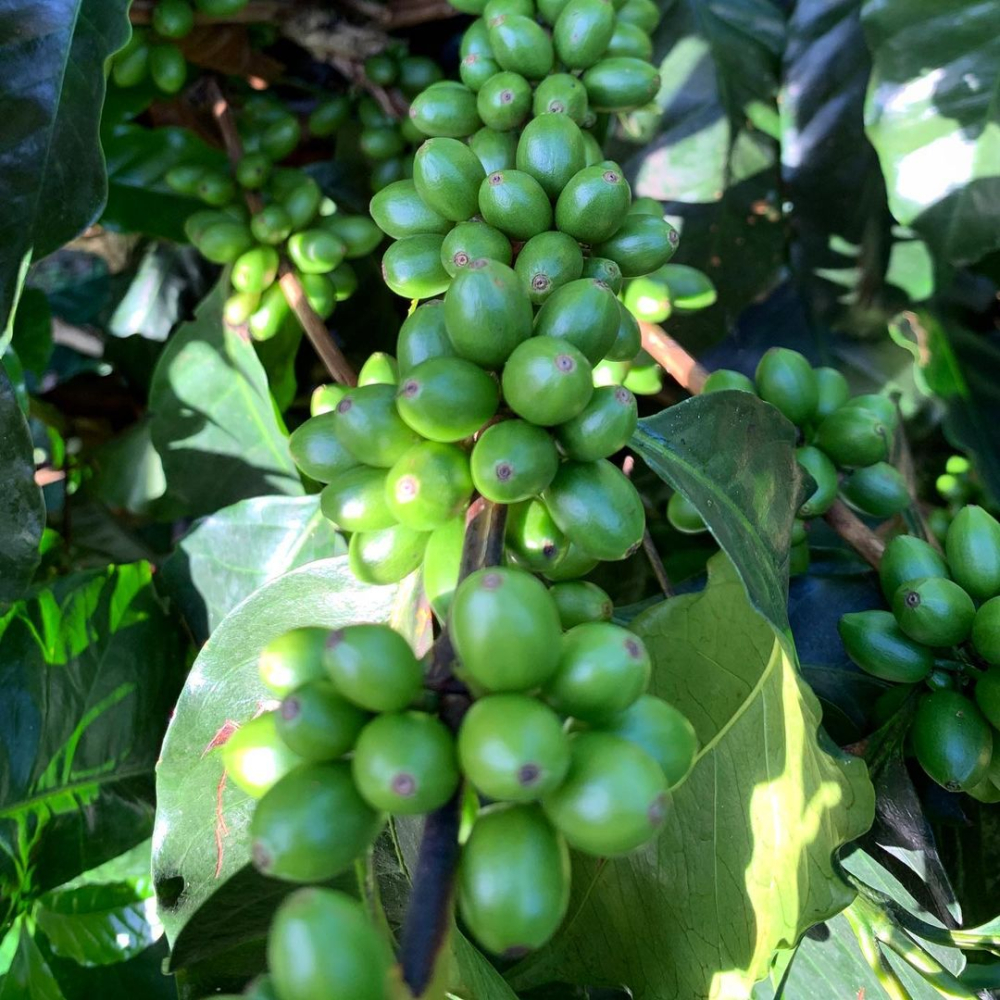
Nariño Province (Nariño) is located in southwestern Colombia, bordering the Pacific Ocean to the west and Ecuador to the south. The entire region is mountainous, with coffee-growing areas mostly situated in high-altitude cloud forests between 1,600 and 2,300 meters. The soil here is fertile volcanic earth, and the climate is cool and humid, making it very suitable for growing high-quality Arabica coffee. Nariño coffee beans are usually small but plump, with bright green color. Although most of the production is purchased by large traders, a small portion of carefully selected micro-lots demonstrates extremely high flavor potential, with an estimated annual production of only about 6,000 bags of premium beans.
Tolima Province (Tolima) is located in southern Colombia, adjacent to Huila and Cauca, with the Andes and Cordillera mountain ranges intersecting within its borders and the Magdalena River running through it. Farms in this area are slightly larger in scale, mostly operated as cooperatives, where farmers deliver fresh cherries to shared processing facilities, though some choose to process them themselves. Tolima coffee also possesses the distinct acidity and rich layers brought by high elevation and has gradually gained attention in recent years.
In addition to the above regions, northern Colombia, such as Medellín and Santander, also produces distinctive coffees. Medellín coffee typically has a rich mouthfeel, gentle acidity, and pronounced sweetness, while Santander Province is known for its intense flavors, long aftertaste, and unique herbal notes, grown at elevations of about 1,400 to 1,600 meters. For example, “Rose Valley Coffee” comes from the Grand Tree Estate in this region, showcasing enchanting rose floral notes and peach-like sweetness.
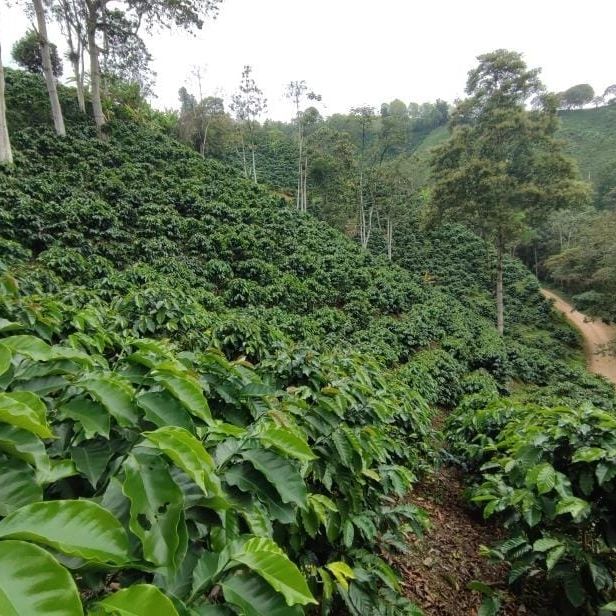
Colombia grows a diverse range of coffee varieties, primarily washed Arabica, making it the world’s largest producer of washed Arabica. Common varieties include Caturra, Bourbon, Typica, and Pacamara, along with locally developed disease-resistant varieties such as Castillo, Tabi, and Colombia. Some rare varieties like Geisha, Mocha, and Laurina are also grown in small quantities, mainly for the specialty coffee market.
In terms of processing methods,washed processing is the mainstreamin Colombia, mostly handled by small farmers themselves, allowing for precise quality control. The traditional method involves using small pulpers to remove the pulp and most of the mucilage, followed by short fermentation and rinsing with clean water. Recently, some farms have experimented with natural or honey processing, yielding different aroma profiles such as berries, roses, or peaches, but these may mask the original regional characteristics. Therefore, if you want to experience the purity and layers of Colombian high-elevation coffee, washed processing remains the most recommended choice.
For brewing recommendations, take the V60 filter as an example: a 1:15 coffee-to-water ratio is advised, using medium-fine grind (close to the size of coarse sugar with an 80% passing rate through China’s standard sieve #20), with water temperature controlled around 91°C. Begin with a 30-second bloom using twice the coffee’s weight in water (e.g., 60 ml for 30 g of coffee) to release CO₂, then pour in a slow circular motion until reaching 125 g for the first pour, followed by additional pouring up to 225 g before stopping. Total extraction time is approximately 2 minutes. These parameters are suitable for most high-elevation washed Colombian beans and can fully showcase their balanced acidity and sweetness as well as aromatic layers.
In summary, the unique flavors of Colombian coffee stem from its diverse micro-regions, high-elevation environments, and refined processing methods. Whether you prefer the bright fruitiness of Huila, the balanced acidity and sweetness of Cauca, or the rich allure of Nariño, you can find your own cup of specialty coffee in Colombia.
The above content is compiled by CoffeeHunters, a coffee news website.


