







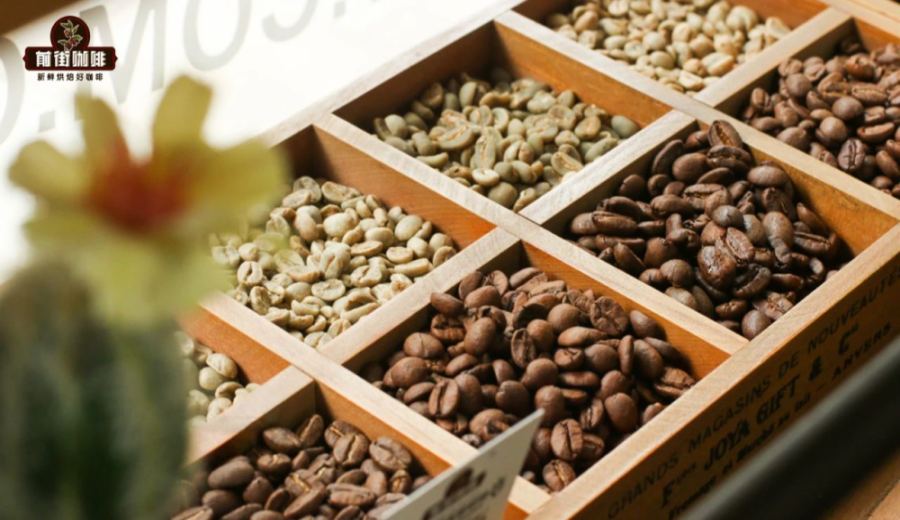
Introduction:Maragogipe, also known as elephant bean, is the largest naturally occurring mutation of Arabica coffee, renowned for its astonishing bean size and unique flavor profile. This article delves into the origins of this rare coffee, how to assess its size through screen size, the flavor differences across major producing regions, and offers practical roasting and pour-over parameters to help you gain a more comprehensive understanding of this specialty coffee hailed as the “Blue Mountain of Central America.”
Maragogipe, also referred to as Maragogype, is a giant natural mutation of the Typica variety, with beans that can be 2 to 3 times larger than standard Arabica coffee beans, making it one of the most remarkably sized varieties among common commercial coffees. This type of coffee bean is primarily found in Central American countries including Guatemala, Mexico, Nicaragua, Honduras, and El Salvador, among which those from Mexico and Guatemala are particularly esteemed for their quality.
Visually, Maragogipe beans are markedly different from regular coffee beans, often exceeding 19 mesh size, and sometimes reaching 20 mesh or above. In many producing regions’ green bean grading systems, 17 to 18 mesh is already considered high quality, but Maragogipe beans commonly surpass this benchmark, making roasting and processing more challenging.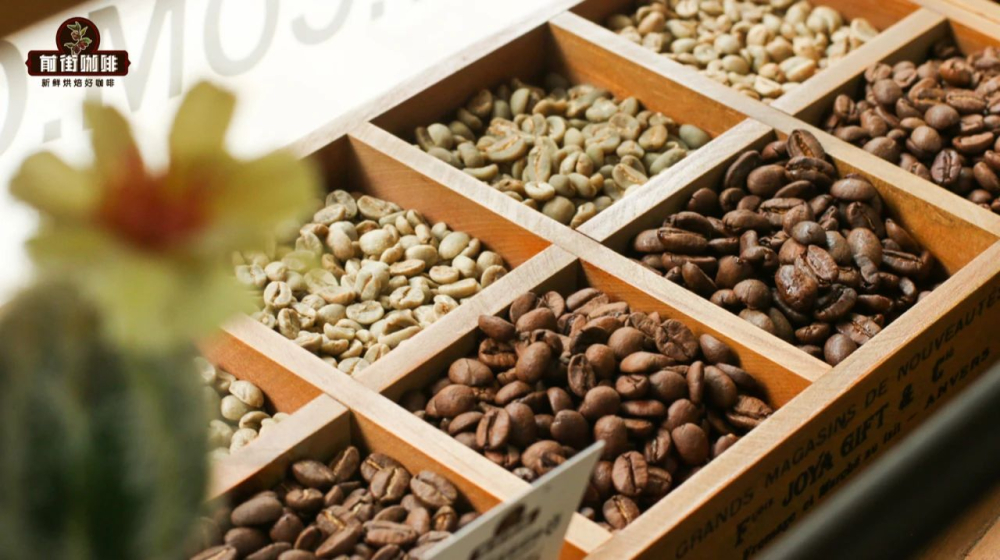
Although Arabica coffee is generally prized for its sweetness and complexity, Maragogipe offers its own distinct flavor characteristics. Unlike typical Arabicas that emphasize bright acidity, Maragogipe presents a softer balance of sweet and acidic notes, with a round mouthfeel. Its aroma is not bold but rather refined, and its body tends to be light to medium. Overall, it’s quite pleasing, especially when grown and processed with care, capable of delivering a layered and nuanced cup.
The name Maragogipe originates from the Brazilian state of Bahia’s county — Maragogipe, where this mutation was first discovered. Interestingly, despite its large size, not all high-altitude environments are suitable for cultivating Maragogipe. In fact, it is only at elevations above 1,500 meters that Maragogipe can fully express its potential, yielding intense sweetness and rich aromatic characteristics.
Under high-altitude and moderate shading cultivation conditions, Maragogipe fruit ripens more slowly and overall yields are lower, but this allows for the accumulation of more complex flavor compounds. Compared to Maragogipe grown at lower altitudes, beans cultivated at higher elevations exhibit more concentrated flavors, notable sweetness, and often possess distinctive fruity and subtle floral notes, which is one reason why many coffee enthusiasts refer to it as the “Blue Mountain of Central America.”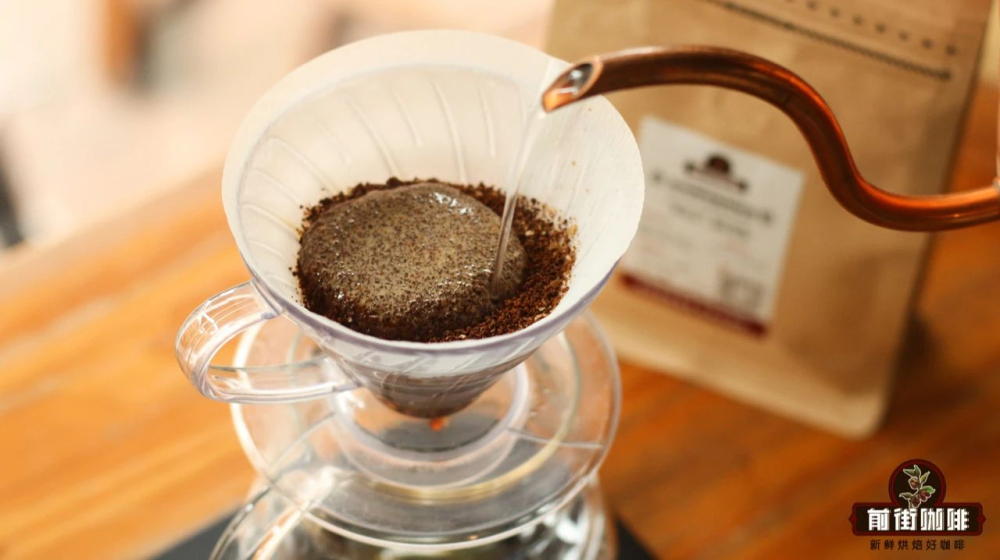
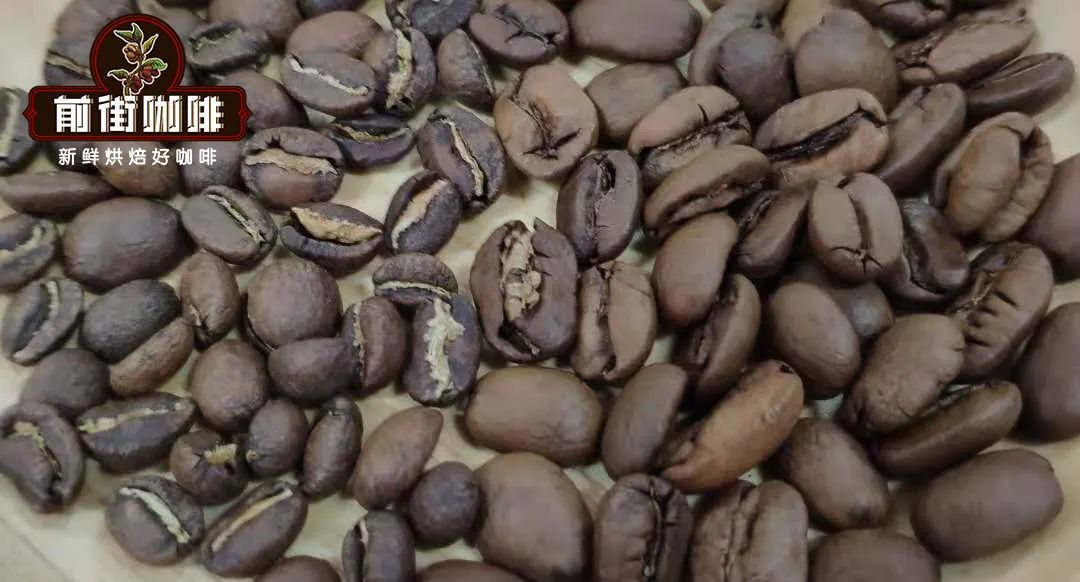
From a roasting perspective, due to the large size and relatively low density of Maragogipe beans, their heat absorption rate and thermal conductivity differ from those of regular coffee beans, making heat control during roasting more critical. Excessively high heat can easily cause the outside to scorch while the inside remains underdeveloped, resulting in astringency in the cup; whereas over-roasting can bring out burnt and bitter notes, masking its delicate flavor attributes. Therefore, it is recommended to extend the drying phase slightly and adopt a gentler temperature rise curve when roasting Maragogipe to ensure even internal and external development.
Taking actual roasting experience as an example, the charge temperature can be set around 200°C, with slightly higher initial heat, though adjustments should be made based on the beans' response. Typically, the turning point (yellowing stage) occurs around the 6-minute mark, at which time it's important to monitor the color difference between the bean surface and core to avoid over-roasted exteriors and underdeveloped interiors. A stable and gradual temperature increase strategy helps to draw out the fullest potential flavor of Maragogipe.
In terms of brewing, pour-over is one of the best methods to highlight the nuanced flavors of Maragogipe. The V60 dripper is recommended, with water temperature controlled between 90-92°C, and a brew ratio suggested at 1:15. The grind size should be medium, effectively balancing extraction efficiency and flow rate. Specifically, start with a 30-second bloom using 30 grams of water, then pour approximately 95 grams of water in small streams in a circular motion from the center outward. When the water level drops to about half, continue pouring up to 225 grams to complete the extraction, keeping the total brew time around 2 minutes. This helps to fully extract the fruit acids and layered sweetness of Maragogipe.
Among various producing regions, Maragogipe from Nicaragua is often regarded as having the most outstanding flavor profile, especially those from the Mamamina Estate, which frequently exhibit pronounced notes of blackberry, dark plum, citrus, alongside a silky mouthfeel and a naturally sweet aftertaste. These flavor characteristics make Maragogipe not only suitable for single-origin enjoyment but also as a flavor highlight in blends, adding complexity and depth to the overall cup.
In summary, Maragogipe, as the “giant star” of the coffee world, is not only visually distinctive, but under the right cultivation and processing conditions, it can also deliver subtle and multi-layered flavor expressions. Whether you are a coffee enthusiast, roaster, or pour-over aficionado, gaining a deeper understanding of Maragogipe’s growing background, size grading, roasting essentials, and brewing parameters will allow you to more fully appreciate this rare and captivating coffee variety.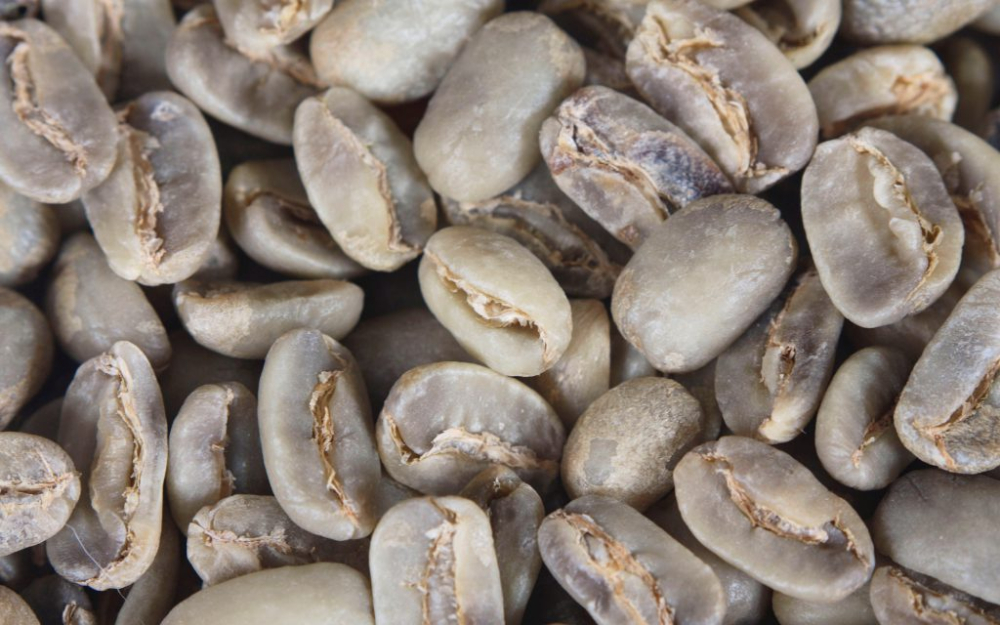
The above content is compiled by CoffeeHunters, a coffee news website.


