







Introduction:The market is flooded with coffee beans marketed as having a "Blue Mountain flavor," but what exactly is authentic Jamaican Blue Mountain coffee? This article delves into the differences between Blue Mountain-flavored coffee and genuine Jamaican Blue Mountain coffee beans. From origin certification, grading classifications to actual brewing techniques, it helps you identify the authenticity of commercially available Blue Mountain beans and master the optimal extraction methods for Blue Mountain beans—so you can truly understand and brew an authentic Blue Mountain cup.
Blue Mountain coffee has long been hailed as the pinnacle of the coffee world. Yet, many beans labeled as "Blue Mountain flavor" on the market are actually far from the orthodox beans that truly come from Jamaica’s Blue Mountains. This article will comprehensively break down the differences between Blue Mountain-flavored coffee beans and genuine Blue Mountain beans—from definition, origin, grading system to brewing recommendations—to help you avoid marketing jargon on packaging and gain a deeper understanding of what constitutes true Blue Mountain.
The so-called "Blue Mountain flavor" usually refers to blends created by roasters using multiple coffee beans with aroma and taste profiles similar to Blue Mountain, combined in specific proportions and roasted in a way that mimics the flavor characteristics of Blue Mountain coffee. These blends may not contain any beans from Jamaica’s Blue Mountains at all. Instead, they achieve a rich, smooth, and sweet aftertaste—qualities consumers associate with Blue Mountain—through the fusion of various bean varieties, thereby creating a similar sensory experience.
Blue Mountain coffee has long been considered the representative of top-tier coffee for many people. However, at the time, the actual amount of genuine Jamaican Blue Mountain beans circulating in the market was extremely limited, far below market demand. To satisfy consumers’ longing for Blue Mountain, many professional roasters used high-quality single-origin beans from different regions, blending them in precise proportions to create a blend that approximates the flavor of Blue Mountain. This allows people who may never have the chance to taste the authentic product to still experience a similar complexity and flavor profile.
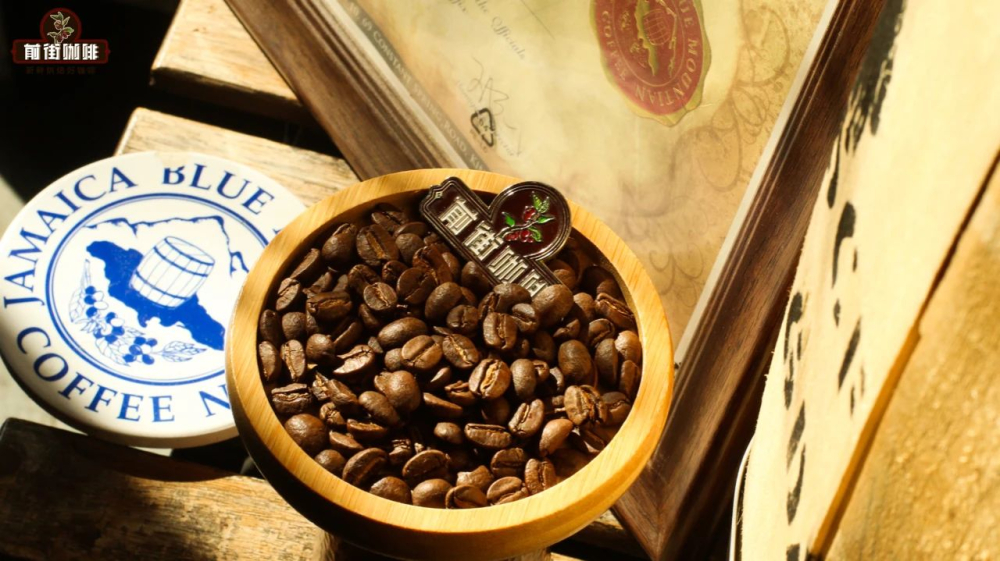
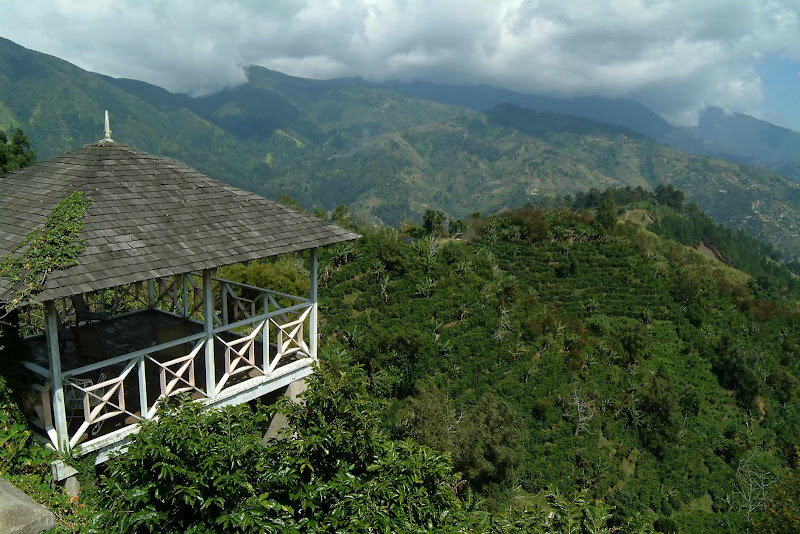
The reason genuine Jamaican Blue Mountain coffee is so expensive lies in its extremely limited production and strict origin certification. According to regulations, only coffee beans grown in the Blue Mountain region of Jamaica, at altitudes between 3,000 and 5,500 feet (approximately 914 to 1,676 meters), and certified by official authorities, can be called authentic Blue Mountain coffee. This area features high terrain, fertile volcanic soil, along with cool, misty weather and ample rainfall, all of which contribute to the unique flavor and delicate texture of Blue Mountain coffee. However, due to limitations in terrain and planting area, annual production is only about 12,000 metric tons, with over 80% exported to Japan. As a result, the amount of authentic Blue Mountain beans available in other markets is extremely limited. Many supermarket-packaged Blue Mountain coffees, such as brands like Melitta or Movenpick, are actually blends with only a "Blue Mountain flavor." Some may contain less than 1% Blue Mountain beans, and some may not contain any at all.
Jamaican Blue Mountain coffee is divided into the following grades based on bean size and defect rate:
Grade 1 Blue Mountain (Blue Mountain No. 1): Considered the top grade with the highest price, it requires over 96% of the beans to be size 17/20 (i.e., large beans), with no more than 2% defective beans.
Grade 2 Blue Mountain (Blue Mountain No. 2): Requires over 96% of the beans to be size 16/17, with the defect rate also not exceeding 2%.
Grade 3 Blue Mountain (Blue Mountain No. 3): Requires over 96% of the beans to be size 15/16, with a defect rate limited to within 2%.
Blue Mountain Peaberry (Blue Mountain Peaberry): A rare round-shaped peaberry bean, where over 96% must be peaberries, with the defect rate also not exceeding 2%.
Blue Mountain Triage (Blue Mountain Triage): A blend of the four aforementioned types of Blue Mountain beans, with a maximum allowed defect rate of 4%.
To be certified as genuine Blue Mountain coffee, each batch of exported Blue Mountain beans must pass inspection by the Jamaica Coffee Industry Board and obtain an official origin certificate. Furthermore, only the "Blue Mountain Coffee" trademark, globally registered by the Jamaica Coffee Industry Board, may be used. This means that only coffee beans grown within the legally designated Blue Mountain region of Jamaica and meeting all production and quality standards are eligible to be called authentic Jamaican Blue Mountain coffee.
Additionally, the quality of Blue Mountain coffee is also closely related to the producing estates. According to Jamaica’s Coffee Industry Regulation Act, only designated statutory estates are qualified to process and export Blue Mountain coffee. These estates generally maintain higher processing standards and quality control to preserve the reputation and consistency of Blue Mountain coffee.
In the market, the price of Blue Mountain coffee varies greatly. Aside from differing grades, some merchants mix Blue Mountain beans with beans from other regions for sale. Therefore, consumers must carefully check package labels to confirm whether the content of Blue Mountain beans is 100%. Some products may be labeled as "Blue Mountain flavor" but could actually contain zero Blue Mountain beans, relying solely on blending and roasting techniques to simulate the Blue Mountain flavor—extra caution is advised when purchasing.
So, is Blue Mountain coffee really the best-tasting coffee in the world? The answer varies from person to person. Some people are drawn to its mellow and smooth mouthfeel, subtle floral and fruity aromas, as well as the flavor transition from bitterness to sweetness with a long-lasting aftertaste. Others, however, feel that Blue Mountain coffee’s flavor is too mild and lacks a strong personality. Regardless of preference, understanding the true nature of Blue Mountain coffee allows you to make the most suitable choice based on your own taste.
For brewing Blue Mountain coffee, it is recommended to use a KONO filter, with water temperature at 88°C and grind size set to medium-coarse, allowing 75% of the grinds to pass through a #20 sieve. Specifically, a coffee-to-water ratio of 1:15 is suggested, using 15 grams of coffee grounds. The first pour is 30 grams for a 30-second bloom, followed by a second pour to 100 grams, and finally a final pour to 95 grams to complete the extraction, with total brewing time controlled around 2 minutes.
The bottom of the KONO filter features relatively simple ribs, allowing the filter paper to fit tightly against the cup wall, effectively reducing airflow and extending the contact time between water and coffee grounds. This facilitates sufficient extraction under coarse grind conditions, thereby enhancing the coffee’s body and flavor concentration, making the subtleties and layers of Blue Mountain coffee more pronounced.
The above content is compiled by CoffeeHunters, a coffee news website.


