







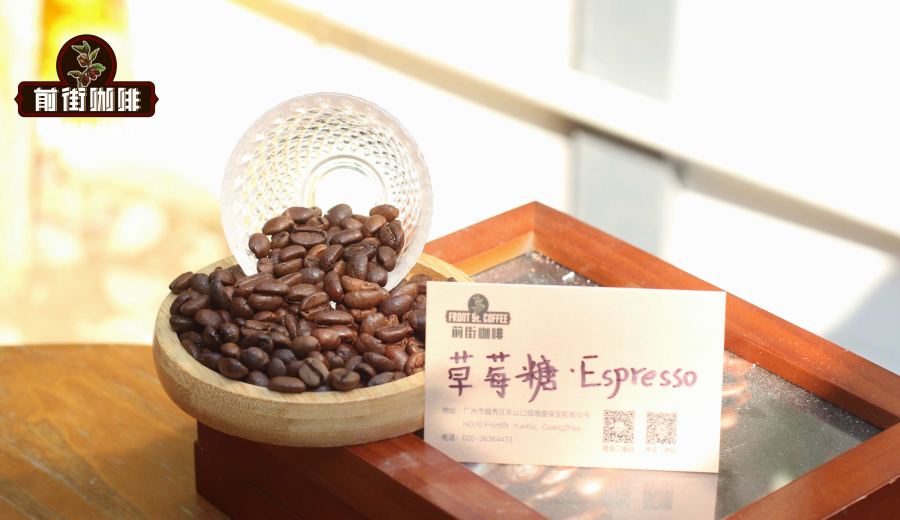
Introduction:Many home coffee enthusiasts, in order to avoid pronounced acidity, often prefer dark roasted beans. But do you truly understand the key differences between dark and light roasts in terms of flavor, crema, and extraction? This article not only analyzes the core characteristics of the two roast levels, but also recommends several practical and high-value espresso blends and SOE beans suitable for home semi-automatic or fully automatic coffee machines, helping you find the coffee choice that best suits your taste.
Many home brewers, especially those more sensitive to acidity, tend to opt for dark roasted coffee beans. This is actually closely related to the chemical changes that occur during the roasting process: the shorter the roasting time and the lower the temperature, the more organic acids such as citric acid, malic acid, and chlorogenic acid are retained within the beans, resulting in more pronounced fruity acidity. Conversely, when the roasting time is extended and the heat is increased, more thorough caramelization reactions occur inside the beans, acidic compounds gradually degrade, and caramel, chocolate, and nutty aromas are released instead, making the overall flavor richer and fuller.
In addition, during the dark roasting process, the cell walls of the coffee beans release more internal oils when heated, and these oils gradually accumulate on the surface of the beans, giving them a shiny, glossy appearance. When using such dark roasted beans for espresso extraction, the released oils help form a more stable and long-lasting crema—that golden, velvety coffee foam—not only adding a visual dimension but also enhancing the smooth mouthfeel of the drink.
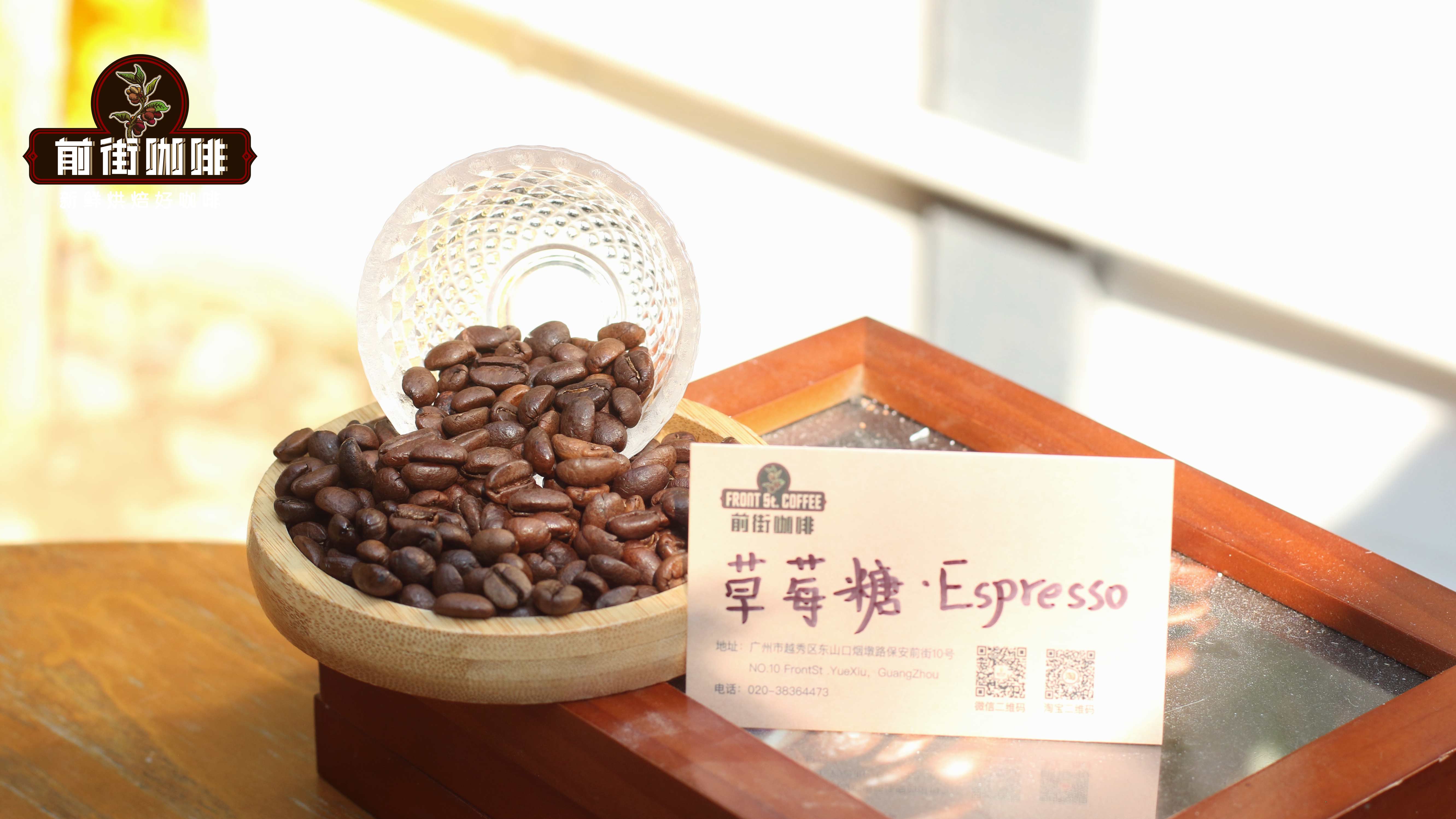
For users of home coffee machines (whether semi-automatic or fully automatic), choosing beans with the right roast level is crucial. If you prefer a rich, low-acid coffee with notes of chocolate and caramel, dark roast is a good choice. The following are several espresso blends and single-origin beans suitable for home machines that can serve as an entry-level reference.
First recommended is the classic three-bean blend, combining Indonesian Sumatra Mandheling, Brazilian Arabica, and a small amount of Robusta. This combination achieves both multi-layered aroma and balanced flavor—Mandheling brings unique herbal and spicy notes, Brazilian beans provide stable mid-palate and low acidity, while the addition of Robusta significantly enhances the overall body and crema performance, making the cup feel more substantial. It’s perfect for daily brewing and has long been a favorite among many home users.
If you’re looking for a balance between cost-performance and flavor balance, another blend combining Brazilian beans from Central and South America with small-seed Yunnan coffee from China is also worth considering. This blend is known for its stable extraction performance and is often recommended by professional baristas as a daily drinker bean. During espresso extraction, it showcases aromas of toasted bread, nuts, and caramel, along with a subtle fruity acidity as a flavor finish. Its overall performance is mild and unobtrusive, suitable for users who seek consistency without wanting to spend too much.
For home coffee machine users who want to explore higher flavor complexity, it is recommended to try medium-dark roasted single-origin beans, such as the Indonesian Golden Mandheling SOE. These beans undergo multiple rounds of manual and mechanical screening at the green bean stage, ensuring uniform size and a bright appearance. With medium-dark roasting, it releases complex aromas of spices, dark chocolate, cedar, and caramel, with a rich flavor and long-lasting aftertaste. Even without expensive professional equipment, using a regular home moka pot or semi-automatic coffee machine can still yield a full-bodied coffee liquid and decent crema performance, making it ideal for coffee lovers who dislike acidity and seek stable, rich flavor.
In summary, dark roasts and light roasts each have their own merits in terms of acidity, aroma, and flavor. Which one to choose depends on your personal taste preferences and the coffee equipment you use. No matter which beans you choose, remember to adjust the grind size and water temperature according to the roast level to fully unlock the coffee’s potential and enjoy café-quality flavor at home.
The above content is compiled by CoffeeHunters, a coffee news website.


