







Introduction:The washed Geisha from Hacienda La Esperanza in Colombia, with its rich floral, fruity, and honey notes along with a full-bodied finish, has become a favorite among specialty coffee enthusiasts. This article delves into the Geisha beans from the Margaritas plot, exploring everything from the estate’s history and terroir to the variety’s characteristics and meticulous processing methods—offering a comprehensive understanding of its unique charm, along with practical flavor descriptions and brewing references.
Geisha (Geisha) coffee is renowned in the specialty coffee world for its distinctive jasmine, bergamot, and tropical fruit aromas. Among them, the washed Geisha produced by Hacienda La Esperanza in Colombia takes the potential of this variety to new heights. These beans from the Margaritas plot not only boast captivating aromas of blueberries and dark plums, but also reveal layers of blackcurrant, orange, and juicy berries on the palate, with a refined, wine-like texture in the aftertaste—delivering a rich and lingering flavor profile.
If you’re new to Geisha, it’s recommended to start with more accessible and relatively affordable options from Panama or Colombia—these offerings not only maintain consistent quality but also allow you to experience the refreshing floral and fruity notes characteristic of Geisha. For more advanced enthusiasts already familiar with the flavor profile of Geisha, Hacienda La Esperanza’s offering is ideal, showcasing a more expressive and layered cup that makes for an excellent single-origin challenge in pour over brewing.
Hacienda La Esperanza is actually a coffee empire with a history of over 70 years, encompassing five sub-estates: Potosí, Cerro Azul, Las Margaritas, La Esperanza, and Hawaii. These estates are spread across Colombia’s Valle del Cauca and Cundinamarca departments, with four of them primarily located in the Valle del Cauca region, known for its high altitudes and fertile volcanic soils—an ideal environment for growing premium coffee varieties such as Geisha.
The Valle del Cauca department is not only one of Colombia’s certified coffee origin regions, but also boasts elevations generally exceeding 1750 meters, with some areas reaching up to 2100 meters. With an average annual temperature of around 18–22°C and significant diurnal temperature variations, the region provides optimal conditions for sugar accumulation and flavor development in coffee cherries. The area’s volcanic soils are rich in minerals, with stable annual rainfall maintained between 2000 and 3000 millimeters, coupled with distinct wet and dry seasons—creating the unique advantage of two coffee harvests per year.
The history of Hacienda La Esperanza dates back to the 1940s, when it was founded by Blanca Ligia Correa and Juan Antonio Herrera. Initially, they took over the Potosí estate, which primarily cultivated Typica. In 1945, they acquired new land and established Hacienda La Esperanza, introducing classic varieties such as Yellow Bourbon, Bourbon, and Caturra. Over the years, the couple had 14 children, among whom Rigoberto and Luis inherited the family’s passion for coffee and further expanded the range of varieties and processing techniques.
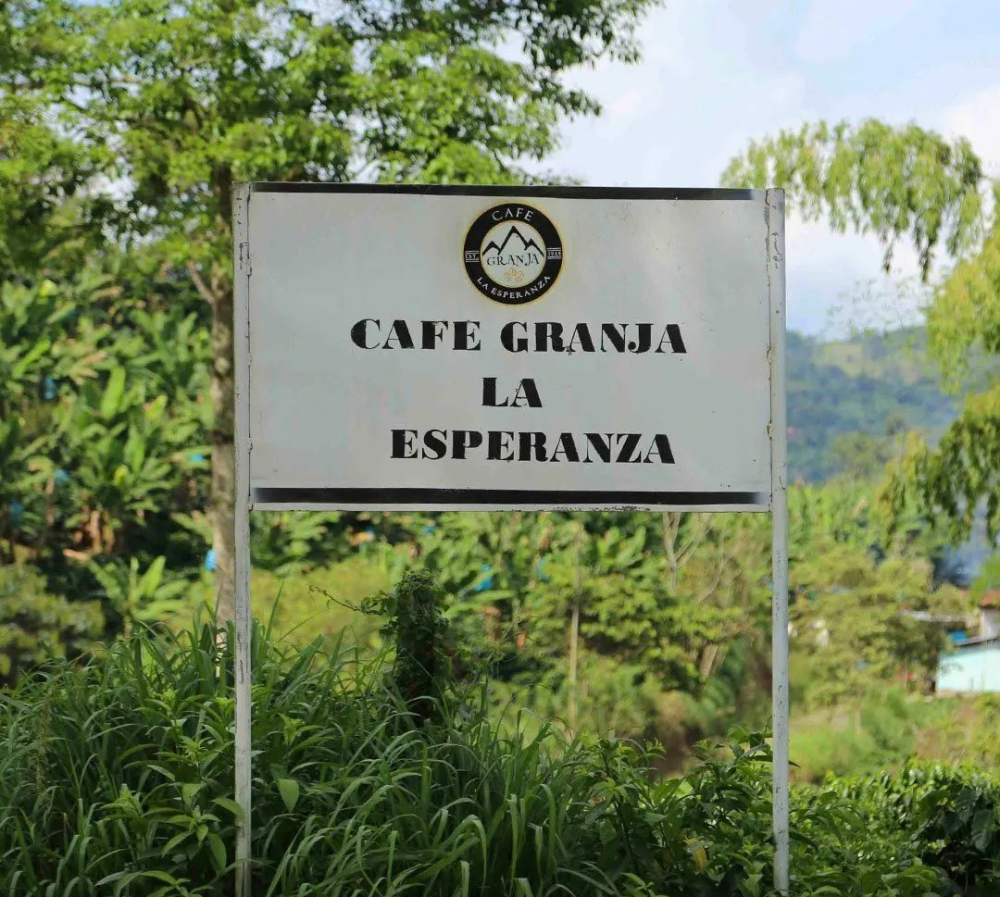
In 2007, Rigoberto traveled to the Boquete region of Panama to grow Geisha, and in 2008 and 2009, he won first and second place, respectively, in the Best of Panama (BOP) international competition for two consecutive years—bringing instant fame to Hacienda La Esperanza. Subsequently, they introduced the Geisha variety to their Colombian estate and chose to plant it at the Margaritas plot, situated at an altitude of approximately 1400 to 1860 meters, successfully crafting a distinctive local flavor profile.
Currently, Hacienda La Esperanza spans a total area of 150 hectares, with planting elevations ranging from 1400 to 2000 meters. In addition to the classic Geisha, it also cultivates a diverse selection of varieties such as Sidra, Mocha, Laurina, Pacamara, and San Bernardo, reflecting its commitment to experimenting with specialty coffee varieties. For processing, each cherry used in the washed Geisha is carefully handpicked, with only fully ripe fruits selected. Pickers are paid by the day to ensure consistent harvesting quality. The harvested cherries undergo three days of preliminary sun drying before being transferred to small towers for slow drying—a method that preserves maximum floral, fruity flavors, and sugars.
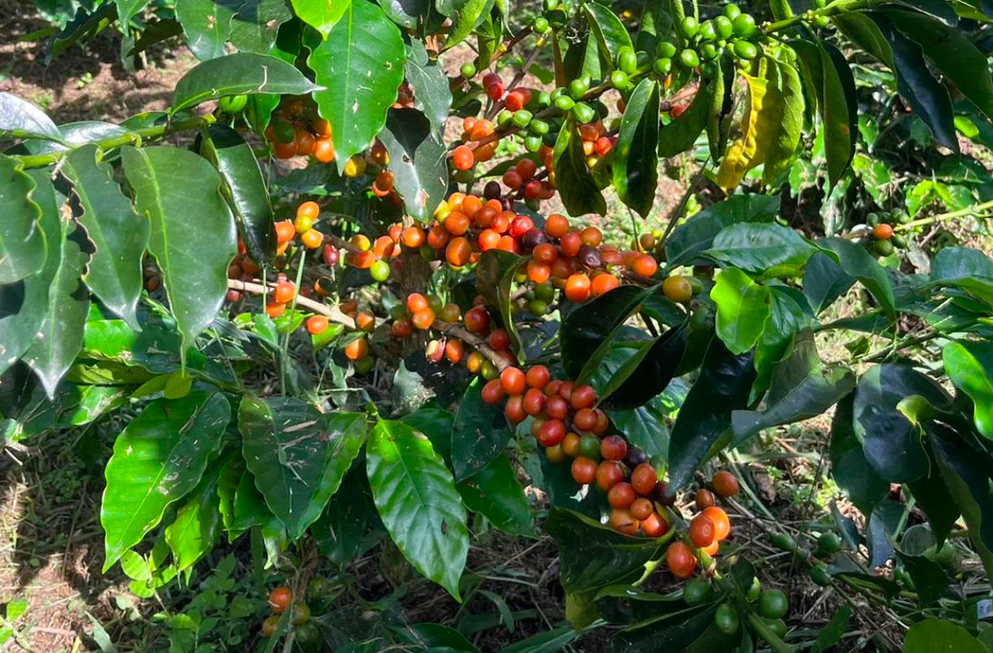
Hacienda La Esperanza has a professional team of botanists and cuppers who continuously optimize harvesting and processing timing through detailed weather monitoring and production data analysis. Additionally, they are committed to ongoing variety improvement and experimentation, making it one of the few top-tier estates in Colombia that emphasizes both flavor innovation and cultivation techniques. If you’re seeking a Geisha pour over with vivid flavors and rich layers, the washed Geisha from Hacienda La Esperanza in Colombia is definitely worth savoring.
The above content is compiled by CoffeeHunters, a coffee news website.


