








Introduction:This article delves into the variety background, processing characteristics, and roasting essentials of the Ethiopian Yirgacheffe Guji Hambella region’s Natural Heirloom coffee beans. Through a comparative three-pot cupping session, we identify the optimal roasting curve and offer practical V60 pour-over brewing recommendations. It not only reveals the actual measured parameters such as the charge temperature and first crack timing using the Yangjia 800N machine, but also details how to adjust development time and heat control to bring out layers of berry, cream, and tropical fruit — serving as a comprehensive beginner-to-expert guide from green bean to cup.
The Heirloom coffee beans originate from the Hambella sub-region of Ethiopia’s Yirgacheffe province, which lies within the renowned Guji zone and neighbors the Kochere area of Yirgacheffe.With high altitudes and a unique microclimate, this region produces sun-dried beans with pronounced floral and fruity aromas.Its classic berry-and-cream flavor profile comes from the full natural sun-drying process — where coffee cherries slowly dry under the sun, allowing pulp and mucilage sugars to gradually penetrate the seeds, imparting sweetness and body.
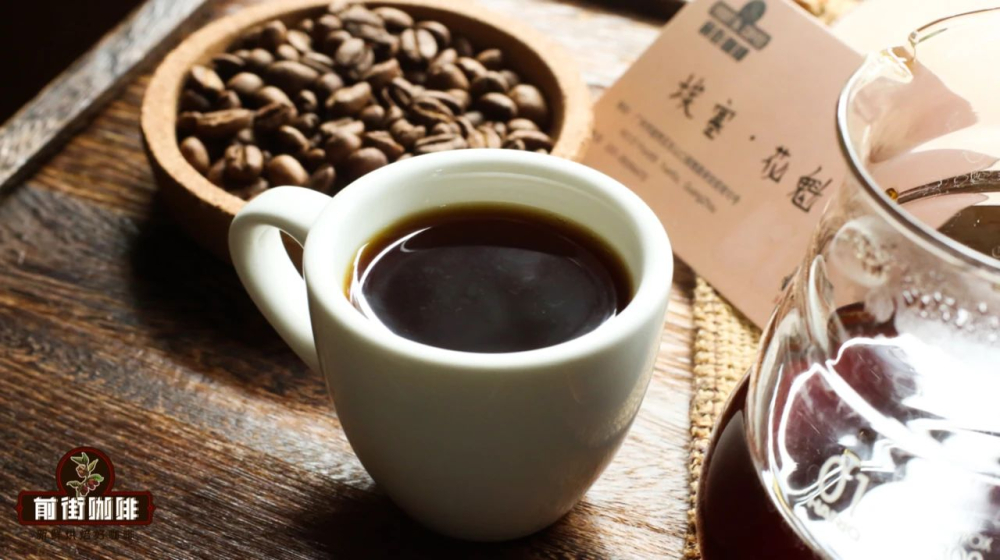
When deciding on a roasting strategy, the first priority is understanding the regional flavor profile. African beans are generally known for their bright acidity and vibrant floral and fruity notes.Light to medium roasting best preserves these characteristics.If medium-dark or dark roasting is used instead, while bitter-sweet caramel notes may increase, they can easily overshadow the delicate citrus and berry nuances of Heirloom. Therefore, professional roasters often test three different roast curves: light to emphasize floral and fruity notes, medium to balance sweetness and acidity, and dark to extend body and smoky richness — then select the most suitable option through cupping.
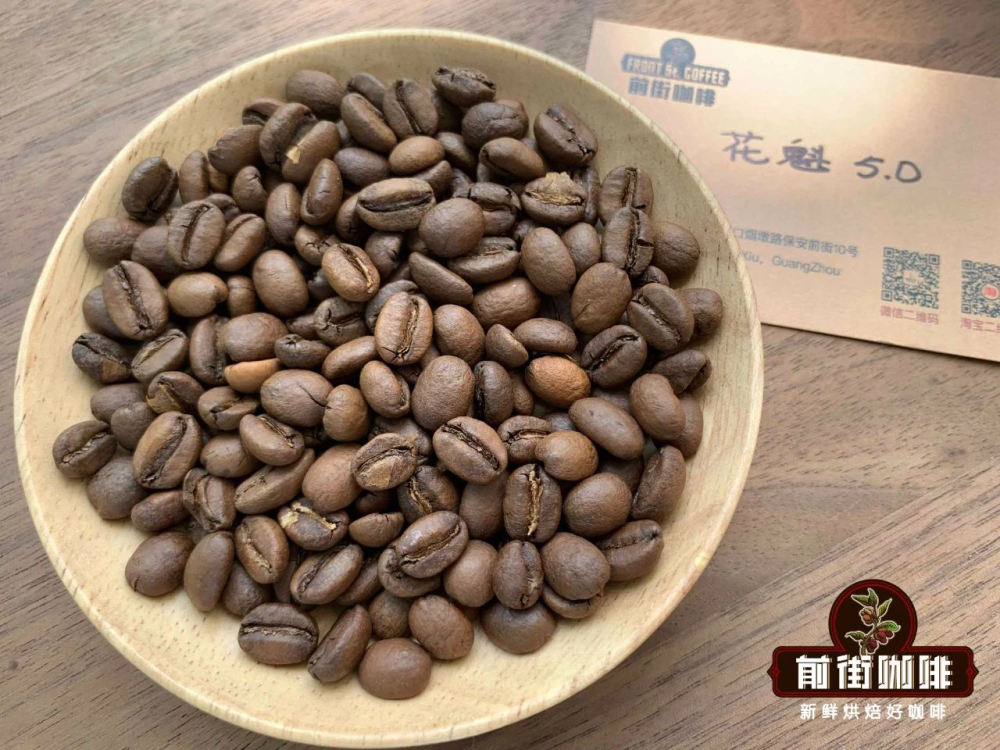
One roasting team actually used the Yangjia 800N machine for the roast, setting the charge temperature at190°C. The focus was first on stabilizing the turning point after heat recovery during the drying phase. The first batch showed a yellowing point at 150.3°C (approximately 5 minutes 55 seconds), with first crack starting at 9’55” and a development time of 1 minute 40 seconds; the second batch was slightly adjusted to a yellowing point of 151°C (5 minutes 51 seconds), with first crack appearing at 193°C at 9’50”, and a development time of 1 minute 30 seconds. Cupping results showed that the second batch had a more three-dimensional flavor: interwoven notes of yellow lemon, black tea, and caramel, with balanced tropical fruit and creamy sweetness, elegant acidity, and a long-lasting aftertaste.
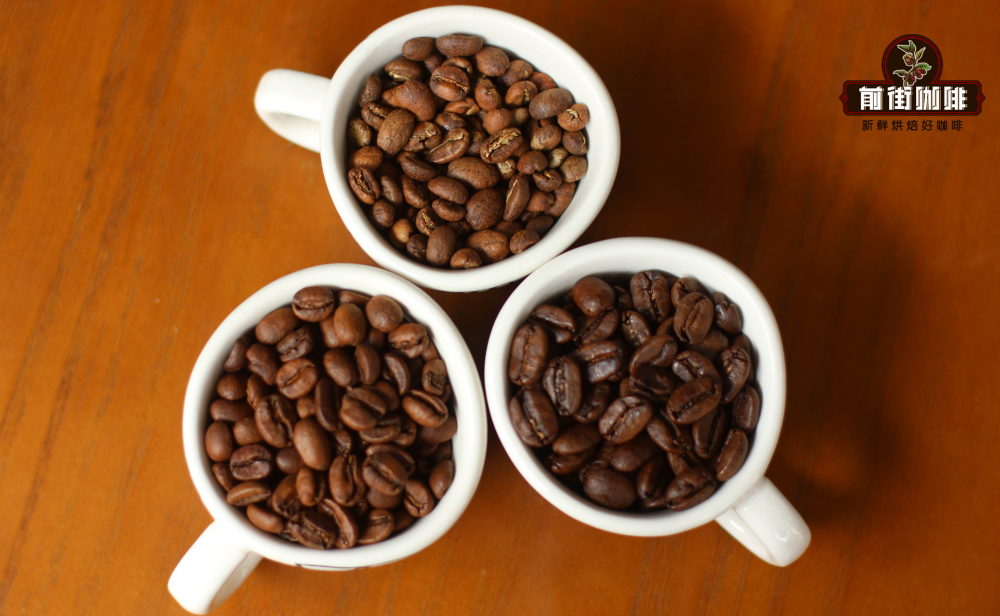
The name “Heirloom” originates from the 2017 TOH Natural category winning beans, introduced to China by Hongshun Company and named for its potential comparable to Geisha. Over the years, market versions commonly range from Heirloom 2.0 to 6.0.The currently popular Heirloom 5.0 exhibits complex flavors such as citrus, jackfruit, honeydew, and sweet honey.It has a full body yet remains refreshing. It should be noted that climate variations each year in the same region can slightly alter the beans’ characteristics, so roasters must flexibly respond to changes in moisture content and density.
Regarding the variety, many Ethiopian native cultivars have not been commercially classified, and most are labeled as “local native variety.” This reflects genetic diversity but also increases the challenge of roasting prediction. The natural sun-drying process is central to the Heirloom flavor profile — the natural sugars from the pulp and mucilage permeate the beans, naturally enhancing sweetness while preserving bright acidity and floral-fruity aromas.
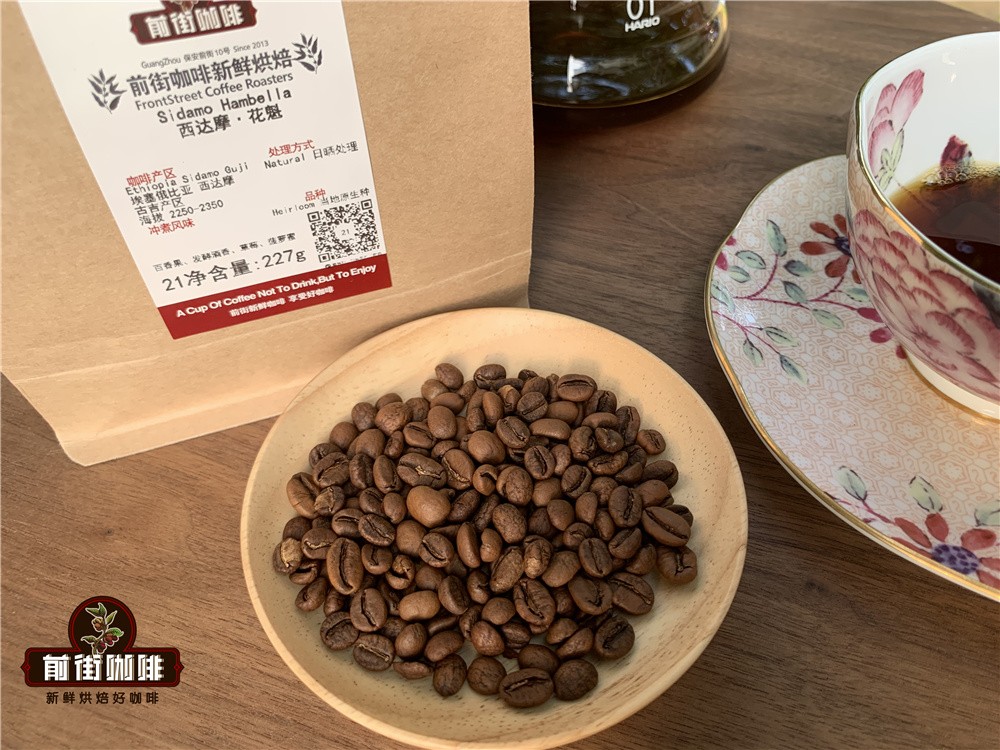
Based on multiple cupping data, the final recommended roasting curve parameters are:Charge temperature 190°C, yellowing temperature 150–153°C (drying completed in about 6 minutes), first crack around 9’50”, with development time strictly controlled at 1 to 1 minute 30 seconds.It is suggested to increase the air vent and reduce heat after first crack. When the roasted beans emit the aroma of strawberry jam (around 193°C), it’s time to drop them. The total roast time is recommended to stay under 11 minutes to ensure freshness and consistency of flavor.
For pour-over brewing, the V60 filter cone’s 60° shape and clockwise spiral ribs are designed to accelerate water flow and stabilize extraction speed, making it ideal for Heirloom’s delicate flavors. Practical parameters: 15g coffee, medium-fine grind (80% through a 20-mesh sieve), water temperature 90°C, coffee-to-water ratio 1:15. Step-by-step pouring: First, pour 30g for a 30-second bloom to form a “hamburger layer”; at 1’00”, pour up to 125g and wait for the water level to drop to two-thirds of the coffee bed; at 1’40”, add more water up to 225g, with total brew time around 1’59”. Let the coffee sit for 10 seconds after brewing to even out flavors before drinking.
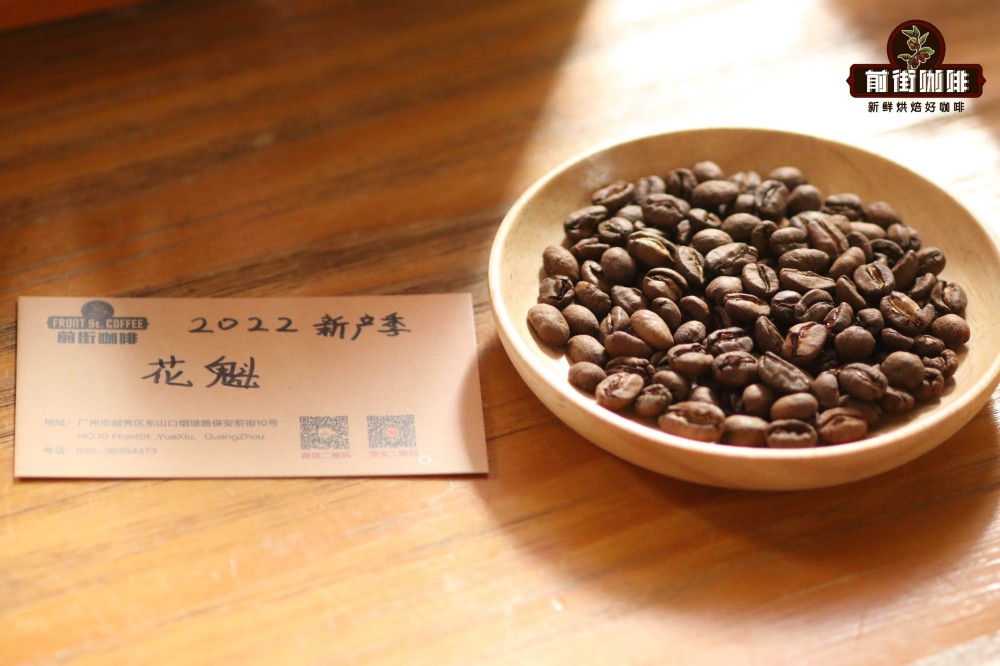
Freshly roasted beans are recommended to degas for 4–7 days for optimal flavor once carbon dioxide has sufficiently dissipated. One-way valve aluminum bags help balance gas release and prevent oxidation, maintaining a fresh taste. If purchasing pre-ground coffee, there’s no need for degassing but it should be used promptly to avoid aroma loss due to oxidation. Mastering these details will fully unlock Heirloom’s layered charm, from berries to honey.
The above content is compiled by CoffeeHunters, a coffee news website.


