







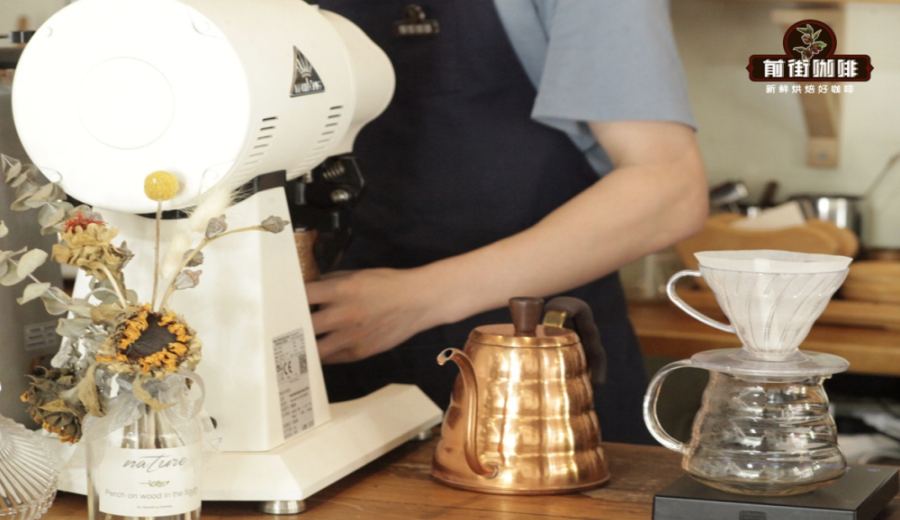
Introduction:A coffee brand has launched an autumn blend designed specifically for pour over brewing, titled “Sunflower Autumn Blend.” Based on Yunnan Typica, it combines washed Yirgacheffe Kochere and Gesha Village Natural Gesha. This article delves into the inspiration behind its development, blending rationale, optimized roasting profiles, and practical pour over performance—offering insights into how scientific ratios and precise roasting can create a seasonal limited-edition flavor that balances sweet and acidic notes with rich complexity.
As autumn deepened, the team at the coffee brand began developing a seasonal pour over blend—“Sunflower Autumn Blend.” Centered on Yunnan Typica with contributions from washed Yirgacheffe Kochere and Gesha Village Natural Gesha, this blend underwent multiple green bean experiments and roast parameter adjustments to ultimately deliver a soft yet multifaceted acidity, medium-to-high sweetness, and lasting aftertaste. Its flavor profile features a smooth base of black tea, cocoa, and caramel, layered with the tropical fruit aroma of jackfruit, the bright acidity and sweetness of orange, and a solid nutty finish. The cup is clean and transparent, with medium body and a unique effervescent sensation.
In common perceptions of blended coffee, such beans are typically associated with espresso—crafted either by blending before roasting or by combining separately roasted beans (usually two to five varieties) to complement each other’s strengths and weaknesses, resulting in a rich and bold character. However, this time the team shifted its focus to the pour over category, aiming to create a blend with a clean and bright flavor profile, a smooth mouthfeel, layered acidity, along with medium-to-high sweetness and a long, lingering finish.
In the early stages of development, the team screened several candidate beans from their existing stock: including washed Yirgacheffe, washed Costa Rica SHB Caturra, natural Yirgacheffe Red Cherry, the brand’s own 2013 washed Yunnan Typica, and Gesha Village Natural Gesha. These beans all scored above the threshold for specialty coffee in cupping tests. The primary task was to define the flavor characteristics the “autumn” theme should convey—the team agreed that while the mouthfeel didn’t need to be overly heavy, it should echo the fruity notes of the harvest season and emphasize sweetness as the core element.

For the blend structure, the team decided to adopt a “base bean + one or two supporting beans” strategy to avoid flavor clutter from too many components. The base bean needed to be highly accommodating, sufficiently sweet, possess a certain body, and maintain stable quality. After repeatedly comparing each coffee’s roast profiles and cupping scores in their database (with at least three roast records per bean), they ultimately selected Yunnan Typica as the foundation.“Flower & Fruit Mountain,” a domestic coffee, not only allows for easier quality control at the source, but also brings balanced flavors and a long-lasting aftertaste—making it well-suited to serve as the foundational role in the blend.However, Flower & Fruit Mountain falls slightly short in terms of unique acidity and flavor complexity, necessitating the addition of Ethiopian beans known for their bright acidity and rich fruity notes.
Among Ethiopian bean options, the team evaluated Candlelight, Huakui, Ariccia, Kochere, and Wolkite—origins renowned for floral, berry, and citrus profiles. Through blending trials (including Yunnan:Kochere ratios of 5:5, 7:3, and 8:2),the 7:3 Yunnan-to-Kochere combination exhibited gentle citrus acidity and a chocolatey finish, though with slightly weaker sweetness.Cupping analysis showed that washed Yirgacheffe Kochere, like Flower & Fruit Mountain, also presented a black tea-like finish. Its lemony acidity and orange notes effectively enhanced the recipe’s complexity and brightness, making it one of the final blend components.
Regarding roast methods, using each bean at its individually optimal roast level (medium-dark for Yunnan and light for Kochere) and then blending them could lead to over-extraction of Yunnan and under-extraction of Kochere during pour over, resulting in imbalanced flavors. Thus, the team opted to blend the green beans prior to roasting—combining unroasted beans before a unified roast process. Based on moisture content and bean density analyses, the two washed beans were quite similar (Yunnan Typica is softer but larger in size, while Kochere is harder but smaller), making mixed roasting less prone to unevenness. They employed a step-down heat roasting strategy: extending the Maillard reaction time after dehydration and homogenization to ensure synchronous development of both beans. Roasting was performed using a Yangjia 600g machine, with the following parameters:Charge weight: 300g; charge temperature: 170°C, drop-in while heat off; after 30 seconds, turn heat to 140, air vent 3; at 140°C, reduce heat to 120, open air vent to 4; at 4:30, dehydration to yellowing stage, at 168°C reduce heat to 90; first crack begins around 8 minutes, open air vent to 5, develop first crack for 1:45 until reaching 195°C for drop(image placeholder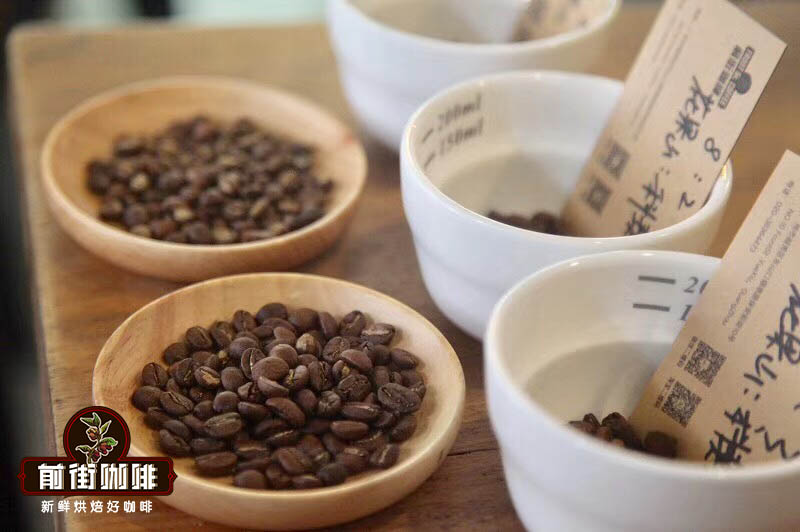 ). Initial ratio testing (Flower & Fruit Mountain:Kochere 6:4) yielded a clean cup with sweet apple notes and plum acidity, but the flavor felt somewhat thin.
To enhance flavor complexity, the team added Gesha Village Natural Gesha (adjusting the ratio to Flower & Fruit Mountain:Kochere:Gesha 6:3:1). With a reduced Kochere proportion, the acidity became smoother, andthe 10% Gesha addition brought more fruity, floral, and late-stage tea-like notes.Roast parameters were slightly adjusted: lowering the drop temperature to preserve more fruity and floral aromas, shortening the dehydration-to-first-crack duration to increase reactive compounds, and extending the first crack development time (charge temp: 170°C, drop-in while heat off; after 30 seconds, turn heat to 140, air vent 3; at 140°C, reduce heat to 120, open air vent to 4; at 4:30, dehydration to yellowing stage, at 168°C reduce heat to 90; first crack at 7:46, open air vent to 5, develop for 2:05 until reaching 193°C for drop, image placeholder). This roast level was defined as medium-light. At this stage, Yunnan Typica expressed brown sugar aromas, black tea, and creamy notes, with a clean cup and high sweetness (image placeholder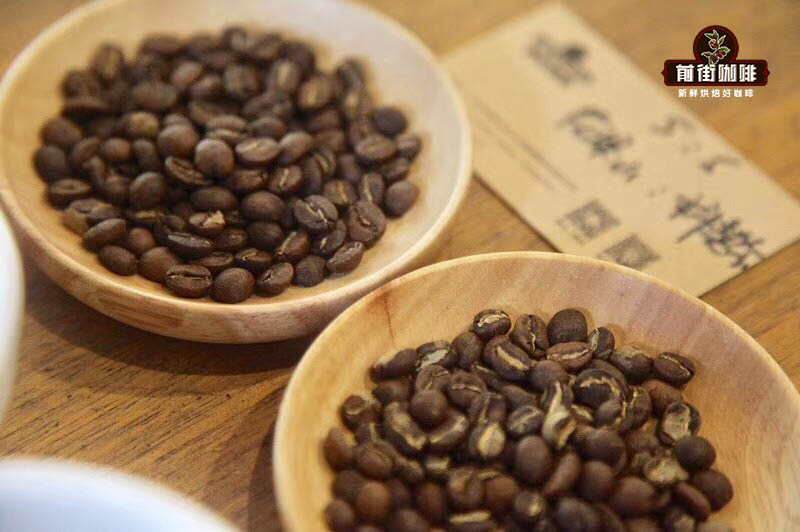 ).
The final pour over performance validated success: the cup opens with soft, dynamic acidity, transitions smoothly through mid-palate acidity and sweetness, and finishes with a long, lingering aftertaste. The flavor profile includes fresh green vegetal notes, black tea, cocoa, caramel, jackfruit, orange, and nutty aromas. The body is medium with a slight effervescence. Recommended resting period is 5 days, with an optimal pour over water temperature of 89°C (90°C may introduce astringency), fully showcasing the blend’s autumnal warmth—a fusion of Asian and African bean characteristics, where both concept and flavor execution resonate tightly with the season’s atmosphere.
The above content is compiled by CoffeeHunters, a coffee news website.


