







Introduction:The French press is the go-to brewing tool for many coffee beginners stepping into the world of manual brewing. Its ease of use and stable flavor output are its biggest advantages. However, to brew a great cup of French press coffee, the key lies in mastering the right amount of coffee grounds, grind size, coffee-to-water ratio, and steeping time. This article will delve into these core parameters and compare the crema performance of the French press, espresso, and moka pot, helping you understand the characteristics of each brewing method and providing clear, practical tips.
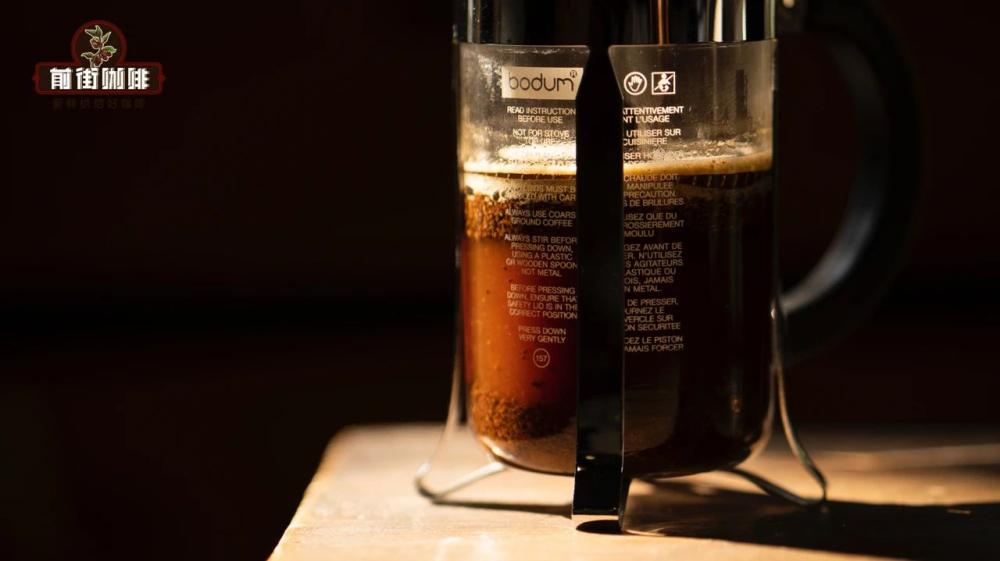
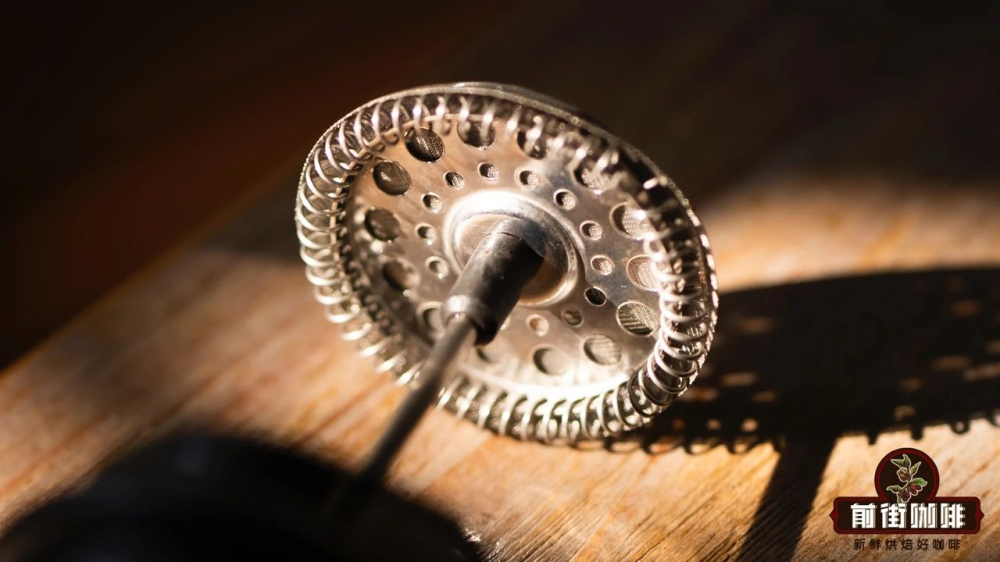
The French press, also known as a French filter pot or French plunger pot, is a simple yet practical coffee brewing device. It originated in France around 1850 and was initially used mostly for brewing tea, which is why it’s sometimes called a “tea infuser.” Its basic structure consists of a heat-resistant glass carafe and a metal filter plunger. Though the design is straightforward, it effectively extracts the oils, aromas, and sweet flavors from coffee, making it a favorite among many households and coffee newcomers.
The advantage of using a French press is its intuitive operation and high stability—you can brew a well-rounded cup of coffee without any complicated techniques. Compared to pour over, coffee from a French press usually has a fuller, rounder body and retains more coffee oils. However, when compared to espresso machines, its crema production is relatively modest, though it still delivers an intriguing layering of flavors.
To brew satisfying coffee with a French press, the key lies in controlling several core elements: coffee dosage, grind size, coffee-to-water ratio, water temperature, and steeping time. These parameters not only affect flavor expression but also directly determine whether the extraction is balanced. Below, we’ll explain each one and provide practical recommended settings so that even beginners can reliably brew a great cup.
Let’s start with coffee dosage. For a standard two-cup (about 300ml) French press, it’s generally recommended to use about 20 grams of coffee beans, with a coffee-to-water ratio between 1:14 and 1:18. This range can be fine-tuned based on personal taste. If you prefer a stronger flavor, go for 1:14 to 1:15; if you prefer a lighter profile, you can increase the ratio to 1:16 to 1:18. If your French press has volume markings, remember to pour hot water first and then add the coffee grounds to ensure the ratio is calculated correctly. If there are no markings, using a digital scale is recommended to accurately measure the water by weight.
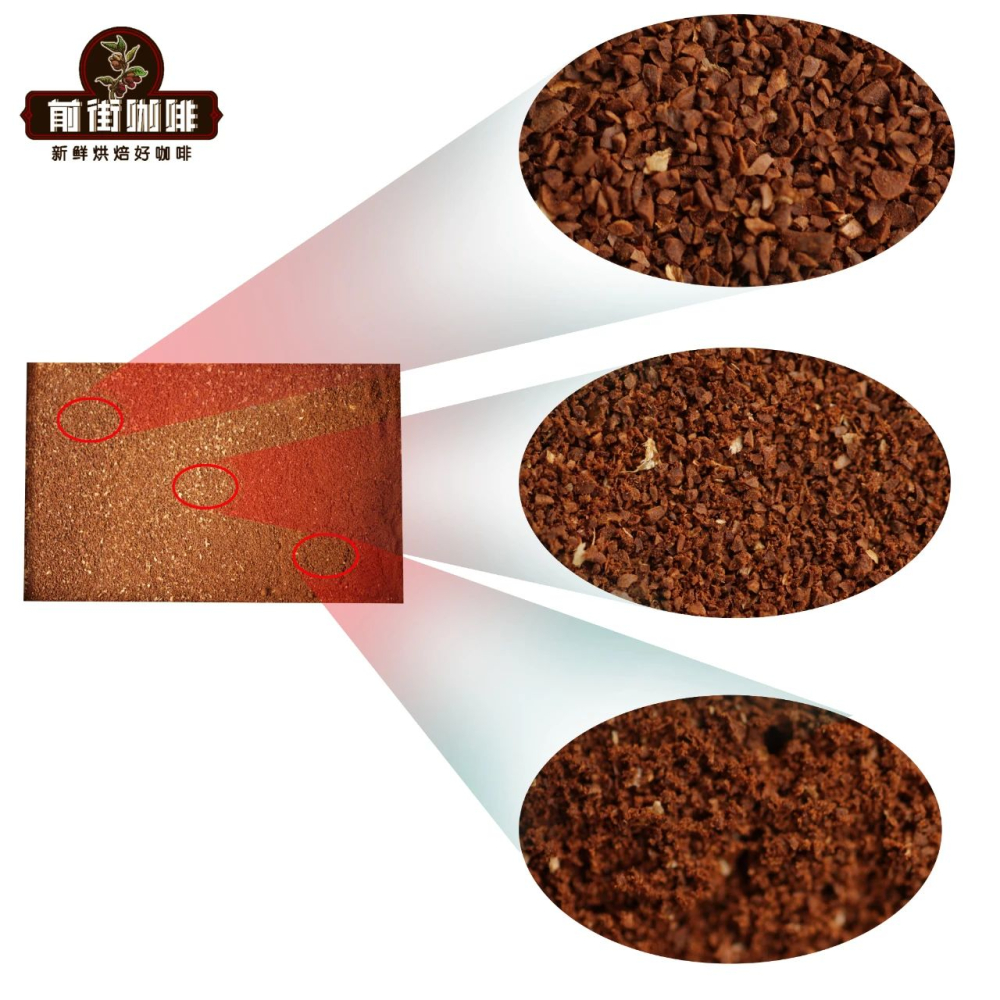
In terms of grind size, the French press requires a “coarse grind,” roughly similar to the granularity of brown sugar. This is because the French press uses a metal filter with relatively large holes. If the coffee is ground too finely, fine particles can pass through the filter, resulting in a murky cup and even over-extracted bitterness. Additionally, a coarse grind helps ensure even contact with hot water, allowing flavors to be released properly during the appropriate steeping time without over-extraction.
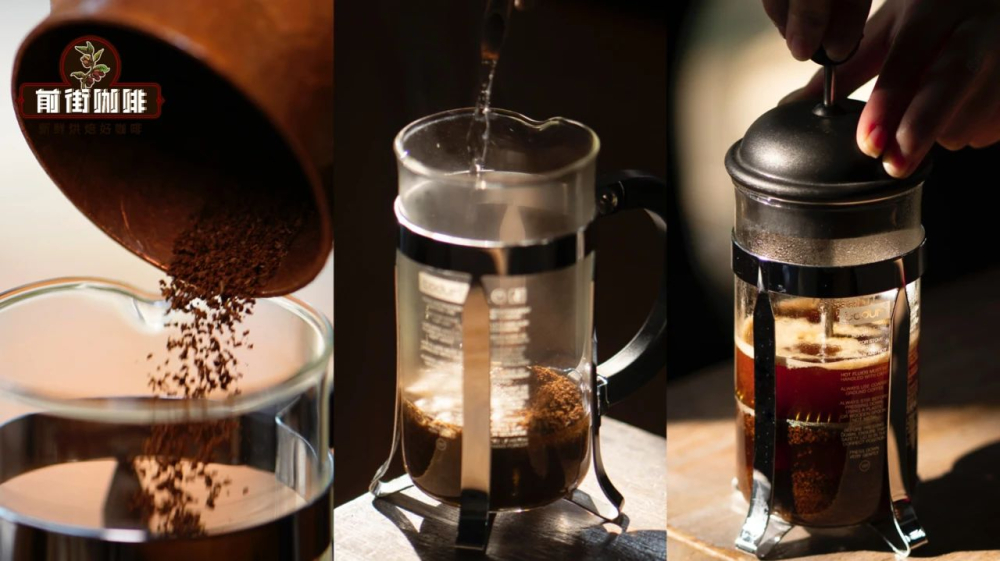
For the brewing steps, it’s recommended to preheat the French press first, then add the measured coffee grounds. Use hot water at about 85°C to 95°C for pouring. For light roasts, you can opt for a higher temperature to enhance aroma, while for dark roasts, it’s advisable to lower the temperature to avoid excessive bitterness. When pouring, you can mimic the pour over method by pouring in a circular motion to ensure even saturation. The total water volume is recommended to be around 300 grams, or roughly 300 milliliters. After pouring, gently stir to ensure all coffee grounds are fully saturated.
The next step is the waiting period, also known as “bloom” or “steeping.” It’s generally recommended to let it steep for about 4 minutes. Depending on personal preference, this can be adjusted flexibly—for instance, if you prefer a stronger cup, you can extend it to 4.5 or even 5 minutes, but avoid going too long as it may lead to over-extraction, resulting in a bitter and heavy flavor. Once steeping is complete, gently press down the filter plunger. Do this slowly and steadily to avoid going too fast, which can force fine particles through the filter and affect the taste. It’s advisable to stop applying pressure near the bottom without pressing all the way down.
Finally, slowly pour out the brewed coffee. It’s best to pour it all out in one go to avoid leaving coffee grounds in contact with the remaining water, which could affect subsequent flavors. Overall, the French press is easy to operate and beginner-friendly, making it a very approachable choice for those who want to enjoy consistently good coffee at home.
Now let’s look at the crema performance of French press coffee. Many people ask: “Can the French press produce crema like an espresso machine?” The answer is: yes, but not much. Compared to the rich golden crema on top of espresso extracted by an espresso machine, the French press’s crema performance is moderate—usually more than pour over, but noticeably less than espresso.
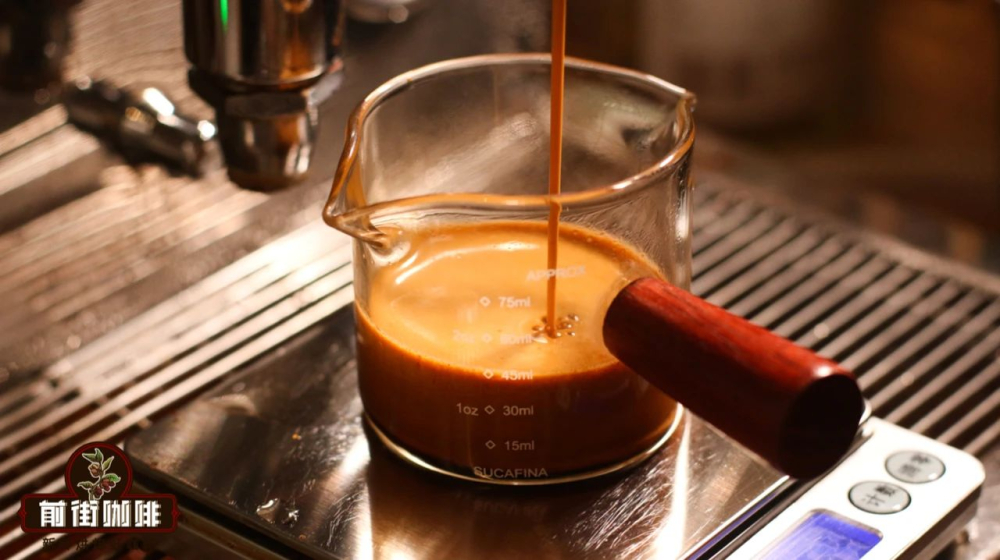
The so-called coffee crema mainly comes from the carbon dioxide and insoluble oils in the coffee beans. Under high-pressure extraction conditions (such as the 9 bar pressure of an espresso machine), carbon dioxide dissolves into the water while the oils are emulsified and rise with bubbles, forming the crema we see. The French press, however, uses low-pressure immersion brewing, which cannot generate enough pressure to stabilize the carbon dioxide and oils into a rich crema layer. Therefore, the crema is minimal, but it still retains some delicate oil sheen that enhances the smoothness of the mouthfeel.
Compared to other common home coffee brewers, the espresso machine is undoubtedly the best at showcasing rich crema, especially when paired with finely ground dark roasts—not only is the crema attractive, but it’s also perfect for latte art. The moka pot, which uses high-temperature, high-pressure steam extraction, can also produce a certain amount of crema, though not as much as an espresso machine. For users on a budget who still want to experience crema-like flavors, it remains an affordable and practical choice. In comparison, although the French press produces less crema, its ease of use and stable flavor profile still make it a daily favorite for many coffee enthusiasts.
In summary, the French press is an extremely user-friendly coffee tool suitable for both beginners and everyday drinkers. As long as you get the coffee dosage right (recommended 20 grams), choose a coarse grind (similar to brown sugar), control the coffee-to-water ratio between 1:14 and 1:18, use water at about 85–95°C, and steep for around 4 minutes, you can reliably brew a cup of coffee with full flavor, smooth texture, and a moderate amount of crema. If you’re looking for a simple yet flavorful brewing method, the French press is definitely worth a try.
The above content is compiled by CoffeeHunters, a coffee news website.


