







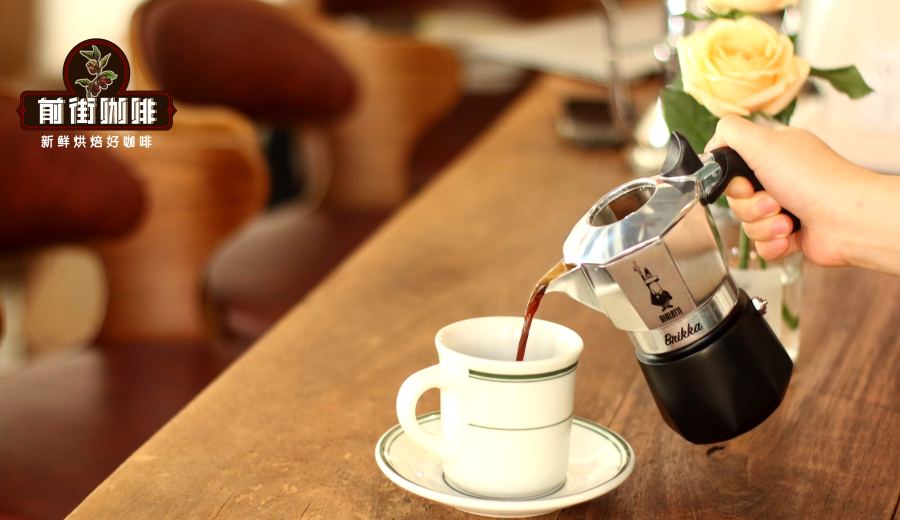
Introduction:The moka pot is the go-to brewing method for many coffee enthusiasts taking their first step into the world of espresso-style coffee. Its simple operation delivers a brew that boasts both crema-like richness and layered complexity. This article provides a detailed guide to preparing the moka pot, selecting the right coffee beans, and uses Indonesian Golden Mandheling as an example to illustrate how wet-hulling and medium-dark roasting bring out its bold flavors. Follow along step-by-step to master brewing a rich and aromatic cup of moka coffee at home.
First introduced in 1933, the moka pot was invented by Italian designer Alfonso Bialetti. It’s a device that brews coffee by using heat to generate steam pressure. Compared to other professional-grade espresso equipment, the moka pot is not only more affordable but also much simpler to use, making it a favorite for many households and beginners even today.
The working principle of the moka pot isn’t complicated: when the lower chamber is heated, the water inside gradually turns into steam, creating enough pressure to push the hot water upward through the filter and coffee grounds, eventually collecting as brewed coffee in the upper chamber. This brewing method results in a strong coffee flavor with balanced acidity and bitterness, as well as noticeable crema-like oils on the surface, closely resembling the taste profile of traditional espresso.
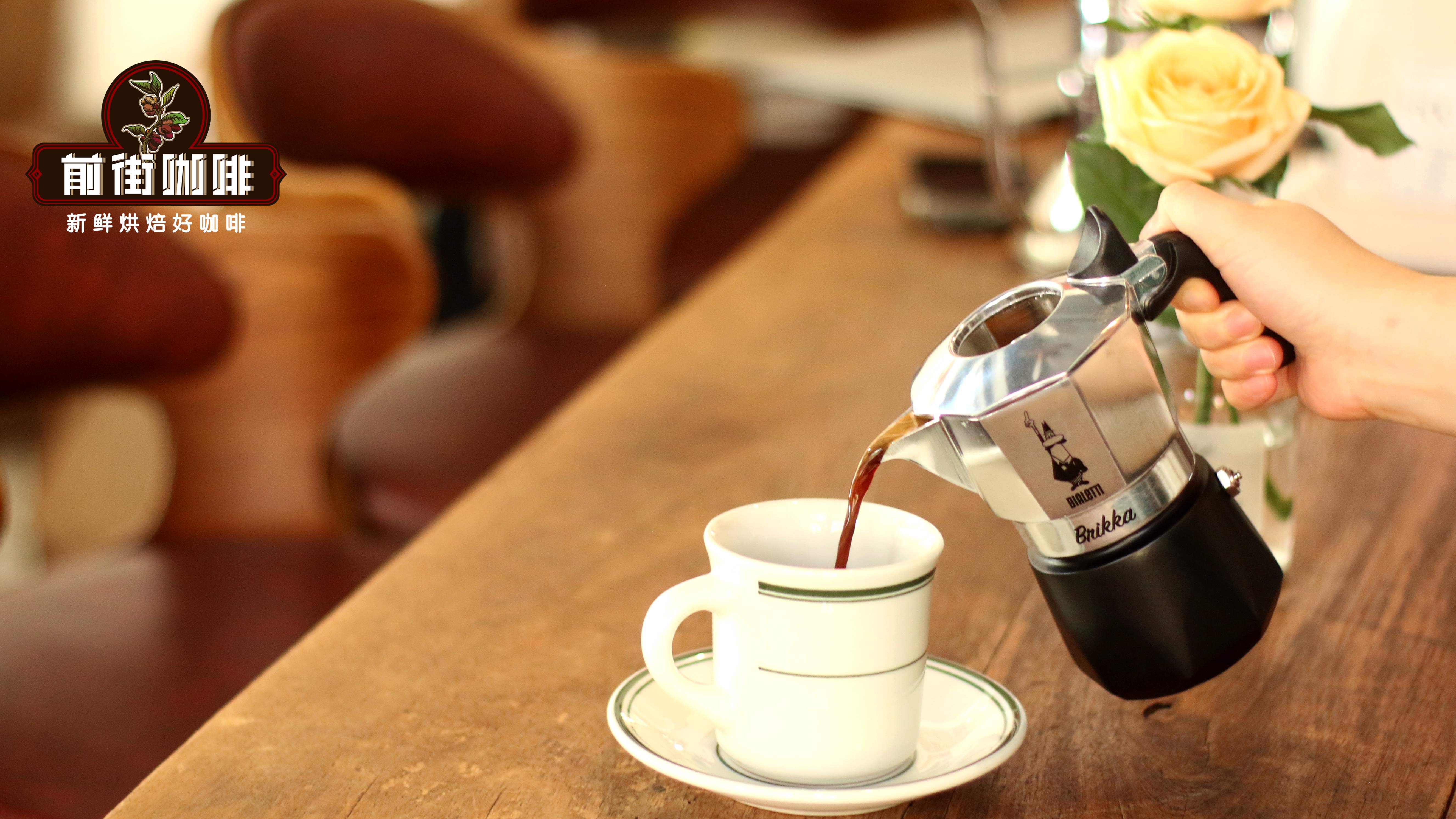
To get started with a moka pot, you’ll need the following basic tools: the moka pot itself, a heat source (such as a gas stove or induction cooker), ground coffee, a grinder, and clean water. It’s recommended to use freshly roasted coffee beans to fully showcase the layers of flavor and aroma.
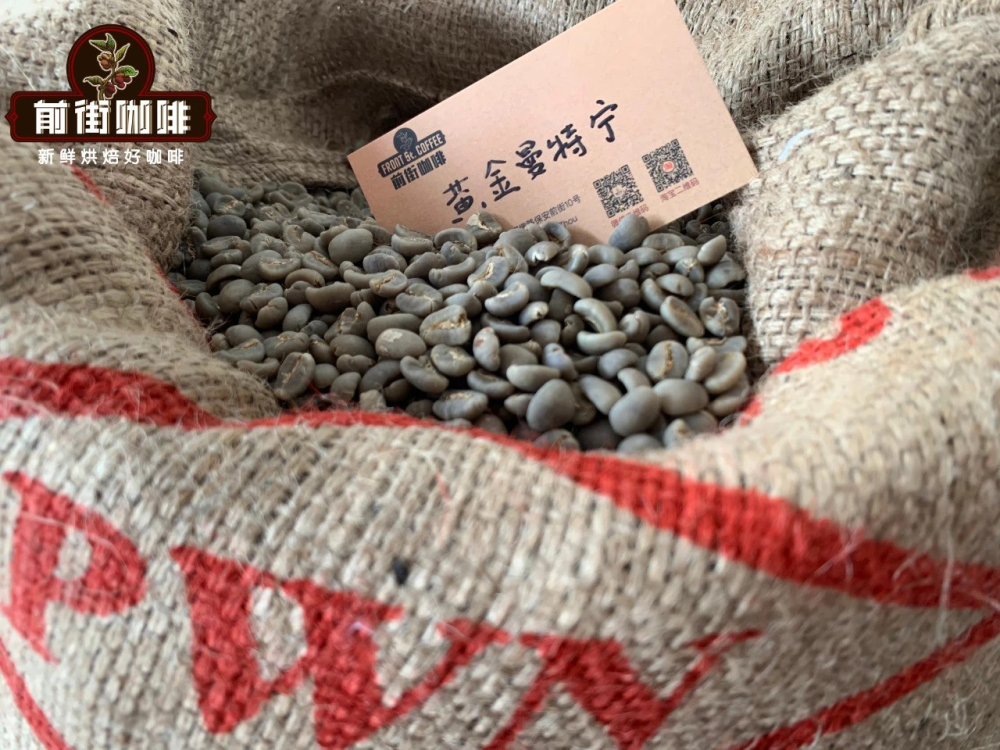
For instance, Indonesia’s Golden Mandheling is an excellent choice for brewing with a moka pot. These beans come from the Gayo Lake Tawar region of Sumatra, produced by the well-known PWN company and processed using the wet-hulling method. Wet-hulling is a unique post-harvest processing technique. Although it may increase the rate of defects, it imparts distinctive herbal, spicy, and woody aromas — a key contributor to what’s known as the “terroir” flavor.
It’s worth noting that wet-hulling involves removing the parchment layer while the beans are not yet fully dried, exposing them directly to air and making them susceptible to microbial influences. However, this also creates bold and highly recognizable flavor characteristics. Additionally, because the scraping process occurs while the beans are semi-dry, they’re prone to deformation or even cracking, resulting in a generally higher defect rate. To ensure quality, PWN selects only G1 grade beans from high-altitude regions in northwestern Sumatra and puts them through four rounds of manual sorting to guarantee consistent color, size, and shape standards.
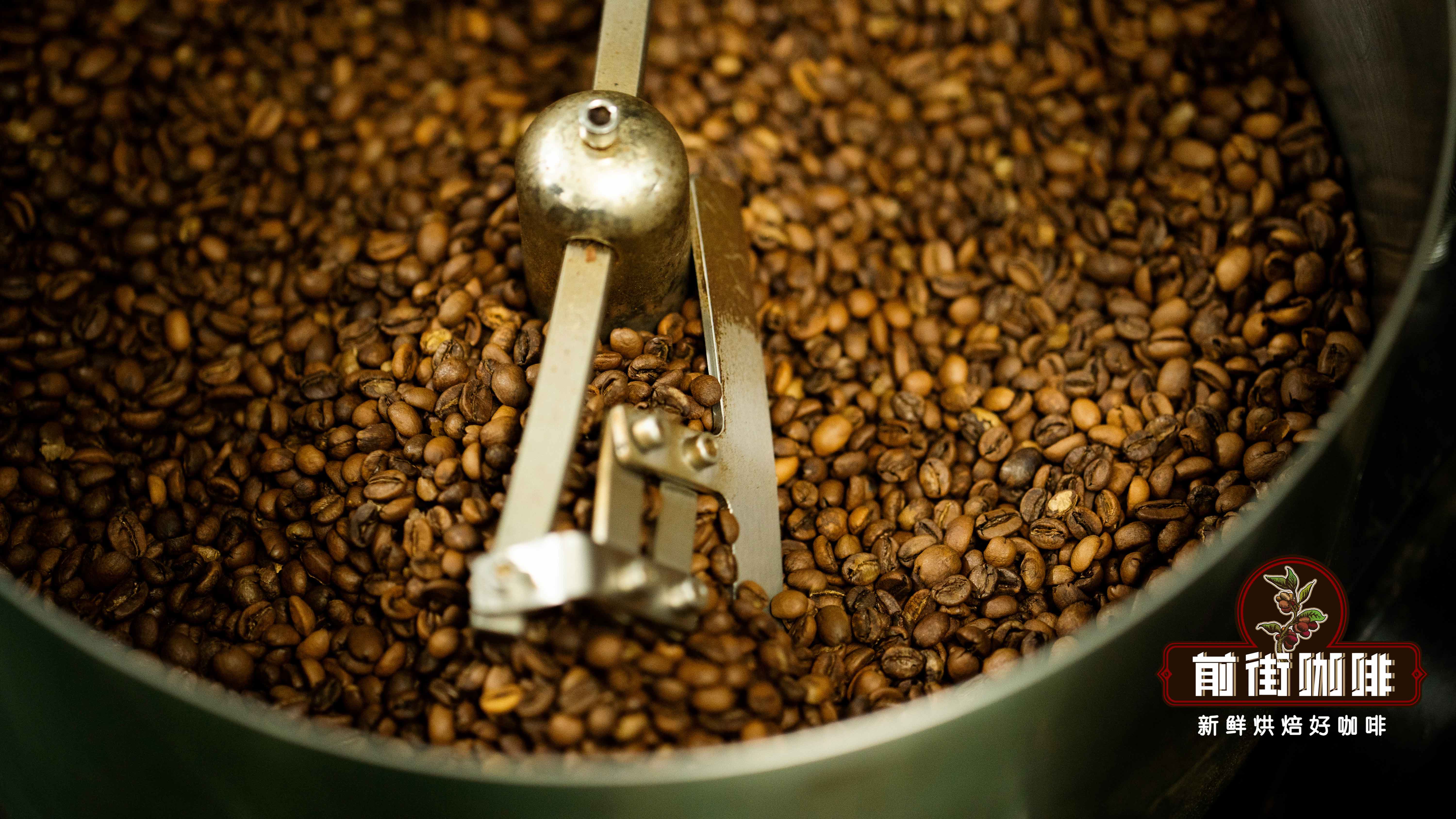
In terms of roast level, to highlight the bold and sweet characteristics of Mandheling coffee, roasters typically opt for a medium-to-dark roast. This level brings out aromas of dark chocolate, caramel, and nuts, while enhancing the body and aftertaste of the coffee. When these traits are extracted via a moka pot, the result is an even richer and more layered flavor experience.
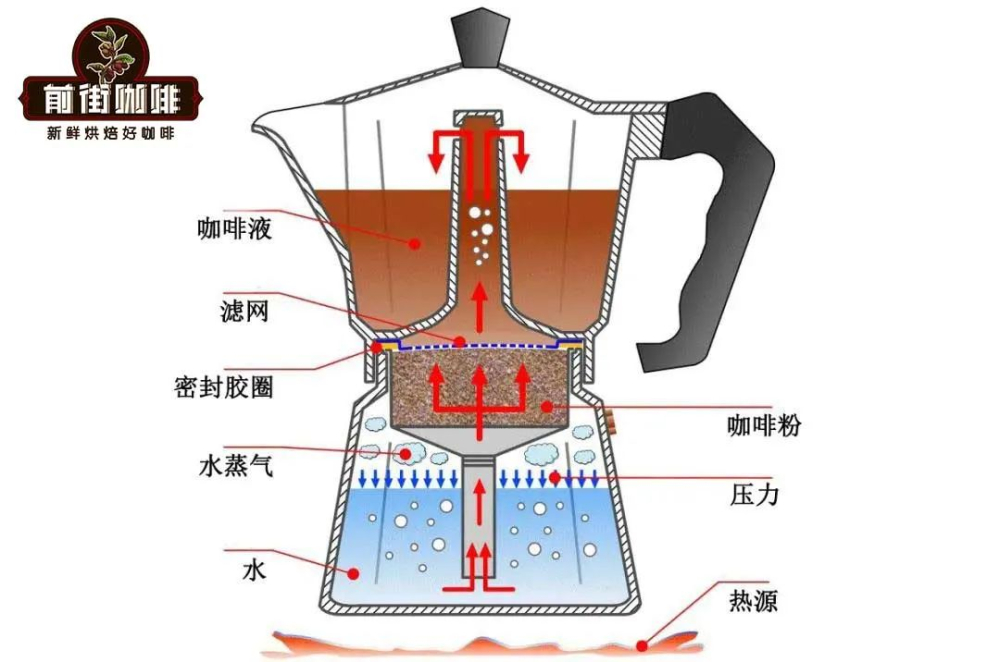
When using a moka pot, it’s recommended to use medium-fine coffee grounds, roughly the consistency of granulated sugar. Too coarse a grind can lead to under-extraction, while too fine may cause over-extraction and excessive bitterness. When filling the coffee chamber, gently tamp the grounds without compacting them too tightly — this ensures proper water flow while maintaining adequate extraction pressure.
When adding water, make sure the water level stays below the safety valve of the lower chamber to avoid excessive steam pressure during heating, which could pose a safety risk. Use low to medium heat when brewing — too high a flame can cause overheating at the base, leading to uneven extraction or burnt flavors. Once you see coffee starting to drip from the upper chamber, slightly reduce the heat to stabilize the extraction and avoid over-extraction.
Moreover, it’s important to disassemble and clean your moka pot promptly after each use. The filter basket, in particular, tends to accumulate coffee grounds and oils. Over time, this buildup can not only affect the flavor of future brews but also lead to blockages or uneven heating. It’s best to rinse the parts with warm water and a soft brush after each use, and allow them to dry completely before reassembling and storing.
In summary, the moka pot is not only a classic and practical coffee tool but also many people’s first gateway into the world of espresso-style coffee. By mastering grind size, tamp pressure, heat control, and the coffee-to-water ratio, you can easily brew a rich, espresso-like cup in the comfort of your home. Paired with flavorful, complex beans like Golden Mandheling, you’ll truly appreciate the unique charm of the moka pot.
The above content is compiled by CoffeeHunters, a coffee news website.


