







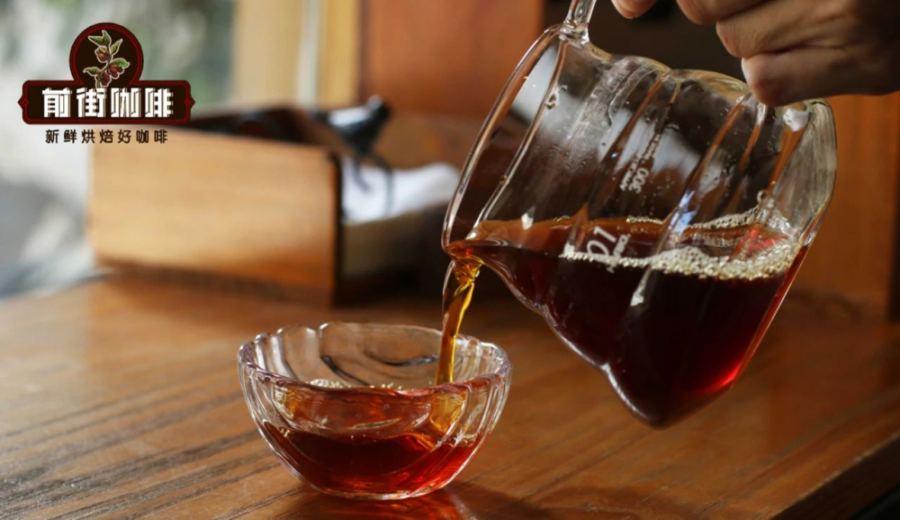
Introduction:The Honduras Sweet Orange Estate washed coffee beans, cultivated under the shade of wild orange trees, develop a unique sweetness and floral-fruit aroma. Suitable for both single-origin tasting and pairing with espresso, this article delves into this medium-roast bean from the Marcala region. Starting with its core flavors of almond, dark chocolate, and caramel, we provide two practical brewing methods—pour over using a three-stage method and French press—along with detailed guidance on key parameters such as water temperature, coffee-to-water ratio, and grind size. This will help you easily recreate a professional-level balanced taste and lingering finish at home.
Honduran coffee has long been known for its diverse flavor profiles. While the Sweet Orange Estate washed beans may not possess the wine-like characteristics of specialty processes like sherry or Lila, they benefit from the high altitude and wild orange tree shade of the Marcala region to produce a rich sweetness and layered floral-fruit aromas. This washed coffee clearly showcases a flavor profile of almond, cedar, dark chocolate, deep fruits, and caramel, with a full-bodied and rounded mouthfeel. It’s not only an excellent base for espresso blends but also shines as a single-origin coffee with delicate layers.
The Sweet Orange Estate is located in Honduras’ Marcala region, which has long been renowned for producing high-quality washed beans. The tall wild orange trees not only offer ideal shading but also impart their intense natural fruit aroma, subtly enriching the coffee with a unique citrus tone and refreshing sweetness. Compared to other common honey or natural processed beans, the washed process preserves a cleaner acidity and brighter citrus aftertaste for the Sweet Orange Estate beans, while highlighting the silky texture of nuts and cocoa.
In terms of roast level selection, after repeated cuppings and adjustments,medium roasthas been proven to best highlight the sweetness and aromatic layers of these beans. A lighter roast, while preserving more acidity, can make the flavors seem thin; whereas a darker roast, though enhancing the contrast between bitterness and sweetness, may mask its delicate fruit notes. Therefore, this medium roast strikes a perfect balance between sweetness, acidity, and body, making it suitable for various brewing methods.

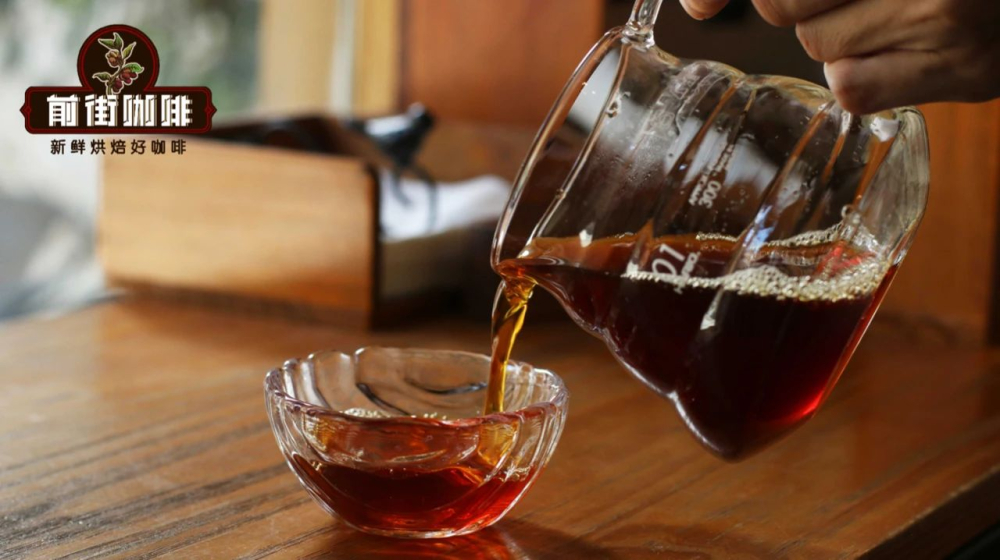
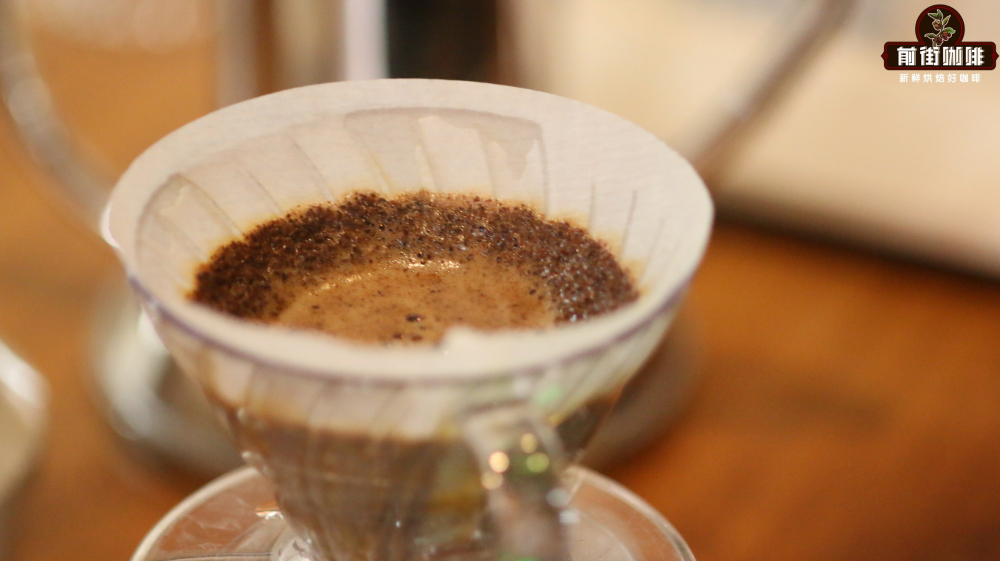
To fully showcase the citrus acidity and nut-cocoa flavors of these beans,the pour over three-stage extraction methodis the recommended approach. We suggest using a Hario V60 filter cone, along witha water temperature of 90–91°C,15 grams of coffee grounds, anda 1:15 coffee-to-water ratio, with a grind setting equivalent to 80% through a standard #20 sieve (close to the coarseness of fine sugar). The first step involves blooming with 30 grams of water for about 10 seconds, then letting the coffee grounds degas for 20 seconds. This step effectively awakens the coffee aromas and prevents unwanted off-flavors later. Next, slowly pour 125 grams of water in small streams, moving from the center outward in a circular motion, taking about one minute in total. Once the coffee bed visibly lowers, add the remaining 70 grams of water to reach a total of 225 grams, with the overall extraction time kept around two minutes. Finally, allow the coffee to fully drip through before gently shaking the server to even out the concentration—your cup with clear and vibrant flavors is ready.
With the above pour over parameters, the Sweet Orange Estate beans reveal bright grapefruit peel and citrus acidity, paired with delicate nutty undertones and a faint smokiness, closely matching the flavor profile observed during cupping. For those who prefer a smoother and rounder mouthfeel,the French pressoffers another ideal option. This method is simple to operate, effectively extracting the coffee’s oils and aromatic compounds, resulting in a balanced and long-lasting chocolatey main note with a caramel finish.
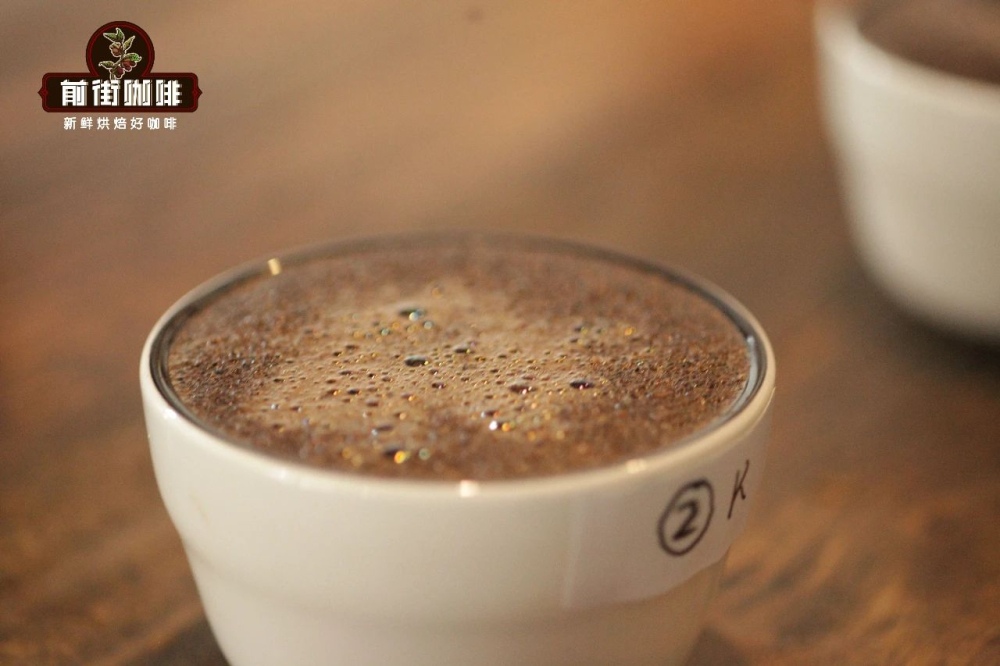
When using a French press, it’s recommended to grind the beans toa medium grind slightly coarser than pour over(approximately the standard French press grind size), ensuring even particle size to avoid over- or under-extraction. Add15 grams of coffee groundsinto the press, then pour in90°C hot waterwith a coffee-to-water ratio set between1:10 and 1:13, adjustable according to personal taste. After pouring the water, stir gently to ensure all grounds are evenly saturated, then place the lid on the French press while keeping the plunger at the top. Let it steep for four minutes. Once the time is up, first open the lid to remove any floating grounds or foam, then slowly press the plunger down without applying too much force to prevent fine particles from passing through. It’s best to pour the coffee into your cup immediately to avoid any changes in flavor balance due to residual heat.
With the French press extraction, the flavor profile of the Sweet Orange Estate beans becomes more concentrated, with a prominent chocolatey main note and a long-lasting caramel sweetness in the aftertaste—ideal for coffee lovers who enjoy a fuller body. It’s worth noting that different brewing devices significantly affect the final flavor presentation: pour over emphasizes the layering of acidity and aroma, while the French press excels in balancing body and sweetness.
In summary, the Honduras Sweet Orange Estate washed beans, thanks to their unique shaded environment and washed processing method, deliver an enticing flavor profile that combines sweetness and fruity notes. Whether you choose the pour over three-stage method or the French press, mastering key parameters such as water temperature, grind size, and brewing time will allow you to easily recreate a professional-grade coffee experience at home. Don’t hesitate to try different brewing methods to find the cup that best suits your personal taste preferences.
The above content is compiled by CoffeeHunters, a coffee news website.


