







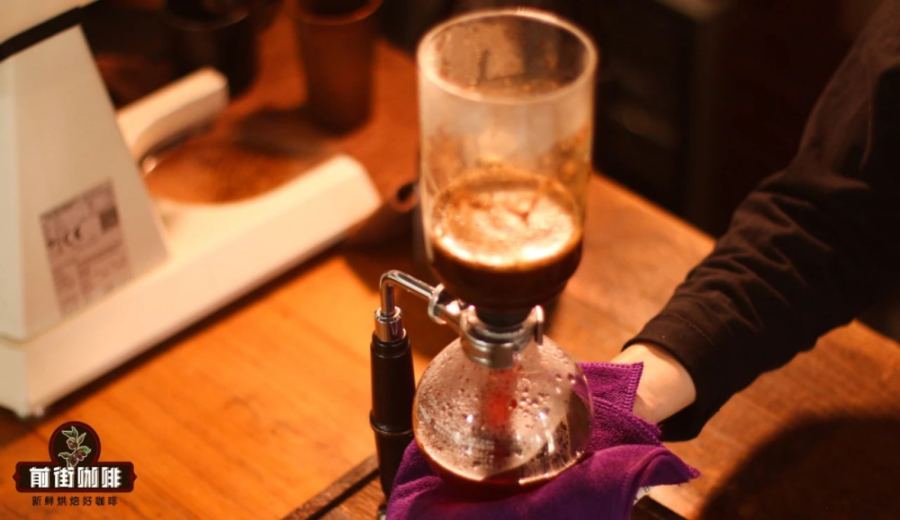
Introduction:The coffee brewed with a siphon pot is highly favored among coffee enthusiasts for its rich, full-bodied taste and abundant, aromatic profile. However, to successfully extract an ideally flavored siphon coffee, it’s not only essential to master the amount of coffee grounds used but also to deeply understand the structure of the equipment and the brewing process. This article will thoroughly analyze the functions of each component of the siphon pot and the working principles of its filtration system, while also providing practical tips to help you easily brew a smooth and layered siphon coffee at home.
The coffee made with a siphon pot is beloved by many coffee lovers for its mellow, robust texture and intense, rich aroma. Compared to pour over coffee, which pursues a clean, bright taste with distinct and clear flavor layers, the siphon pot emphasizes a thicker, richer, and more full-bodied mouthfeel experience. However, to brew a satisfying cup of siphon coffee, in addition to mastering the operational techniques, one must accurately control the amount of coffee grounds used, understand the overall structure of the equipment, and properly maintain the filtration system. Below, we will take an in-depth look at every detail of the siphon pot, enabling you to consistently make a delicious cup of siphon coffee at home.
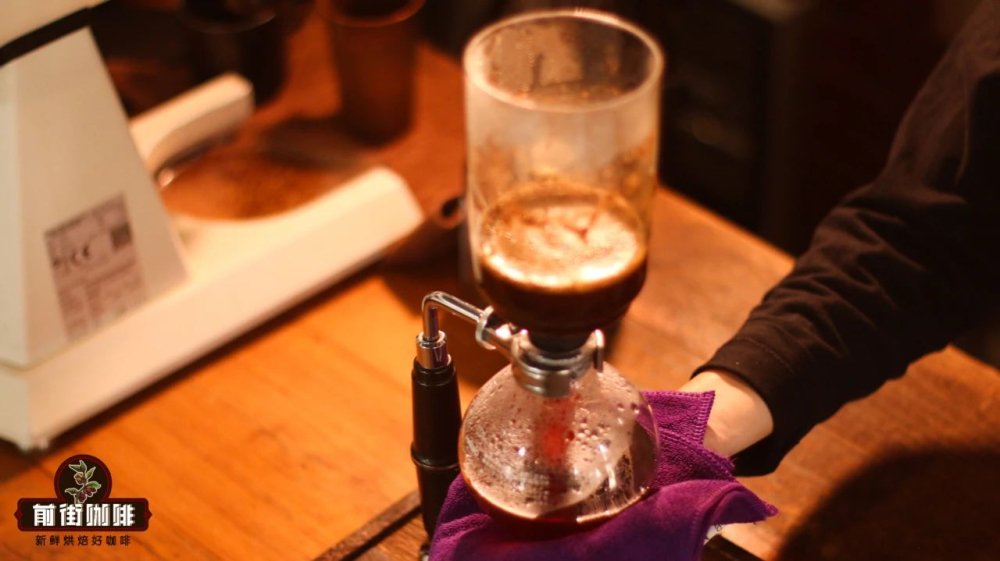
Anyone who has personally experienced the siphon brewing process can clearly feel the significant difference between it and pour over coffee. Not only is the mouthfeel upon drinking entirely different, but the way flavors are presented also varies greatly. Pour over coffee usually exhibits a clearer, brighter taste with distinct flavor layers where each note can be clearly identified; whereas siphon coffee offers a heavier mouthfeel, more abundant aroma release, and an overall flavor that is richer and more robust.
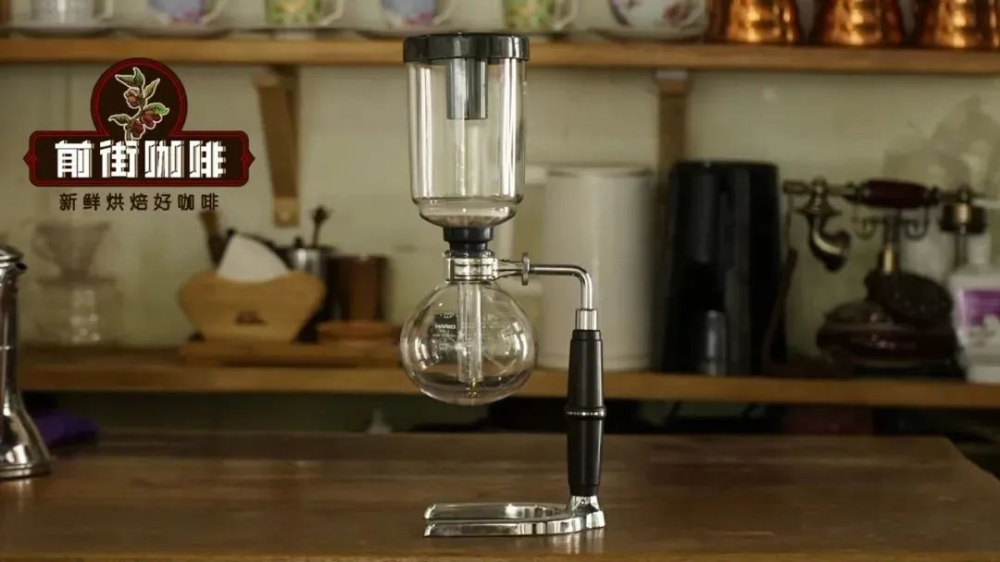
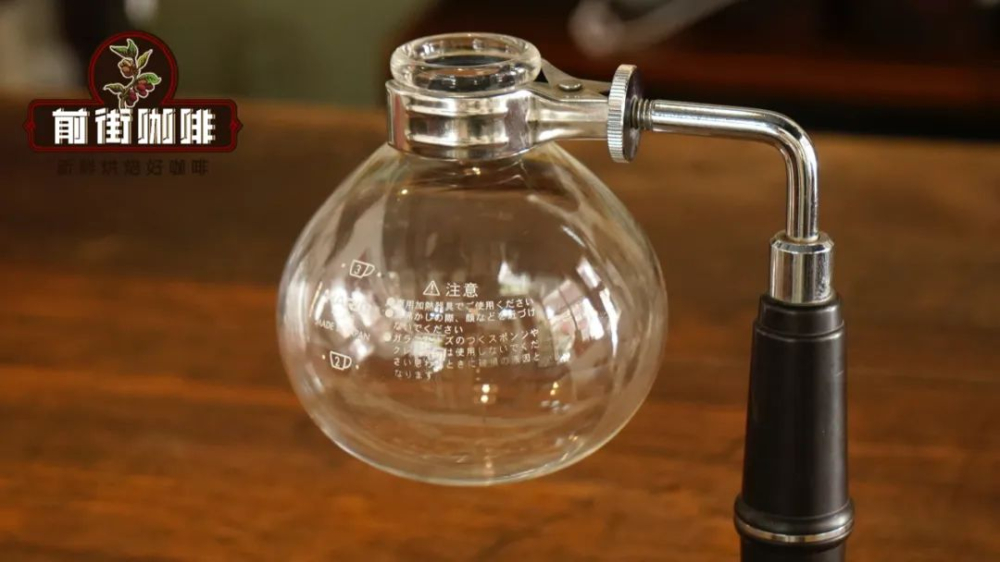
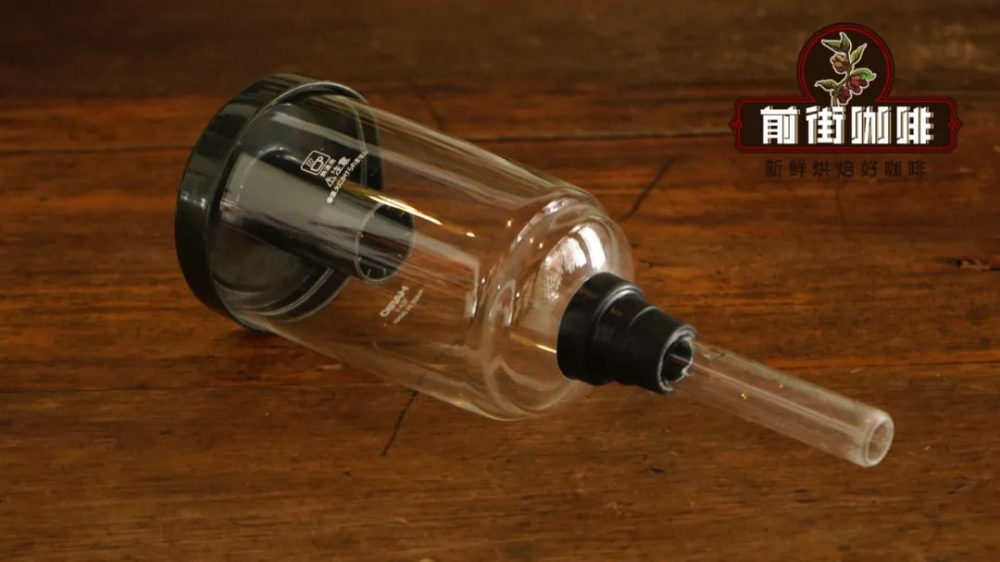
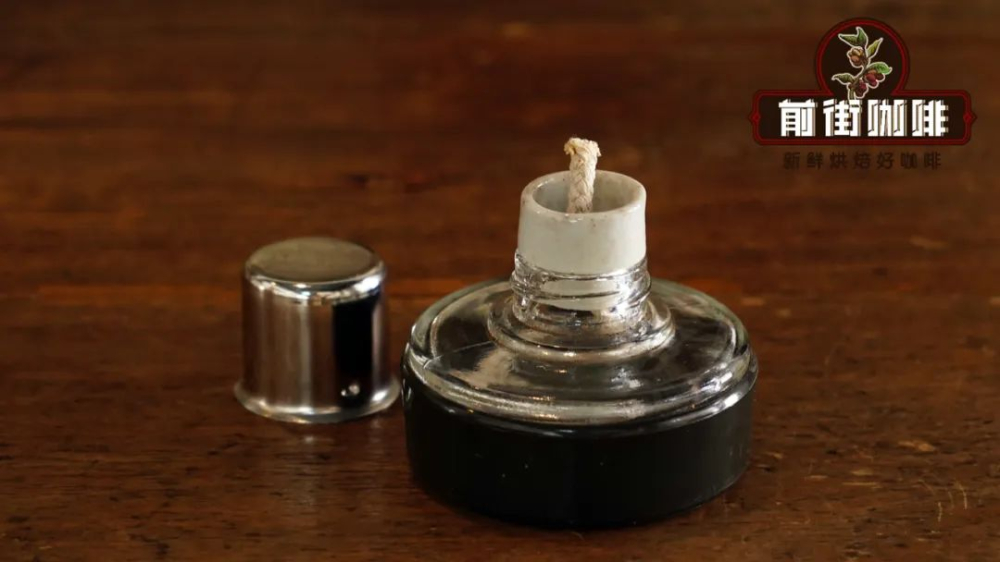
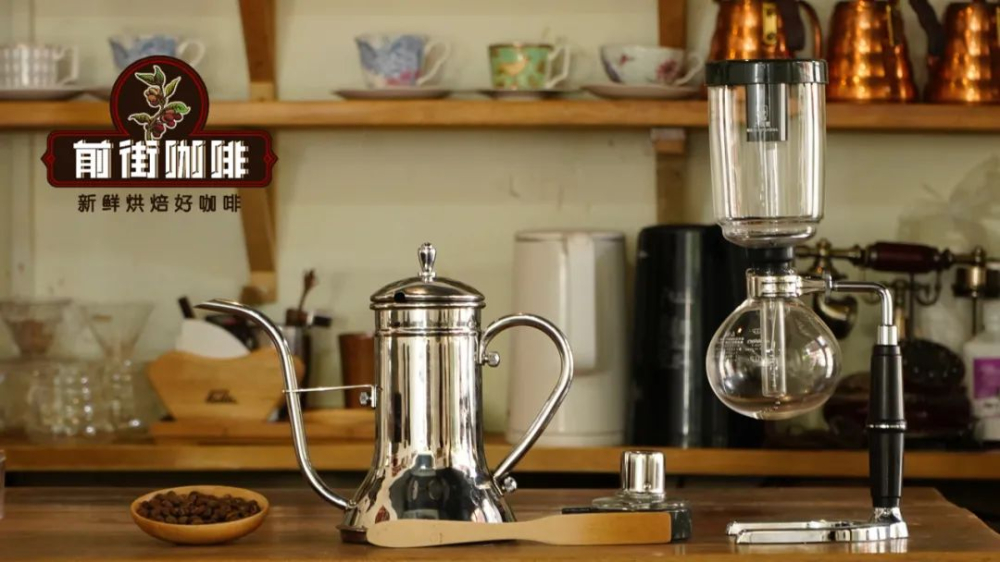
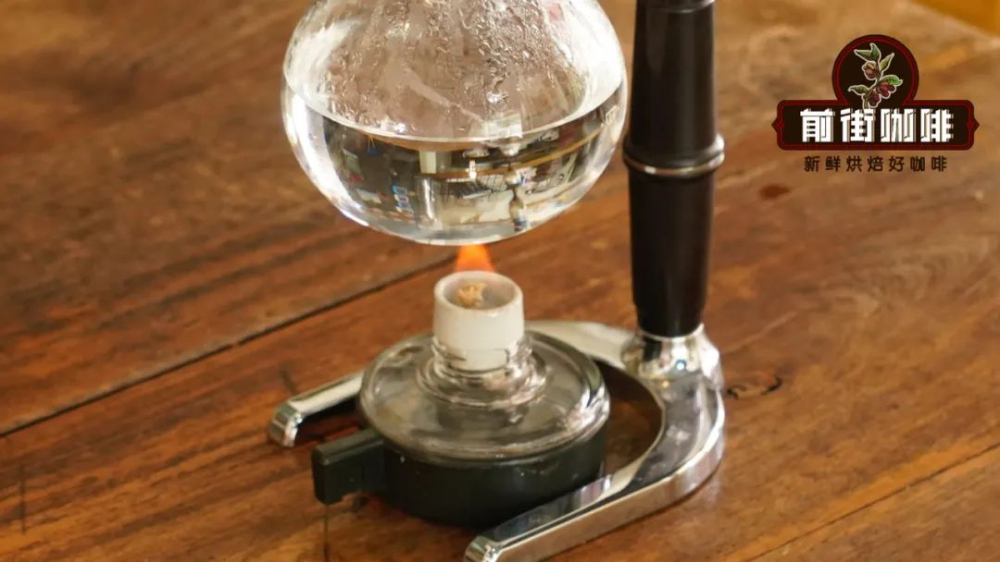
The external design of the siphon pot can be divided into three main parts: the upper chamber, the lower chamber, and the stand. The primary function of the stand is to securely support the lower chamber, allowing it to be suspended above the heat source. The lower chamber is typically spherical in design, a shape that ensures more even heating of the entire pot during the heating process, helping to stabilize the temperature. The upper chamber is cylindrical, with its bottom narrowing and extending downward into a slender tube. The end of this tube becomes increasingly narrow and is equipped with a sealing rubber ring to ensure good airtightness during the brewing process, preventing air leakage that could affect extraction.

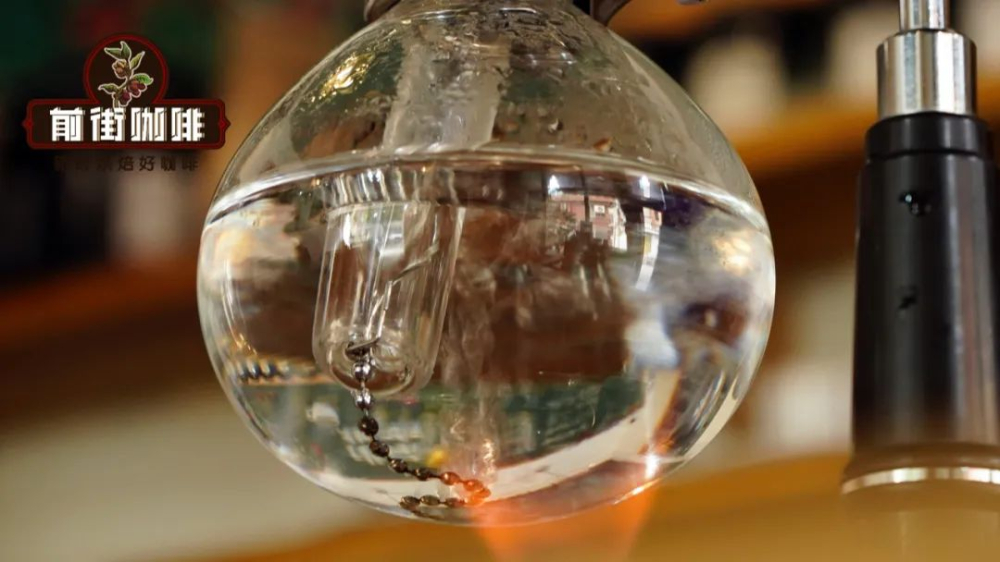
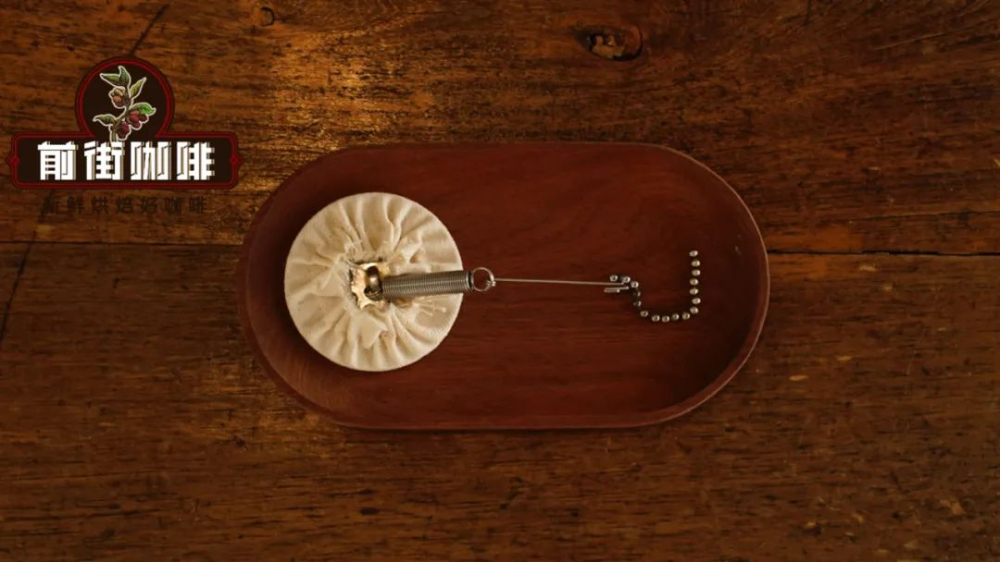
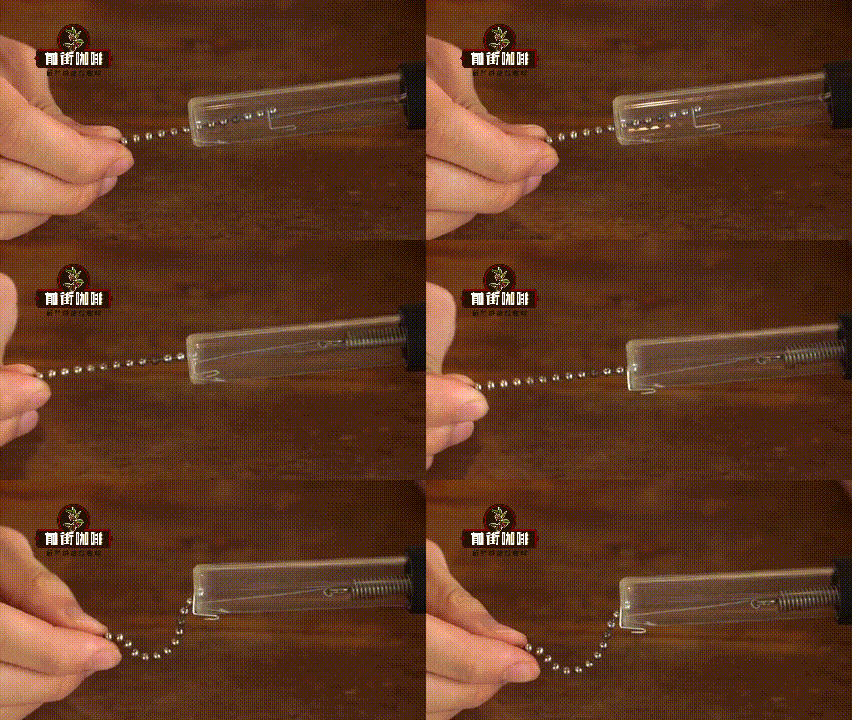
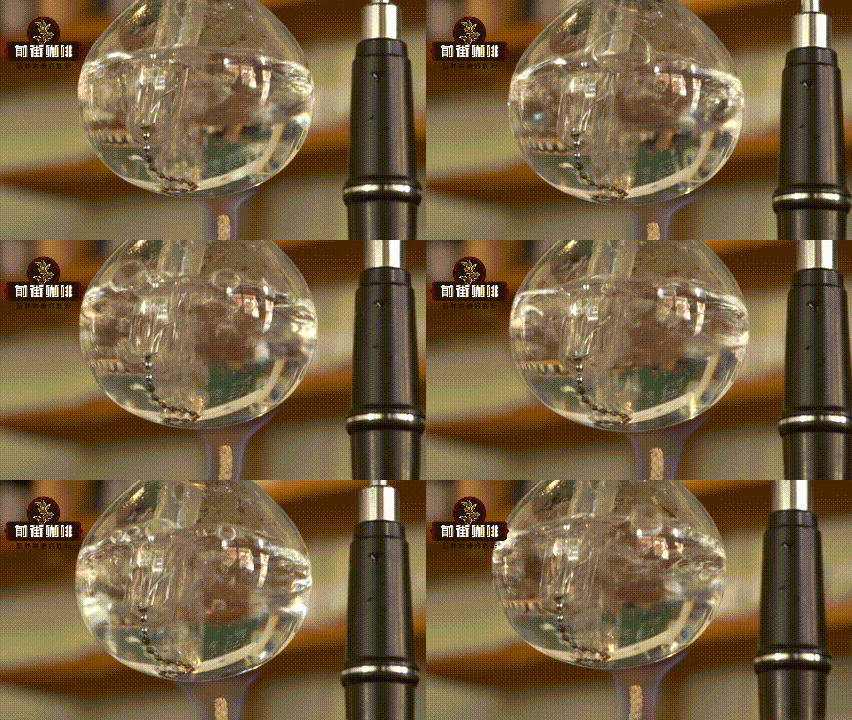
During the siphon brewing process, the filtration system plays a crucial role. Without proper filtration, coffee grounds can enter your cup, severely affecting the taste. The siphon filter mainly consists of a circular metal disc and a chain with a spring. Before use, a specialized filtering material—most commonly a properly cut piece of felt filter cloth—is wrapped around the outside of the metal disc. Then, the strings on both sides of the filter cloth are tightened to ensure the cloth adheres closely to the metal disc, after which it is tied and secured, and any excess string is trimmed. Once this is done, a complete filtration assembly is ready to be installed inside the upper chamber, preparing for coffee brewing.




The above content is compiled by CoffeeHunters, a coffee news website.


