








Introduction:Facing a wide array of specialty coffee beans, how to select the right ones based on intended use is an important topic for every coffee enthusiast and industry professional. This article will explore the key differences between pour over beans and espresso beans starting from brewing methods, and provide key points for selecting freshly roasted beans. It also introduces a variety of commercial espresso blends with distinct flavor profiles, as well as single-origin beans ideal for pour over and cold brew, including classic origins such as Ethiopian natural, Costa Rican honey, and Brazilian pulped natural, helping readers find their own ideal coffee flavor.
The allure of specialty coffee lies in the rich flavor variations brought by different origins, varieties, and processing methods. Whether you’re opening a café or brewing at home, choosing the right coffee beans is the first step toward delicious coffee. This article starts with the two core aspects — "freshness" and "intended use" — and explains in simple terms how to choose suitable espresso or pour over beans based on different brewing methods. It also recommends a selection of commercial and single-origin specialty beans to help readers establish a clear purchasing mindset.

For home users and professionals alike, the quality of a bag of coffee beans not only affects the final flavor but also relates to operational efficiency and cost control. Therefore, when making a purchase, it's essential to comprehensively evaluate freshness, flavor performance, cost-effectiveness, and overall stability to make the most suitable decision for your own needs.
First and foremost, judging whether the beans are fresh enough is the primary key to selection. It is generally recommended to choose coffee beans roasted within 5 days, as they not only retain the most complete active compounds but also deliver the best flavor performance. Choosing beans from reputable suppliers who adhere to fresh-roasted practices can effectively ensure a satisfying brewing experience every time.
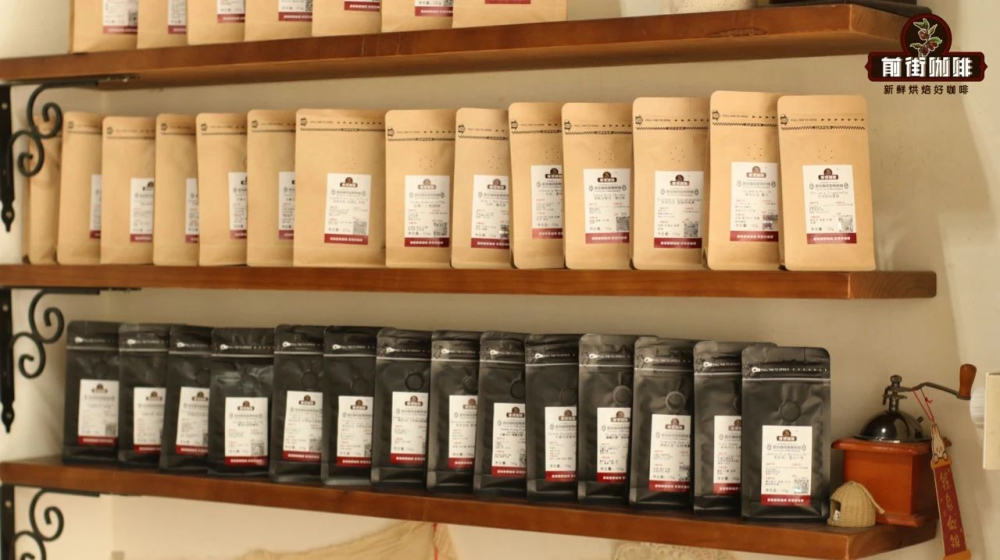
Secondly, it’s essential to clarify the primary brewing method you use. Common brewing types include espresso, pour over, cold brew, and moka pot, each differing greatly in water temperature, pressure, and brew ratio, thus requiring different roast levels and processing methods for the beans. If you mainly prepare classic café drinks like lattes, cappuccinos, or Americanos, then espresso blends or moka pot-specific blends designed for espresso machines or moka pots are indispensable choices.
For commercial needs, here are several commonly recommended espresso blend options:
Commercial Espresso Blend Recommendation 1: Classic Espresso Blend
Characterized by fine crema, prominent chocolate flavors, a rich and layered mouthfeel, it is highly suitable for latte art, especially excelling in milk-based coffees like lattes and cappuccinos.
Commercial Espresso Blend Recommendation 2: Strawberry Candy Espresso Blend
Features fresh floral notes and light sweet fruit tones, low bitterness with noticeable aftertaste, suitable for those who prefer a refreshing taste, and also works well with moka pot brewing.
Commercial Espresso Blend Recommendation 3: Premium Espresso Blend
Boasts distinctive nutty and roasted peanut aromas, creamy texture, high body, suitable for opening a coffee shop or enjoying daily at home.
Commercial Espresso Blend Recommendation 4: Commercial Espresso Blend
Emphasizes caramel flavors and rich crema, with outstanding cost-performance, making it a stable choice for daily production in many cafés.

If you prefer pour over or cold brew, single-origin beans offer more diverse flavor exploration possibilities. The following premium single-origin beans are not only suitable for pour over but also for cold brew, featuring rich flavor profiles and reasonable prices, making them ideal for beginners to try:
NO.1 Ethiopian Natural: Huila Coffee Beans
Flavor characteristics include floral, creamy, and light sweet acidity of strawberry, with an aftertaste reminiscent of black tea, overall bright fruit acidity and rich tropical fruit flavors. Suitable for drinkers who enjoy a refreshing, fruity profile but dislike bitterness; not recommended for use in espresso machines or moka pots.
NO.2 Costa Rican Black Honey Process: Blackberry Coffee Beans
Processed using the black honey method, it offers natural sweetness of longan, grape, and honey, complemented by light floral notes, smooth and rich mouthfeel, long-lasting aftertaste, and high sweetness. Ideal for those who prefer lower acidity and a balanced, layered coffee experience.
NO.3 Brazilian Pulped Natural: Cerrado Red Bourbon
Displays classic nutty and chocolatey rich flavors, with a stable taste and moderate sweetness, perfect for those who prefer low acidity, darker roasts, or often add milk and sugar. Also very suitable as a base for coffee desserts.
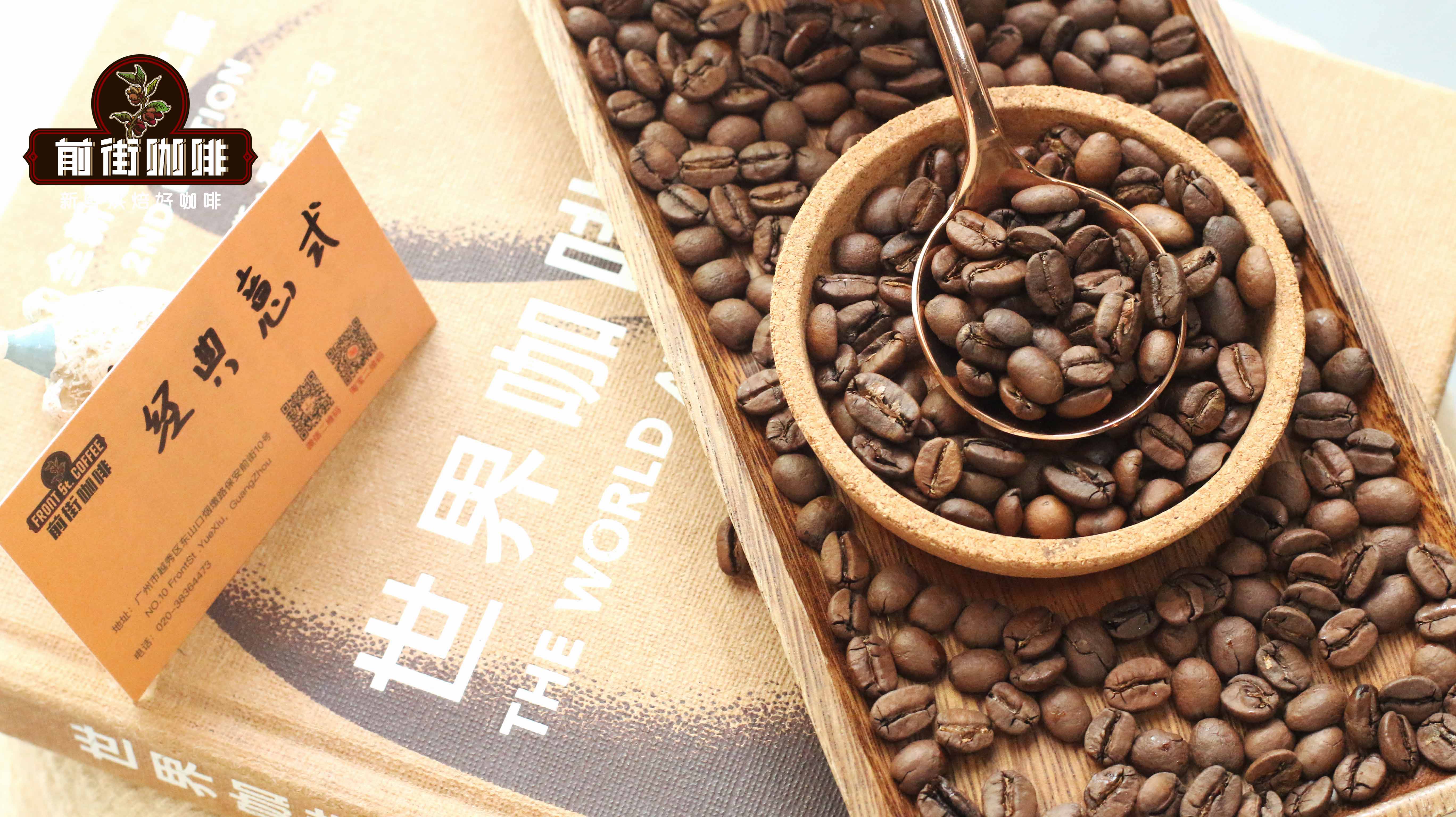
NO.4 Indonesian Wet-Hulled Process: PWN Golden Mandheling
Enhances the sweetness of dark chocolate and caramel, while reducing the herbal and earthy off-notes common in traditional Mandheling. It has a rich and layered mouthfeel with a unique mysterious character. Suitable for drinkers who enjoy a heavy body and the pure flavor of black coffee; a true classic.
NO.5 Panamanian Washed: Flower Butterfly Coffee Beans
Blending 70% Geisha with 30% Catuaí and Caturra, processed via washed method, it presents the distinctive citrus and honey notes of Geisha, combined with the fresh taste of green tea, achieving an overall balanced profile with a hint of caramel aftertaste. Ideal for those seeking a tea-like experience, who dislike excessive acidity or bitterness, especially suitable for pour over and cold brew.
The above content is compiled by CoffeeHunters, a coffee news website.


