







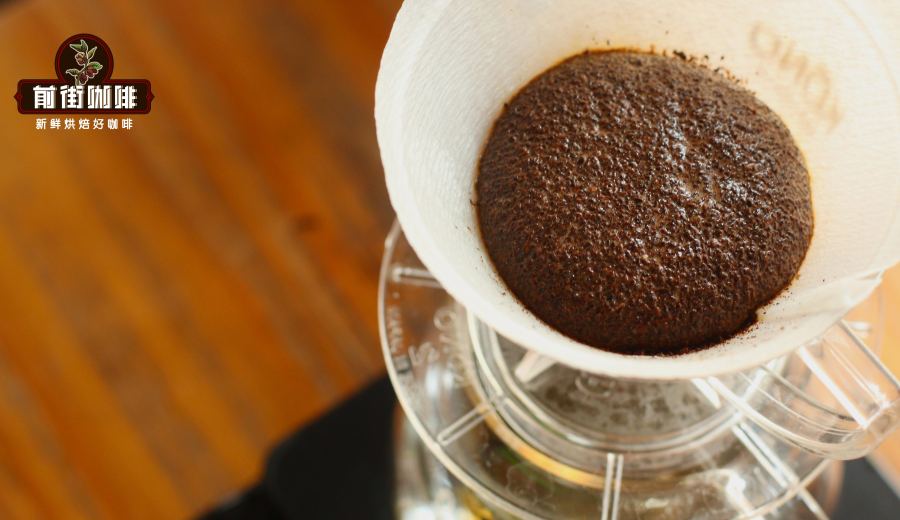
Introduction:During the bloom phase of pour over brewing, whether the coffee bed can rise into a plump "hamburger-like" shape often puzzles beginners. Many use the same parameters but fail to achieve the desired expansion, leading them to doubt their technique. In reality, this is closely related to the roast level, freshness of the coffee beans, and pouring parameters. This article delves into the science behind bed expansion, teaches you how to assess coffee bean condition based on bloom performance, and offers practical advice on grind size and water temperature to help stabilize your brew and enhance flavor expression.
In the pour over process, one of the key things many coffee enthusiasts observe is whether the coffee bed forms a full "hamburger" shape during the bloom stage. Some people, despite using seemingly identical parameters, find that the coffee layer never fully expands—remaining flat and lifeless—and begin to wonder if their brewing technique is at fault. In fact, whether the coffee bed rises is inextricably linked to the inherent characteristics of the coffee beans and the brewing parameters used.
The reason the coffee bed expands during blooming lies in the carbon dioxide trapped within the coffee grounds. When hot water contacts the grounds, the CO₂ that was sealed inside the beans is rapidly released. These gases form bubbles under the influence of the hot water and attempt to push upward. However, due to the surface tension of the water molecules and the capillary action between the coffee particles, the bubbles cannot escape immediately. Instead, they gradually accumulate within the coffee bed, eventually pushing the entire layer upward to form a noticeable bulge—what we call the "hamburger" dome.
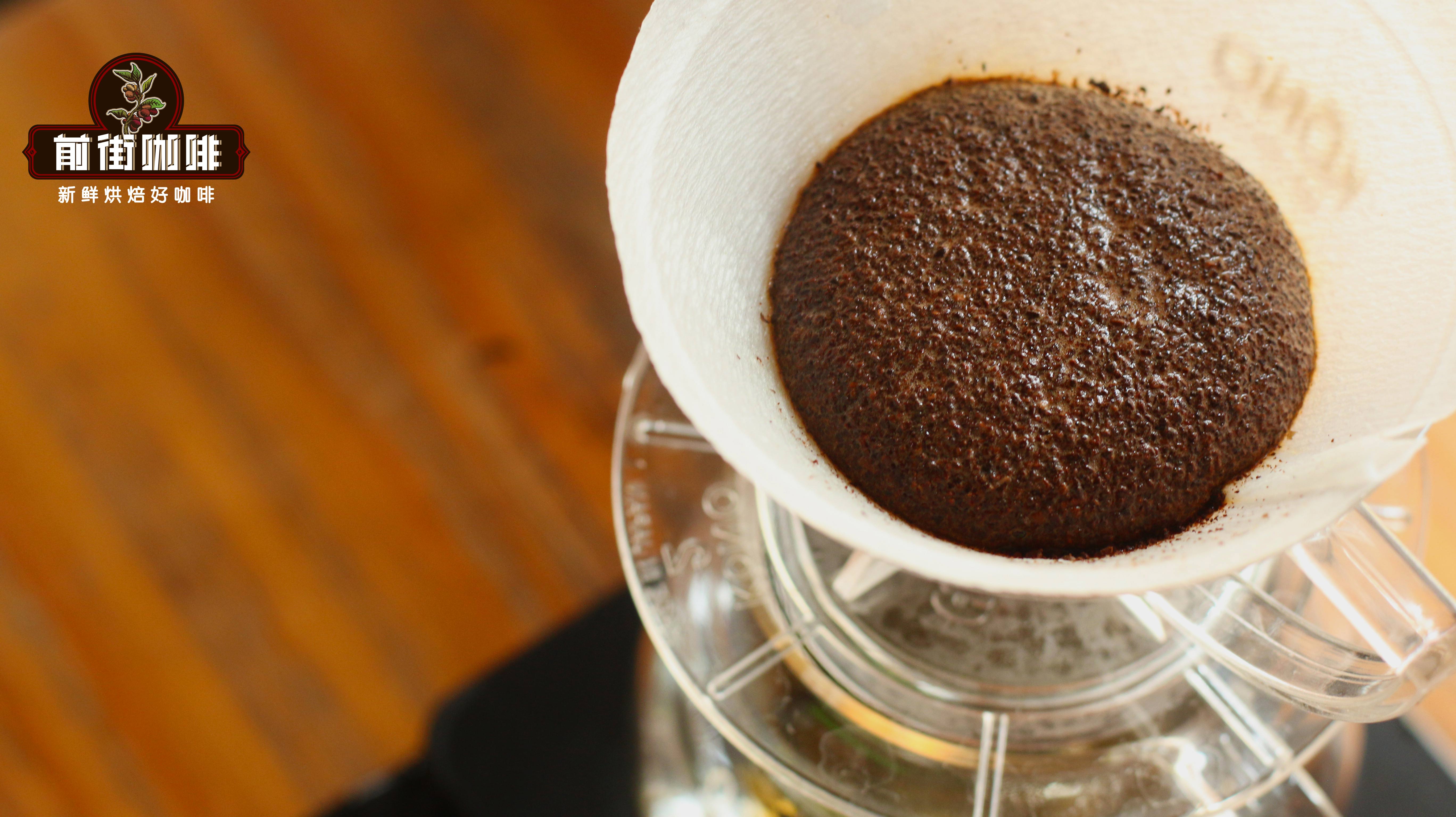
However, this expansion doesn’t always occur smoothly. Many who try to replicate the same brewing method often end up with a dull, unimpressive coffee bed. To understand why, it’s essential to know the core factors influencing bed expansion: the roast level and freshness of the beans, as well as brewing parameters such as grind size and water temperature.
First, roast level is a significant factor affecting carbon dioxide content. Darker roasts generate more CO₂ due to the high-temperature reactions during roasting. As a result, compared to lighter roasts, dark roasts tend to produce more noticeable expansion during bloom. This is why many people brewing dark roasts often see the coffee bed quickly rise into a plump dome. If you prefer a visually impressive bloom, consider starting with medium to dark roasted beans.
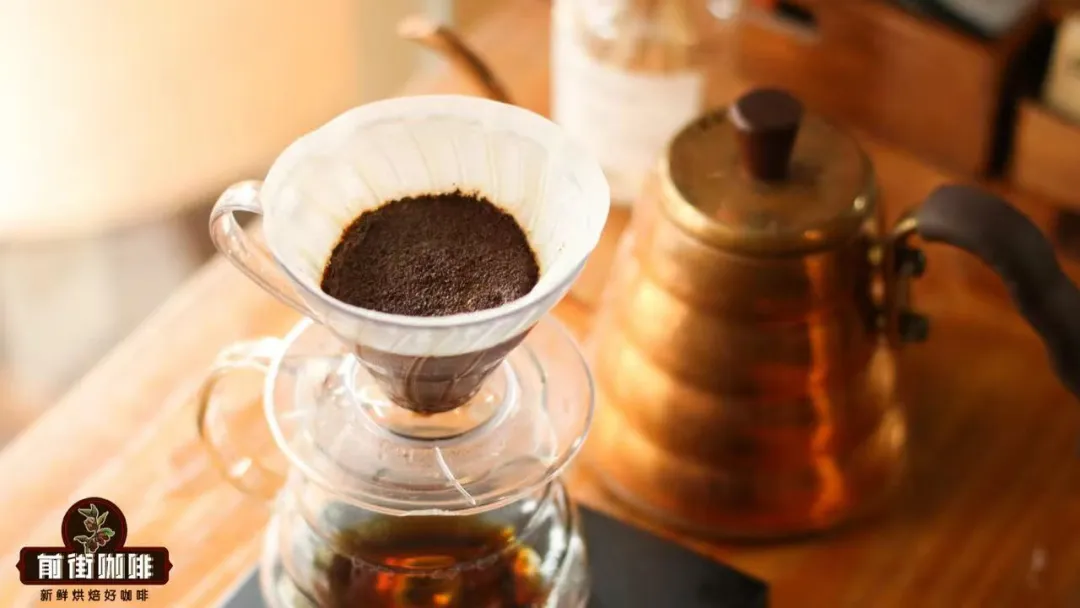
However, even when using dark roasted beans, an ideal "hamburger" dome isn’t guaranteed. The second critical factor is the freshness of the coffee. After roasting, the residual CO₂ inside the beans gradually dissipates over time. Freshly roasted beans contain the highest levels of CO₂, resulting in the most vigorous bloom reaction. Conversely, if the beans have been stored for too long, much of the CO₂ will have already escaped, leading to limited—or even nonexistent—expansion during bloom.
It’s worth noting that while extremely fresh beans can produce a strong bloom reaction, excessive CO₂ may also interfere with extraction, causing uneven brewing, off-flavors, or a lack of flavor complexity. Therefore, there’s no need to chase "super fresh" beans. Beans that have degassed moderately—for about 7 to 21 days—often deliver more balanced results.
If you’re using beans that are no longer very fresh, you might notice slight movement or minimal expansion in the early stages of blooming, but the bed quickly collapses. This is usually because the rate of CO₂ release has significantly dropped and can no longer sustain the structure of the coffee bed.
Beyond the intrinsic qualities of the beans, brewing parameters also play a major role. Among them,grind sizeandwater temperatureare two key elements. If the grind is too coarse or the water temperature too low, the coffee grounds may not heat up and release CO₂ efficiently in a short period, which negatively affects bed expansion. For good bloom performance, it’s generally recommended to use a medium-fine grind (similar in size to fine sugar granules) and a water temperature between 90°C and 94°C, adjusted slightly according to the roast level.
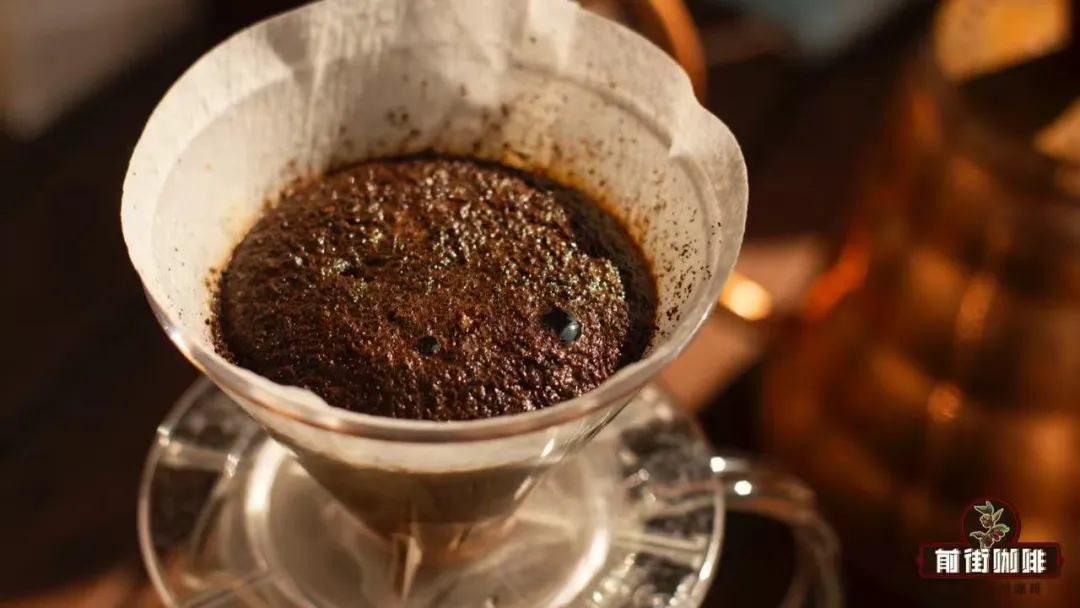
In summary, achieving a plump "hamburger-shaped" coffee bed during pour over requires optimization on multiple fronts: selecting beans with an appropriate roast level, using them within their freshness window, and adjusting grind size and water temperature accordingly. This helps effectively trigger the release of CO₂ from the coffee grounds, creating the desired bed expansion. By observing how the coffee bed behaves during bloom, you can further assess the beans’ freshness and roast quality, allowing you to refine your overall brewing strategy and enhance the final cup’s flavor profile.
The above content is compiled by CoffeeHunters, a coffee news website.


