







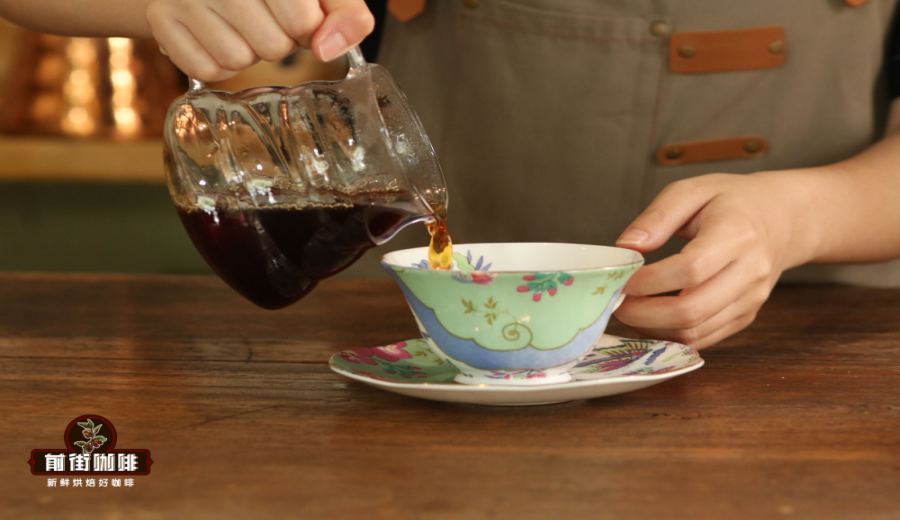
Introduction:Instant coffee is the go-to choice for many people seeking a daily energy boost, but the top three best-selling brands—Sizhimao, Nestlé, and Vietnam’s G7—each differ in flavor, stimulation effect, and cost-effectiveness. This article provides an in-depth comparison of the ingredients, taste profiles of these three instant coffees, analyzes how they differ from freshly ground coffee, and also offers a practical guide to brewing pour-over coffee using drip bags, helping you find the coffee option that suits you best.
In the instant coffee market, Sizhimao, Nestlé, and Vietnam G7 have consistently ranked at the top of e-commerce sales. These three brands cater to different consumer needs by using distinct coffee bean sources and blending methods, resulting in notably different flavor experiences. Among them, over 98% of Sizhimao’s coffee beans come from the high-altitude regions of Yunnan, emphasizing locally sourced, high-quality Arabica flavors; Nestlé uses a blend of Yunnan Arabica and Hainan Robusta, balancing aroma with a rich, bold taste; while Vietnam G7 exclusively uses Robusta beans produced locally in Vietnam, renowned for its strong stimulation effect.
If you’re looking for a quick energy boost, Vietnam G7 is the top choice, as Robusta beans naturally contain a higher proportion of caffeine, which can more effectively help improve focus and ward off drowsiness.In contrast, Nestlé, with its blend of Arabica and Robusta, offers a smoother flavor profile, featuring rich notes of chocolate and nuts, along with a more rounded mouthfeel.If you prioritize cost-effectiveness, Sizhimao stands out with its high proportion of Yunnan high-altitude beans, making it a popular domestic instant coffee brand known for excellent value among many consumers.
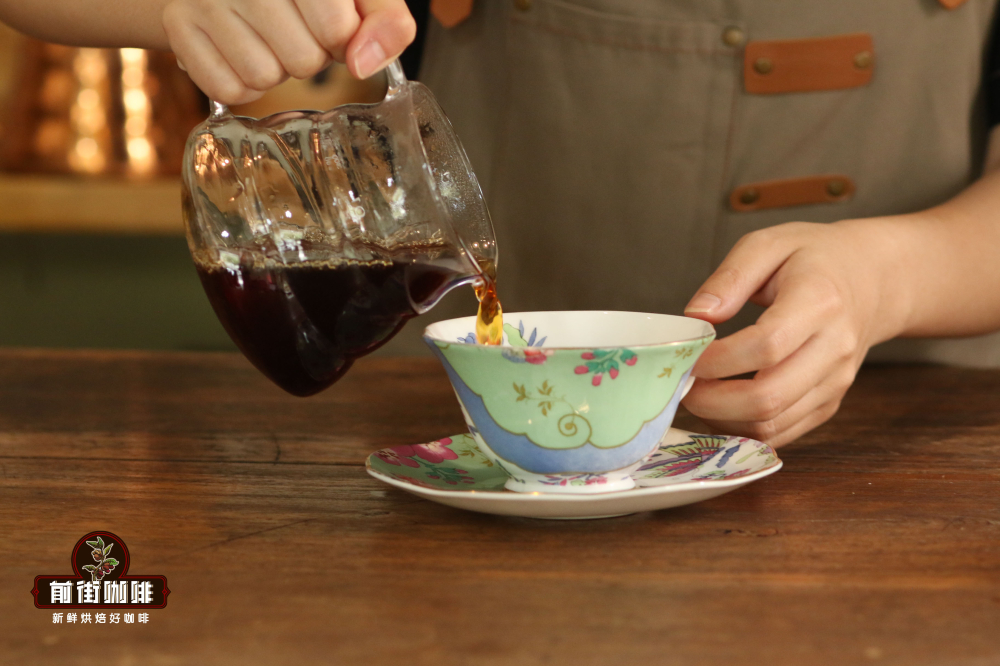
However, it’s worth noting that most instant coffees add ingredients such as sugar and non-dairy creamer to adjust the taste. Regular excessive consumption of these additives may increase the risk of obesity or cardiovascular issues. It is recommended to limit daily instant coffee intake to no more than two cups, and to rinse your mouth with water after drinking to help reduce potential effects on dental health.
Speaking of the production process of instant coffee, it involves extracting brewed and ground coffee beans into a concentrated liquid, then removing the moisture through high-temperature spray drying or freeze-drying techniques, followed by adding sugar, milk powder, or other flavoring ingredients as needed. Due to the high-temperature processing, many aromatic compounds in the coffee evaporate, which is why instant coffee often lacks the rich layers and depth of aroma found in freshly ground coffee. If you desire a more complete coffee experience, it’s recommended to try drip bags—an option that is relatively convenient and retains more of the original flavors.
The charm of freshly ground coffee lies in using freshly roasted beans, which are ground just before brewing with hot water, thereby preserving the maximum amount of aromatic compounds and flavor precursors in the beans. Whether it’s the bright, tangy fruit notes or the rich, full-bodied aromas of chocolate and nuts, all can be fully expressed under the right brewing conditions. In addition, freshly ground black coffee is also rich in antioxidants, and moderate consumption can help promote metabolism, aid fat breakdown, and offer positive benefits for cardiovascular health.
If you want to balance convenience with a quality close to freshly ground coffee, drip bags are an excellent alternative. Taking high-quality drip bags commonly available on the market as an example, these products typically use freshly roasted beans, which are precisely ground after the beans have cooled, and are individually packaged to ensure no flavor loss. It is generally recommended to consume them within 30 days after opening to enjoy the best flavor.
Currently, most drip coffee bags on the market offer a variety of flavor options based on roast level and regional characteristics. For example, users who prefer bright fruity acidity and floral notes can choose light-roasted beans from Ethiopia’s Yirgacheffe region; if you enjoy mellow caramel and nutty tones, medium-roasted Brazilian Cerrado beans would be an ideal choice; for those seeking a rich, bold flavor with low acidity and noticeable body, dark-roasted Indonesian Sumatra Mandheling will meet your needs. If you’re having trouble deciding, there are also options with random multi-region blends, allowing you to experience the charm of different flavors in one cup.
Brewing drip coffee is simple and easy to master, requiring only a few basic steps: First, tear open the sealed edge of the drip bag’s outer pouch and take out the non-woven fabric pouch containing the pre-ground coffee; next, tear along the ‘open’ dotted line indicated on the pouch to release the coffee grounds; then, unfold the paper supports on both sides of the drip bag and securely place it on the rim of your cup; prepare hot water at approximately 91°C, slowly pour about 20 grams of water to bloom the coffee for around 20 seconds, allowing the grounds to expand and release their aroma, then continue pouring until the total water reaches about 150 grams, and wait for the coffee to drip through before enjoying. You may also add milk or sugar according to personal taste preferences to adjust the flavor.
The above content is compiled by CoffeeHunters, a coffee news website.


