







Introduction:Arabica and Robusta are the two mainstream coffee varieties on the market, but do you really understand the differences between them? This article delves into their distinctions in growing altitude, caffeine content, flavor profiles, and cultivation conditions, helping you make choices based on your taste preferences. It also recommends 7 beginner-friendly specialty Arabica beans that represent different regional characteristics, making it easy for you to find daily-drinking coffee beans that suit your palate.
When selecting coffee products, the term “Arabica” often appears on packaging, prompting many consumers to wonder: what does it actually mean? What kind of quality does “100% pure Arabica” signify? This article provides a comprehensive analysis of the core differences between the two major commercial coffee varieties—Arabica and Robusta—from perspectives such as growing environment, flavor expression, and component differences. It also supplements practical information to help coffee beginners establish correct knowledge and choose the coffee beans that suit them.
The Categorization of Arabica and Robusta
Coffee is a tropical crop, primarily grown in the “coffee belt” near the equator, spanning between the Tropic of Cancer and the Tropic of Capricorn. It requires suitable temperature, rainfall, and soil conditions. There are about 70 countries in this region globally, with over 50 having commercial cultivation potential—including Brazil, Colombia, Ethiopia, Indonesia, and Yunnan in China. These regions, due to climate and microclimate variations, produce diverse coffee flavors.
The main types of coffee beans circulated globally fall into three categories: Coffea arabica (Arabica), Coffea canephora (Robusta), and Coffea liberica (Liberica). Among these, onlyArabicafrom Coffea arabica andRobustafrom Coffea canephora hold significant commercial value. Although Liberica beans are larger, they lack distinctive flavor characteristics and have an extremely low market share.
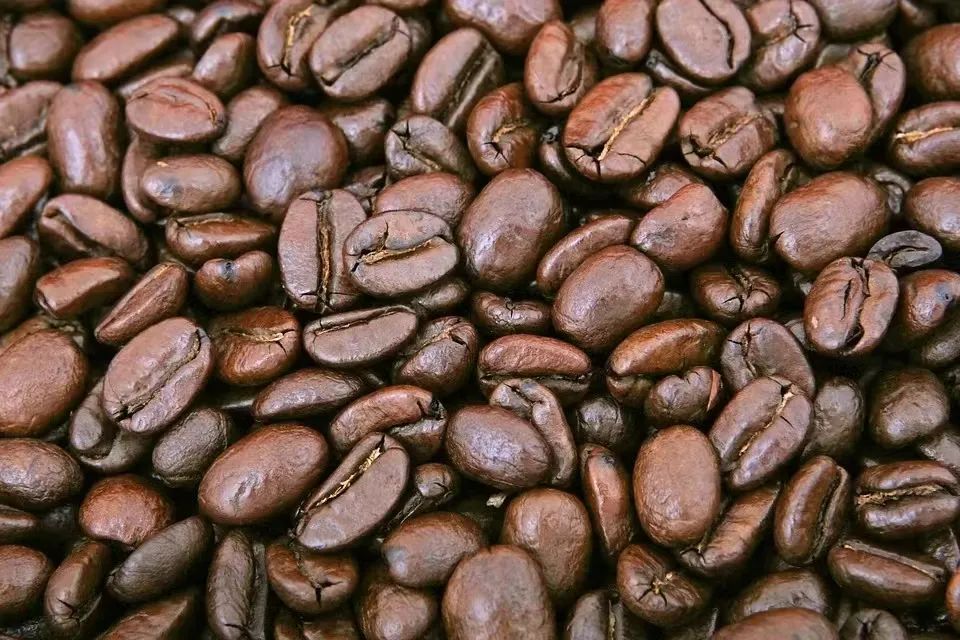
Arabica: The Representative of High Altitude and Delicate Flavor
Arabica is the most popular coffee variety globally, but it has relatively stringent growing requirements. Generally, Arabica thrives at altitudes of800 to 2,200 meters. The large diurnal temperature variation helps slow fruit ripening, allowing flavor compounds to accumulate fully, resulting in richer aromas and layered complexity. In addition to altitude, this variety requires stable rainfall, ample sunlight, well-drained loose soil rich in nutrients, making cultivation more challenging and contributing to the relatively higher price of specialty Arabica beans.
Robusta: The Symbol of High Caffeine and Strong Bitterness
In contrast,Robusta contains caffeine levels as high as 2% to 4%, nearly double that of Arabica. This substance helps resist pests and diseases, giving Robusta stronger adaptability. It can grow in low-altitude (typically0 to 800 meters), hot, and humid environments. Cultivation is simpler, yields are higher, and costs are lower. However, its flavor often carries noticeable bitterness, woody notes, or earthy undertones, and defects are more likely to show if processing is subpar. As a result, Robusta is mostly used in dark-roasted espresso blends or instant coffee products.
Differences in Flavor and Health Impact
Arabica has relatively lower caffeine content, ranging between0.9% and 1.4%, and its fat and sugar content are both higher than Robusta’s—the former by about 60%, and the latter by nearly double. This makes Arabica-brewed coffee typically smoother in taste, with bright acidity, floral or caramel-like positive flavor notes, prominent sweetness, and rich layers, aligning more closely with modern consumers’ pursuit of health and quality. In contrast, Robusta, with its high caffeine and chlorogenic acid content, tends to exhibit intense, bitter, and even unpleasant off-flavors, making it suitable for those who prefer bold flavors or pairing with milk.
The Meaning of “100% Pure Arabica” Labeling
In the past, there were many blended or low-cost coffee bean products on the market, hence the “100% pure Arabica” label was used to emphasize product quality. But today, the vast majority of specialty coffee products already default to using Arabica beans, so while this label still holds reference value, it doesn’t necessarily mean absolute premium quality. For instance, many popular pour-over single-origin beans are Arabica, and each origin offers distinct flavor profiles, which are worth exploring further by consumers.
Seven Recommended Specialty Arabica Daily-Drinking Beans for Beginners
For those new to coffee, it’s recommended to start with “daily-drinking beans” that are suitable for everyday consumption and offer good value for money. Below are seven carefully selected Arabica coffee beans that represent various regional characteristics, including:
- Ethiopia: Washed Yirgacheffe, featuring pronounced citrus and floral notes
- Guatemala: Washed Huehuetenango, showcasing nutty and chocolate flavors
- Colombia: Washed Huila, offering balanced berry and caramel sweetness
- Brazil: Natural Sidamo, delivering full-bodied low acidity with nutty and grainy aromas
- Costa Rica: Washed Tarrazú, with clear lemon acidity and sweet orange finish
- Indonesia: Wet-hulled Lintong Mandheling, characterized by low acidity, heavy body, and distinct herbal and spicy notes
- China Yunnan: Washed Baoshan, presenting honey-like sweetness and soft fruity acidity
These beans are suitable for brewing methods such as pour over, French press, or cold brew. Each one highlights clear regional flavor characteristics, helping you build a foundational understanding of different coffee profiles. It’s recommended to choose freshly shipped beans roasted within five days for optimal extraction and flavor expression.
The above content is compiled by CoffeeHunters, a coffee news website.


