








Introduction:Indonesian coffee is renowned for its rich, bold body and low acidity, boasting unique flavors and distinctive processing methods, making it a popular origin for coffee enthusiasts worldwide. This article delves into the main coffee-growing regions of Indonesia, the characteristics of its varieties, and the most iconic wet-hulled processing method. It also provides flavor profiles and pour over recommendations for Sumatra Mandheling, legendary Kopi Luwak, and Java coffee to help you fully grasp the essence of Indonesian coffee.
Indonesia is one of the world’s major coffee-producing countries, known for its bold, low-acid coffee with pronounced notes of caramel and dark chocolate, which are beloved by consumers around the globe—especially in the Japanese market. The unique flavor profile of Indonesian coffee is closely tied to its diverse growing environments, varietal composition, and the special wet-hulled processing technique. This article will detail Indonesia’s key coffee regions, variety characteristics, processing technologies, and offer comprehensive flavor descriptions and practical pour over suggestions for representative coffees such as Sumatra Mandheling, Kopi Luwak, and Java coffee.
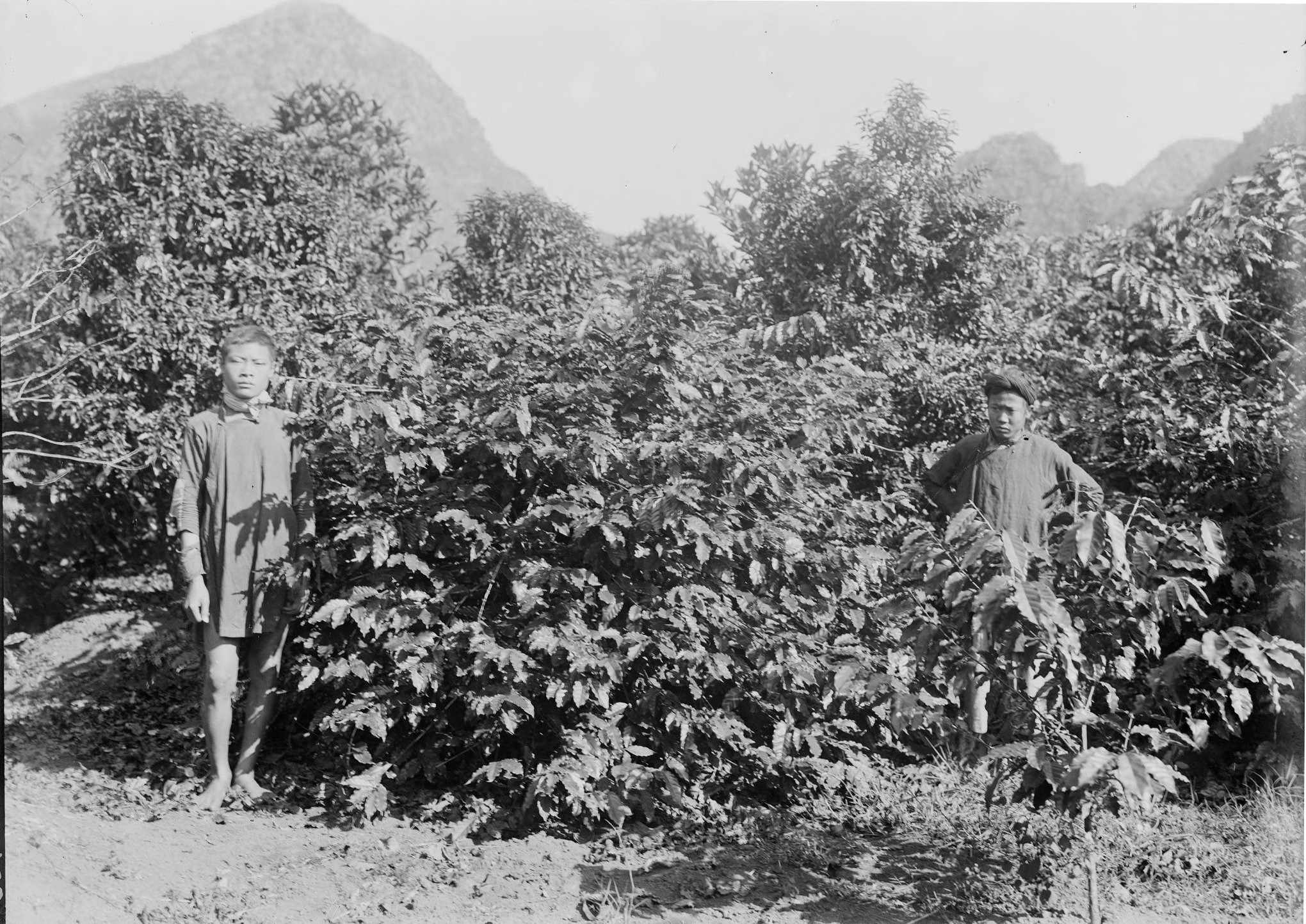
The history of coffee cultivation in Indonesia dates back to 1696, when Dutch colonists introduced the first coffee seeds and began large-scale planting on the island of Java. However, the devastating leaf rust epidemic of 1877 nearly wiped out the local Arabica coffee trees, prompting a shift toward the more disease-resistant Robusta variety. Today, Indonesia is one of the world’s leading producers of Robusta coffee, while Arabica accounts for only 6% to 10% of total production, primarily grown in the high-altitude regions of northern Sumatra, such as the Gayo Mountains in Aceh Province.
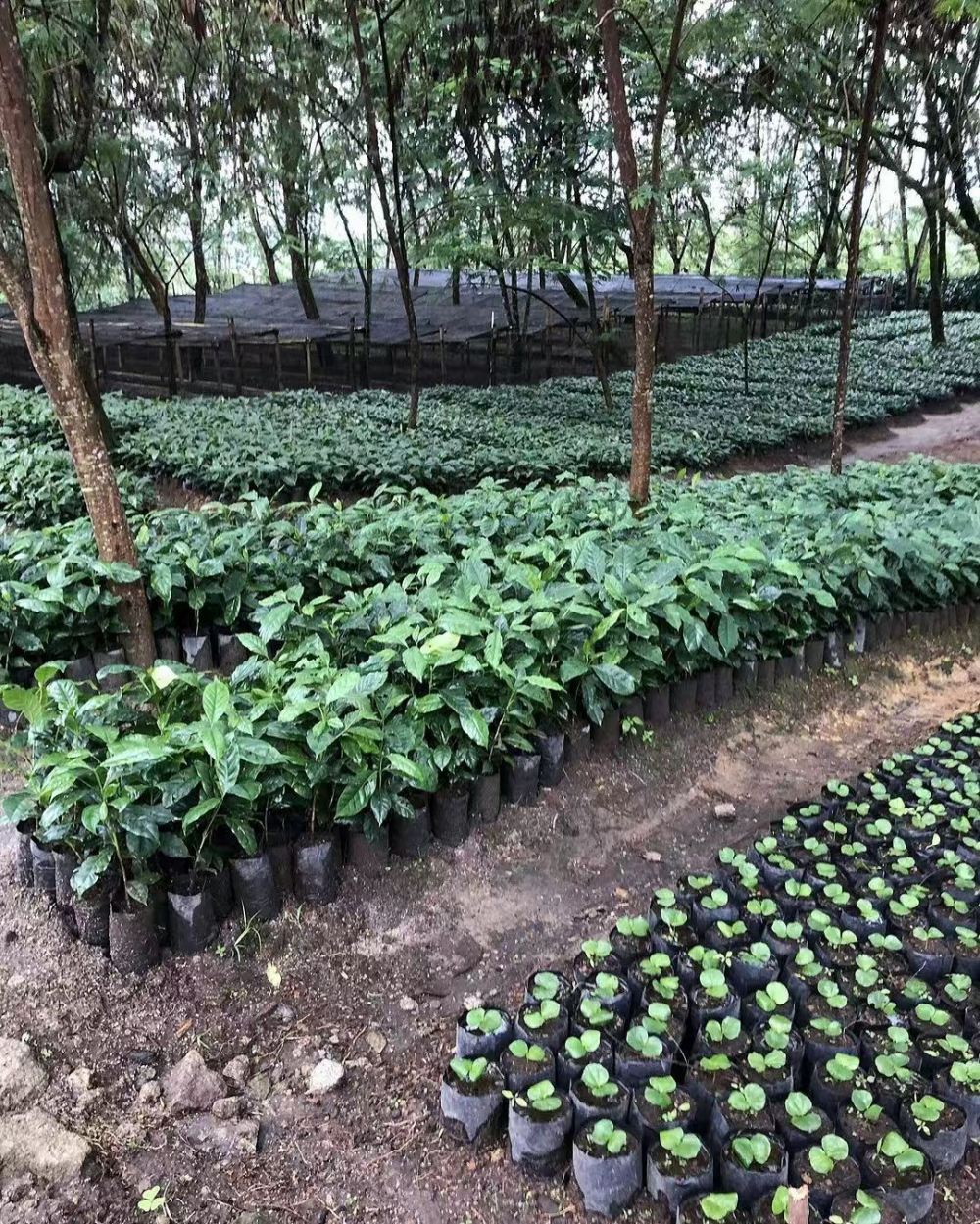
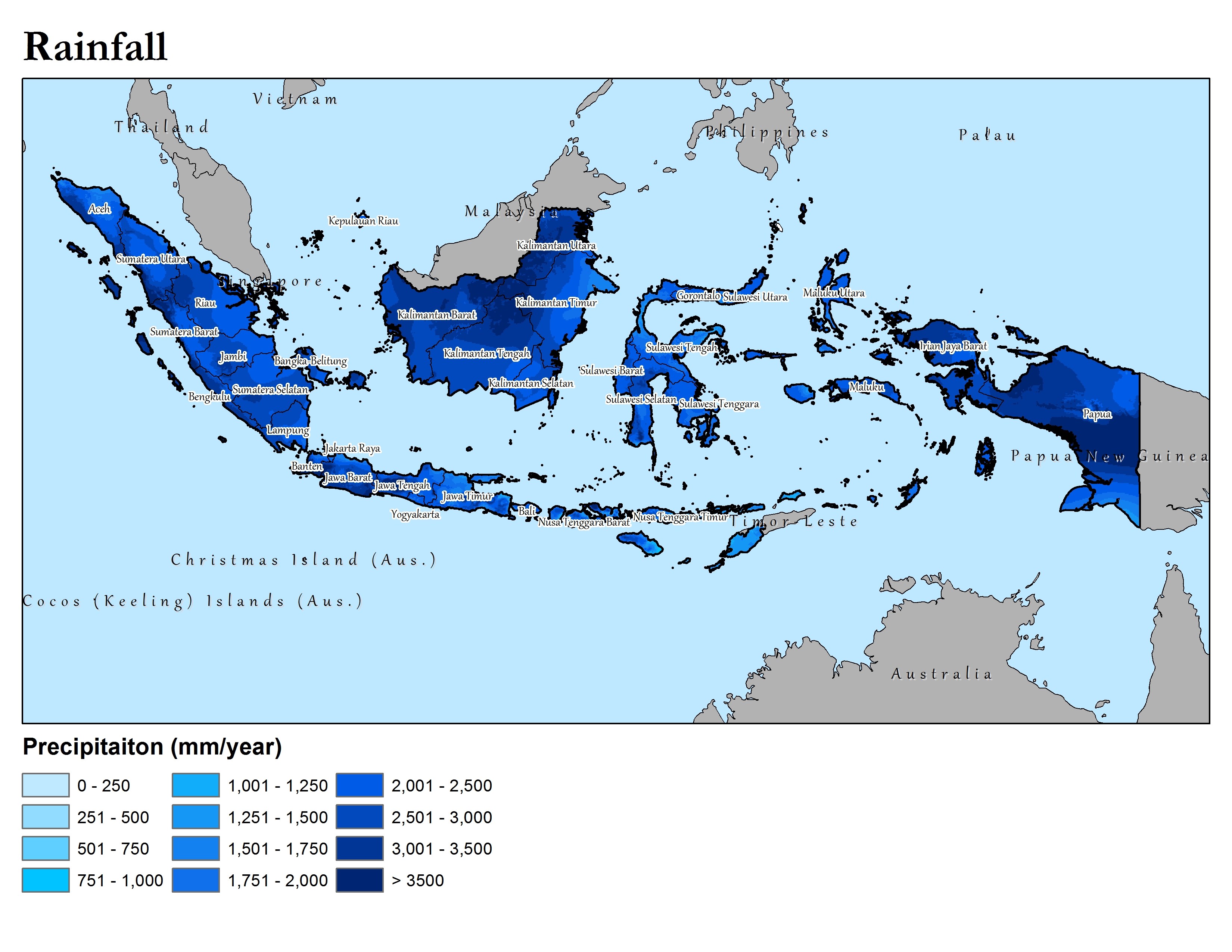
Indonesia’s geographical and climatic conditions are highly suitable for coffee cultivation. The tropical rainforest climate features an average annual temperature of about 25–27°C and annual rainfall between 1,600 and 2,200 millimeters. Additionally, many areas lie within volcanic zones, providing fertile, mineral-rich soil ideal for coffee growth. Coffee is typically grown at elevations ranging from 900 to 2,100 meters, with the optimal altitude for quality cultivation around 1,200 meters. The country experiences two main harvest seasons each year: the primary season from September to October and the secondary season from May to June.
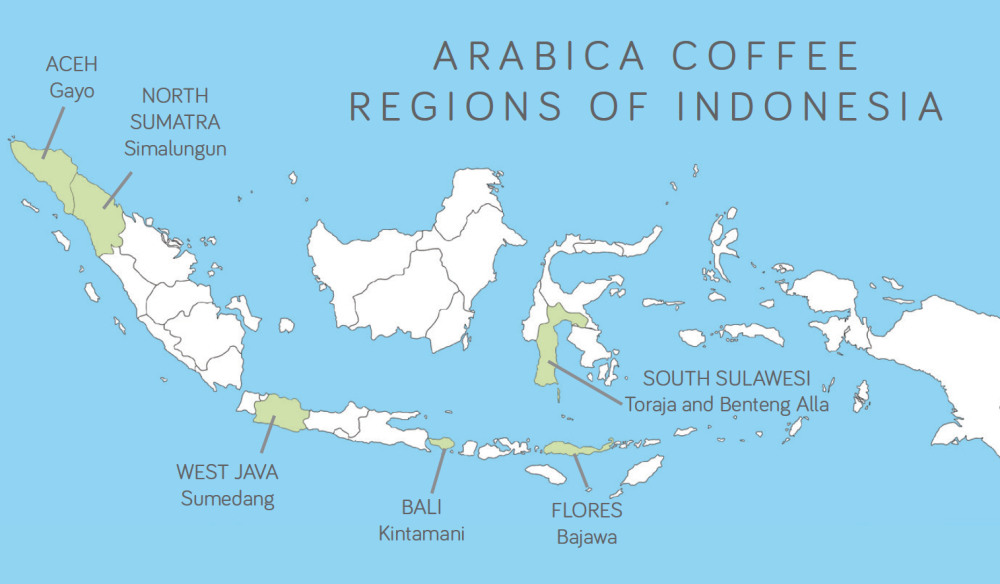
The main coffee varieties in Indonesia include Arabica, Robusta, and a small amount of Liberica. Common Arabica varieties are Catimor, Tim Tim, Typica, and Bourbon. Currently, Indonesia’s coffee-growing area exceeds 1 million hectares, accounting for about 24% of the total arable land, with over 95% of coffee produced by smallholder farmers, mainly located in East and Central Java. Many smallholders practice organic farming, and 19 cooperatives have obtained international organic certification, ensuring sustainable and high-quality coffee production.
The most iconic processing method in Indonesia is “wet hulling” (Giling Basah), a semi-washed process. After harvest, the coffee cherries are depulped, undergo brief fermentation and initial drying until the moisture content drops to around 30%. Then, the parchment layer is removed, exposing the green beans directly to air, followed by continued drying to a storable state. This method reduces acidity but enhances body and unique flavor complexity, often featuring earthy, spicy, woody, and smoky notes.
Sumatra Mandheling is one of Indonesia’s most representative coffees, primarily grown in the Lake Toba region of northern Sumatra, including types such as Lintong, Golden Mandheling, and Aged Mandheling. Lintong Mandheling is known for its pronounced herbal character, representing the classic Mandheling flavor profile. Golden Mandheling consists of carefully selected high-quality beans with uniform size and multiple rounds of hand sorting, resulting in a cleaner, brighter cup with prominent sweetness and almost none of the herbal or earthy notes commonly associated with traditional Mandheling. Aged Mandheling, through special processing and maturation, develops a richer, heavier flavor profile, suitable for drinkers accustomed to dark roast characteristics.
Taking the classic Golden Mandheling as an example, its flavor profile often includes notes of nuts, chocolate, spices, caramel, and herbs, with notable sweetness and a soft, elegant acidity. Pour over brewing with a Kono filter is recommended—the filter’s rib design reduces airflow exchange and extends extraction time, resulting in a fuller body. Suggested parameters: water temperature 86°C, coffee dose 15 grams, brew ratio 1:15, grind size around 11 on the EK43s grinder (medium-coarse). Begin with a 30-second bloom using 30 grams of water, then pour in stages to 125 grams and 225 grams, with a total brew time of approximately 2 minutes to fully highlight its sweetness and body.
Kopi Luwak is a unique phenomenon in Indonesian coffee, named after the process where civets consume coffee cherries, ferment them in their digestive tracts, and excrete the beans. This type of coffee is mainly of the Robusta variety, as civets tend to inhabit mid-to-low elevation areas where disease-resistant Robusta is predominantly cultivated. Civets selectively eat ripe, sweet coffee cherries, and the enzymes in their digestive systems break down proteins, forming unique short-chain peptides and amino acids that impart intense herbal, nutty, dark chocolate, and fermented aromas.
However, the production method of Kopi Luwak has raised concerns about animal welfare, as some traders engage in forced captivity of civets to boost production, negatively impacting their health and the final coffee quality. A high-quality cup of Kopi Luwak still offers a rich and layered flavor profile, often featuring herbal, nutty, dark chocolate, and subtle fermented notes. A Kono filter is recommended, with a water temperature of 86°C, coffee dose 15 grams, brew ratio 1:15, and medium grind size (11 on the EK43s grinder). Bloom with 30 grams of water for 30 seconds, then pour in stages to 125 grams and 225 grams, keeping the total brew time around 2 minutes to balance its intense characteristics.
Compared to Sumatra and Sulawesi, Java coffee has a lighter, more refreshing profile with slightly higher acidity and distinct fruity notes, delivering a delicate and balanced cup. The main producing areas are concentrated in the volcanic regions of West Java, where fertile soil and elevations mostly above 1,400 meters, along with stable volcanic climates, contribute to its unique aromatic expression. Java coffee often exhibits fruit aromas such as mango, red wine, and peach juice, alongside complex notes of plum and jackfruit, with a clean and sweet aftertaste.
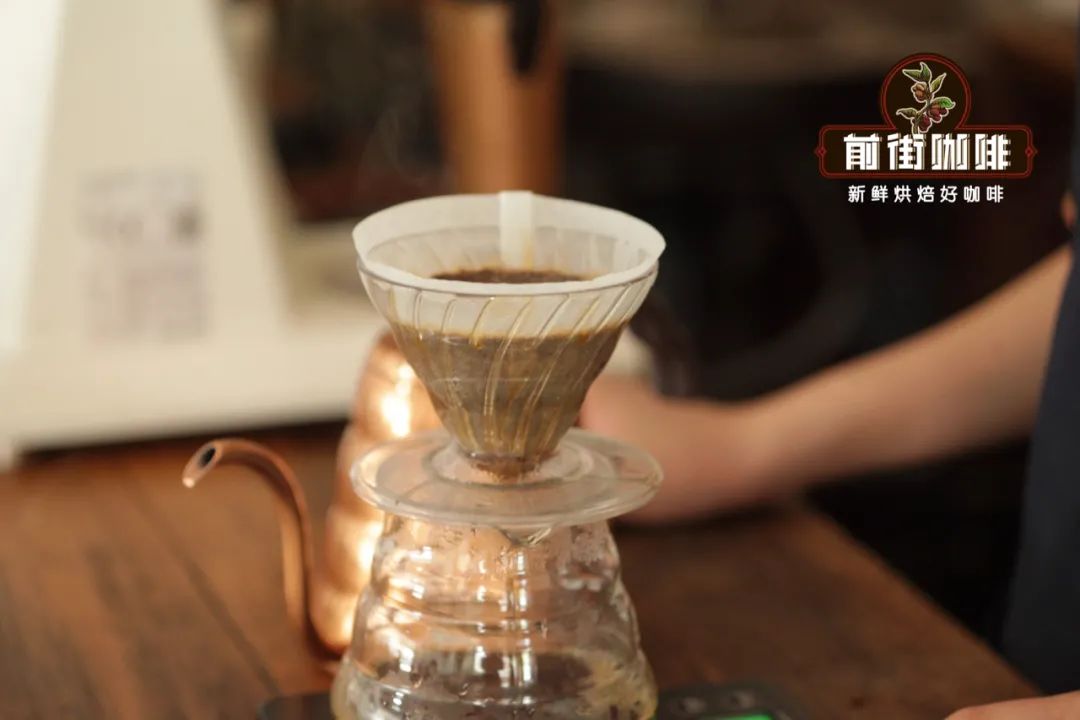
Taking West Java coffee as an example, it is well-suited for brewing with a V60 filter to highlight its bright acidity and fruity character. Recommended parameters: water temperature 90°C, coffee dose 15 grams, brew ratio 1:15, medium-fine grind size (10 on the EK43s grinder). After a 30-second bloom, pour in stages to 125 grams and 225 grams, with a total brew time of approximately 2 minutes. This brings out its fruity notes and sweetness, making it ideal for coffee lovers who enjoy bright acidity and a refreshing profile.
The above content is compiled by CoffeeHunters, a coffee news website.


