







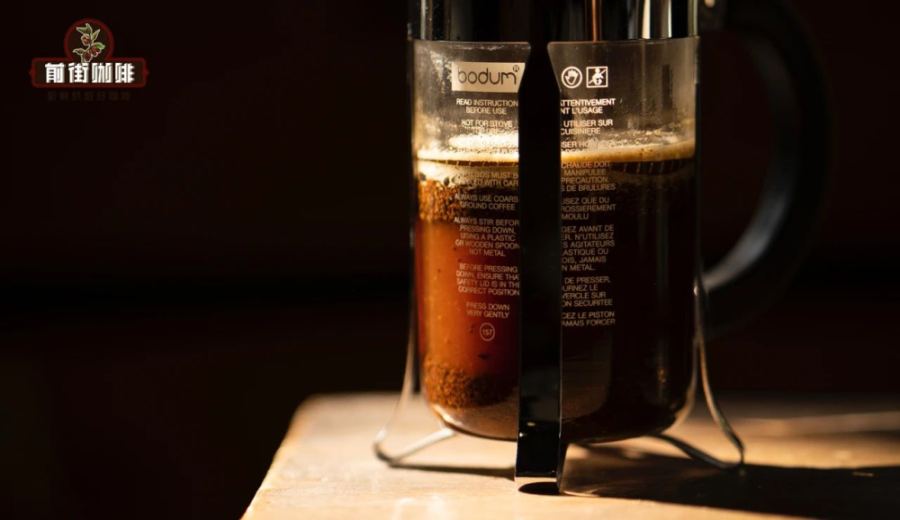
Introduction:The French press is known for its intuitive operation and stable extraction, making it an ideal starting point for many coffee beginners entering the world of pour over. This article provides an in-depth analysis of recommended coffee-to-water ratios for different roast levels, covering everything from the tool’s characteristics, brewing process to flavor selection, along with complete operational guidance and practical tips to help you easily master this classic extraction method.
With its simple operation, clear and stable flavor layers, the French press has become a top choice for many coffee enthusiasts. It effectively highlights the natural oils and aromas in coffee, but also demands higher quality and freshness from the beans. This article starts with the basics of coffee-to-water ratio settings, offering a complete French press brewing guide based on the characteristics of light, medium, and dark roasted beans, accompanied by illustrated instructions to help you brew flavorful coffee at home.
The French press, also commonly referred to as the French filter press, pressure filter pot, or even affectionately nicknamed the “lazy pot,” dates back to around 1850 in France. It typically consists of a heat-resistant glass carafe (sometimes made of transparent plastic) paired with a metal filter screen attached to a plunger. Originally used mainly for brewing black tea, the term “tea infuser” is still used today, and it remains a staple in many households.
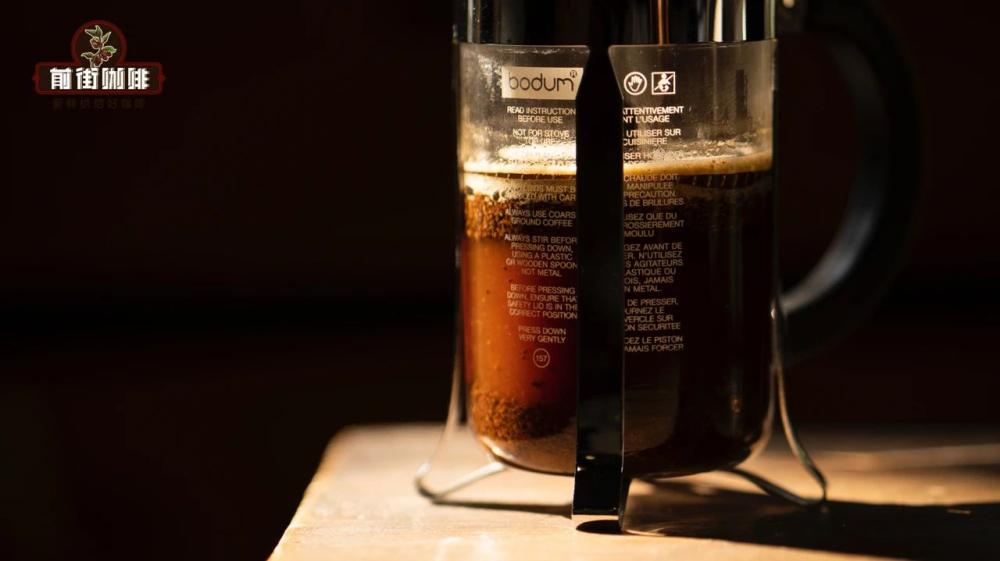
Among various coffee brewing tools, the French press has a relatively low barrier to entry, and its extraction rate is closest to that of professional cupping. This brewing method fully releases the oils and aromatic compounds in coffee, resulting in a smooth mouthfeel, pronounced aftertaste, and outstanding overall body, which is why it is favored by many coffee lovers. Notably, by controlling variables such as beans, water temperature, water volume, and steeping time, different users can achieve highly consistent results — something that methods like pour over or siphon are less able to do, making it especially suitable for beginners new to hand drip coffee.
Given the characteristics of the French press, it is recommended to prioritize medium or medium-dark roasted coffee beans. Beans in this range not only showcase rich textures and aromas but also help avoid excessive bitterness, resulting in a more rounded and full-bodied flavor. If you prefer a bold and robust taste, you can try medium-dark roasted options; if you’re drawn to fresh floral and fruity notes, medium-light roasted beans will better suit your taste.
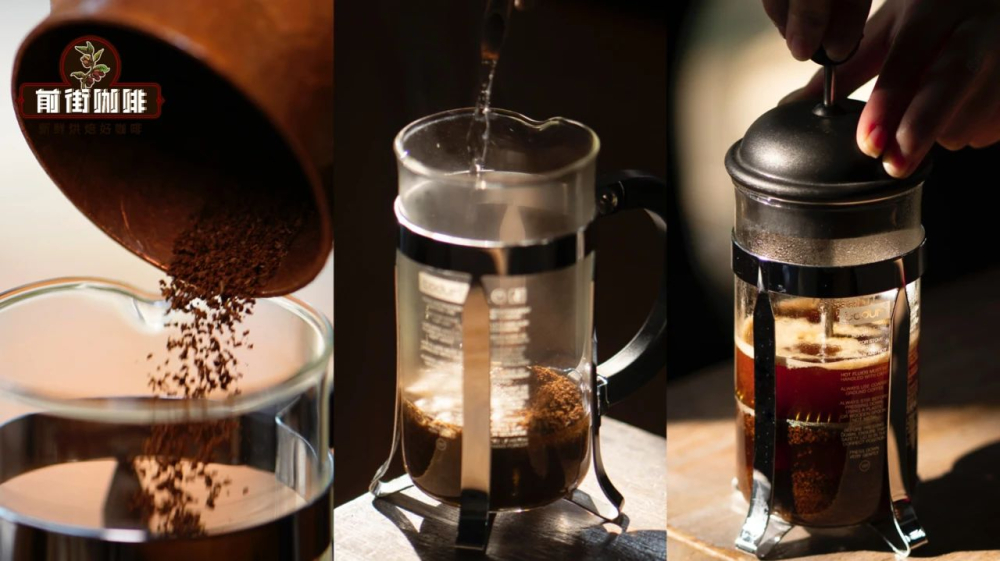
In practice, it is recommended to use about20 gramsof freshly roasted coffee beans, and control the water temperature between85 to 95°C. The specific temperature should be fine-tuned according to the roast level of the beans: slightly increase the water temperature for light roasts to enhance aroma, while for dark roasts, it is advisable to use a slightly lower temperature to reduce potential bitterness. This can be adjusted based on personal preference and actual experience.
After adding the ground coffee to the French press, it is recommended to pour the water in a circular motion similar to pour over. Initially, pour about300 millilitersof hot water, corresponding to a coffee-to-water ratio of approximately1:15. Note that the French press offers a relatively flexible range for coffee-to-water ratios, generally suggested between1:14 to 1:18, which can be further adjusted to suit individual taste preferences for strength. If your French press does not have volume markings, you can use a digital scale to assist in measuring the water: zero out the weight of the coffee grounds first, then weigh the required hot water. Although there is a slight difference in weight and volume between hot and cold water, this error is usually negligible in a home setting.
After pouring the water, it is recommended to gently stir the coffee grounds and water mixture to ensure even extraction. Then cover the French press with its lid, but do not press down the filter just yet. Let it steep for about4 minutes. This steeping time can be adjusted according to personal preference: a shorter time yields a lighter flavor, while a longer time results in a richer taste. It is recommended to experiment to find the steeping duration that suits you best.
When it comes to the extraction phase, press the filter down slowly and steadily, pushing the plunger gradually to the bottom of the pot. Pay special attention to controlling the speed to avoid pushing too fast, which may cause fine particles to pass through the metal filter and affect the taste. You can stop pressing once the filter is close to the bottom, there's no need to press until it stops completely. After filtering, pour the coffee out slowly by tilting the pot to prevent the coffee grounds at the bottom from rising again due to vigorous movement, which could impact the final flavor profile.

If you enjoy a rich and layered coffee flavor, consider choosing medium-dark roasted beans, such as those with notes of spices, pine, nuts, and dark chocolate, which deliver a bold and full-bodied taste experience. If you prefer fresh and bright floral and fruity aromas, opt for medium-light roasted beans with sweet scents reminiscent of rose, raisins, blueberries, and fruit gummies, showcasing a completely different flavor direction.
In summary, the French press is not only easy to operate but also fully highlights the intrinsic qualities of the coffee. Whether you are just getting started or seeking a stable extraction, as long as you master key parameters such as coffee-to-water ratio, water temperature, grind size, and steeping time, you can easily recreate a flavorful and satisfying cup of French press coffee at home.
The above content is compiled by CoffeeHunters, a coffee news website.


