








Introduction:As a coffee enthusiast, have you ever been confused by the menu items "macchiato" and "cappuccino"? This article takes an in-depth look at the differences among three classic Italian milk coffees — from their origins and recipe ratios to flavor profiles — helping you distinguish them with precision. It also breaks down the professional preparation process and tasting tips for caramel macchiatos, along with practical parameters such as steamed milk foam thickness and coffee extraction, so you can recreate an authentic taste at home.
Walking into a café and facing a menu full of espresso-based drinks, many people can’t help but wonder: what exactly is a macchiato? How is it different from a cappuccino? And how is a caramel macchiato made? This article starts from its Italian roots to clarify the fundamental differences between macchiato and cappuccino in terms of recipe and taste. It step-by-step dissects the preparation and drinking techniques of the caramel macchiato, while also supplementing the evolution and practical advice on the traditional cappuccino ratio, allowing you to easily grasp the essence of these three classic coffees.

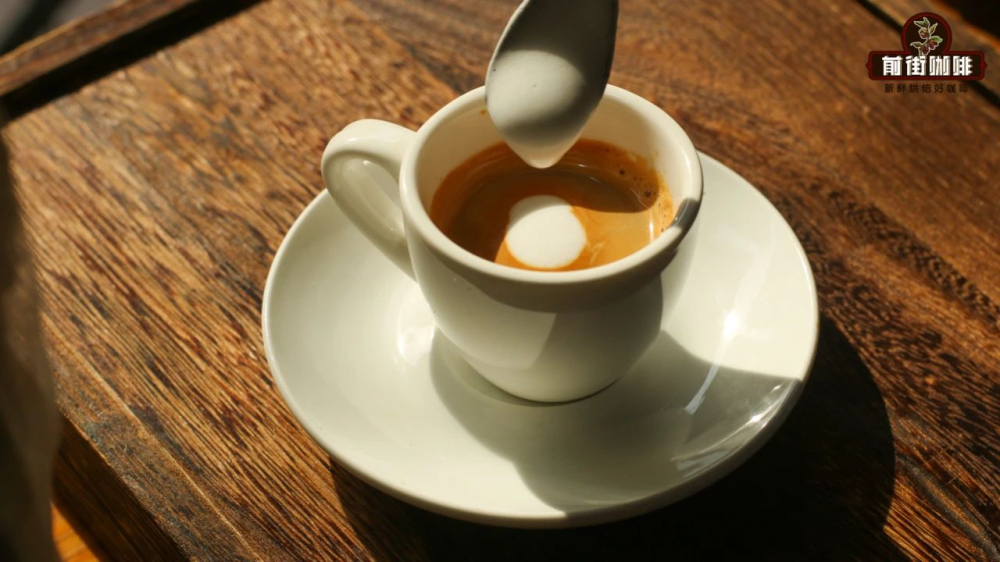
The word "Macchiato" in Italian means "marked" or "stained," which precisely captures the core concept of a macchiato: using a small amount of milk to "mark" the espresso, rather than diluting it. Therefore, whether it’s an espresso macchiato or a latte macchiato, the milk only serves as an accent — the espresso remains the star. Compared to cappuccino, macchiato contains noticeably less milk, offering a flavor closer to pure espresso but with slightly softened texture.
So, how do you tell macchiato and cappuccino apart? Simply put, macchiato is suitable for enjoying in the afternoon as a transitional choice between espresso and milk coffee, with a concentration level between espresso and cappuccino. Cappuccino, on the other hand, is often seen as a morning pick-me-up, featuring thicker milk foam and a smoother, gentler flavor. The preparation of an espresso macchiato is extremely simple: first pull a shot of espresso, then add about 1–2 teaspoons of steamed milk and foam on top, preserving the essence of the espresso while adding a touch of milk’s silkiness.
As for the caramel macchiato, it is an innovative drink introduced by international coffee chains in the 1990s. Its preparation involves a clever combination of vanilla syrup, espresso, steamed milk, and caramel sauce. First, pull a shot of espresso — for example, using 20 grams of coffee grounds, a 30-second extraction yields about 40 milliliters of coffee liquid. Once extracted, set the coffee aside for later use.

Next comes the steaming of milk and frothing of milk foam. It is recommended to use 200 milliliters of milk, and when frothing, slightly increase the air intake to make the foam denser and thicker than that of a typical latte. This helps with the subsequent drawing of caramel patterns and ensures a stable presentation. The foam thickness can be controlled at around 2.5 centimeters to support the design without being too loose.
Once the coffee and milk foam are ready, you can begin assembling the caramel macchiato. First, pour 12 milliliters of vanilla syrup and the frothed milk into the cup, filling it nearly to the top with milk. Then, slowly pour the espresso from the center of the cup. This not only creates an aesthetically pleasing layered effect, but it is also recommended to gently stir with a spoon before drinking to fully blend the syrup, coffee, and milk, showcasing the complete flavor.
Finally, drizzle the chilled caramel sauce on top of the milk foam. You can draw patterns according to your preference, which not only adds visual enjoyment but also highlights the classic hallmark of this drink. Chilled caramel sauce reduces its fluidity, making the patterns clearer and easier to control.
Speaking of cappuccino, its classic ratio is often described as "1:1:1," meaning coffee, milk, and foam each account for one-third. Taking a common 180-milliliter cup as an example, this translates to using two shots of standard Italian espresso (about 60 milliliters), 60 milliliters of milk, and 60 milliliters of foam, with an overall foam thickness of about 2.5 centimeters. This formula allows the drink to first deliver a rich layer of foam upon entry, followed by the gradual emergence of the coffee’s boldness.
With the advancement of modern espresso machine technology, increased machine pressure has led to improvements in both the quality and intensity of espresso. As a result, the cappuccino recipe has also been adjusted. The currently popular version in Italy typically uses one shot of espresso (about 30 milliliters) as the base, paired with an adjusted foam thickness of about 1 to 2 centimeters. The overall appearance still maintains a full cup effect, but it no longer emphasizes the “little hat” shape. Instead, the focus is on smoothness and balance.

In summary, macchiato, caramel macchiato, and cappuccino all belong to the milk coffee family, but each has its unique personality. Macchiato highlights the pure flavor of espresso with just a touch of milk, offering the most intense taste; caramel macchiato, with the addition of syrup and caramel sauce, has a noticeable sweetness and lower bitterness, making it ideal for those who enjoy sweet and aromatic flavors; while cappuccino, with its thick foam and velvety texture, delivers a smooth mouthfeel and rich layers of coffee aroma, making it a favorite choice for many people in the morning. Understanding these differences will help you make more satisfying choices when ordering at a café, and even allow you to replicate an authentic flavor experience at home using professional parameters.
The above content is compiled by CoffeeHunters, a coffee news website.


