







Introduction:When making cold brew at home, filtering out fine particles can be a real headache—clogged filters, slow dripping, and an overall frustrating experience. Why is it that, even at the same grind size, cold brew is harder to filter than pour over? This article delves into the science behind fine particle aggregation and clogging, and offers three practical solutions: using non-woven fabric filter bags for cold steeping, filtering after stirring, and placing a layer of coarse grounds at the bottom to trap fines. It also includes professional grind size recommendations and test data to help you easily brew cold brew with a refreshing flavor and balanced mouthfeel.
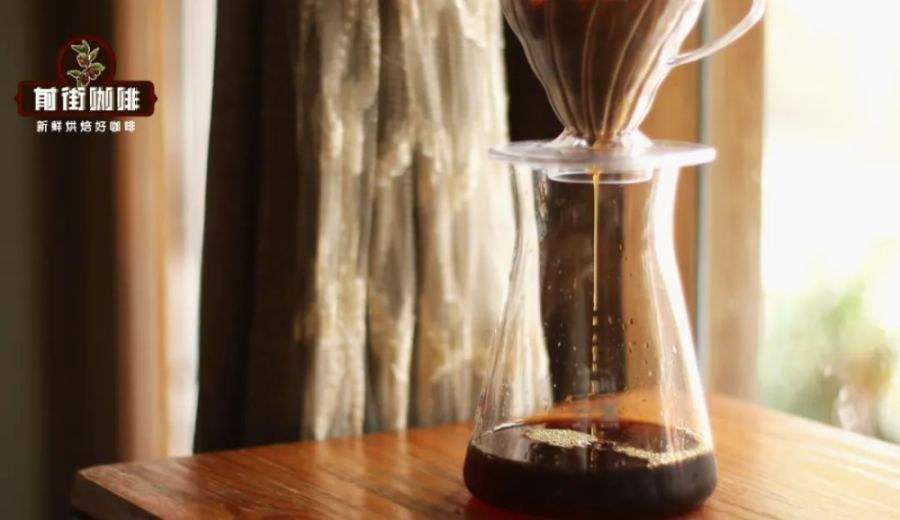
Cold brew coffee has a refreshing and enticing flavor, but the filtering process often frustrates many coffee enthusiasts. After carefully steeping it overnight, you might find the next day that the coffee drips unusually slowly, with the filter still not fully drained after ten-plus minutes—the issue is usually fine particles clogging the filter paper. Why is the filtration speed of cold brew so much slower than pour over at the same grind size? Is there a way to optimize the filtration process, or even skip it altogether?
In fact, due to the low-temperature extraction nature of cold brew, it is more forgiving in terms of grind size. A medium-fine grind similar to that used for pour over is generally recommended (approximately 70–85% extraction through a 20-mesh sieve, grinder setting 9–10.5 on the EK43s, or around 20–22 on a hand grinder like the C40). This grind size performs well for pour over, but in cold brew filtration, it can easily lead to clogging due to fine particle aggregation.
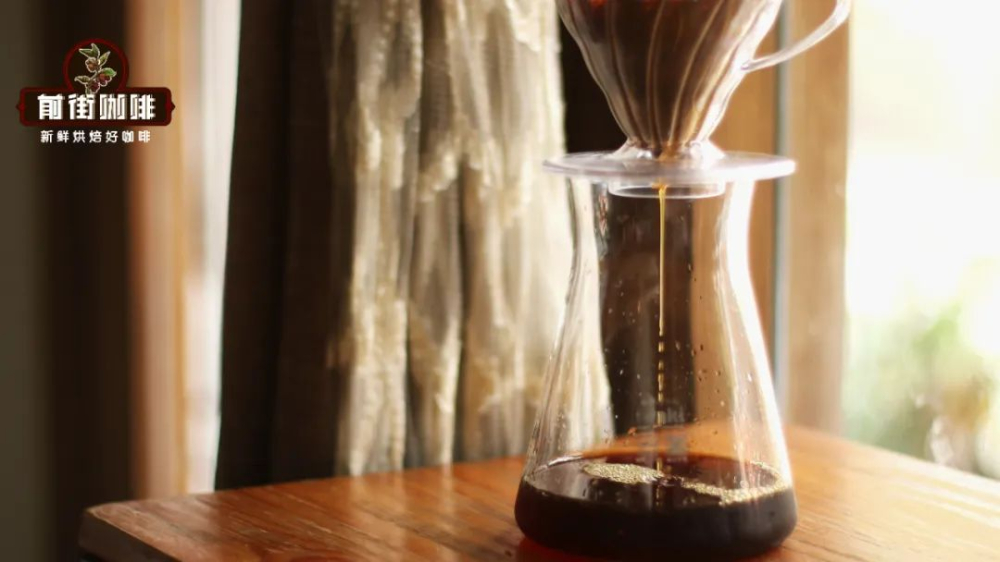
Research shows that lighter fine particles tend to absorb water first and clump together, not only reducing extraction efficiency and leading to lower coffee concentration, but also blocking the filter pores early during filtration, causing the dripping speed to slow down progressively. So how can this problem be improved?
First,using a non-woven fabric filter bag for cold steepingis an effective way to simplify the process. Just put the coffee grounds into the filter bag and steep them directly in cold water, eliminating the need for complex filtration later. Experiments show that this method is not only easy to use, but also retains rich flavor layers—with fruit acidity performance even better than traditional steeping methods. However, be aware that single-use tea bag-style filter bags should not contain more than 30 grams of coffee grounds to ensure sufficient contact between water and coffee, avoiding overly diluted flavors.
Secondly, some believe that pouring out the lighter-colored liquid from the top without stirring can avoid the issue of fine particle clogging, but actual tests show thatunstirred cold brew not only has a lower concentration (only 1.75%, compared to 2.07% in the stirred group), but also significantly inferior flavor.The unstirred samples had bland aromas, watery textures, and lacked complexity; in contrast, well-stirred cold brew not only drips more smoothly, but also showcases rich fruity acidity notes such as passionfruit, grape, starfruit, and lemon, paired with a smooth tea-like body—making it especially refreshing when served chilled.
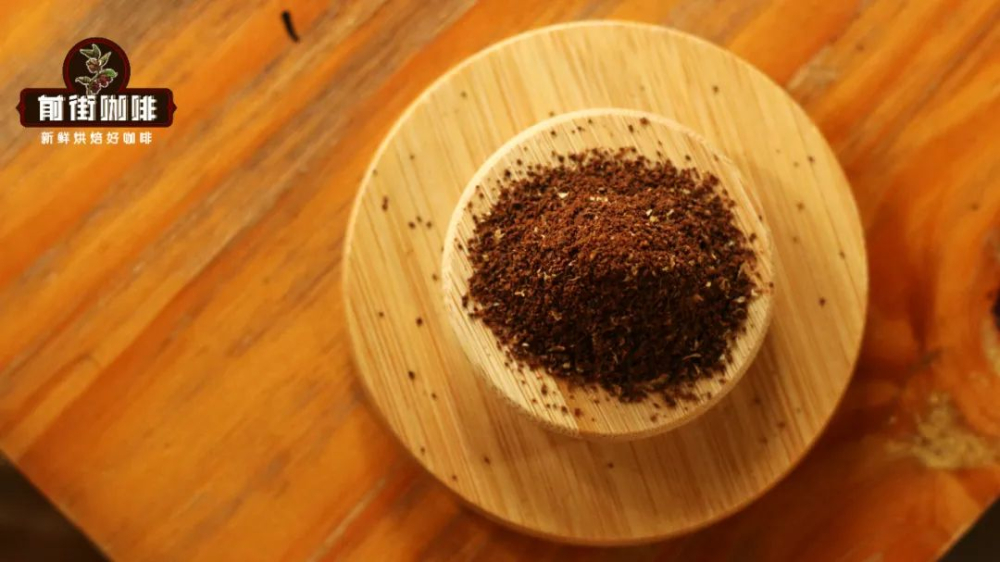
Finally, if you want to further improve filtration efficiency,you can try placing a layer of coarse coffee grounds at the bottom of the filter as a trapping layer.To do this, first stir the steeped cold brew thoroughly and let it sit until most of the fine particles settle at the bottom. Then carefully pour out the clear liquid from the top, scoop 2–3 tablespoons of the coarse grounds from the bottom, and place them inside the filter. Pour the remaining liquid through for filtration. Tests show that this method can significantly speed up filtration—about one minute is enough to filter a 250ml batch of cold brew ground to a fine sugar-like consistency.
In summary, whether you choose to simplify the process with a non-woven fabric filter bag, enhance flavor and drip speed through stirring, or optimize filtration efficiency by using a bottom layer of coarse grounds to trap fines, all these methods effectively solve the pain point of slow filtration in cold brew, allowing you to more easily enjoy a cup of exceptionally flavorful cold brew.
The above content is compiled by CoffeeHunters, a coffee news website.


