







Introduction:The wet-hulling process used in Sumatra, Indonesia, gives Mandheling coffee its distinctive herbal and woody aroma. How does this unique processing method influence the flavor? This article delves into the relationship between wet-hulling and semi-washed drying, explores its origins and processing steps, and shares pour-over brewing tips and extraction parameters for Golden Mandheling. Whether you’re a beginner or a coffee connoisseur, you’ll find inspiration for both appreciation and brewing.
When it comes to coffee from Sumatra, Indonesia, "Mandheling" is almost the first name that comes to mind. Known for its full-bodied texture and herbal, woody aroma, this coffee owes its unique character to the local "wet-hulling" processing method. This article will explore the historical background and processing steps of wet-hulling, examine its connection to semi-washed drying, and analyze how this method shapes Mandheling’s low acidity, rich body, and distinctive musty flavor profile. We’ll also provide pour-over brewing recommendations for the classic Golden Mandheling to help you fully experience the charm of this iconic coffee.
In the cupping lists of many coffee enthusiasts, Mandheling is often a representative of dark roasts. After deep roasting, it exhibits intense roasty aromas, a full and bold mouthfeel, relatively low acidity, and a pronounced but not overpowering bitterness, with a gentle sweetness in the aftertaste. At the same time, you can also detect a unique musty scent, which is often quite memorable. However, if you’ve ever wondered why, even with medium to dark roasts, only Mandheling can showcase such distinctive flavors—the answer lies in its processing method.
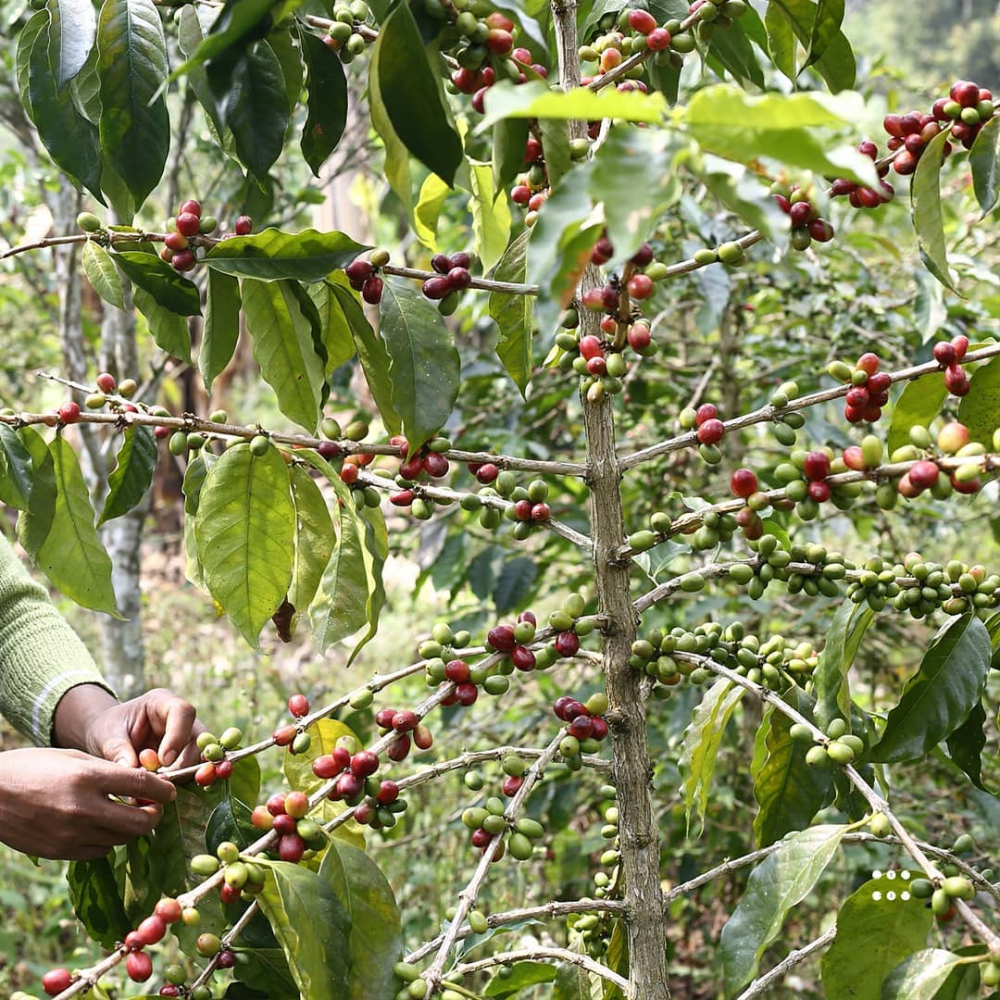
Mandheling is primarily grown on the island of Sumatra in Indonesia, where the climate is quite unique—humid and rainy year-round, with humidity levels often staying between 70% and 90%, and annual rainfall sometimes exceeding 2000 mm. The weather is highly changeable, alternating between sunny and torrential rain, coupled with frequent typhoons, making traditional sun-drying or fully dried processing methods extremely challenging. To effectively process coffee beans in such harsh weather and accelerate their market entry, Indonesian coffee farmers gradually developed "wet-hulling (Wet Hulled)," locally known as Giling Basah.
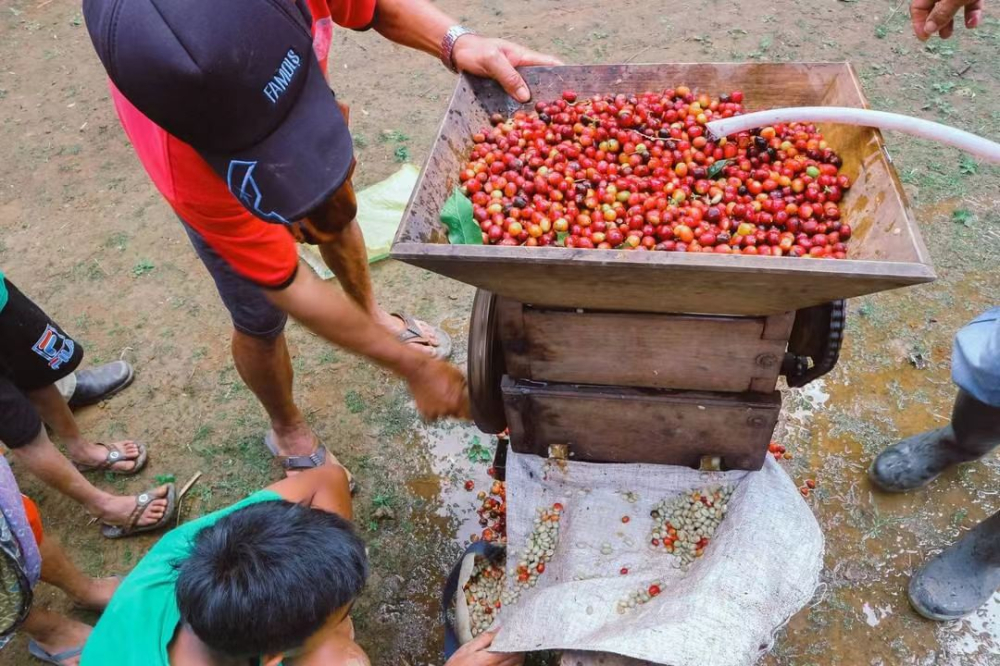
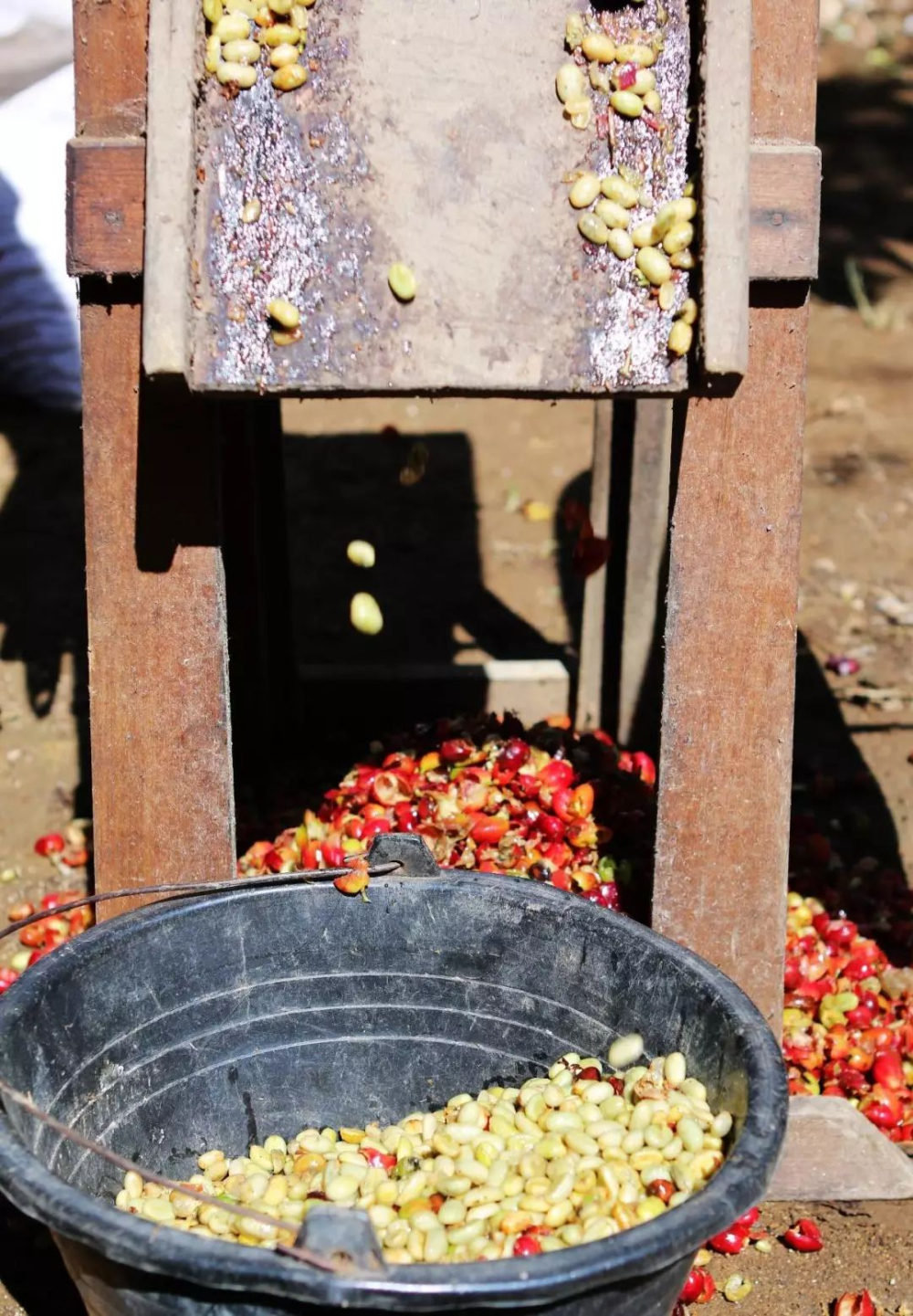
Wet-hulling is not a new method—it has been used in Indonesia for quite some time. Initially, the region also tried sun-drying, but due to unstable weather, quality was hard to control, so they later switched to a method similar to Brazil’s semi-washed process. However, Indonesia’s hot and humid environment is vastly different from Brazil’s, and directly sun-drying beans outdoors for extended periods would easily lead to mold. As a result, farmers switched to drying the beans in the sun for just one or two days until the parchment-covered beans reached a moisture content of 30% to 50%, after which they were sent to processing facilities.
At this stage, the parchment-covered beans still haven’t fully solidified in their mucilage layer, and the beans are in a semi-hard, semi-soft state—but they still need to be processed quickly. At the processing facility, specialized machines remove the husk (also known as the parchment layer). Because the beans are high in moisture and soft in texture, and the humidity is also high, the machine requires greater friction when hulling, often causing the green beans to release white or greenish mucilage. This mucilage interacts with the humid environment, making the beans soft, whitish, or even slightly swollen, turning them gray-green in color. The mechanical pressure can also easily cause damage at the ends of the beans, resulting in a "hoof-like" appearance—this is one of the reasons Sumatran beans are often called "elephant hoof beans."
It’s worth noting that regular coffee beans have four protective layers: the skin, mucilage, parchment, and silver skin. Wet-hulling, however, removes the third (parchment) and fourth (silver skin) layers early in the process, exposing the inner green beans directly to sunlight and humid air for subsequent drying. This unique processing method significantly alters the beans’ drying speed and flavor development path, and has led Indonesian coffees to develop their distinctive "regional characteristics" such as woody, spicy, and herbal notes.
After the parchment is removed, the beans still need to be sun-dried further until their moisture content drops to about 12% to 15% to complete the process, after which they undergo mechanical sorting and size grading. It is precisely because of this three-stage drying process (initial drying of the mucilage layer → hulling → final drying), combined with the effects of the high-humidity environment, that Mandheling develops its unique herbal and woody flavors, making wet-hulling a globally rare yet highly representative coffee processing method.
For coffee beginners who want to experience the diverse flavors of Mandheling, it’s recommended to start with the cost-effective Lintong Mandheling, one of Sumatra’s major producing regions, which can help you get a preliminary sense of these flavor characteristics. For coffee enthusiasts with some tasting experience, "Golden Mandheling" is an essential classic choice, with more focused and layered flavors.
Mandheling is suitable for various brewing methods, including pour over, French press, siphon, AeroPress, and moka pot. If you want to fully appreciate its rich mouthfeel and aroma, pour over is one of the best ways to highlight the details. In practice, using a KONO filter can further enhance the richness of extraction—this filter has a smooth upper section with only short ribs in the middle and lower parts. After wetting the filter paper, it fits tightly to the filter, reducing airflow and extending the contact time between water and coffee grounds, thereby increasing concentration and body. This is especially suitable for dark roasted, full-bodied beans, such as Golden Mandheling.
It’s recommended to use 15 grams of coffee grounds (adjust according to filter capacity; for 1–2 servings, 15–20 grams is advised), with a coffee-to-water ratio set at 1:15—a balanced choice for most palates, with a range of 1:13 to 1:17 available for fine-tuning. The grind size is suggested to be around 70% passing through a Chinese No. 20 standard sieve, equivalent to a medium-fine grind, suitable for pour-over with dark roasted beans. The specific steps are as follows:
1. Wet the filter paper and ensure it adheres tightly to the KONO filter to help reduce airflow.
2. Add the ground coffee, then gently tap to level the coffee bed.
3. Pour 30 grams of 87°C hot water in a circular motion from the center for the bloom, letting it sit for about 30 seconds. At this stage, dark roasted beans usually expand noticeably, forming a "bloom dome."
4. Continue pouring in a circular motion until the total water volume reaches 125 grams.
5. Once the water level drops by half, continue pouring the remaining 100 grams, for a total brew volume of about 225 grams. Use a slow, steady stream to avoid over-extraction or unevenness.
After brewing, let the coffee sit for a moment to allow the liquid to mix evenly before tasting. Remember, the freshness of the beans is crucial—choose beans roasted within 5 days for the most complete flavors. Freshly brewed Golden Mandheling typically offers a full body, with distinct layers of cedar, spices, dark chocolate, and roasted hazelnut aromas, a clean aftertaste, and a hint of caramel sweetness that lingers delightfully.
The above content is compiled by CoffeeHunters, a coffee news website.


