








Introduction:The golden foam on the surface of espresso is often mistaken for oil, but it is actually a layer of fine bubbles. This article delves into the reasons behind the formation of espresso crema, compares the differences in extraction timing and flavor changes between light and dark roasted beans, and explains how the fat content in Arabica and Robusta affects crema production. It also recommends several practical espresso blends that produce rich crema, helping readers choose the right espresso beans to enhance extraction quality.
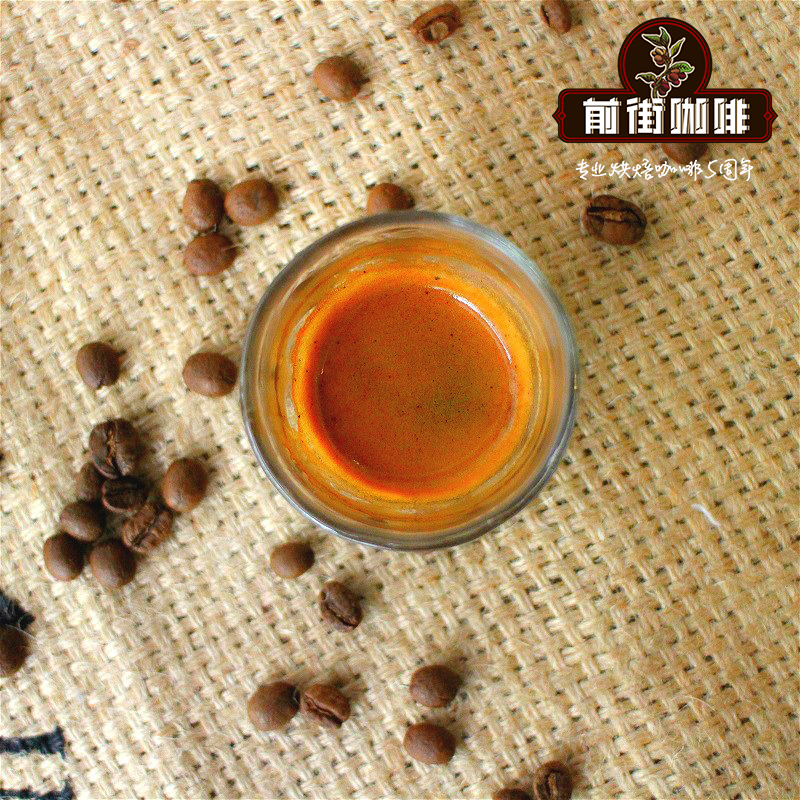
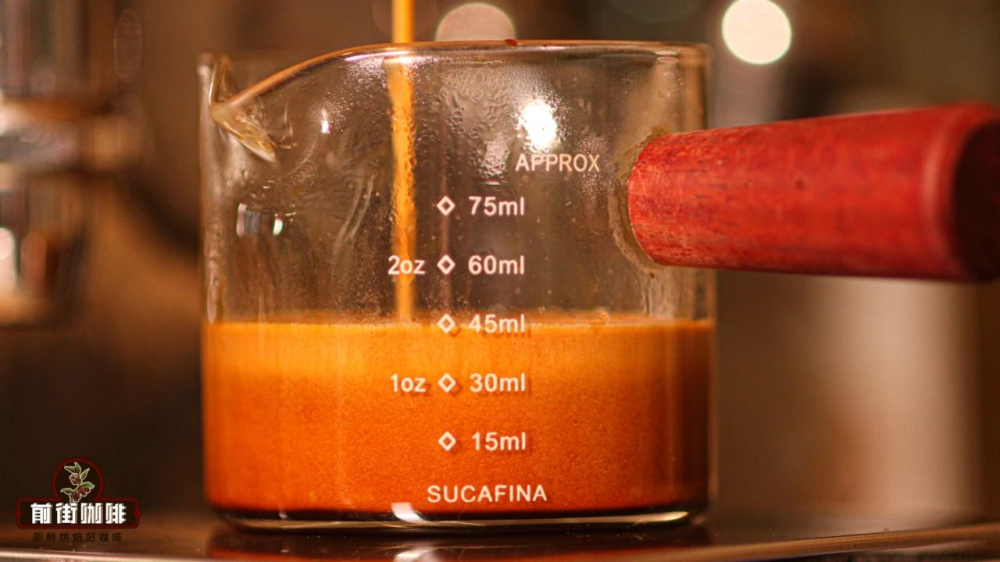
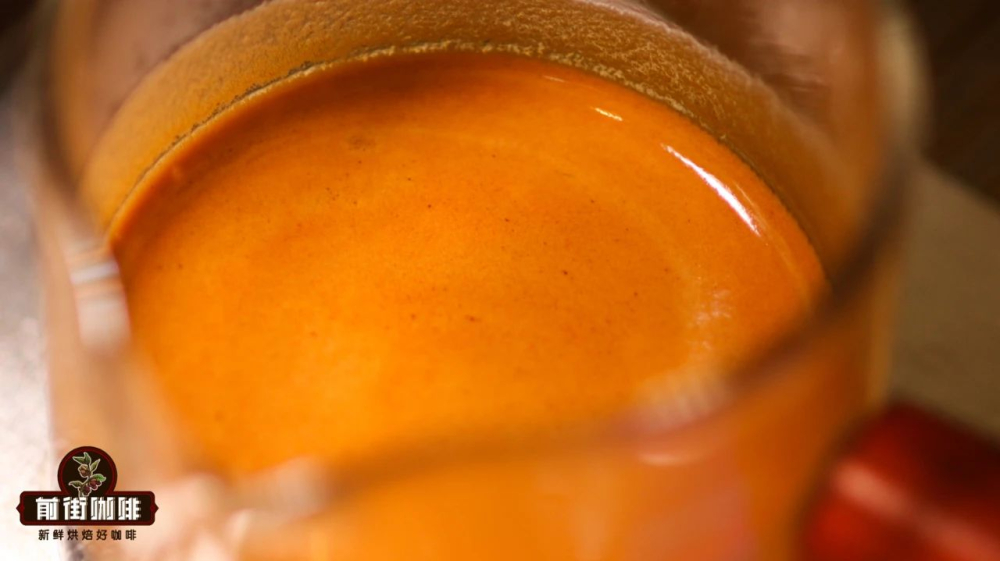
The golden, velvety-smooth foam on top of espresso is often mistakenly thought to be oil released from the coffee beans themselves. In fact, this substance, known as crema, is primarily composed of tiny bubbles that gradually dissipate over time, and is fundamentally different from oil exuding from the bean surface. The true coffee oils are contained within the bean and are closely related to the degree of roasting and storage conditions.
Coffee beans do indeed contain a certain proportion of oils, with Arabica varieties being the most well-known for this. Their fat content is about 10%, significantly higher than Robusta’s approximately 4% — the latter, despite having a higher caffeine content, is less favored in the realm of espresso, which values delicate flavors, due to its lower fat content and coarser taste.
< >
Many people believe that oily coffee beans are a sign of “freshness,” but this is not always the case. Oiling should be assessed in conjunction with roast level and storage duration to accurately evaluate the actual condition of the beans.
Light roasted coffee beans are typically light brown in color and appear dry with no sheen when freshly roasted. Around the sixth day after roasting, some beans may exhibit what is called “spot oiling,” where small oil droplets appear in localized areas on the bean surface. This phenomenon does not necessarily indicate staleness—in fact, it can sometimes signal that the flavors have reached their peak. However, if the beans show an overall glossy sheen more than two weeks after roasting, it usually means the flavors are beginning to noticeably decline, and it is recommended to consume them promptly or avoid purchasing them.
Another scenario may stem from uneven roasting, such as localized overheating of the bean surface leading to premature dehydration, which might result in spot oil marks appearing between the second and fifth day after roasting. This is different from the full-surface oiling characteristic of dark roasted beans and requires special attention to roasting quality.
< >
In contrast, dark roasted coffee beans, due to their longer roasting time and higher temperatures, experience a higher rate of dehydration. As a result, they often naturally develop widespread oiling between the second and fifth day after roasting. This is a normal reaction, especially during the first few days of use, where a shiny bean surface often indicates the beans are still at their best. However, if dark roasted beans are left for more than three weeks and the surface sheen completely fades, or even turns dry and dull, they have likely lost their optimal flavor—even if the appearance remains dark brown, one should carefully assess whether they are still suitable for brewing.
From this, it can be seen that oiling alone cannot be used as an absolute indicator of freshness; roast level and storage time must also be considered comprehensively.
In the market, the two most common coffee species — Arabica and Robusta — not only differ significantly in caffeine content (0.8–1.4% for the former, 1.7–4% for the latter), but also in fat content. Arabica contains about 10% fat, while Robusta has roughly 60% less, which is one of the reasons why most professional baristas and coffee enthusiasts prefer Arabica: it not only offers a richer flavor profile, but also displays more delicate and diverse oils and aromas.
If you want to brew espresso with rich crema at home, selecting the right espresso blend is crucial. Below are several practical blends that perform excellently in actual extraction and produce fine crema:
The first is a blend combining Brazilian and Colombian Arabica with Vietnamese beans. This recipe produces a smooth texture and rich aroma after extraction, with a thick layer of crema, making it highly suitable for latte art and various specialty coffee preparations.
The second is a classic dark roasted blend, combining beans from Brazil, Sumatra (Indonesia), and Vietnam. This blend highlights a bold and rich coffee aroma, and easily releases fine, long-lasting crema during extraction. Whether used for Americano or milk-based drinks like lattes, it delivers excellent flavor performance.
The third is Indonesia’s Golden Mandheling, renowned for its unique spicy, herbal, and pine notes. When brewed as espresso, it not only produces abundant crema but also offers a solid, rich body—making it a must-try for coffee lovers who enjoy intense flavors and deep aromas.
The above content is compiled by CoffeeHunters, a coffee news website.


