







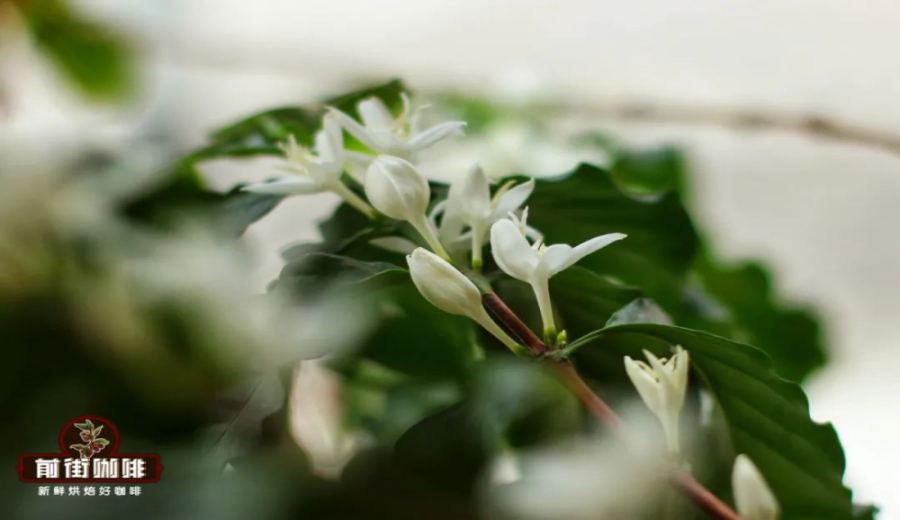
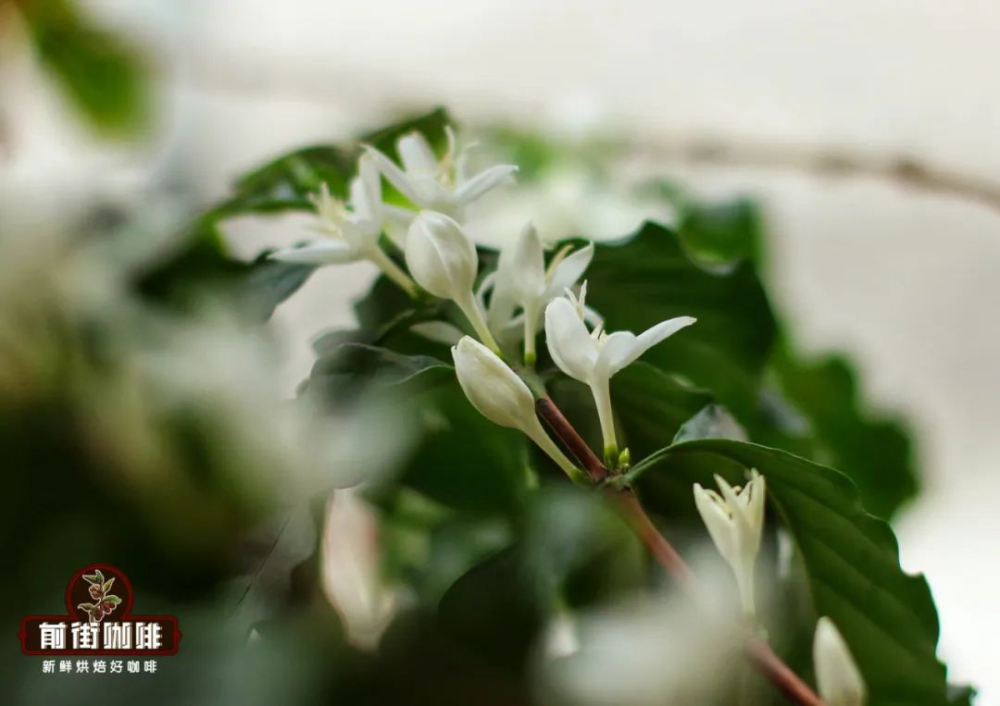
Introduction:What do coffee flowers look like? How long is their blooming period? How much time elapses from when a coffee tree flowers to when the final coffee beans are harvested? This article will take you on an in-depth exploration of these small white flowers that resemble jasmine in appearance, including their botanical background, aromatic characteristics, blooming duration, and potential impact on the final coffee flavor. Whether you’re a coffee enthusiast or a beginner, you’ll gain useful observational and tasting knowledge from this piece.
Many coffee lovers may have never seen a coffee tree in bloom with their own eyes—this sight is also a rare occurrence for growers or industry professionals. For example, coffee trees planted in one café only bloom once every two years, and it takes about two to three months after the flowers appear for them to gradually develop into coffee cherries. So, what exactly do these coffee flowers look like? What color are they? How long does their blooming period last? And how much time passes from the withering of the blossoms to the development of the familiar coffee beans we know? This article will delve into the appearance and scent of coffee flowers starting from their botanical classification and aromatic features, while also analyzing how they influence the final brewing and drinking experience.
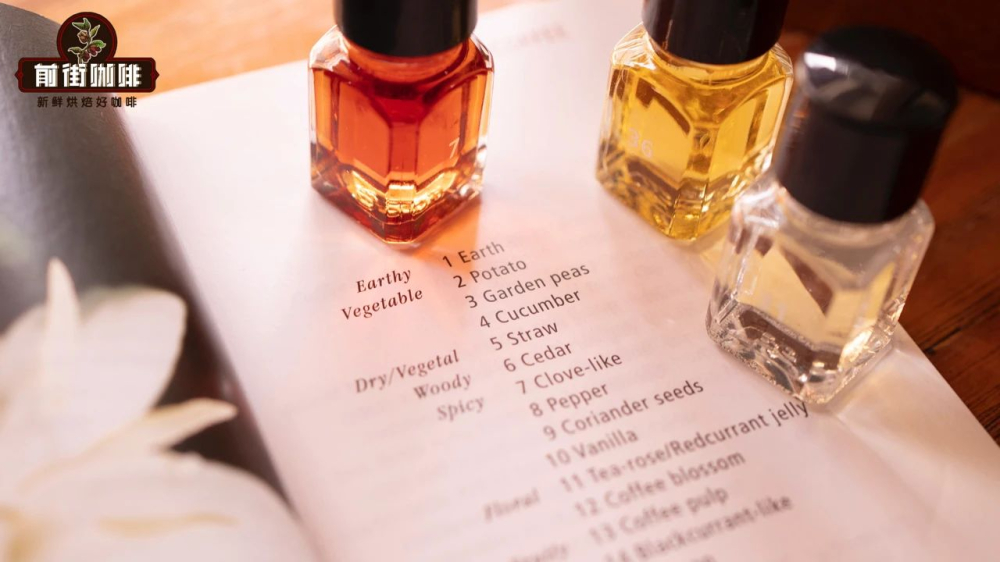
The scent of coffee flowers is often compared to the sweet aroma of peaches. Some people may form their first impression of the fragrance through scent bottles (such as Coffee Blossom
From a taxonomic perspective, coffee trees belong to the Rubiaceae family, the same family as common gardenias but a different genus, so they share some visual similarities. However, the two differ significantly in scent: gardenia flowers are rich and heavy, whereas coffee flowers have a fresh and delicate fragrance. When we taste coffee, we often encounter a type of aroma categorized as “white floral,” which is often hard to describe specifically. It evokes images of pure white blossoms but is difficult to pinpoint as any particular kind. In reality, white florals are a broad category of fragrances that include not only coffee flowers and jasmine but also white roses, white camellias, white magnolias, pear blossoms, lemon blossoms, and plum blossoms—all of which typically exhibit fresh and soft characteristics.
Coffee flower aromas can generally be divided into three main types: muted, subtle, and fresh. Among these, white florals are the representative of fresh floral notes and are also one of the most frequently occurring fragrances in coffee. In contrast, subtle floral notes are often represented by rose, as seen in some sundried Geisha varieties that emit soothing rose-like aromas. Muted floral notes, on the other hand, carry a slightly sharp quality—they might be a bit overpowering upon first sniff, with chamomile and osmanthus being common representatives. Certain coffees from specific regions may also exhibit this type of characteristic.
Within the flavor profile of specialty coffee, floral notes have always been considered a relatively rare and beloved element. The formation of such flavors is closely related to the coffee variety, growing environment, and fermentation conditions during post-harvest processing. In addition,the degree of roasting also plays a key role in the retention and expression of floral notes.Generally speaking, the darker the roast, the more intense the internal chemical reactions within the coffee bean. Floral compounds can be easily destroyed or transformed at high temperatures, so lighter to medium roasts usually preserve floral characteristics better. These kinds of coffee tend to have softer flavors and lighter bodies, especially during the grinding and blooming stages, as well as when the coffee liquid is at mid-to-low temperatures, where floral notes are more easily detectable. It’s recommended that drinkers, based on their own experience, compare these nuances to familiar fresh floral scents to further identify and appreciate the subtleties.
Although coffee flowers possess captivating scents and appearances, their blooming period is quite brief, typically lastingonly 3 to 5 days.In observations from one coffee farm, some flowers even begin to show signs of withering the day after blooming. Therefore, if you have the chance to see coffee flowers in person, it’s advisable to seize the moment—because this short-lived blooming window passes quickly, and missing it could mean waiting another year.
The above content is compiled by CoffeeHunters, a coffee news website.


