







Introduction:Golden Mandheling is a highly representative high-quality Mandheling bean variety from Sumatra, exclusively selected and exported by Indonesia’s PWN company. Processed using the wet-hulled method, it showcases intense spicy and herbal flavors, along with a rich yet refined mouthfeel. This article delves into its regional background, processing method, grading standards, and suitable brewing techniques, and provides practical pour over parameters to help you fully understand this classic Indonesian specialty coffee—from bean to cup.
Golden Mandheling from North Sumatra, Indonesia, is a renowned specialty coffee originating from the mountainous regions of North Sumatra Province, exclusively selected and exported by the locally prestigious Pwani Coffee Company (abbreviated as PWN). The most distinctive feature of this coffee is its unique wet-hulled processing method, which brings out deep, intense notes of spices, herbs, and woody aromas, coupled with a full-bodied yet layered taste that balances wildness with refinement.
The green beans of Golden Mandheling undergo three rounds of rigorous manual sorting to ensure consistent quality and appearance, which often results in exceptionally high purity and clear flavor profiles during cupping. For many coffee enthusiasts, this coffee is considered a reliable daily drinker for those who prefer a full-bodied taste, especially as it offers a stable and high-quality coffee experience while capturing the essence of Southeast Asian flavor characteristics.
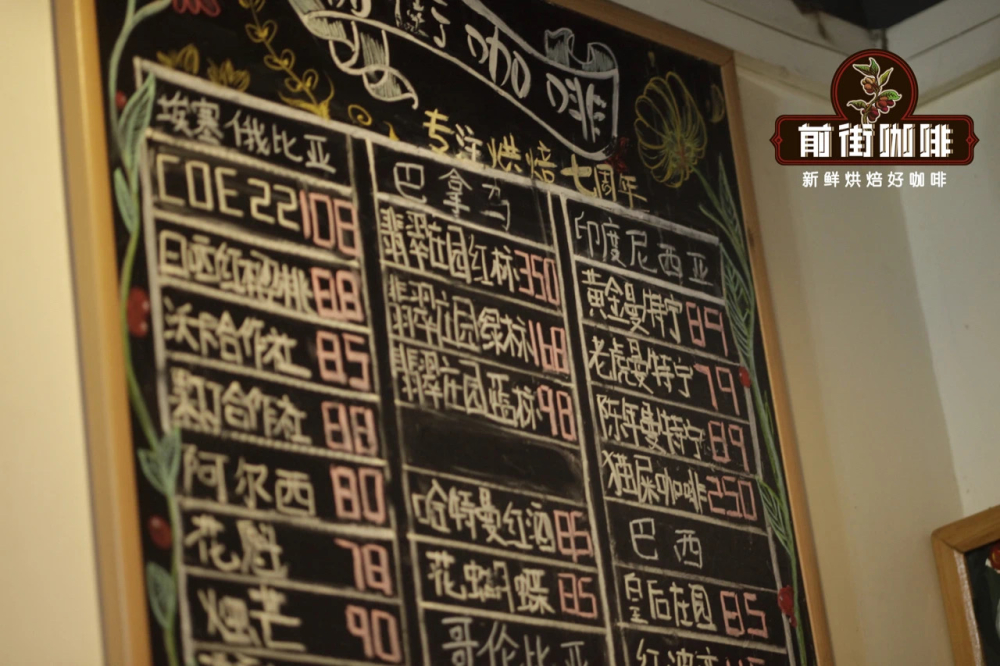
Sumatra, as an important origin for Indonesian specialty coffee, is primarily concentrated in the northern regions of Aceh Province and North Sumatra Province. These areas are surrounded by well-known volcanic lakes such as Lake Toba and Lake Tawar, and are traditionally divided into two major producing regions: Lintong and Aceh. The region features a tropical rainforest climate, with high temperatures, high humidity, and frequent rainfall throughout the year, making traditional washed and long sun-drying processing methods less feasible.
To adapt to the humid and rainy environment, local coffee farmers developed the unique “wet-hulled” processing method. This approach takes only about four days to complete the process, significantly shortening fermentation and drying times. The basic procedure includes: first using the floatation method to remove unripe coffee cherries, then removing the skin and fermenting briefly, followed by brushing to eliminate residual mucilage. The beans-in-parchment are then dried to a moisture content of approximately 30–40% before being sold to buyers. The buyers subsequently remove the parchment and some residual material, yielding the green beans with the characteristic wet-hulled flavor that we commonly see.
Although the wet-hulled method greatly improves processing efficiency, the relatively rough handling also leads to a higher rate of defective beans. Therefore, to meet Indonesia’s high export standards and command a higher price, multiple rounds of strict sorting are necessary. Among them, Golden Mandheling launched by Indonesia’s PWN company stands out as a top example of this process—not only achieving Indonesia’s G1 highest grade (with fewer than 11 defective beans per 300 grams), but also undergoing machine sorting and three rounds of manual selection to ensure uniformly round, plump beans with consistent color.
What sets Golden Mandheling apart from other Mandheling coffees is not only its strict grade-based selection, but also its exceptional purity in cupping performance. Many roasters and coffee professionals have found in cupping sessions that this coffee noticeably reduces common earthy or off-flavors, instead highlighting clear notes of spices, herbs, and subtle woody tones. The overall flavor profile is more balanced and clean, making it a highly representative specialty bean processed via the wet-hulled method.
In terms of brewing recommendations, since Golden Mandheling is typically medium to dark roasted, its internal structure is relatively loose with high water absorption. Using the water temperature and grind size suitable for light roasts can easily lead to over-extraction, resulting in burnt bitterness and astringency. Therefore, it is recommended to use hot water at approximately87°CThe hot water anda medium grind size (such as 70% passing through a Chinese standard No. 20 sieve), paired with a slower-flow filter cone like the KONO, to achieve more thorough flavor extraction and a fuller body.
Practical pour over parameter suggestions are as follows: the first pour is30 grams of water for a 30-second bloom, followed by slow circular pouring from the center outwards to125 grams. When the water level drops to just about to expose the coffee bed, continue pouring to225 grams, with the total extraction time controlled at aroundapproximately 2 minutes. These parameters fully highlight the spicy, dark chocolate, and caramel aromas of Golden Mandheling, while bringing out a soft sweetness and a long-lasting aftertaste.
Once brewed, Golden Mandheling delivers an intense aroma of dark chocolate and roasted hazelnuts upon entry, accompanied by moderate caramel and melon notes. Spicy undertones run through the entire flavor profile, with a long and layered finish—making it an excellent choice for those who enjoy bold, full-bodied coffees with distinct regional character.
The above content is compiled by CoffeeHunters, a coffee news website.


