








Introduction:The moka pot is a classic choice for many coffee enthusiasts entering the world of espresso flavors. With simple tools, it can closely replicate the taste of espresso from professional machines. However, to brew a balanced, rich coffee with a beautiful crema, there are tricks hidden in everything from roast level and bean variety selection to operational details. This article delves into the roasting characteristics of beans suitable for the moka pot, recommends several single-origin and blended beans that have performed exceptionally well in tests, and details the key steps of the brewing process—so you can consistently extract moka pot coffee with outstanding flavor at home.
Though the moka pot has a simple design and affordable price, it can extract espresso-like coffee with a taste close to that of professional espresso machines, making it a top choice for many coffee beginners stepping into the world of espresso. However, because the moka pot brews at a higher water temperature and uses finely ground coffee, the resulting liquid is more intense, which also highlights the characteristics of the coffee beans themselves—light roast beans may release overly sharp acidity, while overly dark-roasted beans can easily produce burnt, bitter aftertastes. To achieve a balanced, rich, and rounded cup of coffee with an attractive layer of crema, it’s recommended to prioritize medium to medium-dark roasted beans that are fresh.
From the perspective of the tool itself, compared to the sleek appearance and high price of professional semi-automatic espresso machines, the moka pot wins the favor of many home enthusiasts with its compact structure and reasonable price. Yet, the similarity in brewing results between the two is astonishingly high—which is one of the reasons why more and more coffee beginners are willing to invest in a moka pot to explore espresso flavors at home.

Due to the high water temperature during the operation of the moka pot, combined with the finer coffee grounds used, the extracted liquid is also relatively more concentrated, thereby amplifying the individual characteristics of the coffee beans. Light-roasted beans tend to showcase pronounced fruity acidity and sharpness, while dark roasts easily release noticeable smoky and bitter notes. To get a moka pot coffee that is smooth, layered, and has good body and crema performance, it’s recommended to choose medium or medium-dark roasted beans and ensure they are freshly roasted—only then can their potential be stably realized.
It’s worth noting that the “freshness” of coffee beans is one of the keys affecting moka pot extraction performance. Generally speaking, most volatile aromatic compounds in coffee beans gradually dissipate after more than two months post-roast, which leads to difficulty in releasing crema during extraction and a significant decline in overall flavor performance. Therefore, when selecting coffee beans, be sure to pay attention to the roast date and opt for products that have been recently roasted and are still within their optimal flavor period.
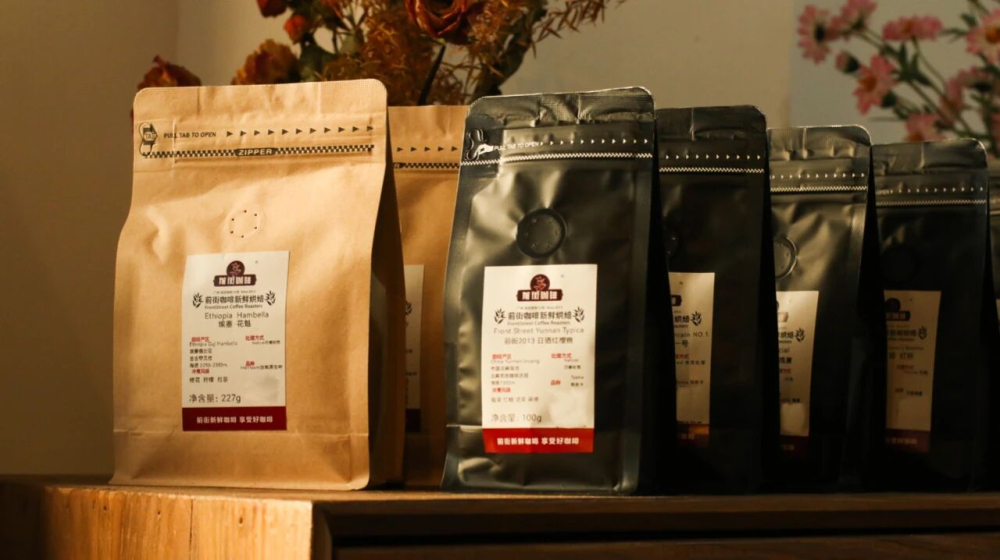
In terms of market performance, some brands are able to ship within five days after roasting, ensuring that consumers receive coffee beans that maintain a high level of freshness. These products usually offer stable quality and competitive pricing, and thanks to the short time from dispatch to delivery, they still retain excellent extraction potential and aroma when they arrive, allowing you to enjoy a moka pot coffee experience at home that rivals that of a café.
Below is a list of several medium to dark roasted coffee beans that have been tested and found to be particularly suitable for use with the moka pot, including both single-origin and blended options, so you can flexibly choose based on your personal taste preferences:
Single-Origin Coffee Beans Suitable for the Moka Pot
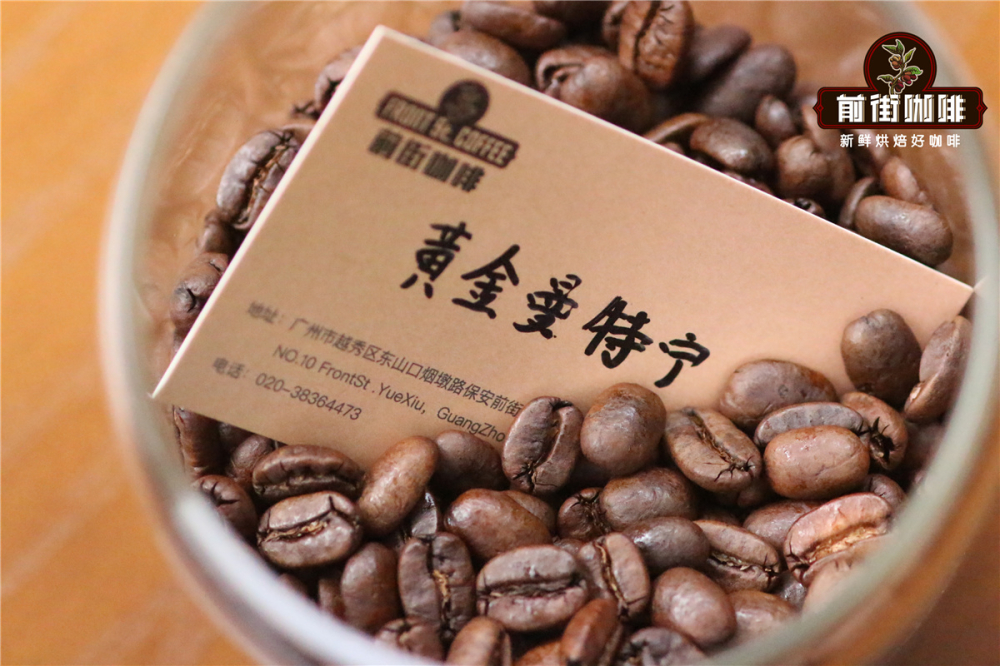
① PWN Golden Mandheling
Recommendation Rating: ★★★★★
Features: A high-grade representative among classic Mandheling beans, it showcases a rich array of layers such as dark chocolate, caramel, spices, herbs, and pine after brewing, with excellent crema performance—ideal for users who enjoy intense, rich flavors.
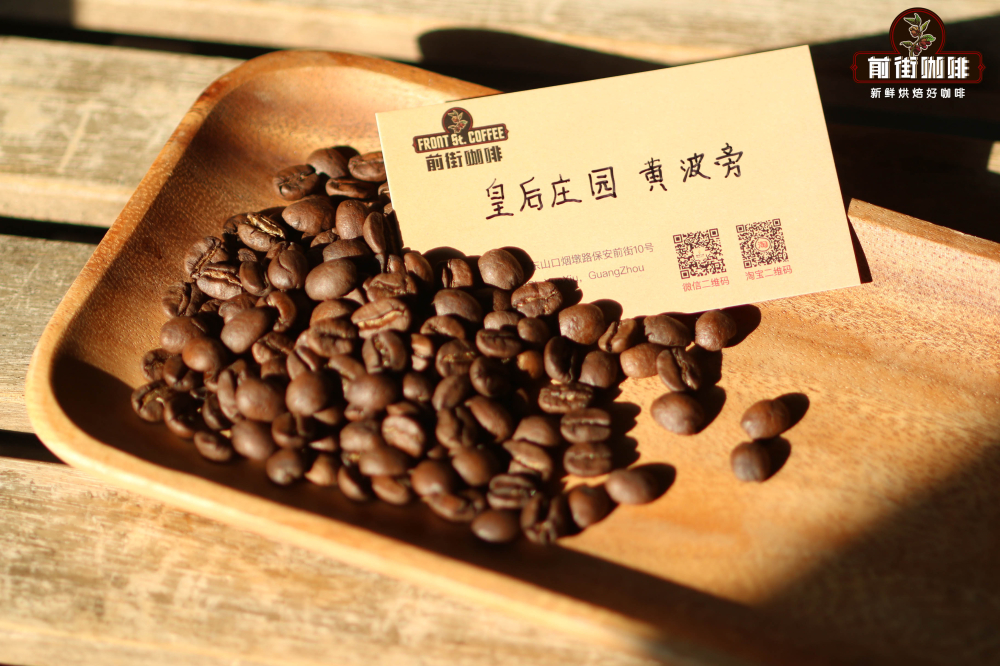
② Brazilian Queen Estate
Recommendation Rating: ★★★★☆
Features: The aroma is dominated by nuts, with a flavor profile that includes chocolate, cream, cocoa, and cane sugar. It has gentle acidity and fine crema texture, suitable for coffee lovers who prefer a milder taste.
③ Colombian Huila
Recommendation Rating: ★★★★☆
Features: It has a strong unsweetened chocolate aroma and thick crema. Not only is it suitable for moka pot extraction, but it can also be used for Americano or milk-based variations, offering high flavor versatility.
Espresso Blends Suitable for the Moka Pot
Moka Pot Blend Recommendation One: Classic Espresso Blend
Recommendation Rating: ★★★★★
Features: Combines the nutty base and rich crema feel of Mandheling, with a formula that includes Indonesian Mandheling, Brazilian semi-washed, and Vietnamese washed beans. After extraction, it delivers flavors of nuts, dark chocolate, and caramel, suitable for both the moka pot and home semi-automatic espresso machines—highly versatile.
Moka Pot Blend Recommendation Two: Basic Espresso Blend
Recommendation Rating: ★★★★☆
Features: Features mild acidity and a rich taste, made from a blend of Yunnan washed small beans and Brazilian semi-washed beans. Its flavors include gentle fruit acidity, caramel, and nut aromas. It offers great value for money and is suitable for daily drinking.
Moka Pot Blend Recommendation Three: Commercial Espresso Blend
Recommendation Rating: ★★★★☆
Features: Emphasizes a rich taste, with a formula consisting of Robusta washed beans, Colombian washed beans, and Brazilian semi-washed beans. The flavors lean toward nuts, cocoa, and caramel, with dense crema. Suitable for daily family use or small cafés.
Next, let’s explain how to stably extract a good cup of coffee using the moka pot:
First, pour cold water into the lower chamber of the moka pot. It’s recommended to use room temperature or cold water to avoid the risk of scalding from hot water. After placing the filter basket into the lower chamber, hold it firmly in place, then fill it with an appropriate amount of coffee grounds. Make sure the coffee bed is slightly domed in the center like a small hill and that the surrounding gaps are evenly filled. Then, directly attach the upper chamber and tighten it.
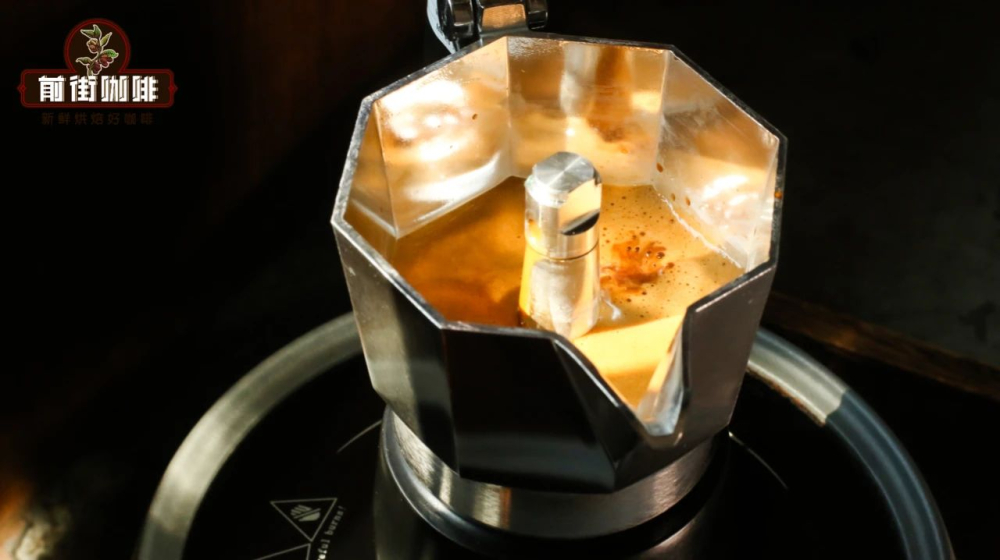
Next, place the entire moka pot on an electric stove (or gas stove) to heat. When you hear a “wuu wuu” sound, it means the coffee extraction liquid has begun to rise from the bottom to the upper chamber. At this point, it’s recommended to immediately turn off the heat and wait a few seconds for the liquid to completely flow into the upper chamber.
The finished moka pot coffee will usually have a layer of golden crema floating on the surface. At this point, you can adjust the concentration and taste with hot water or milk according to your preference, and enjoy a truly authentic and uniquely styled moka pot coffee.
The above content is compiled by CoffeeHunters, a coffee news website.


