







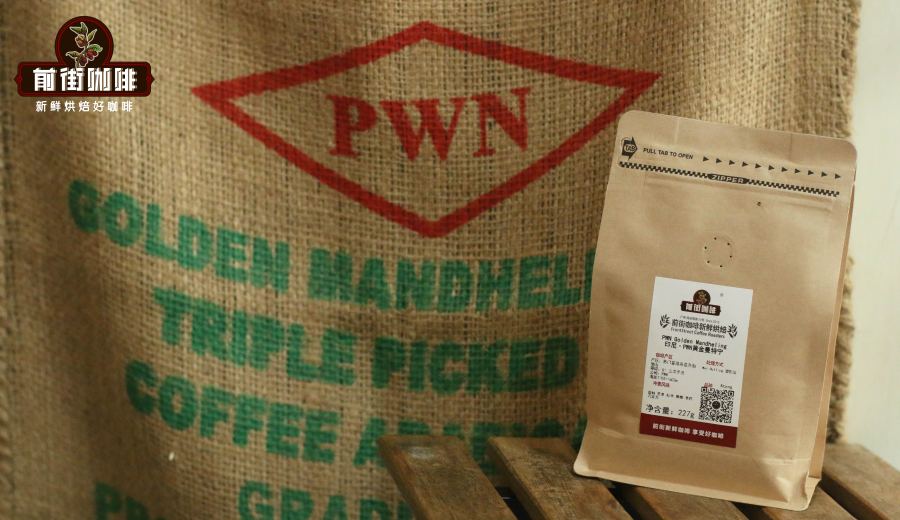
Introduction:Sumatra Mandheling is renowned for its unique and richly bold flavor, but do you know whether Golden Mandheling belongs to the top G1 grade? Indonesia’s coffee grading system is centered on defect rate and bean size, with strict standards for each grade from G1 to G6. This article delves into the logic behind Indonesian green bean grading, explains the origins of the Mandheling variety and the characteristics of the wet-hulled processing method, and introduces the selection process and flavor profile of Golden Mandheling to help you choose and brew this classic bean more precisely.
As the world’s largest archipelagic nation, Indonesia’s Sumatra Island is not only its largest island but also the main producing region of the famous Mandheling coffee. Among the various Mandheling products, Golden Mandheling launched by Indonesia’s PWN company stands out. This coffee is not just any Mandheling, but a premium product with an independent trademark. Its selection process is rigorous, involving machine screening and three rounds of manual picking to ensure almost zero defective beans.
The Uniqueness of Golden MandhelingLies in its deep green raw bean color and plump, full-bodied beans, generally reaching 18 mesh or above. After undergoing high-standard selection, the roasted beans exhibit uniform color and exceptionally outstanding flavor performance. Compared to the common herbal, earthy, or woody notes found in regular Mandheling, Golden Mandheling offers a cleaner taste, intense caramel sweetness, and bright acidity, making it a favorite among many coffee enthusiasts.
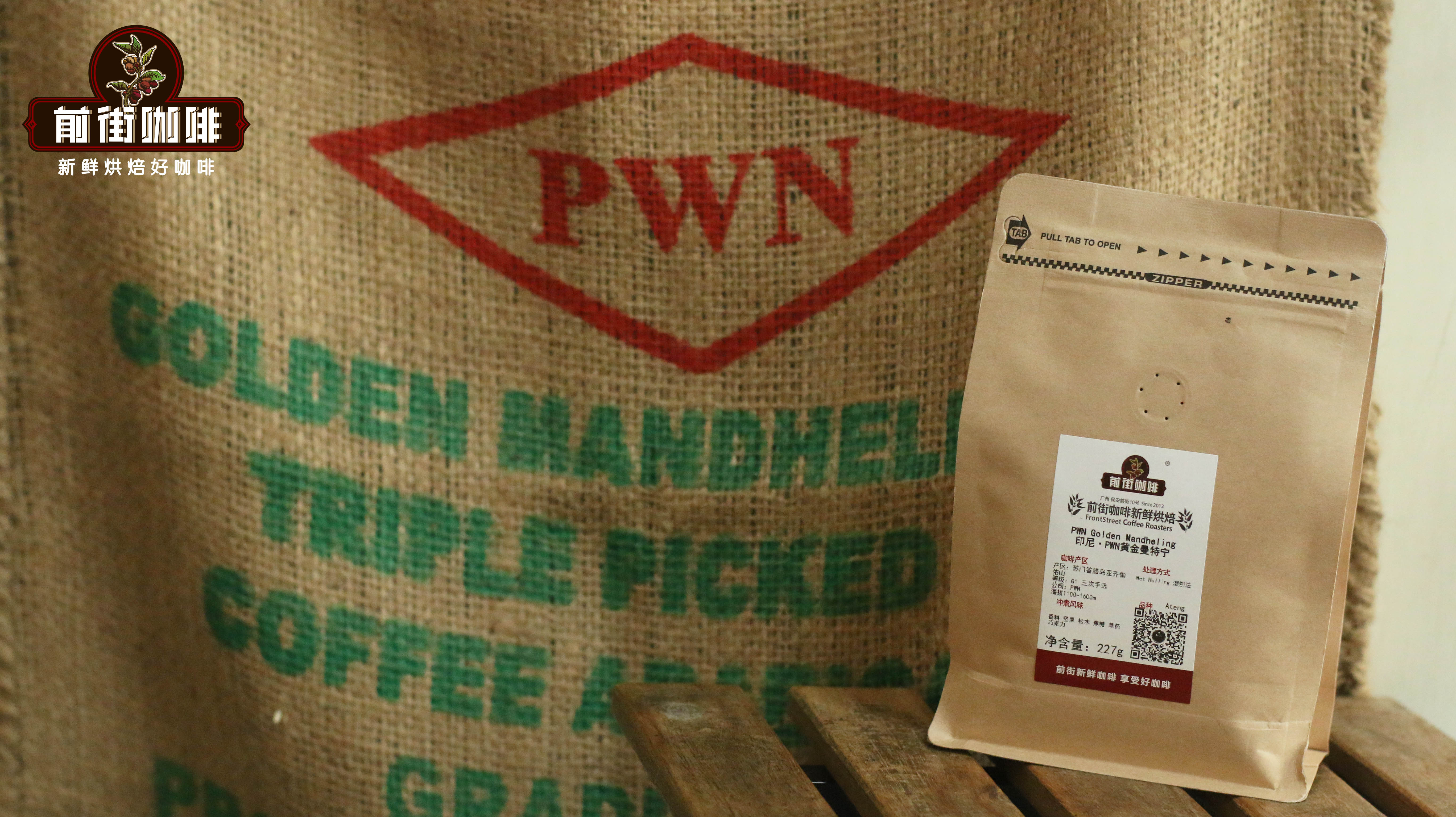
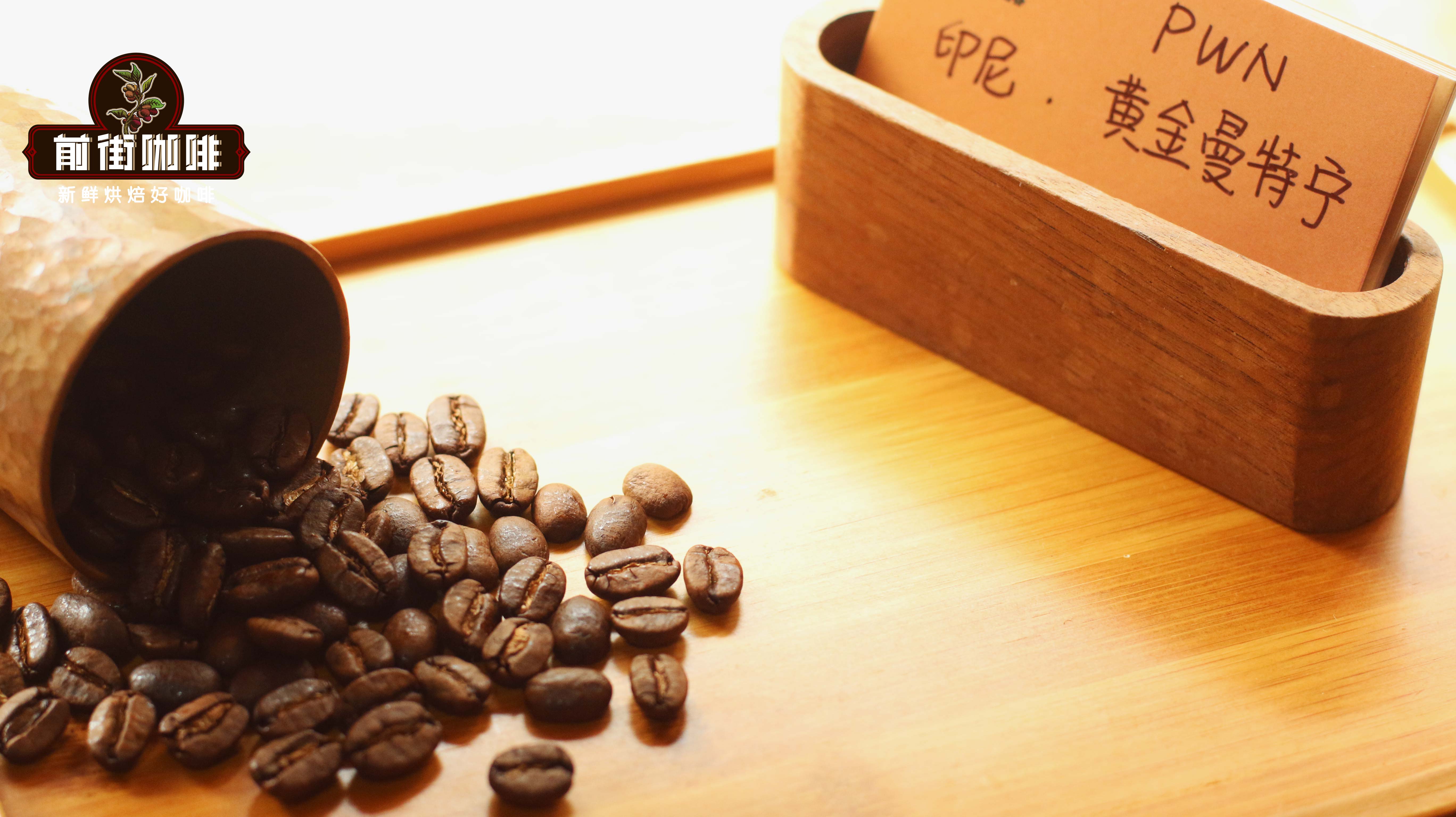
Although there are currently many products on the market claiming to be “Golden Mandheling,” only those produced by PWN can rightfully bear this name. Consumers can identify genuine products by looking for the PWN logo on the gunny sack and the accompanying official origin certificate. The Indonesian PWN Golden Mandheling offered here is deeply roasted, with a recommended retail price of 89 RMB per 227g, suitable for consumers seeking high-quality flavor.
Sumatra is not only Indonesia’s largest island but also the sixth-largest island in the world. The Mandheling coffee here is subdivided by region: North Sumatra mainly features the Ateng variety from the Gayo region, while the Lake Tawar area has its own distinctive flavor, often referred to as Aceh or Lake Tawar coffee; as for South Sumatra’s Lintong and Lake Toba regions, they represent the classic core area of Mandheling, with Lintong being the main production zone, surrounded by high mountains at around 900 meters above sea level and the famous Lake Toba.
Speaking of the variety background of Mandheling, as early as the late 17th century, the Dutch East India Company introduced Arabica beans from India to Java, which were later expanded to Sumatra and Sulawesi. However, in the 1880s, the coffee leaf rust disease ravaged the region, nearly wiping out Arabica, prompting Indonesia to switch to the disease-resistant Robusta, which still accounts for 90% of the country’s coffee production today. Only about 10% of Arabica is grown in high-altitude areas, including northern Sumatra, Sulawesi, and parts of Java.
The Lintong Mandheling sold here mainly consists of the TimTim and Ateng varieties, and the variety labeled for Golden Mandheling is also Ateng. It’s worth noting that TimTim is actually a Timor variety with Robusta genes, while Ateng is Catimor, a hybrid of Caturra and Catimor. These names are mostly based on local conventions and are often redefined after entering Indonesia, causing confusion for overseas buyers.
The grading system for Indonesian green beansIs primarily based on the number of defective beans and bean size, with very clear regulations. General requirements include no live insects, no mold, moisture content not exceeding 12.5%, and impurity rate below 0.5%. Based on a 300g sample, the defect ratio is calculated, dividing the beans into six grades from G1 to G6. Among these,Primarily based on the number of defective beans and bean size, the standards are very clear. General requirements include no live insects, no mold, moisture content not exceeding 12.5%, and impurity rate below 0.5%. Defect rates are calculated based on a 300-gram sample and divided into six grades from G1 to G6. Among them,G1 is the highest grade, requiring extremely few defective beans. When processing G1-grade Mandheling, PWN conducts one round of machine screening and three rounds of manual picking to ensure the highest quality. In addition, PWN further selects beans based on density and color, ensuring the final green beans have a consistent appearance and stable quality.
As for the processing method of Mandheling, it is closely related to Sumatra’s unique climate. With high temperatures and humidity year-round, insufficient sunlight, and humidity levels consistently maintained between 70% to 90%, traditional sun-drying and washed processing methods are difficult to implement. To address drying challenges, Indonesia developed the uniquewet-hulled processing method: after the washed process, the parchment-covered coffee beans are first sun-dried for 1 to 2 days until the moisture content drops to 30% to 50%, then the parchment is removed and sun-drying continues. This method significantly shortens the drying time and also shapes the unique low-acidity, bold, and distinctive earthy aroma of Mandheling.
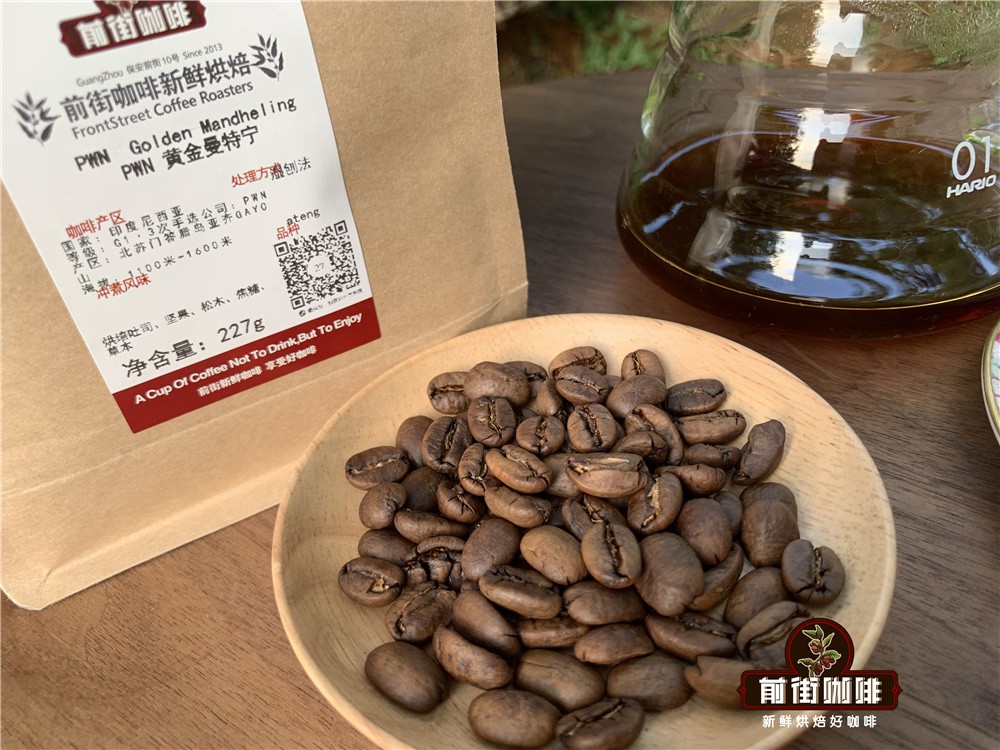
Due to the multiple variables in the three-stage drying process of wet-hulling and the relatively rough processing method, Mandheling coffee beans often exhibit a hoof-like shape, which is actually caused by machine compression during parchment removal, not a defect. For this reason, some jokingly call Mandheling “the least visually appealing but most flavorfully captivating coffee bean.”
For brewing Mandheling, to enhance its boldness and nutty-caramel flavors, deep roasting is recommended. Industry experts suggest using a KONO filter, with water temperature controlled at88℃, a water-to-coffee ratio set at1:15, a coffee dosage of15g, and a grind size with a Chinese No. 20 standard sieve passing rate of75%being ideal. This combination helps to boost body and flavor complexity, delivering rich notes of nuts, caramel, and chocolate, with a long-lasting and well-balanced aftertaste.
It’s worth noting that the freshness of coffee beans greatly impacts flavor. The coffee sold here is roasted within five days and it is recommended that consumers allow a 4 to 7-day resting period after receiving the beans to achieve optimal flavor. A deeper understanding of grading, variety, and processing details will help you select and enjoy this classic coffee bean from Sumatra more precisely.
The above content is compiled by CoffeeHunters, a coffee news website.


